Artwork
A female saint surrounded by cherubs
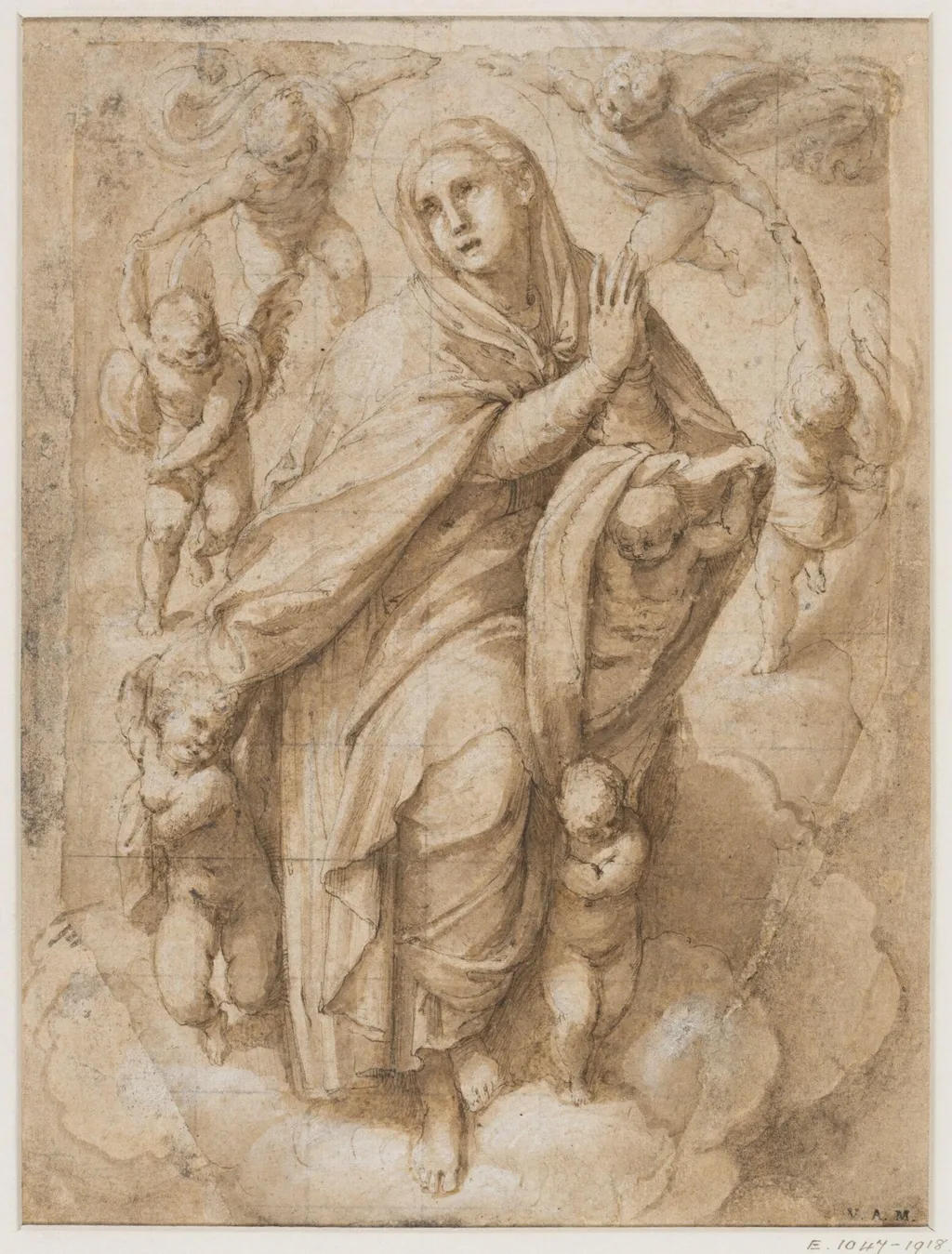
A female saint surrounded by cherubs is a drawing by Annibale Carracci. It dates from 1550 and is held in the collection of the Victoria and Albert Museum. This drawing features a female saint in a kneeling posture, her hands folded in prayer, encircled by a group of cherubs.
About this work
Overview
The background lacks detail, rendered in soft gradients that draw focus to the central figure and her celestial attendants.
This drawing features a female saint in a kneeling posture, her hands folded in prayer, encircled by a group of cherubs. Executed in ink or graphite, the composition emphasizes stillness amid motion—the saint’s calm devotion contrasted with the lively, scattered figures of the cherubs. The background lacks detail, rendered in soft gradients that draw focus to the central figure and her celestial attendants.
Subject & Meaning
The saint represents a figure of piety, likely drawn from hagiographic tradition. Her halo and prayerful stance signify spiritual devotion, while the cherubs—some holding flowers or instruments—suggest heavenly praise and the presence of divine grace. The arrangement implies an intimate moment of communion between the earthly soul and the celestial realm, not as a grand vision but as a quiet, personal encounter.
Technique & Style
The artist employed subtle shading and delicate linework to model form and texture, using cross-hatching to define folds in the saint’s robe and the soft contours of the cherubs’ bodies. The lack of detailed background enhances the ethereal quality, directing attention to the figures. The style reflects a restrained, intimate approach typical of preparatory drawings from the late Renaissance, prioritizing expression over ornament.
History & Provenance
Attributed to Annibale Carracci, the drawing likely dates from the 1580s or 1590s, not 1550, as the artist was born in 1560. It may have served as a study for a larger religious work or as an independent devotional image. Its survival suggests it was valued within Carracci’s circle, possibly used to explore figure composition or spiritual expression before execution in paint.
Context
In late 16th-century Italy, devotional drawings were common among artists training in religious subjects. Carracci, aligned with the Counter-Reformation’s emphasis on emotional clarity and piety, often explored sacred themes with naturalism. This drawing reflects a broader trend: using intimate, accessible imagery to foster personal connection with the divine, avoiding theatricality in favor of quiet reverence.
Legacy
The drawing exemplifies Carracci’s role in reforming religious art through grounded humanity and emotional sincerity. Though not widely exhibited, it influenced later artists seeking to balance celestial themes with human tenderness. Its preservation offers insight into the artist’s process and the evolving visual language of devotion in post-Tridentine Italy.
Artist & collection
Artist
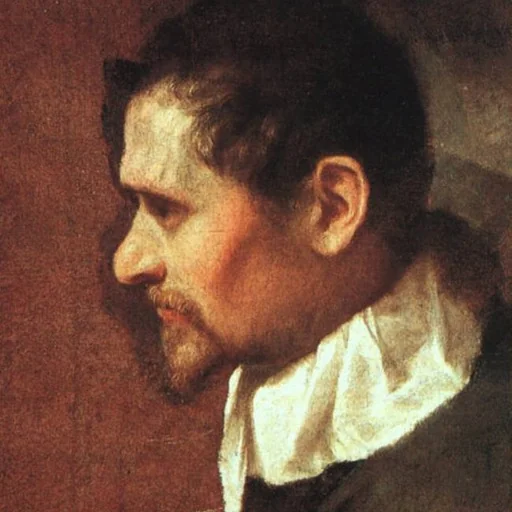
Annibale Carracci ( kə-RAH-chee, UK also kə-RATCH-ee, Italian: ; November 3, 1560 – July 15, 1609) was an Italian painter and instructor, active in Bologna and later in Rome.

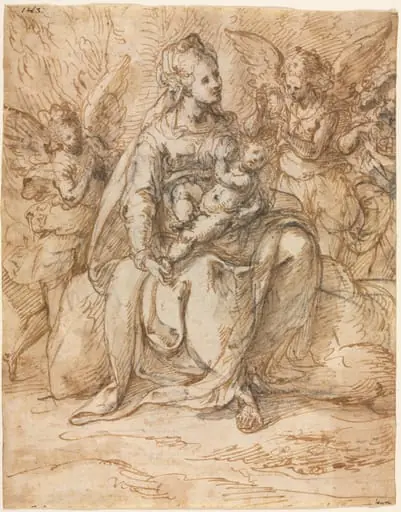 Madonna and Child with Angels
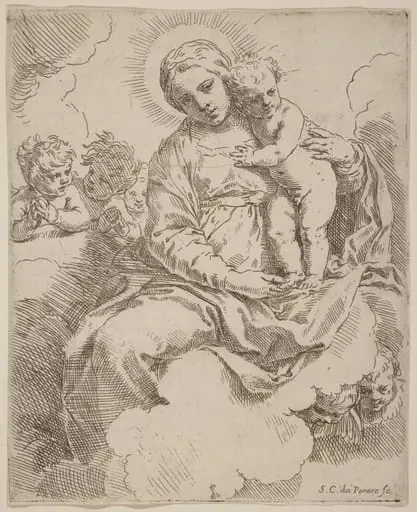 The Virgin and Child
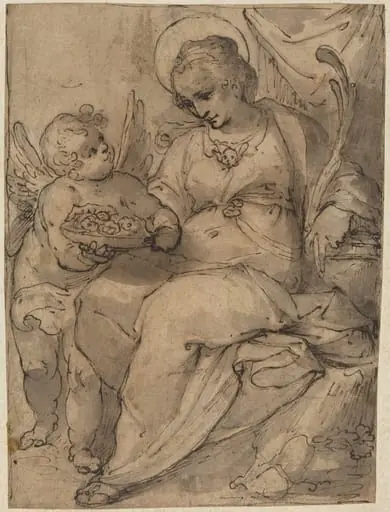 Martyr with an Angel
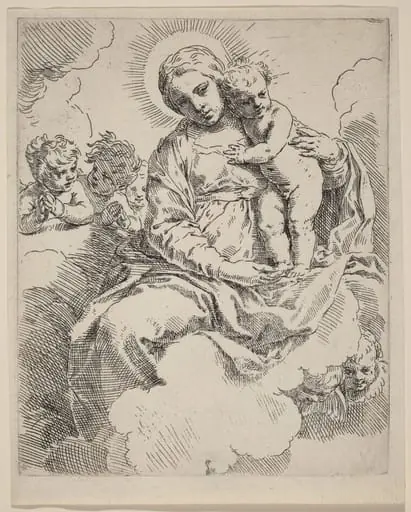 The Virgin and Child
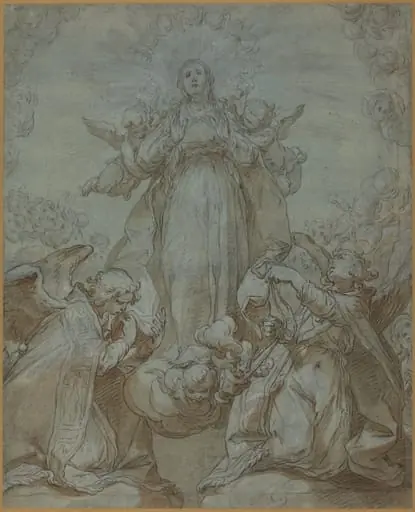 The Virgin in Glory
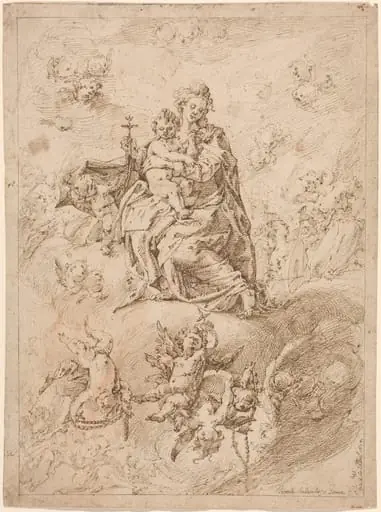 The Madonna of the Rosary
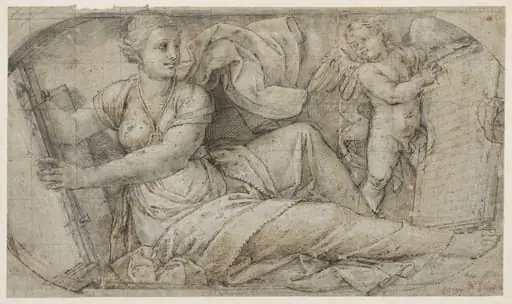 Reclining sibyl holding a book, with a winged putto supporting an inscribed tablet
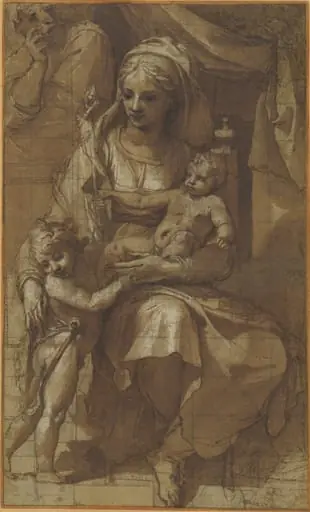 The Holy Family with the Infant John the Baptist
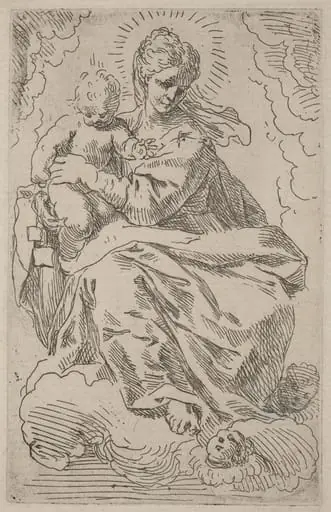 The Virgin and Child
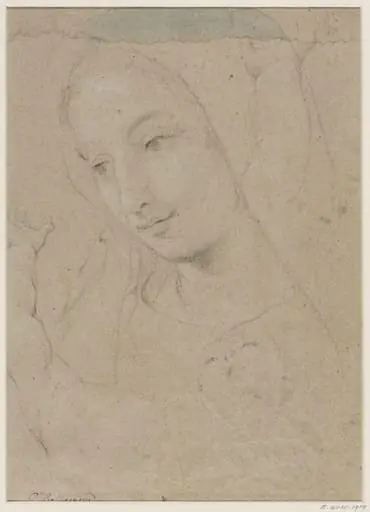 Head of a young woman