Artwork
Coryphée
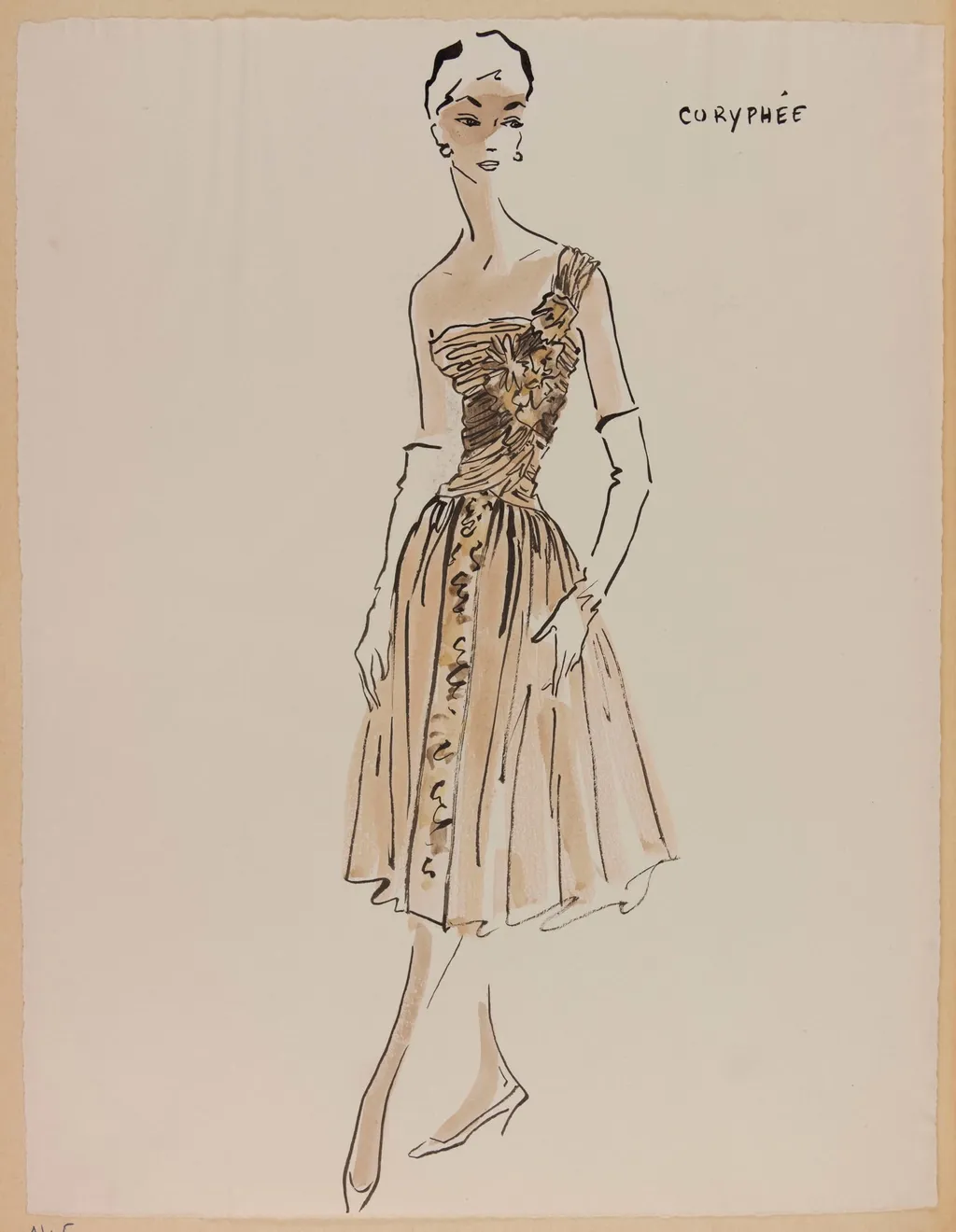
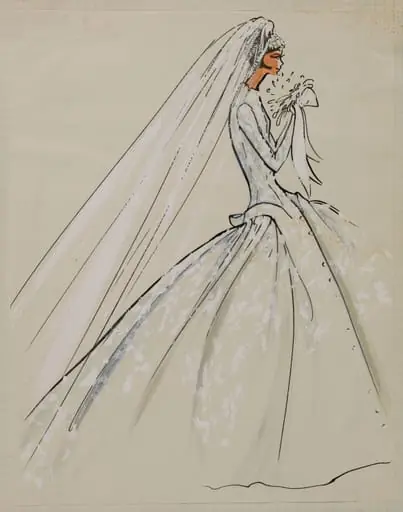
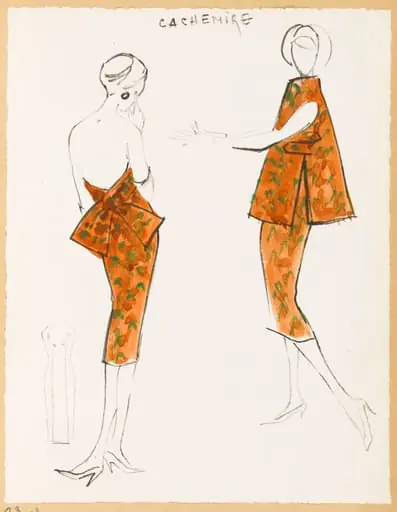
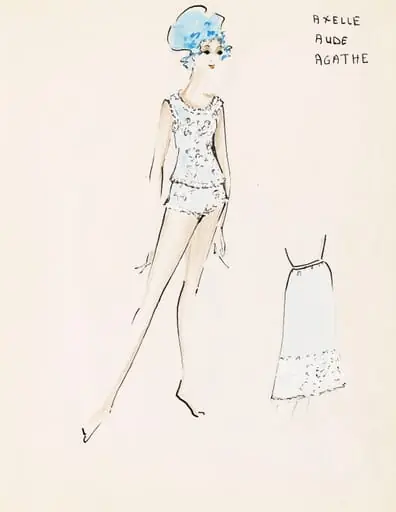
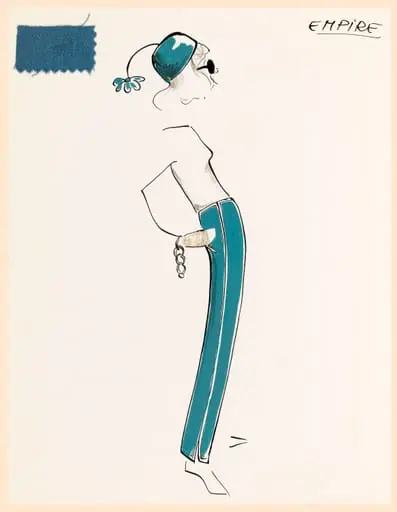
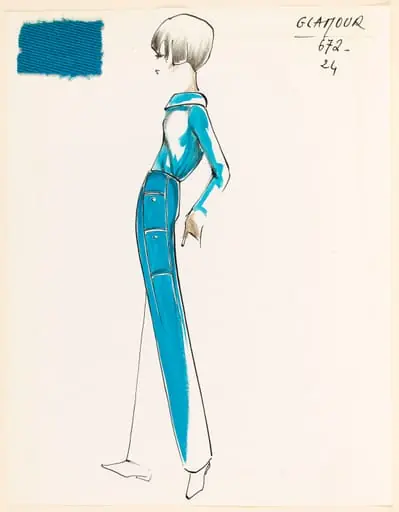
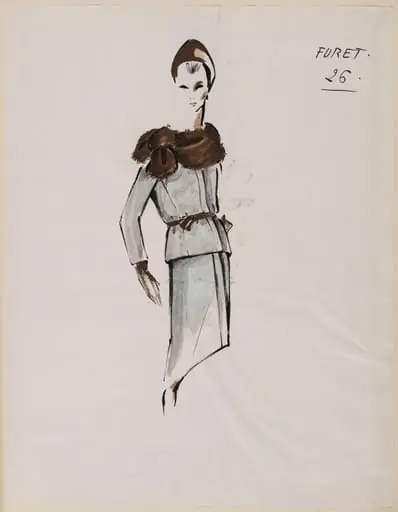
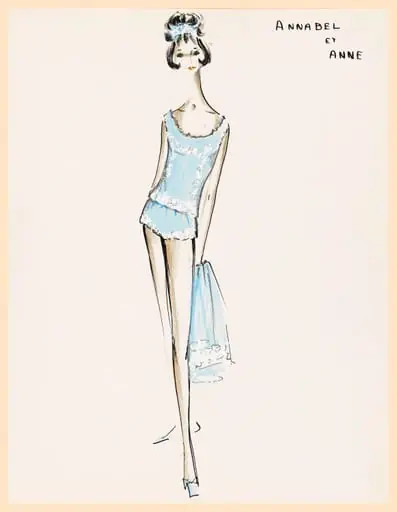
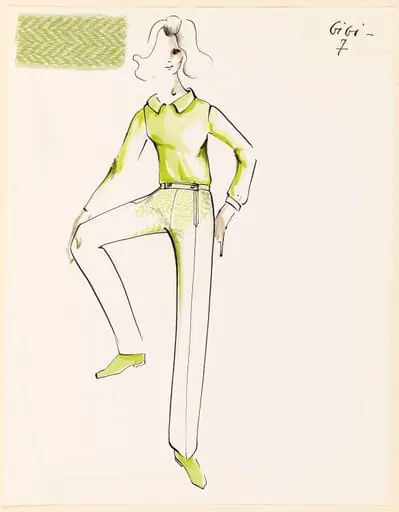
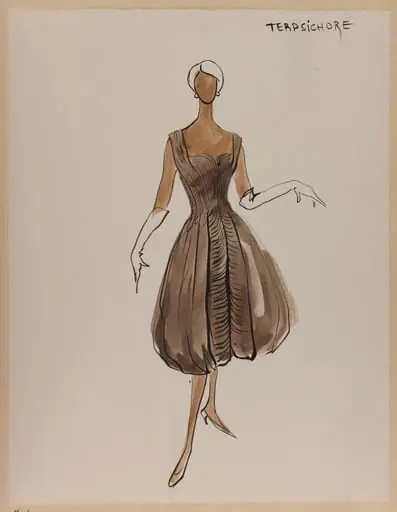
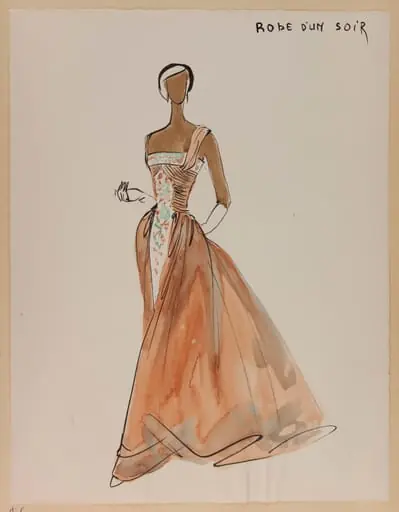
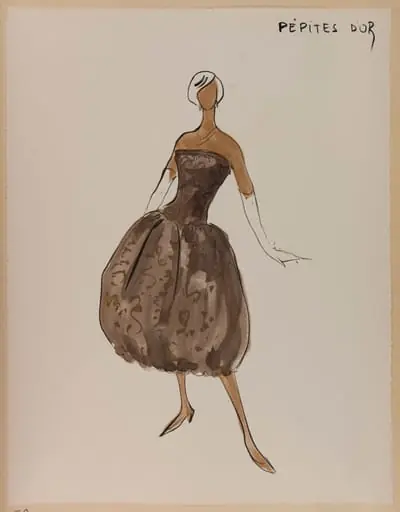
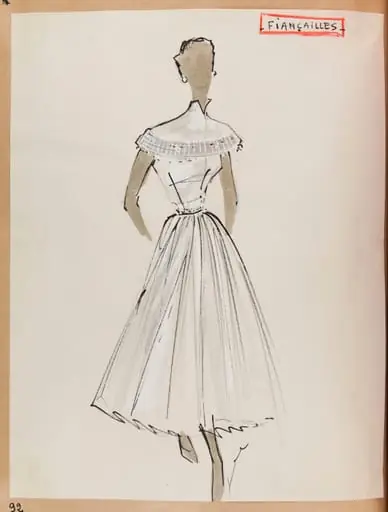
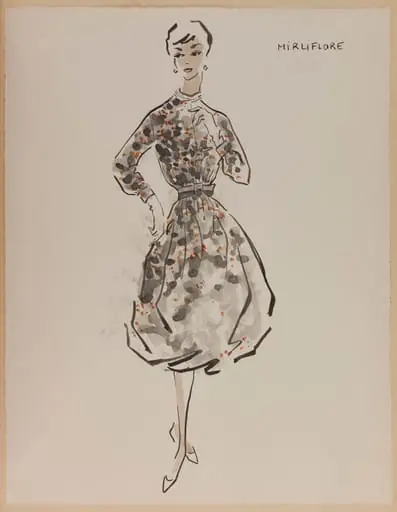
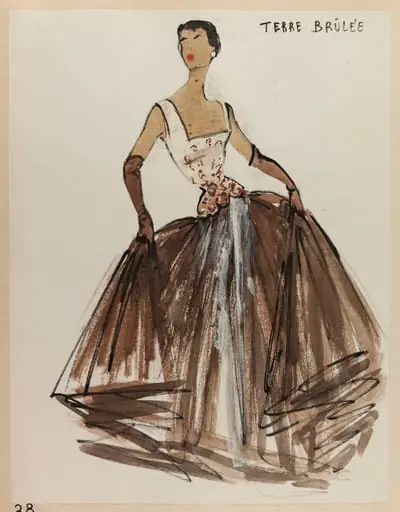
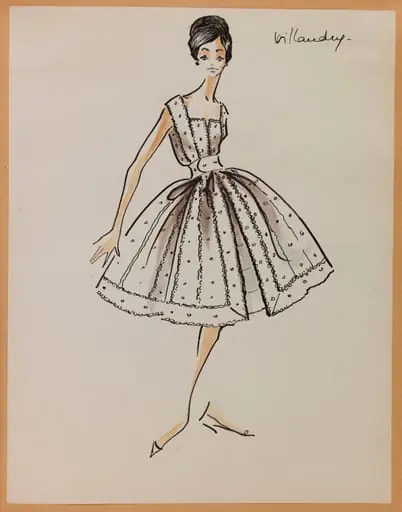
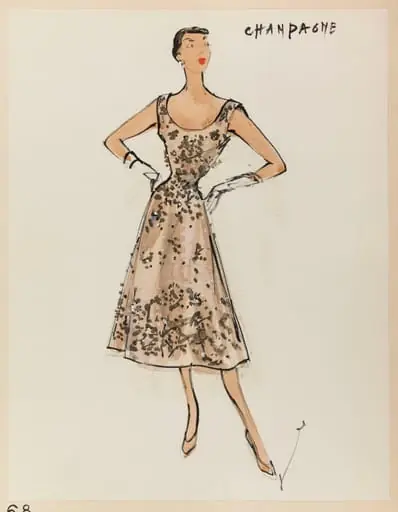
Coryphée is a drawing by Carven. It dates from 1956 and is held in the collection of the Palais Galliera - Musée de la Mode de la Ville de Paris.
About this work
Overview
Coryphée, attributed to the fashion house Carven and dated to around 1956, is a mid‑century illustration preserved in the Museum of Ethnography. The drawing presents a solitary female figure dressed in a sleek, strapless ensemble that combines a tightly fitted bodice with a gently flared skirt, rendered in a manner that emphasizes the garment’s texture and form.
Subject & Meaning
The figure’s confident stance—one hand placed on the hip, the other relaxed at her side—conveys poise and self‑assurance. The French term "coryphée," inscribed in the lower corner, denotes a lead dancer in ballet, suggesting that the attire is intended to evoke the precision and elegance associated with a principal performer.
Technique & Style
The illustration relies on cross‑hatching to build tonal variation, using intersecting lines to model the folds and subtle shading of the fabric. This method creates a sense of depth while preserving the graphic clarity typical of fashion sketches from the 1950s, where line work often served both decorative and instructional purposes.
History & Provenance
Created circa 1956, the work entered the collection of the Museum of Ethnography, where it is catalogued as part of the institution’s holdings on mid‑twentieth‑century visual culture. Its attribution to Carven aligns it with the French fashion house’s reputation for refined, modern silhouettes during the post‑war era.
Context
The drawing reflects broader trends in post‑war fashion, when designers emphasized streamlined silhouettes and a sense of movement reminiscent of dance. By invoking the ballet term coryphée, the image situates the garment within a cultural dialogue that links haute couture to performance art, underscoring the period’s fascination with elegance as kinetic expression.
Artist & collection
Artist
These delicate ink-on-paper drawings capture the quiet poetry of everyday things: pinecones, reeds, apples.
Museum
Palais Galliera - Musée de la Mode de la Ville de Paris
Continue through works from the same source collection.