Artwork
Salamandre
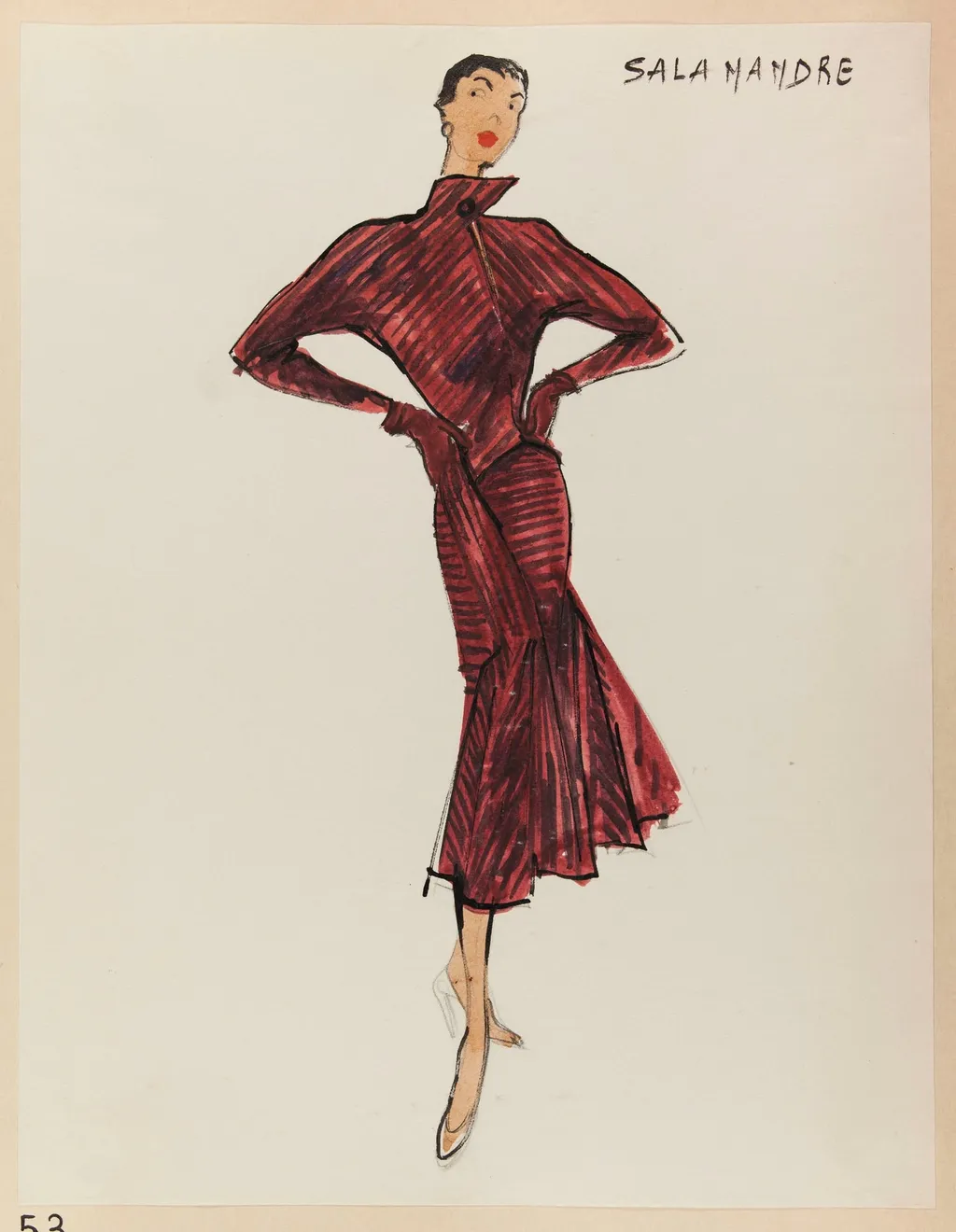
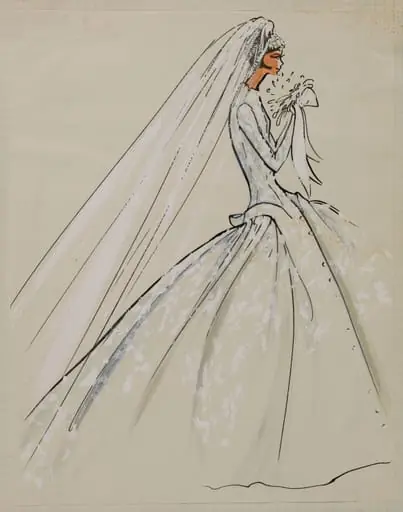
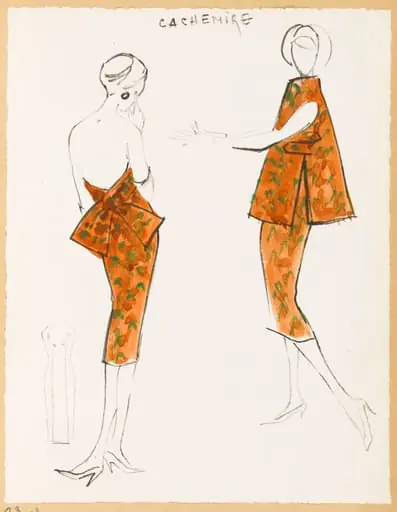
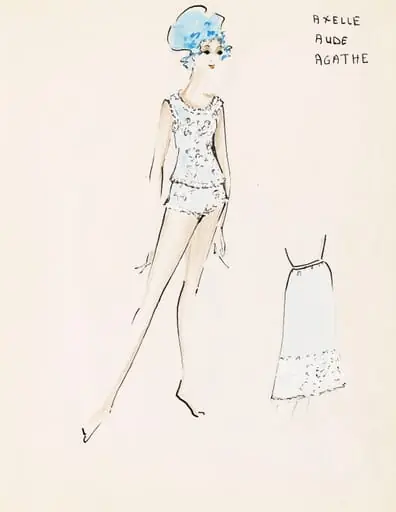
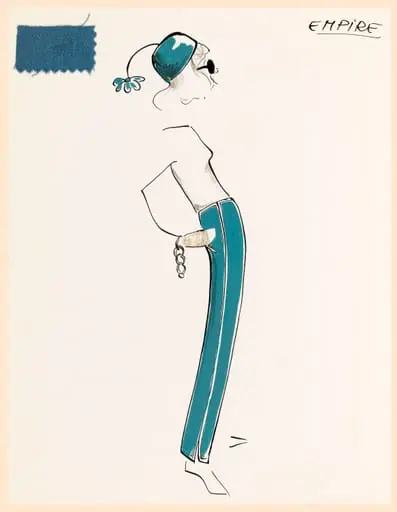
Salamandre is a drawing by Carven. It dates from 1952 and is held in the collection of the Palais Galliera - Musée de la Mode de la Ville de Paris.
About this work
Overview
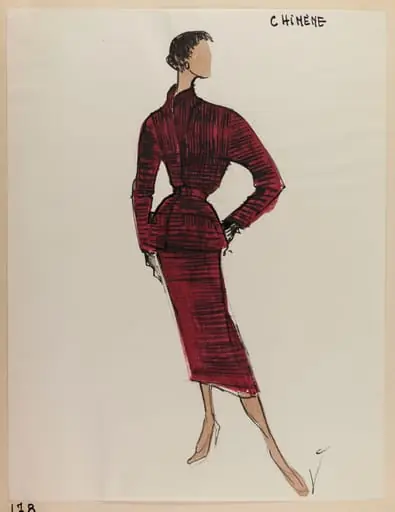
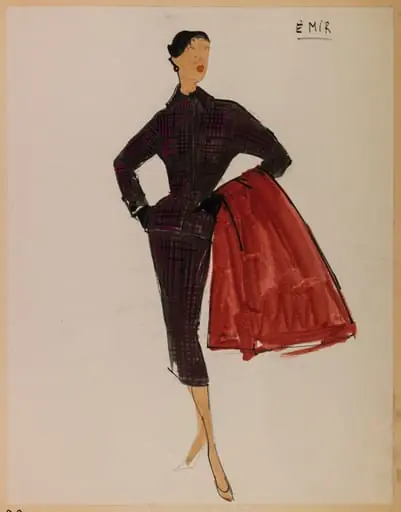
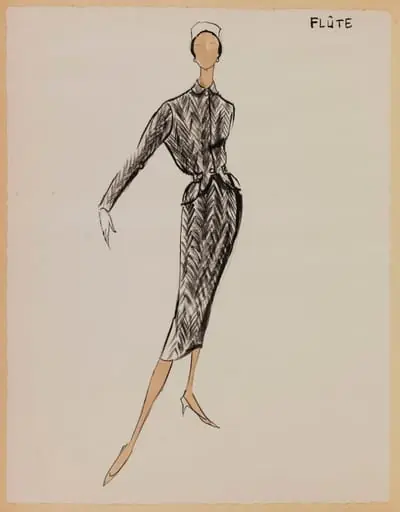
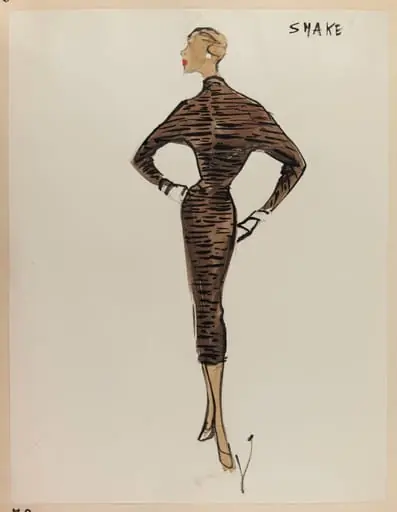
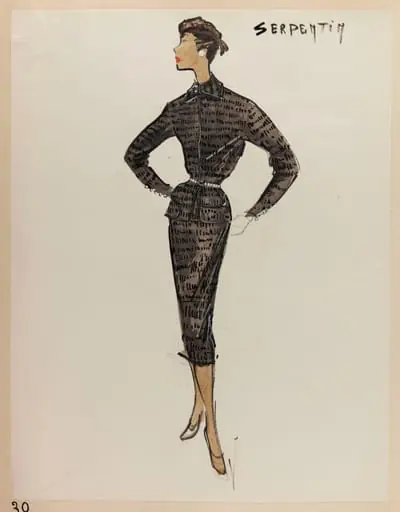
Salamandre, attributed to the French fashion house Carven and dated to around 1952, is an image held in the collection of the Museum of Ethnography. The work presents a single figure rendered in a sketch‑like manner, emphasizing the silhouette of a garment rather than narrative detail.
Subject & Meaning
The composition centers on a woman dressed in a long, red coat with a high collar and expansive sleeves, her skirt flaring outward. She adopts a poised stance, one hand placed on her hip, suggesting confidence and the poise associated with mid‑century fashion presentation.
Technique & Style
Executed with rapid, assured lines, the drawing conveys the texture of the fabric through swift strokes that hint at the material’s weight and movement. The limited palette—primarily the vivid red against a neutral background—draws attention to the garment, echoing the conventions of fashion illustration.
History & Provenance
Created circa 1952, the piece entered the Museum of Ethnography’s holdings at an unspecified date. The title Salamandre appears inscribed in the lower corner, linking the work to its original designation and confirming its authorship by Carven.
Context
During the early 1950s, fashion houses often produced illustrative works to showcase new designs. Salamandre reflects this practice, merging artistic drawing with commercial fashion communication, and illustrates the aesthetic priorities of post‑war French couture.
Artist & collection
Artist
These delicate ink-on-paper drawings capture the quiet poetry of everyday things: pinecones, reeds, apples.
Museum
Palais Galliera - Musée de la Mode de la Ville de Paris
Continue through works from the same source collection.