Artwork
Tailleur blanc
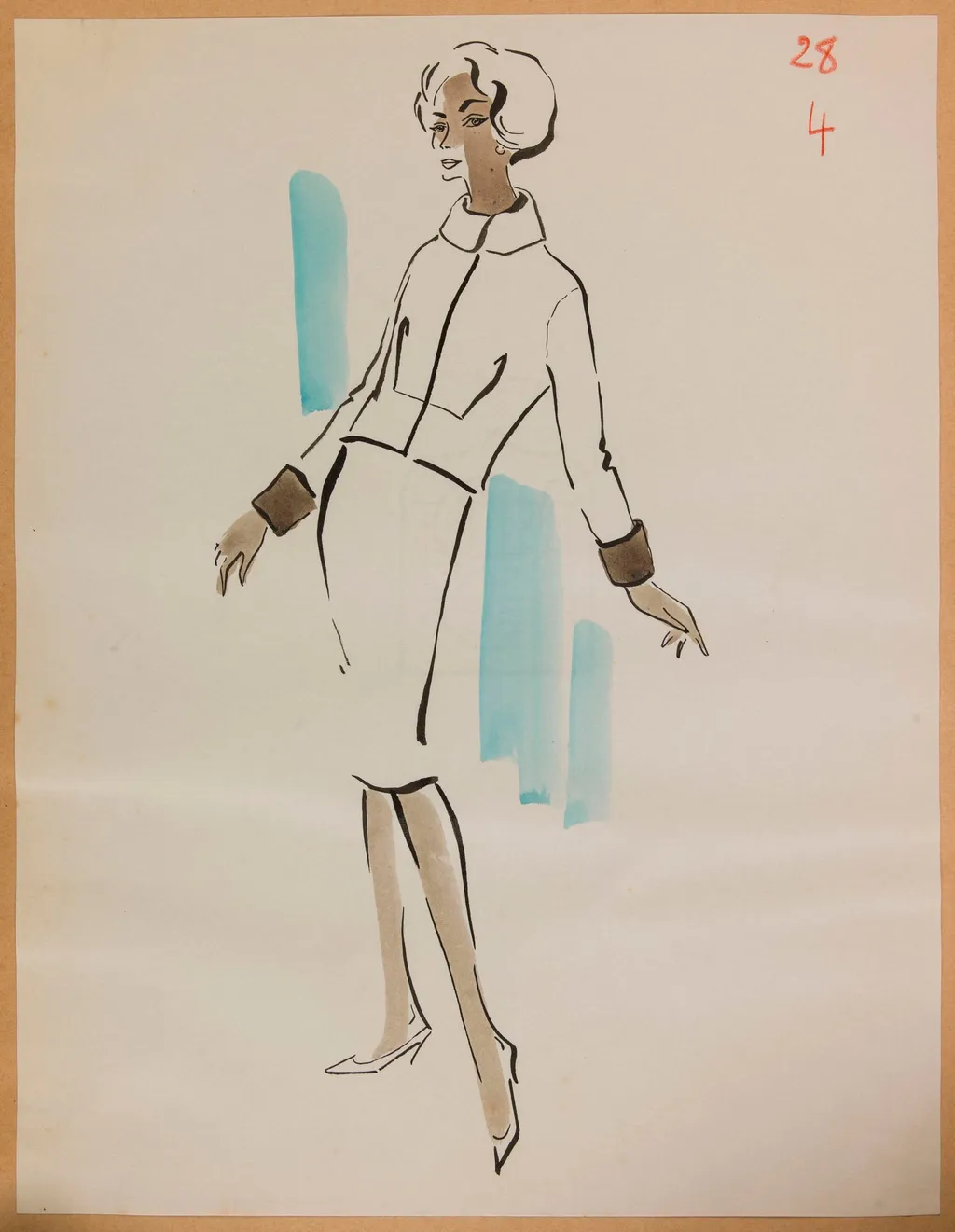
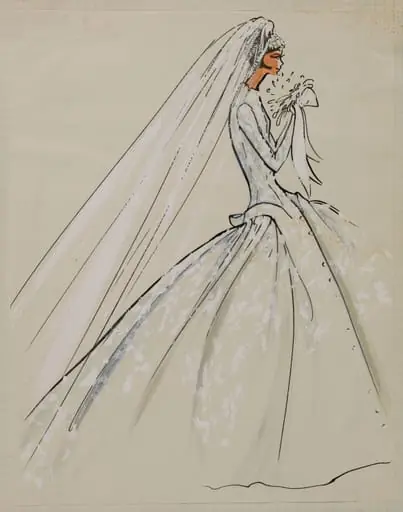
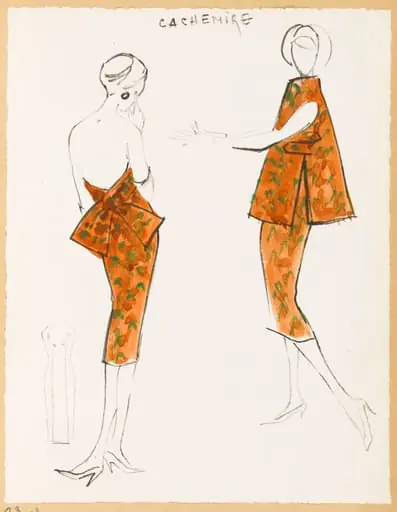
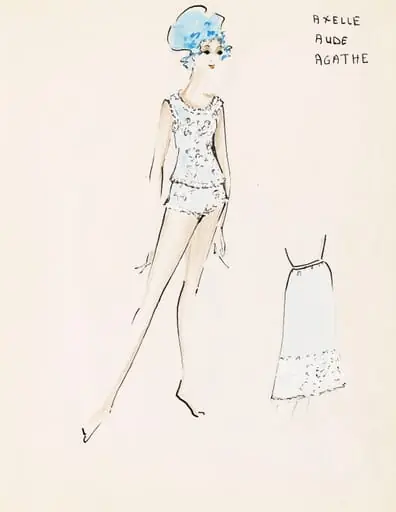
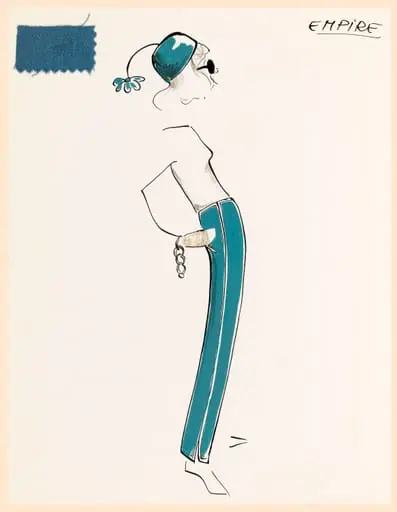
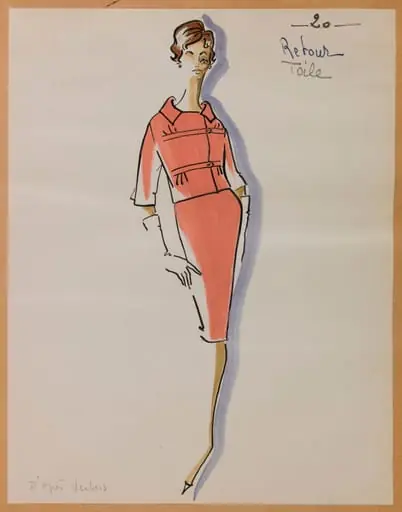
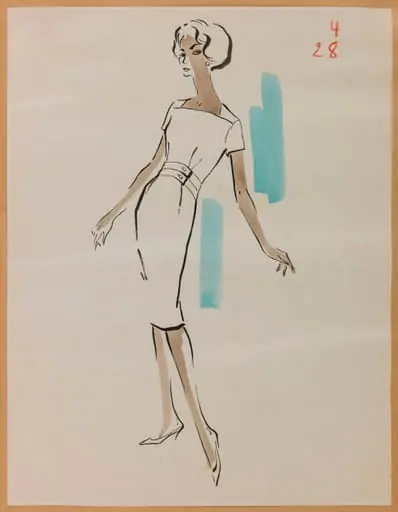
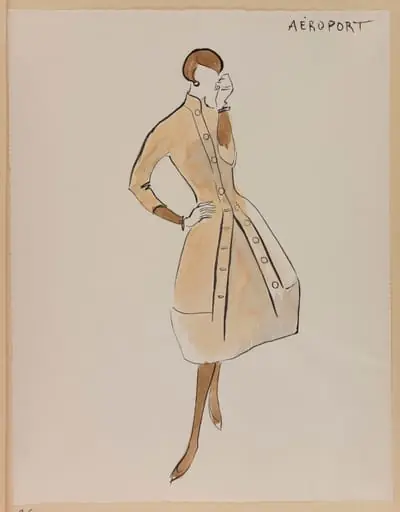
Tailleur blanc is a drawing by Carven. It dates from 1957 and is held in the collection of the Palais Galliera - Musée de la Mode de la Ville de Paris.
About this work
Overview
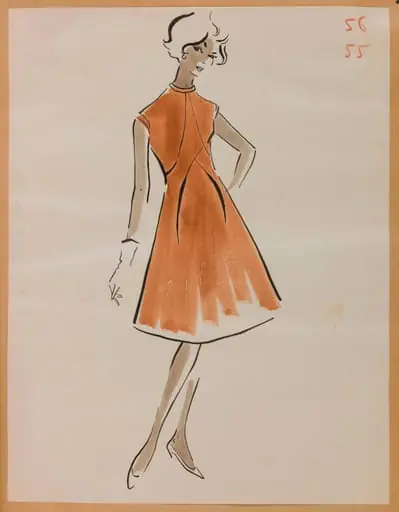
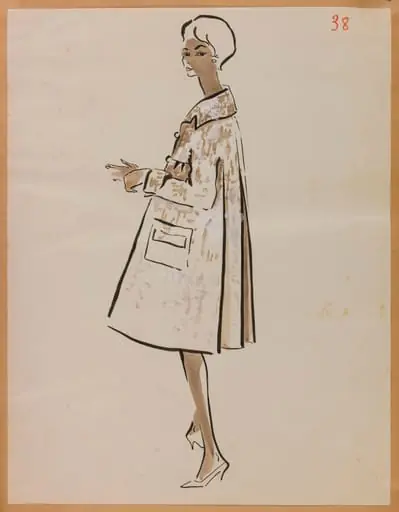
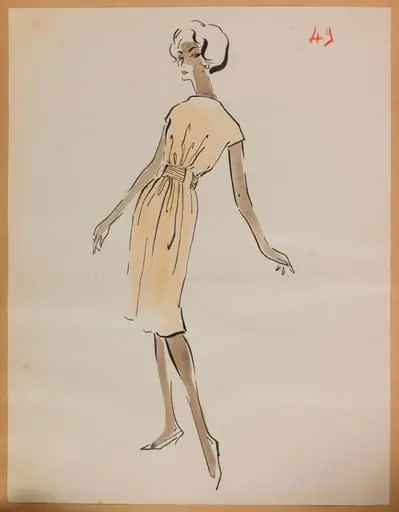
Tailleur blanc is a pencil and watercolor drawing attributed to the French fashion house Carven, dated around 1957.
Tailleur blanc is a pencil and watercolor drawing attributed to the French fashion house Carven, dated around 1957. It depicts a woman in a monochromatic ensemble and is part of the collection at the Museum of Ethnography. The work functions as a fashion study, capturing posture and silhouette with restrained precision. Its quiet composition and limited palette reflect an emphasis on form over ornamentation.
Subject & Meaning
The figure is a woman dressed in a tailored white jacket, skirt, and heels, her body oriented left while her head turns right, suggesting a moment of quiet awareness. Her short hair and minimalist attire evoke mid-century femininity, neither theatrical nor ornamental. The pose conveys composure rather than performance, aligning with postwar ideals of understated elegance. The absence of facial detail universalizes the figure, making it a representation of style rather than identity.
Technique & Style
Rendered in pencil with subtle blue watercolor washes, the drawing uses clean, unbroken lines to define the figure and garments. Background brushstrokes suggest ambient space without distraction. Detail is deliberately sparse—buttons, seams, and folds are implied, not rendered. This economy of means emphasizes silhouette and movement, characteristic of fashion illustration that prioritizes clarity and grace over realism.
History & Provenance
The work originates from Carven’s design studio in the late 1950s, likely used internally to communicate garment structure and drape. It entered the Museum of Ethnography’s collection as part of a broader archive of fashion artifacts documenting 20th-century dress culture. Its preservation reflects institutional interest in fashion as material culture, not merely as high art or commercial product.
Context
Created during a period when Parisian fashion houses emphasized tailored silhouettes and restrained aesthetics, Tailleur blanc aligns with the era’s shift toward practical elegance. It contrasts with the more elaborate designs of contemporaries, reflecting Carven’s reputation for wearable, modernist clothing. The drawing’s simplicity mirrors broader cultural trends favoring functional beauty in postwar Europe.
Legacy
As a preserved study from a major fashion house, Tailleur blanc contributes to scholarly understanding of how design concepts were visualized before mass production. It stands as a quiet testament to the role of illustration in fashion development, offering insight into the quiet labor behind wearable design. Its presence in an ethnographic museum underscores fashion’s place in cultural history.
Artist & collection
Artist
These delicate ink-on-paper drawings capture the quiet poetry of everyday things: pinecones, reeds, apples.
Museum
Palais Galliera - Musée de la Mode de la Ville de Paris
Continue through works from the same source collection.