Artwork
Pierre Noel le Cauchois
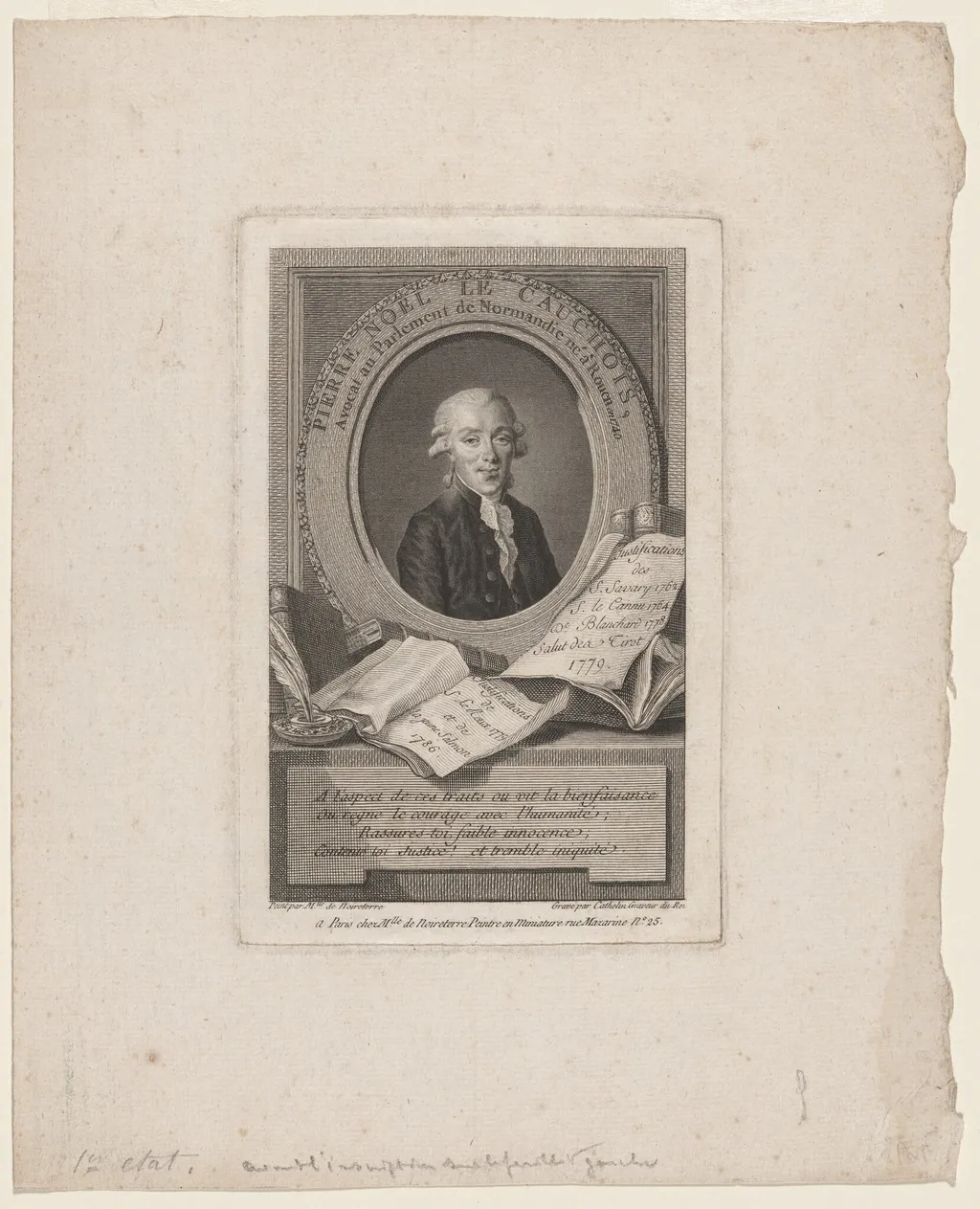
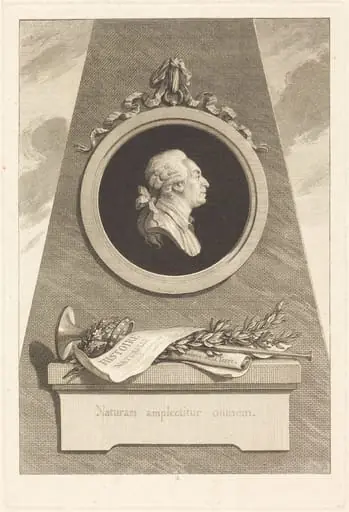
Pierre Noel le Cauchois is an ink print by the Romanticist artist Louis-Jacques Cathelin. It dates from 1786 and is held in the collection of the National Gallery of Art.
About this work
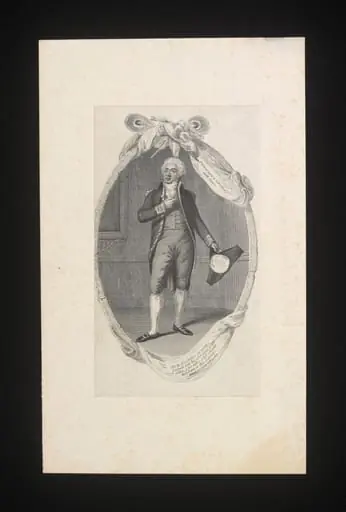
The image is framed by an oval border, and below it, there’s an open book with a quill pen resting on top.
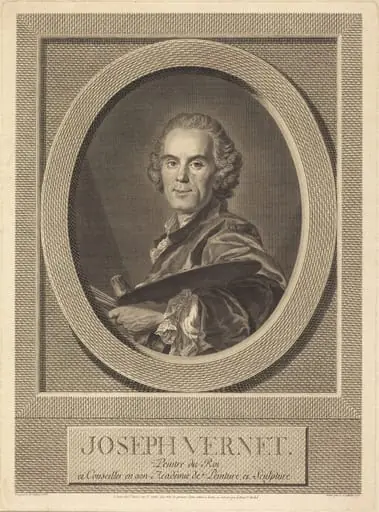
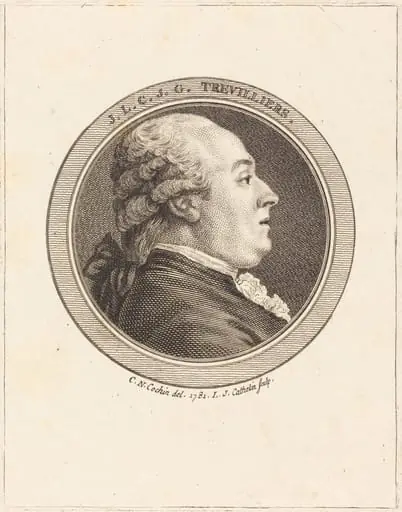
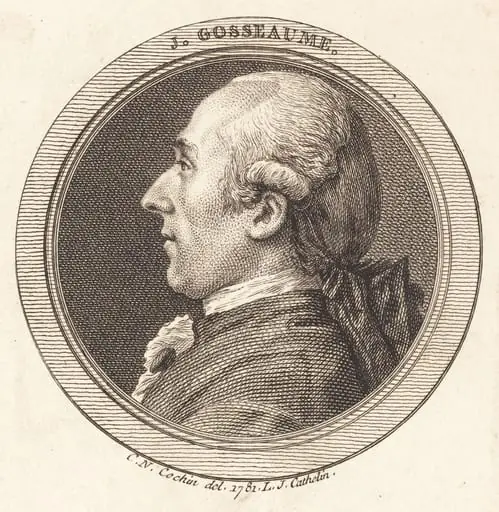
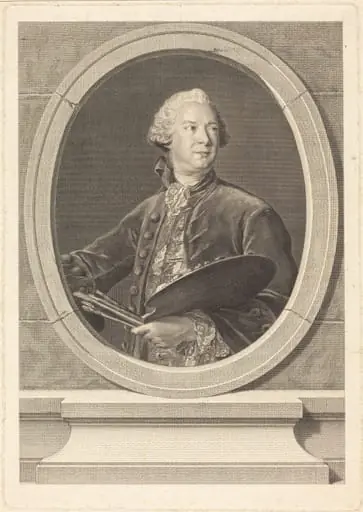
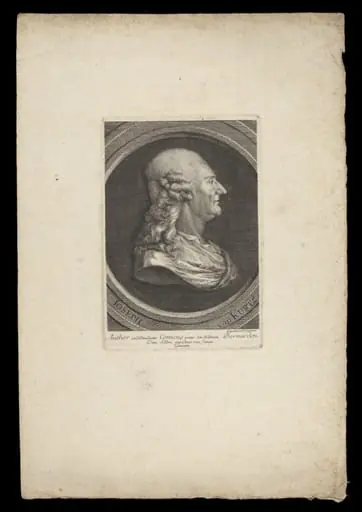
This is a black-and-white portrait of a man in a dark coat and powdered wig. He’s looking straight ahead, with a serious but calm face. The image is framed by an oval border, and below it, there’s an open book with a quill pen resting on top.
The text around the portrait is in French and mentions dates like 1786. The paper looks old and textured, like it was made by hand.
This is an example of engraving, a technique where artists carve into metal plates to create prints.
Overview
This 1786 engraving presents a formal portrait of Pierre Noel le Cauchois. Executed on laid paper, the image shows the sitter in a dark coat and powdered wig, gazing directly at the viewer. An oval border encloses the figure, while an open book and a quill rest beneath, suggesting scholarly or literary associations.
Subject & Meaning
The portrait emphasizes le Cauchois’s status through his attire and the inclusion of writing implements, symbols of education and intellectual activity. The calm, measured expression conveys a sense of composure appropriate to a gentleman of the period, while the book and quill hint at his possible involvement in literary or administrative work.
Technique & Style
Created by Louis‑Jacques Cathelin, the work employs traditional copper‑plate engraving. Fine incised lines produce the delicate modeling of facial features, the texture of the coat, and the intricate details of the wig. The contrast between deep shadows and crisp whites gives the image a clear, linear quality characteristic of late‑18th‑century French printmaking.
History & Provenance
The print bears French inscriptions that date it to 1786, confirming its production during the final years of the Ancien Régime. Printed on hand‑made laid paper, the work reflects contemporary publishing practices. While the original plate’s whereabouts are unknown, surviving impressions have entered museum collections as representative examples of Cathelin’s portrait engravings.
Artist & collection