Artwork
Louis XVI
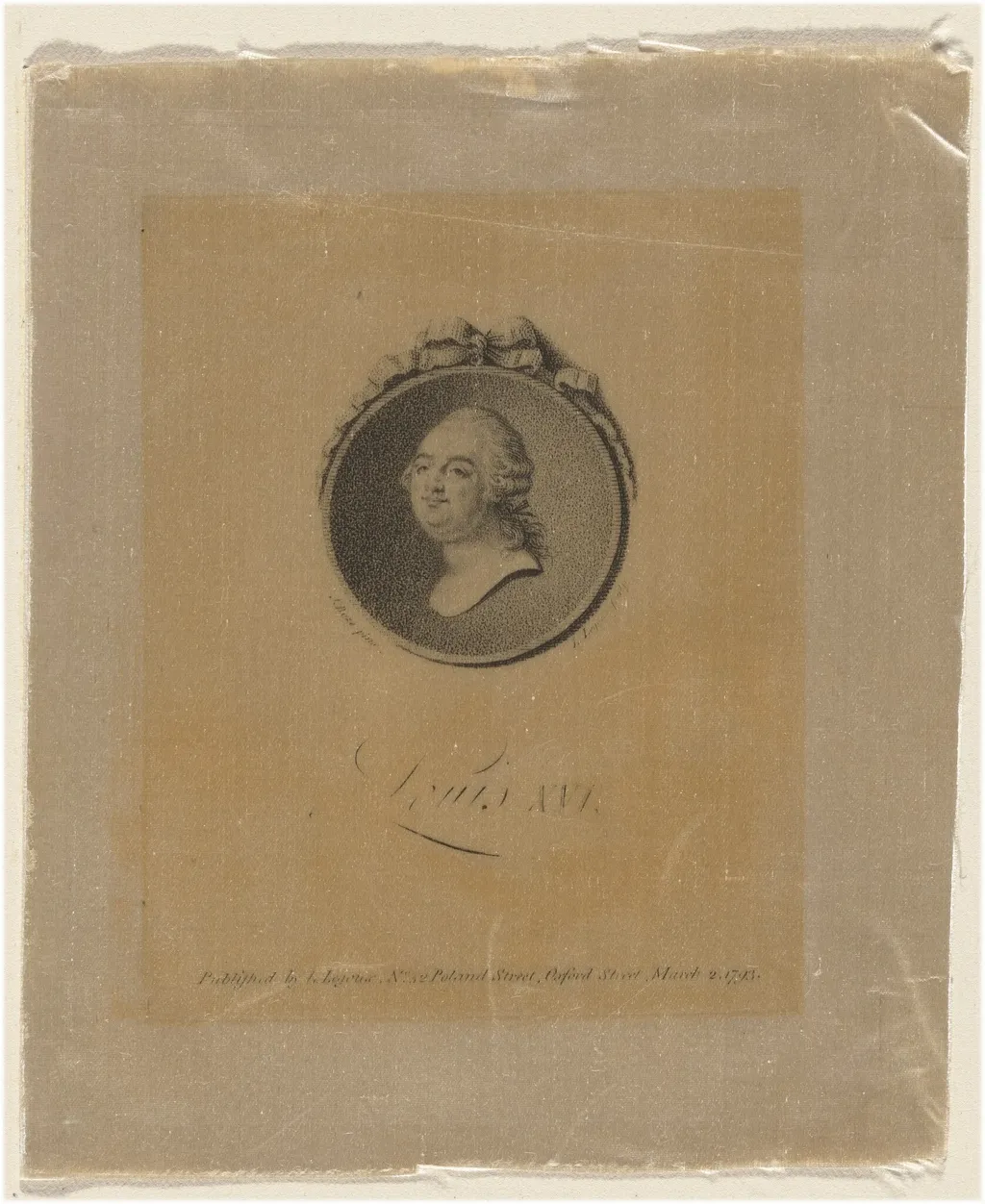
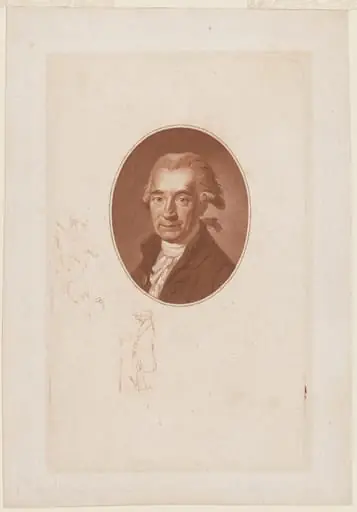
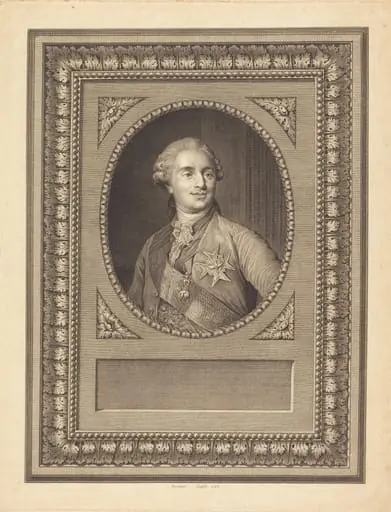
Louis XVI is an ink print by the Romanticist artist Louis Legoux. It dates from 1793 and is held in the collection of the National Gallery of Art.
About this work
Overview
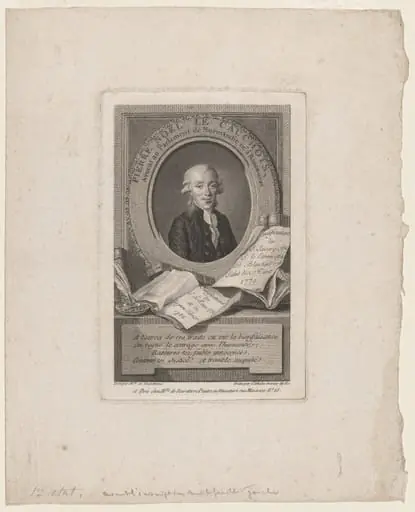
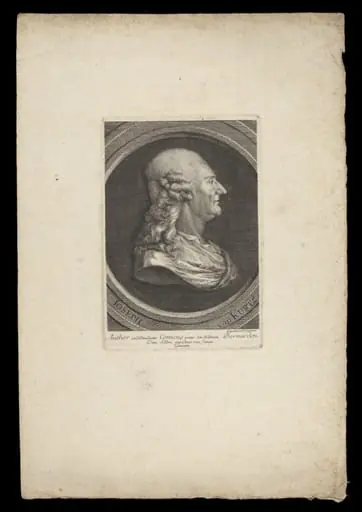
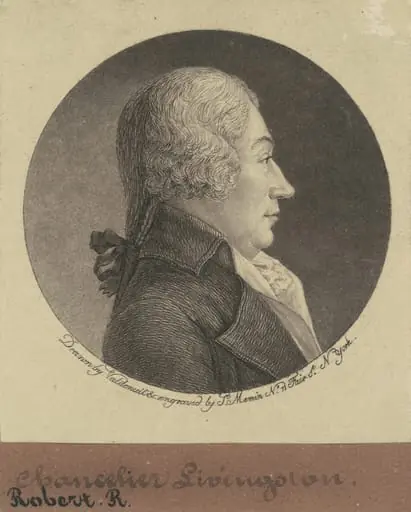
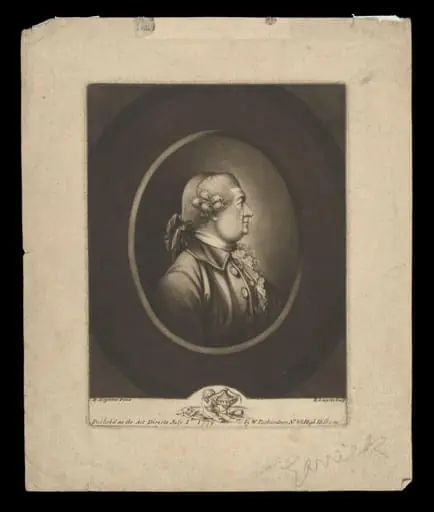
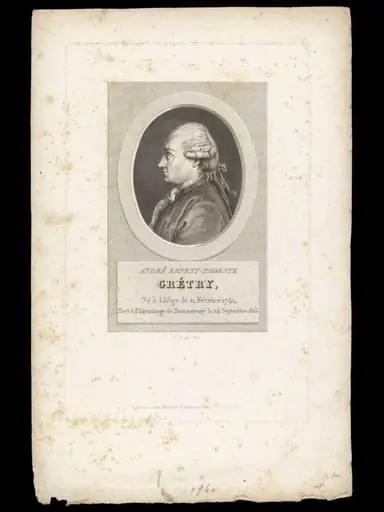
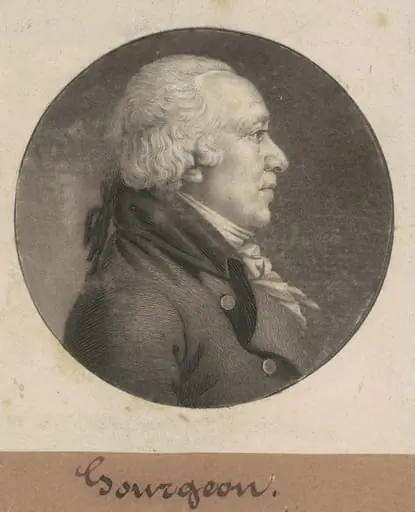
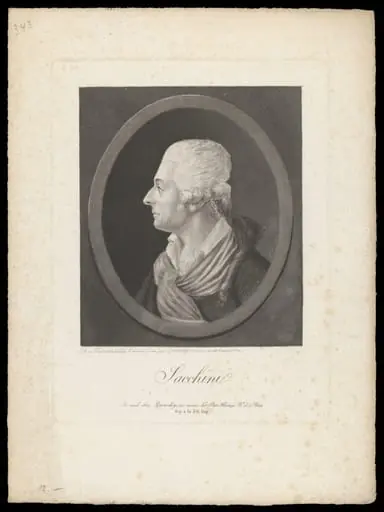
Louis Legoux’s 1793 stipple engraving on silk satin presents a portrait of a male figure, most likely the French monarch Louis XVI. Rendered within a circular frame, the image shows the sitter in profile, his powdered wig and high-collared shirt clearly delineated by fine dot work. The silk satin background retains a muted brown hue, characteristic of the material’s natural tone.
Subject & Meaning
The portrait captures the king in a dignified, formal pose, emphasizing his royal status through attire—a dark coat, white shirt, and a ribbon at the neck. The profile view, a conventional format for royal portraiture, underscores the individual’s authority and lineage, aligning with contemporary expectations of monarchical representation.
Technique & Style
Legoux employed the stipple engraving method, arranging countless minute dots to achieve subtle gradations of tone and texture. This technique, applied to silk satin, allows the delicate fabric’s sheen to interact with the printed image, creating a nuanced surface that differs from paper-based prints.
History & Provenance
Created in 1793, during the turbulent years of the French Revolution, the engraving reflects a period when depictions of the deposed monarch were rare. The work’s survival on silk suggests it may have been intended for a private collector or as a commemorative object, though specific ownership records are not documented.
Context
Stipple engraving gained popularity in the late eighteenth century as a means of reproducing fine tonal effects without the labor of line engraving. Silk satin, an uncommon substrate for prints, was occasionally used for luxury items, indicating the work’s possible function as a decorative or ceremonial piece.
Legacy
While not widely reproduced, Legoux’s silk satin engraving offers insight into the intersection of printmaking and textile arts in revolutionary France. It stands as a rare example of how traditional portrait conventions were adapted to novel materials and techniques of the era.
Artist & collection