Artwork
Bénigne-Charles Févret de Saint-Mémin
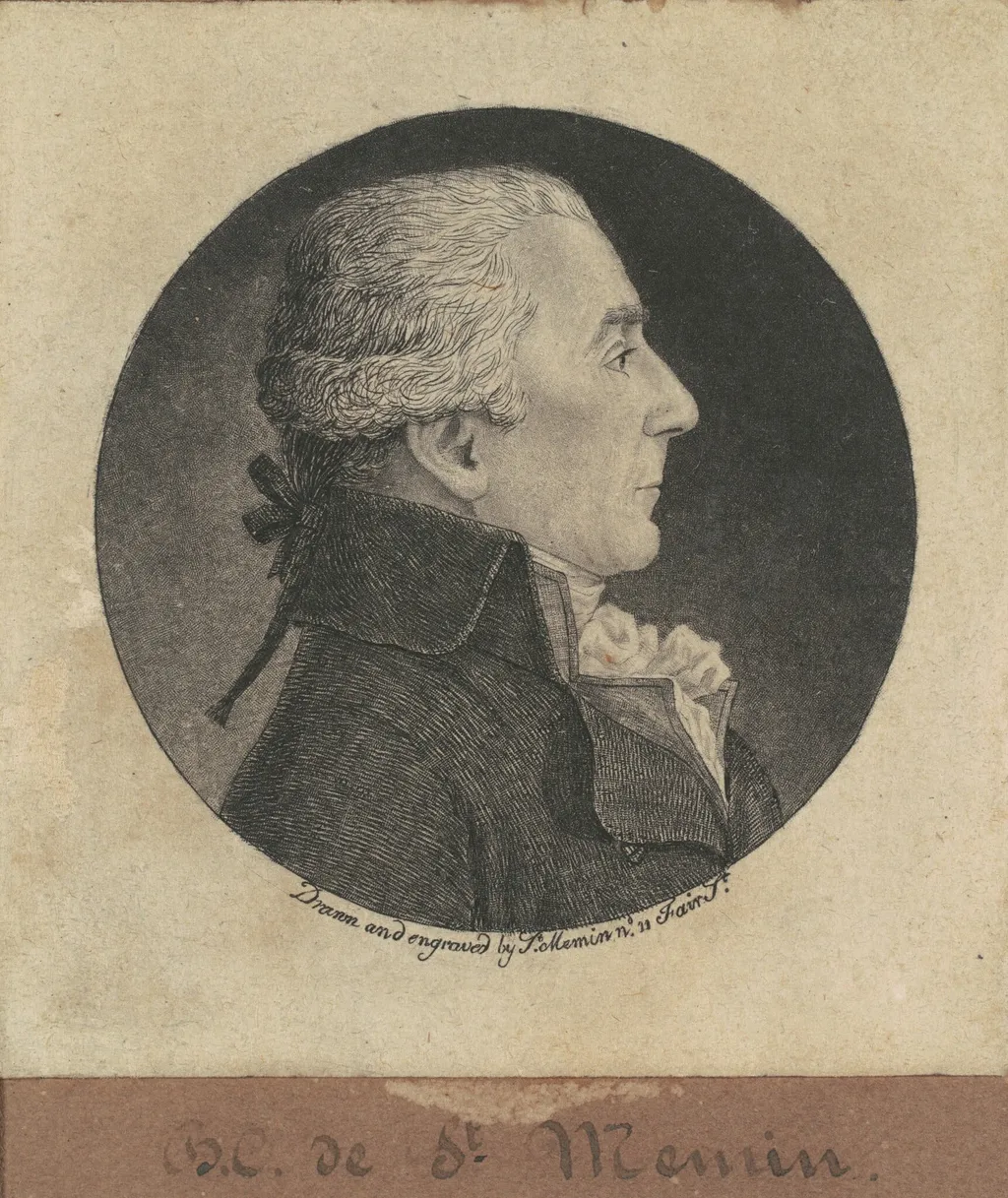
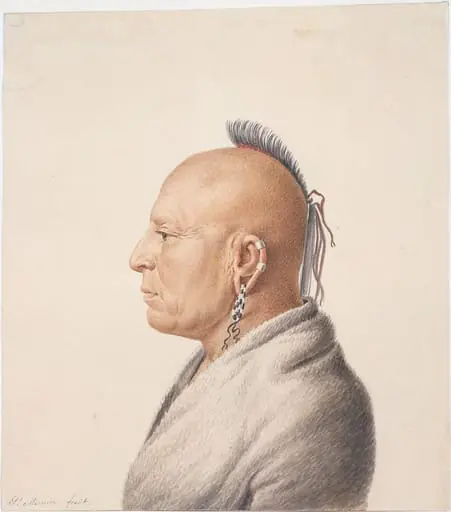
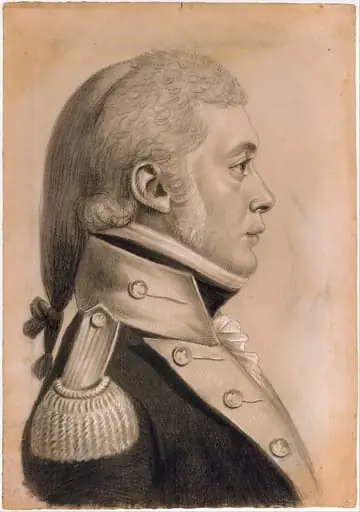
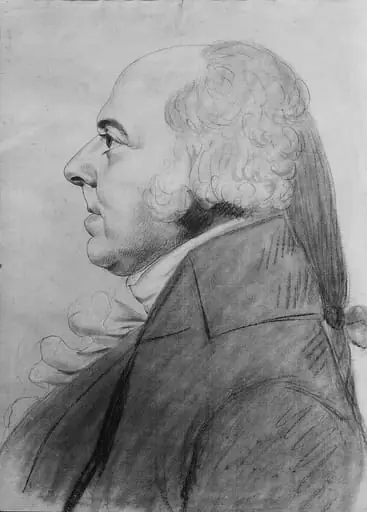
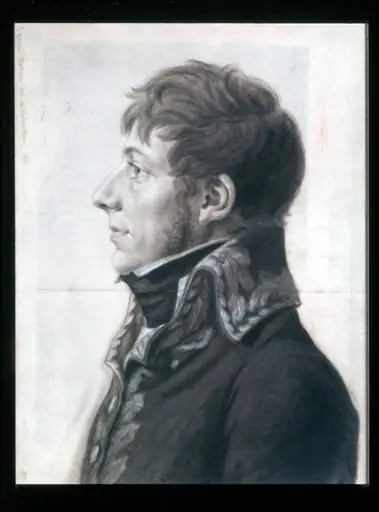
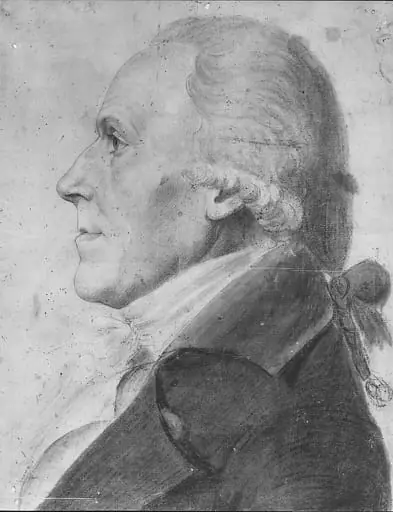
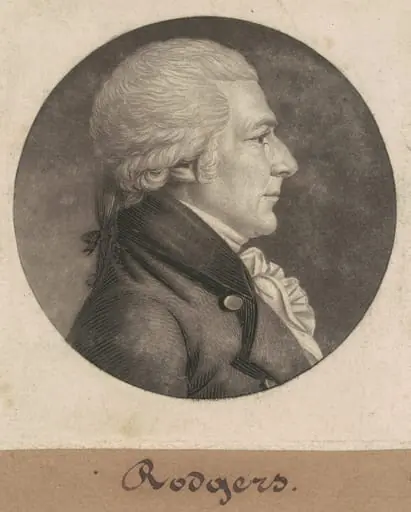
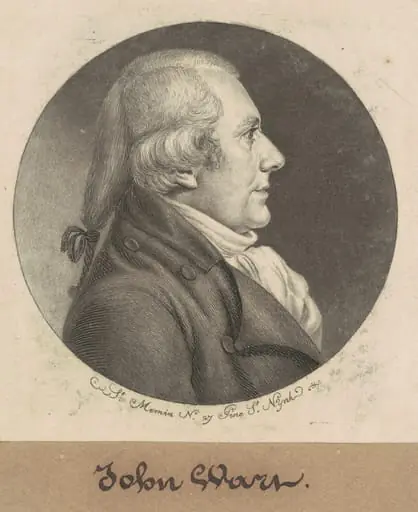
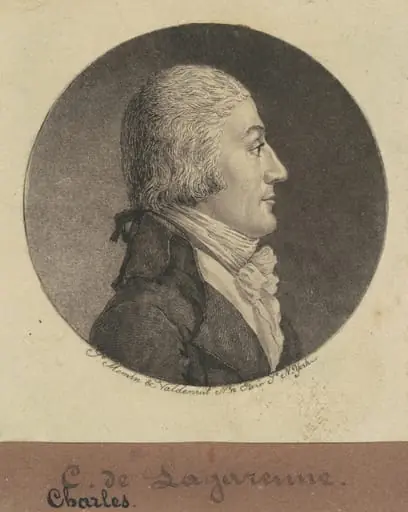
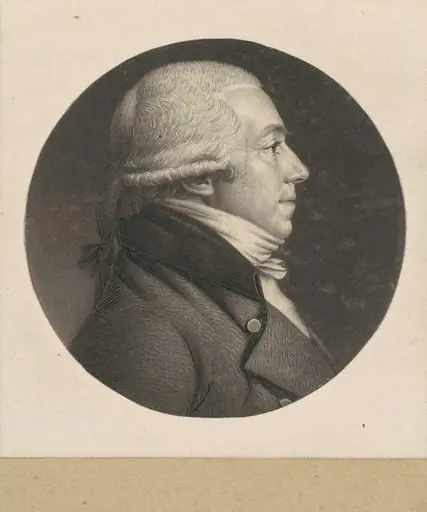
Bénigne-Charles Févret de Saint-Mémin is an ink print by the Romanticist artist Charles Balthazar Julien Févret de Saint-Mémin. It dates from 1796 and is held in the collection of the National Gallery of Art. This early nineteenth‑century print presents a solitary male figure rendered in a serious pose.
About this work
Overview
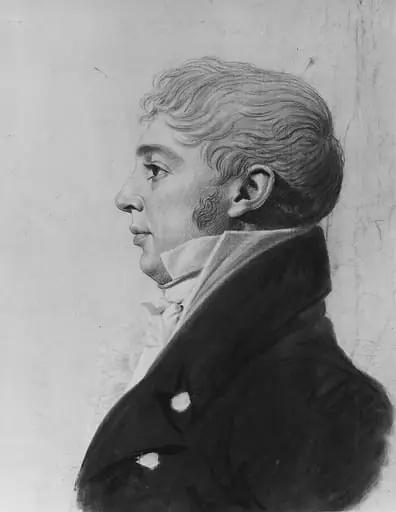
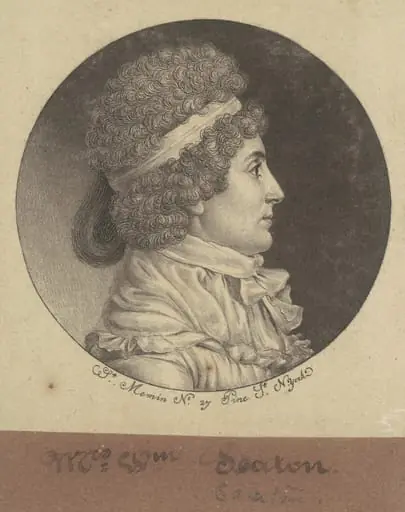
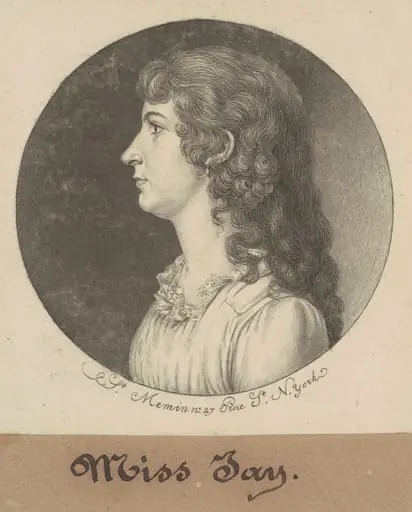
This early nineteenth‑century print presents a solitary male figure rendered in a serious pose. Executed as a mezzotint and engraving in black ink, the image is set on wove paper that has been affixed to a brown‑toned backing. The portrait belongs to a series of sixteen circular images depicting notable persons, assembled by the artist between 1803 and 1806.
Subject & Meaning
The sitter, identified as Bénigne‑Charles Févret de Saint‑Ménin, appears in formal, antiquated attire, his expression composed and contemplative. The tight rendering of facial features and clothing suggests an intention to convey dignity and scholarly gravitas, aligning with the broader aim of the series to honor historical figures through intimate, focused likenesses.
Technique & Style
The work combines mezzotint’s rich tonal gradations with the precise line work of engraving, allowing subtle shading and fine detail within a compact circular format. The choice of black ink on white wove paper, later mounted on brown paper, creates a stark contrast that emphasizes the delicate modeling of the face and the intricate textures of the period costume.
History & Provenance
Created during the years 1803–1806, the series was compiled by Charles B. J. Févret de Saint‑Ménin, a French artist known for his portrait prints. The complete set, including this portrait, entered the National Gallery of Art’s Saint‑Ménin Collection, where it remains part of the museum’s holdings of early modern printmaking.
Context
The circular format of the sixteen portraits reflects a neoclassical fascination with medallion‑like representations, popular in post‑Revolutionary France for commemorating eminent individuals. By presenting a group of historical personalities together, the series functions as a visual catalogue of cultural memory, aligning with contemporary efforts to document and celebrate the nation’s intellectual heritage.
Artist & collection

Artist
Charles Balthazar Julien Févret de Saint-Mémin
Charles Balthazar Julien Févret de Saint-Mémin (French pronunciation: ; 1770–1852) was a French portrait painter and museum director.