Artwork
Apollo
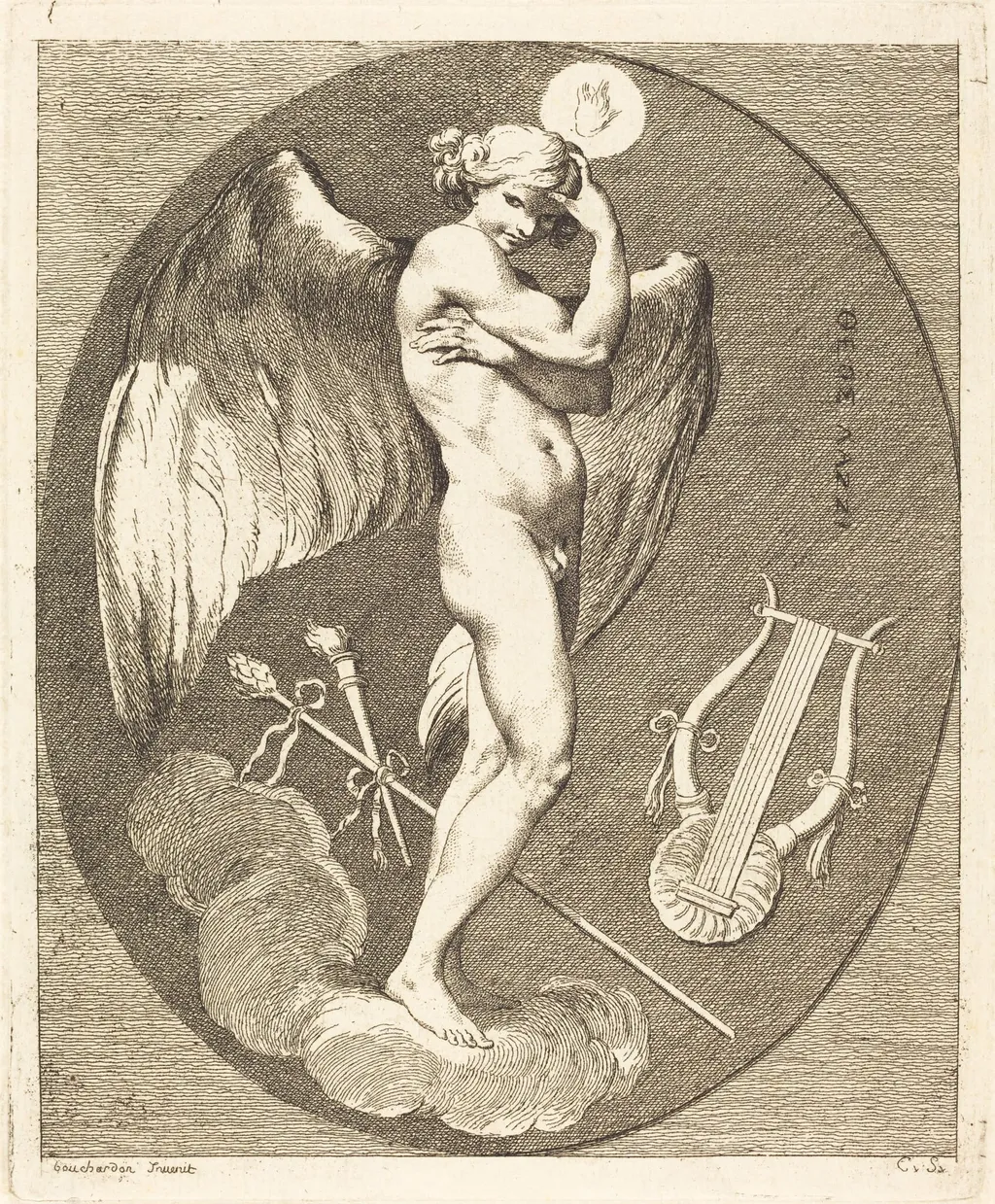
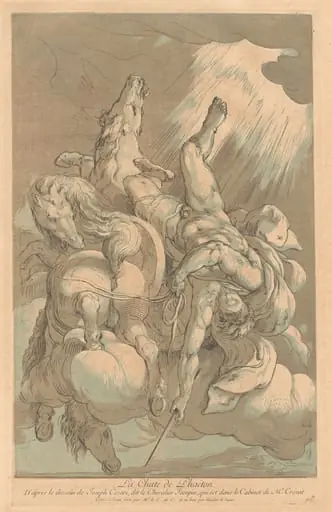
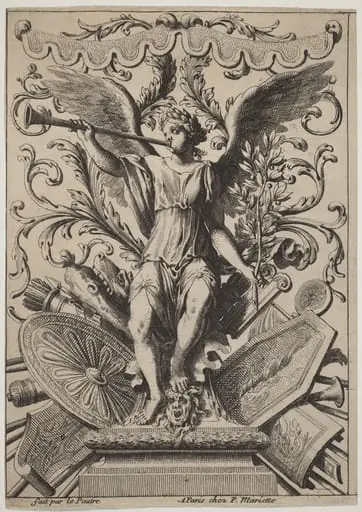
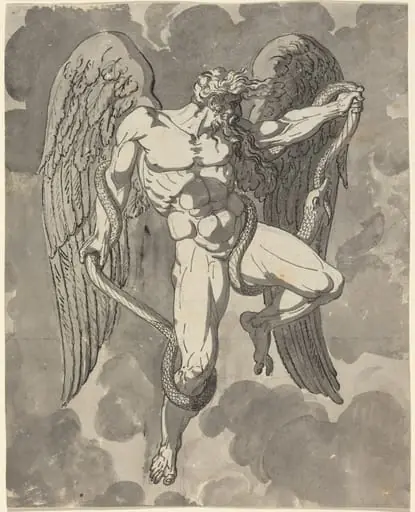
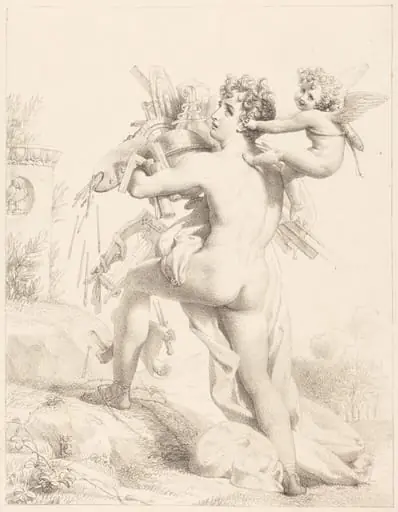
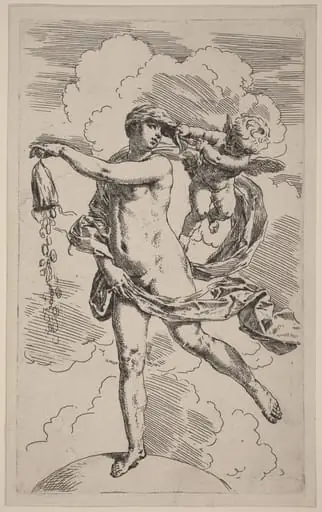
Apollo is an ink print by the Baroque artist Anne-Claude-Philippe de Tubières, comte de Caylus. It dates from 1728 and is held in the collection of the National Gallery of Art.
About this work
Overview
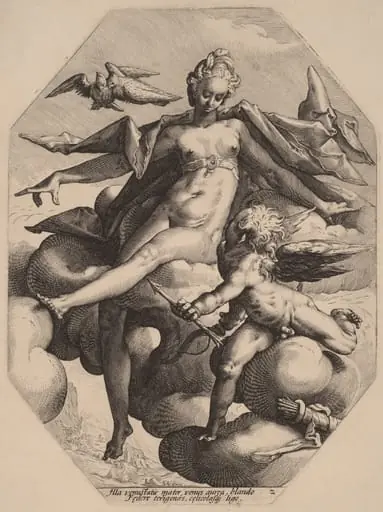
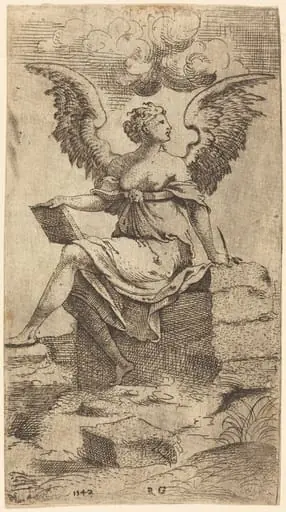
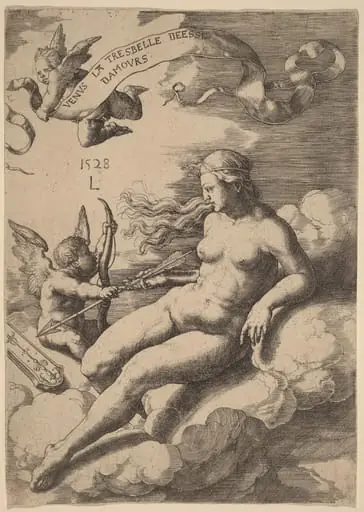
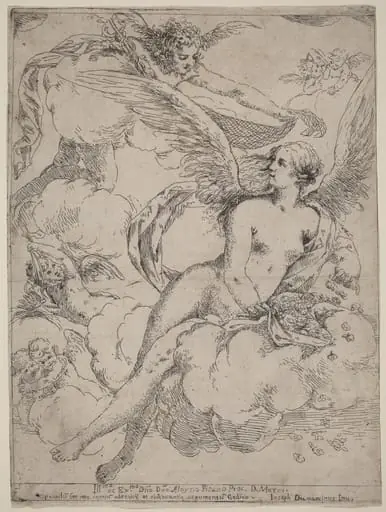
Created in 1728, this etching by Anne-Claude-Philippe de Tubières, comte de Caylus, depicts the Greek god Apollo. Executed on laid paper, the work belongs to a tradition of printmaking that circulated images before the advent of photography. Caylus, known for his scholarly interests in antiquities, used the medium to explore classical themes with precision and restraint.
Subject & Meaning
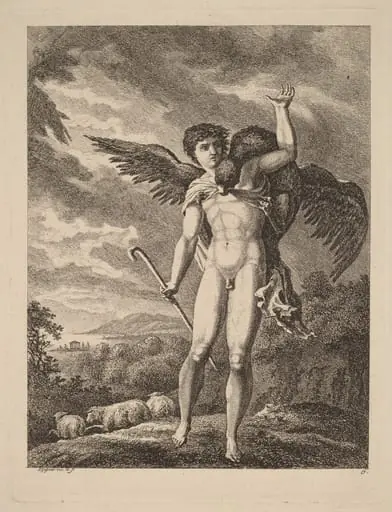
Apollo is portrayed as the god of music and light, holding a lyre and crowned with laurel leaves. The imagery draws from classical mythology, associating him with poetic inspiration and divine order. The laurel wreath, a symbol of victory and artistic achievement, reinforces his role as patron of the arts in ancient belief systems.
Technique & Style
The image is rendered in fine, controlled etching lines that suggest a drawn quality rather than a heavily inked surface. The crispness of the contours and delicate shading reflect Caylus’s skill in capturing form with minimal strokes. The composition is balanced and uncluttered, emphasizing clarity over dramatic effect, typical of early 18th-century academic printmaking.
History & Provenance
Caylus produced this print during a period when antiquarianism influenced European art. As a collector of ancient coins and medals, he often translated classical motifs into prints for scholarly and aristocratic audiences. The work likely circulated among connoisseurs, serving both aesthetic and intellectual purposes in private collections.
Context
In the early 1700s, etchings were a primary means of disseminating imagery beyond paintings and sculptures. Caylus’s work aligns with a broader revival of classical themes in French art, supported by institutions and collectors interested in antiquity. His prints bridged scholarly interest and artistic production, making mythological subjects accessible to a literate elite.
Legacy
Caylus’s etchings, including this depiction of Apollo, remain part of institutional collections such as the National Gallery of Art in Washington. They offer insight into how classical mythology was visually interpreted in the Enlightenment era. His approach influenced later printmakers who sought to merge antiquarian study with artistic representation.
Artist & collection

Artist
Anne-Claude-Philippe de Tubières, comte de Caylus
Caylus, Anne-Claude-Philippe de Tubières, comte de (1692–1765) was an artist.