Artwork
Ennio Quirino Visconti
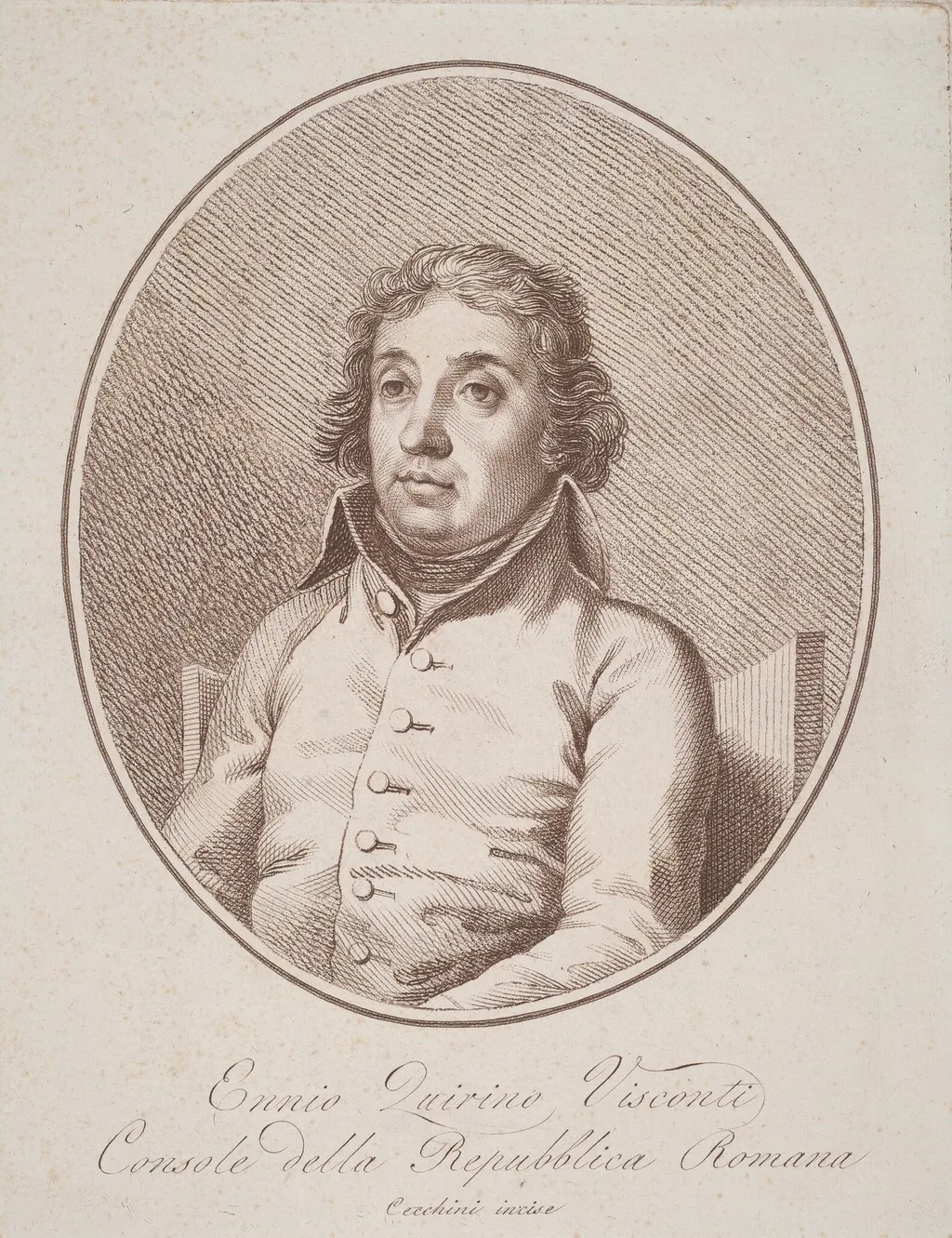
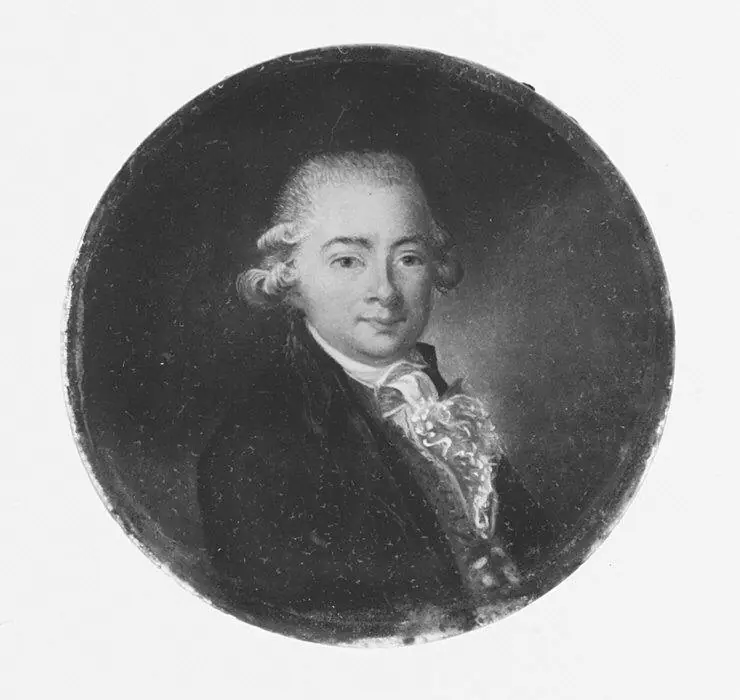
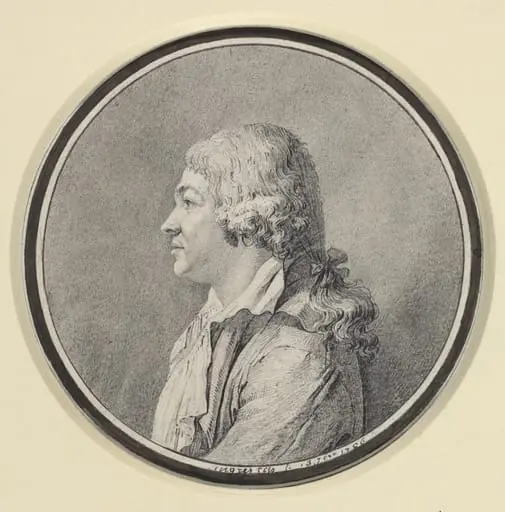
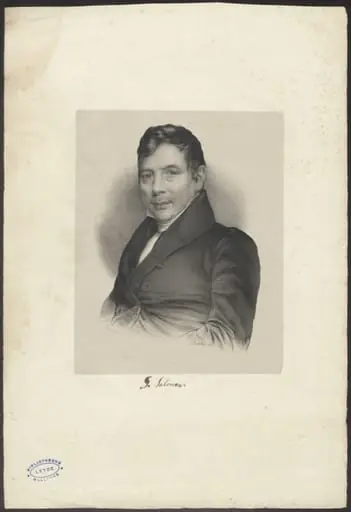
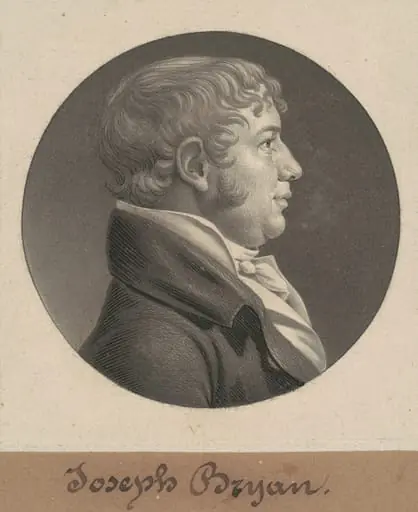
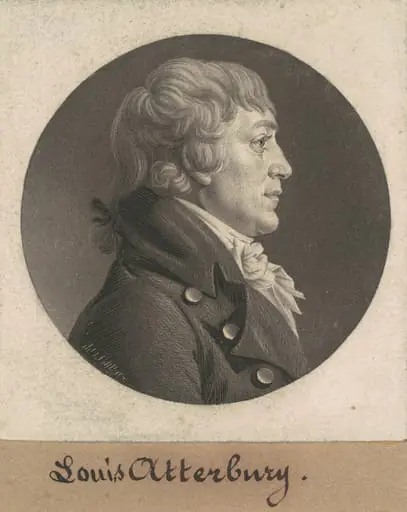
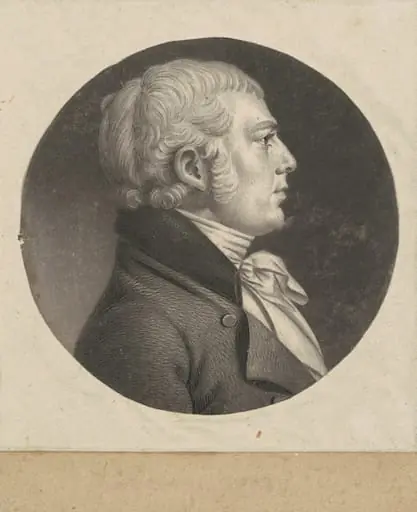
Ennio Quirino Visconti is an ink print by the Romanticist artist Francesco Cecchini. It dates from 1794 and is held in the collection of the National Gallery of Art.
About this work
Overview
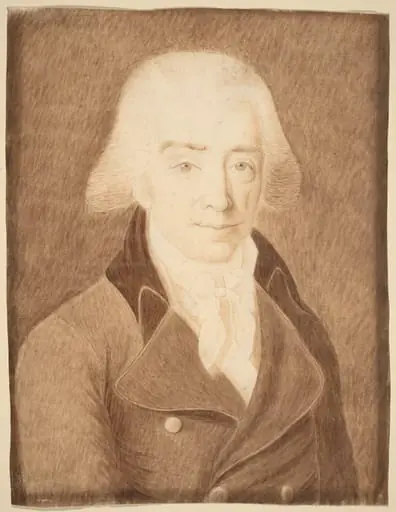
The image captures the scholar in a high‑collared jacket with three visible buttons, his short wavy hair brushed forward and his gaze directed straight ahead.
Francesco Cecchini’s print, executed around 1794, presents a black‑and‑white portrait of Ennio Quirino Visconti framed within a circular border. The image captures the scholar in a high‑collared jacket with three visible buttons, his short wavy hair brushed forward and his gaze directed straight ahead. The composition is signed by Cecchini and bears an inscription naming Visconti and noting his status as consul.
Subject & Meaning
The sitter, Ennio Quirino Visconti, was a noted antiquarian and public official in late‑18th‑century Italy. By portraying him in a formal, frontal pose, the etching emphasizes his scholarly authority and civic role. The serious expression and restrained attire reflect the Enlightenment ideals of rationality and public service associated with his career.
Technique & Style
Cecchini employed a combination of burin engraving and stipple shading to render fine details and tonal variation. The burin creates crisp line work for the facial features and clothing, while stippling builds subtle gradations of light across the skin and background, producing a nuanced, monochrome portrait typical of late‑18th‑century printmaking.
History & Provenance
Created circa 1794, the print likely served as a commemorative image for Visconti’s contemporaries, possibly distributed among scholarly circles. The work bears both the sitter’s name and the artist’s signature, indicating a direct commission or mutual respect between the antiquarian and the printmaker. Its survival in museum collections suggests it was valued as a documentary portrait of a prominent intellectual.
Artist & collection