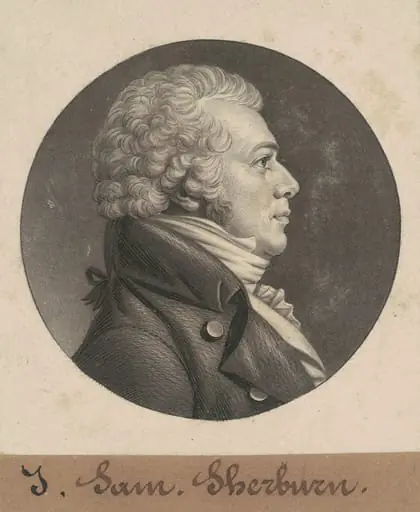
Artwork
Jesse Barker
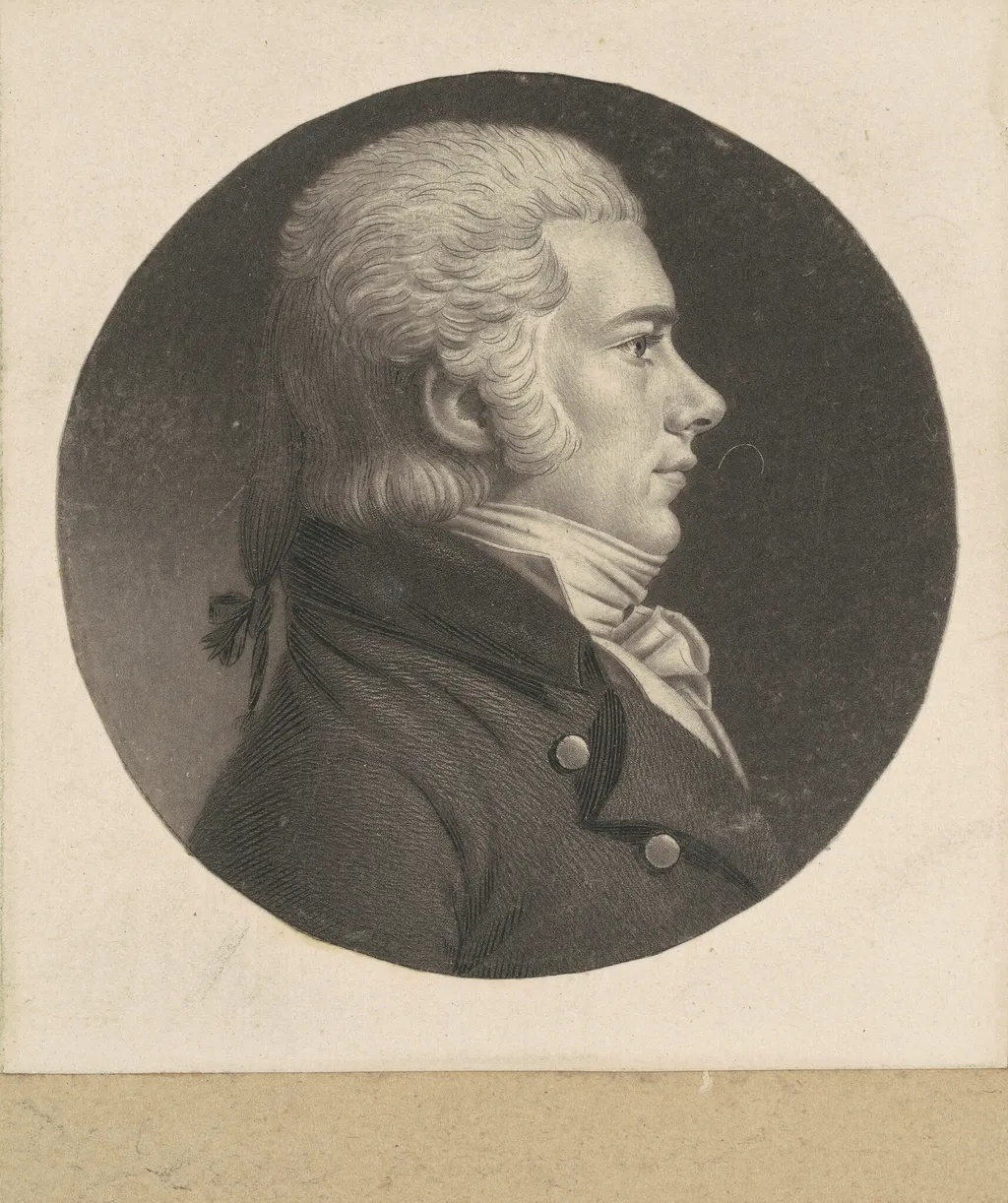
Jesse Barker is an ink print by the Romanticist artist Charles Balthazar Julien Févret de Saint-Mémin. It dates from 1800 and is held in the collection of the National Gallery of Art. Charles B.
About this work
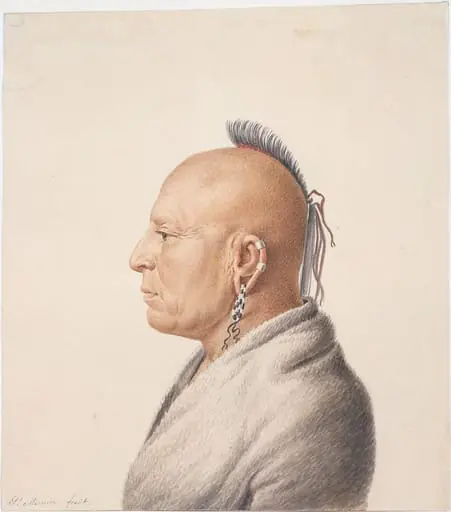
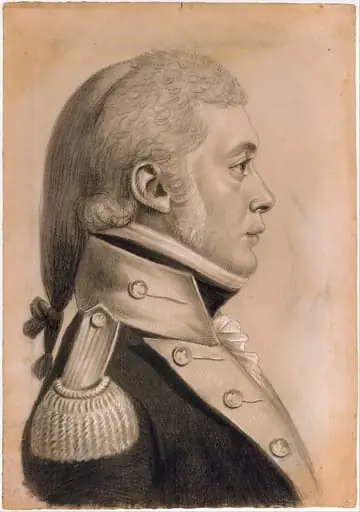
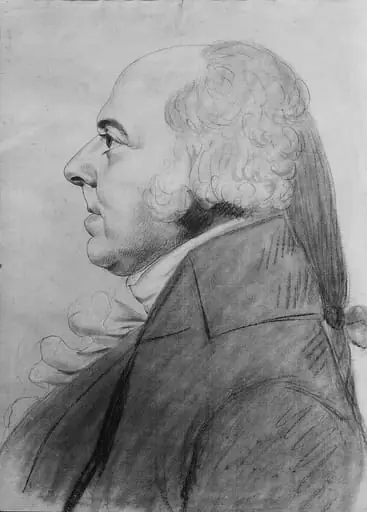
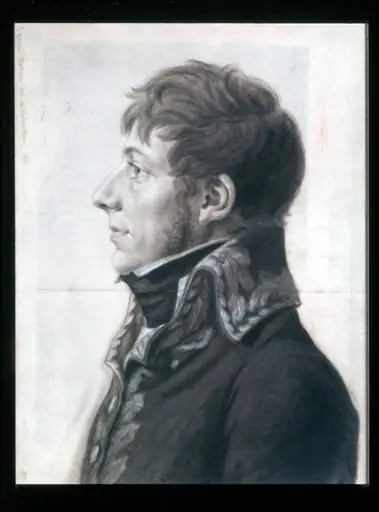
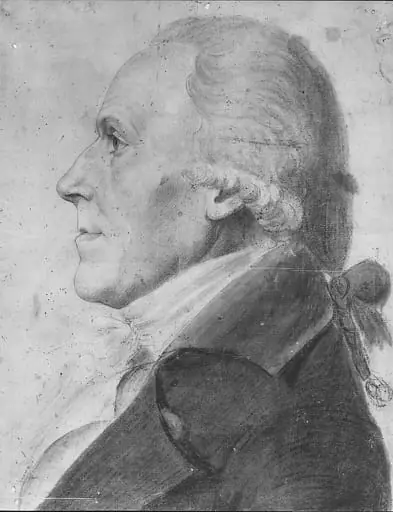
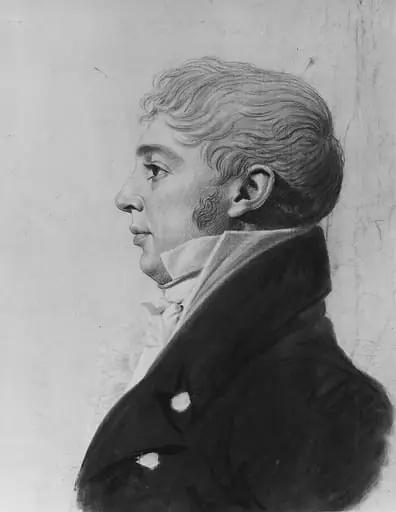
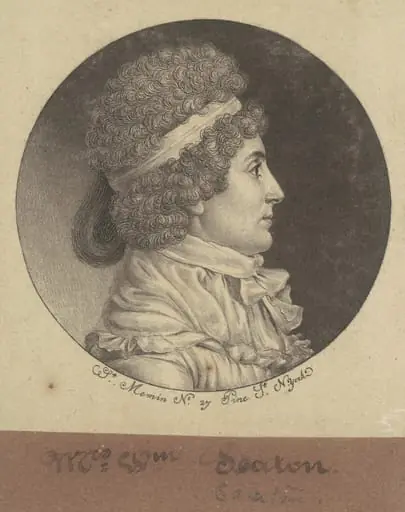
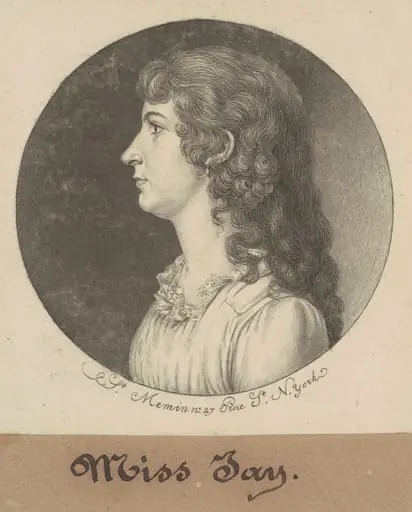
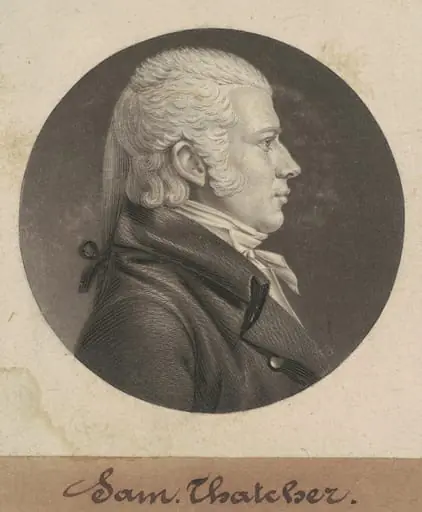
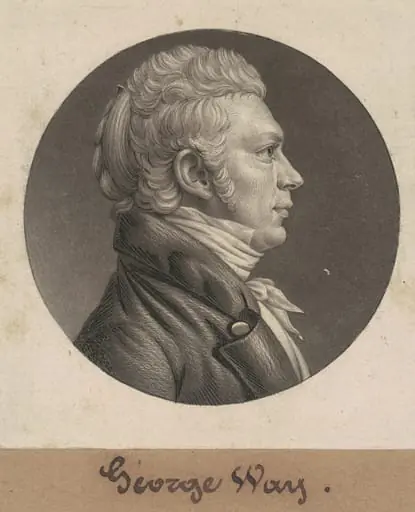
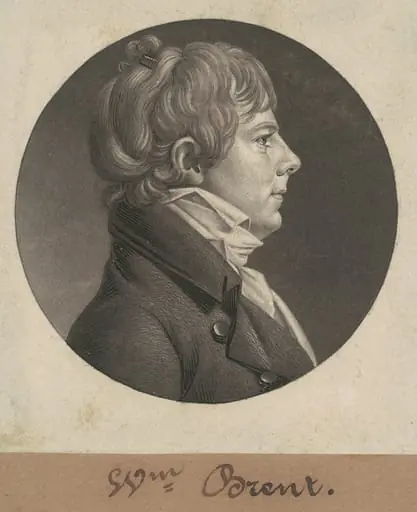
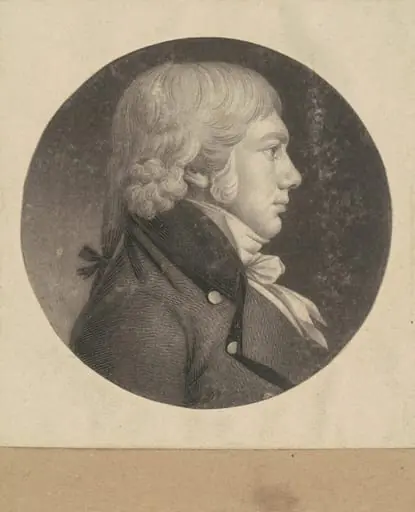
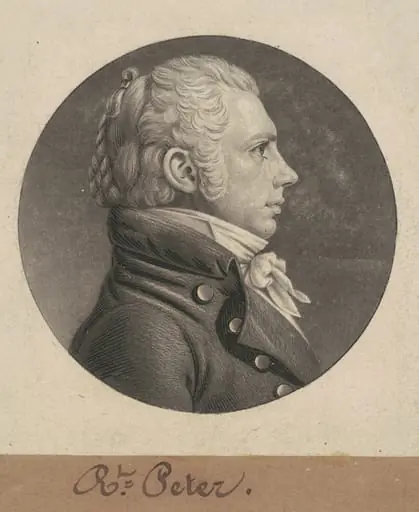
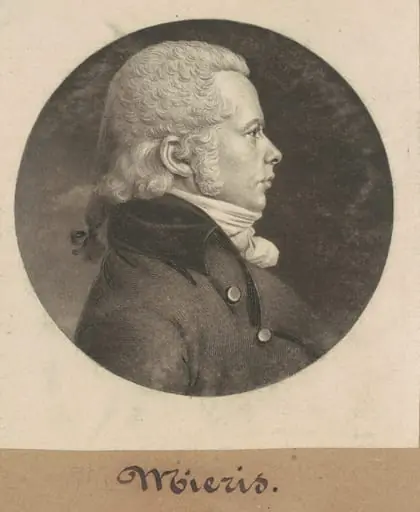
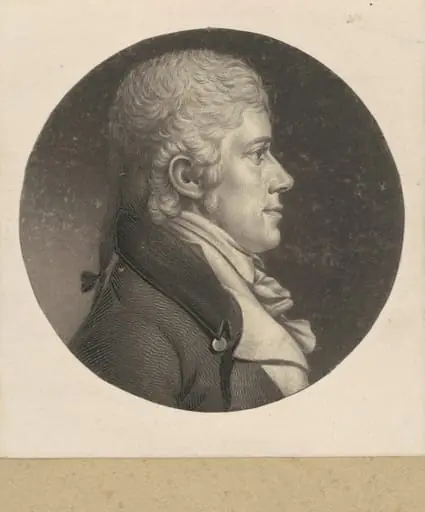
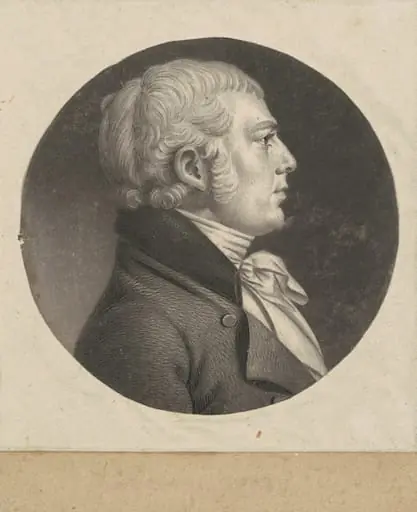
You see a profile of a man in this portrait.
This portrait is interesting because it was made during the late 18th century, a time of significant change in America. The subject, Jesse Barker, is shown in a simple yet detailed way, which was typical of portraits from this time.
Look up the work of artist Saint-Mémin, Charles B. J. Févret de, to see more portraits like this.
Overview
Charles B. J. Févret de Saint‑Mémin’s print titled *Jesse Barker* is a black‑and‑white portrait executed in mezzotint and engraving on wove paper, later mounted on a brown wove backing. The image presents a single, left‑facing profile of the sitter, rendered with the fine tonal gradations characteristic of late‑eighteenth‑century printmaking.
Subject & Meaning
The work portrays Jesse Barker, a man whose identity aligns with the era of Thomas Jefferson’s early presidency. The straightforward, unadorned rendering reflects the period’s preference for modest, dignified representation of individuals, emphasizing character over elaborate ornamentation.
Technique & Style
Saint‑Mémin combined mezzotint—a method that produces rich, velvety shadows—with precise engraving lines to achieve both depth and clarity. The use of wove paper, a smoother alternative to laid paper, allows subtle tonal transitions, while the mounting on a darker sheet adds visual contrast without altering the original surface.
History & Provenance
Created in the late 1700s, the print belongs to a series of portraiture that Saint‑Mémin produced for American patrons during his visit to the United States. Its survival on original paper suggests careful handling, and it likely passed through private collections before entering a public repository.
Context
The portrait emerges from a time of political transformation in the new republic, when portrait prints served both as personal mementos and as symbols of emerging national identity. Saint‑Mémin’s technique offered an affordable yet high‑quality means of disseminating likenesses of notable citizens.
Artist & collection

Artist
Charles Balthazar Julien Févret de Saint-Mémin
Charles Balthazar Julien Févret de Saint-Mémin (French pronunciation: ; 1770–1852) was a French portrait painter and museum director.