Artwork
Adoration of the Shepherds
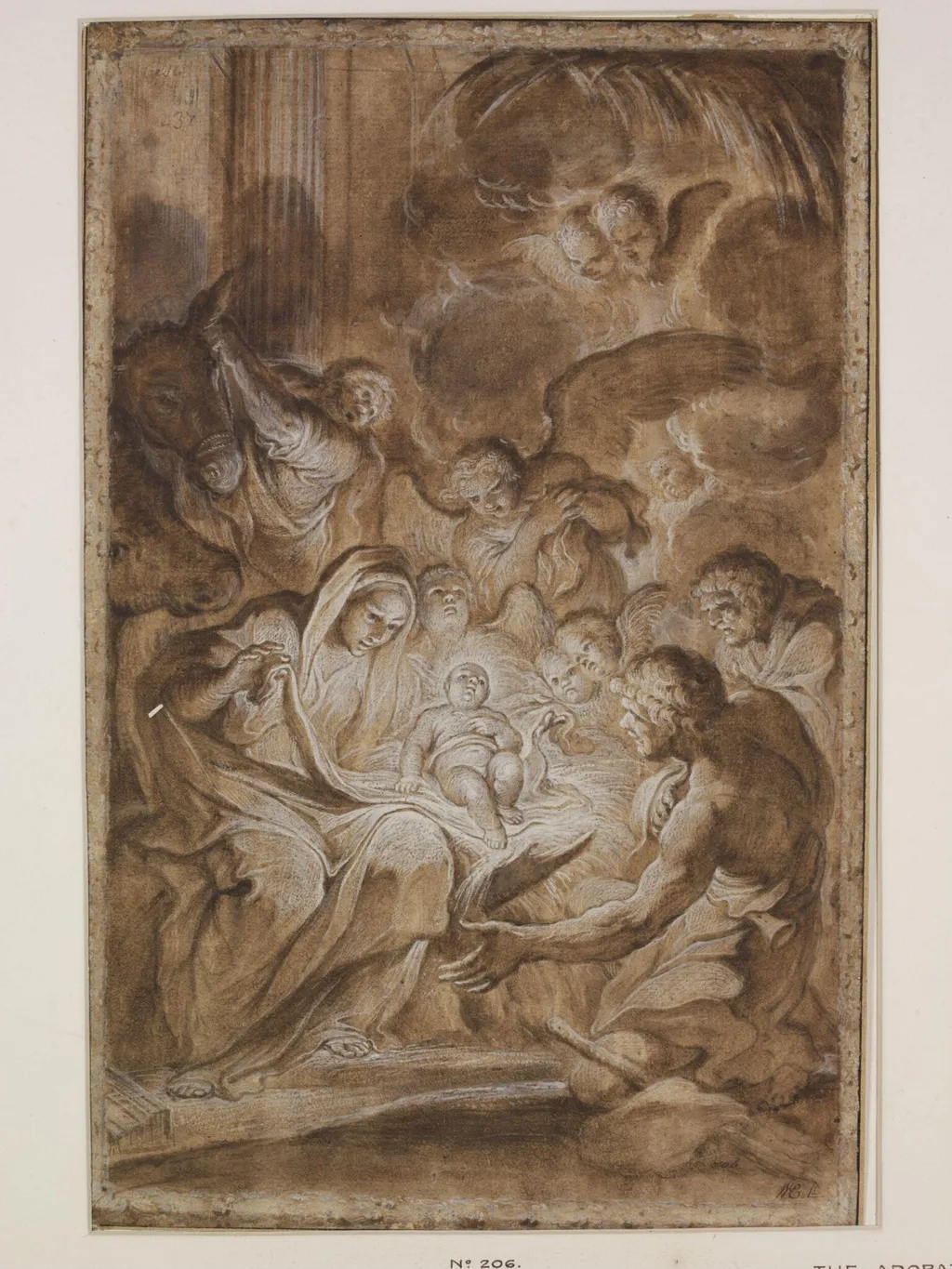
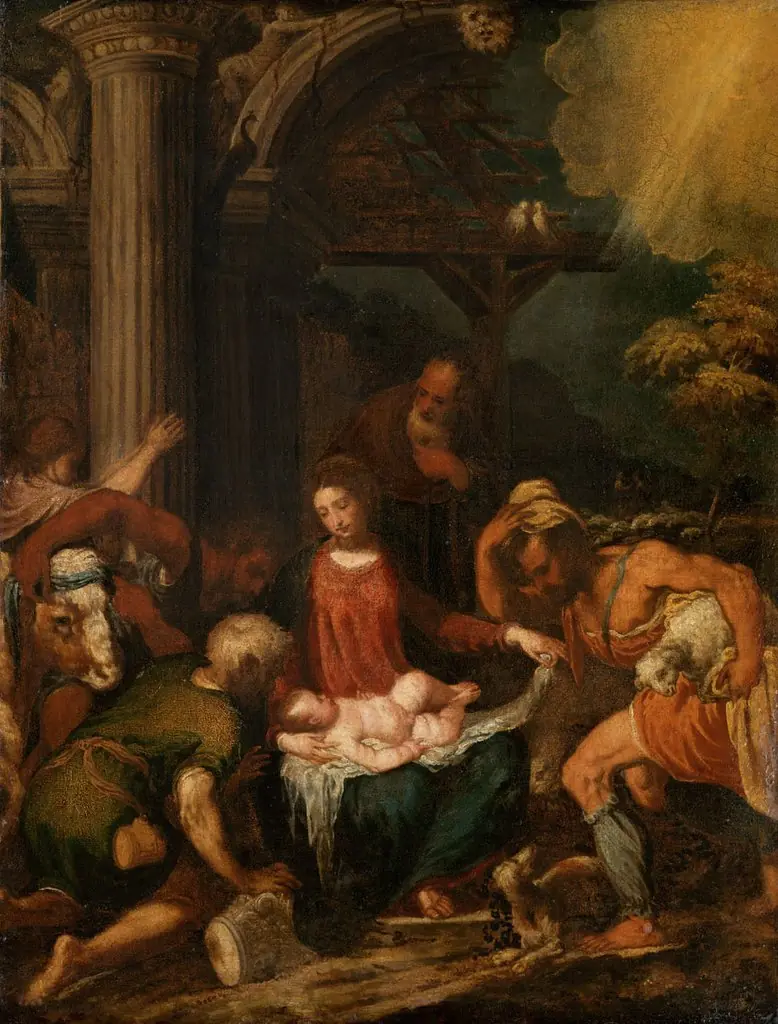
Adoration of the Shepherds is a drawing by the Baroque artist Carlo Cesi. It dates from 1640 and is held in the collection of the Victoria and Albert Museum.
About this work
Overview
Created in 1640 by Carlo Cesi, this drawing served as a preparatory study for an engraving by Guillaume Vallet. Executed in bistre ink with selective white heightening, it features a carefully composed scene framed by a border. The work reflects the collaborative nature of print production in the mid-seventeenth century, where drawings were often adapted for reproductive engraving.
Subject & Meaning
The scene depicts shepherds gathered around the infant Christ, who lies swaddled on the ground, illuminated by a subtle halo. Figures react with quiet reverence, some holding cloths or books, while angels hover above in the clouds. The emphasis on human response to the divine, rather than grandeur, aligns with devotional traditions of the period, focusing on humility and witness.
Technique & Style
White gouache highlights accentuate folds of fabric, facial features, and the luminous aura around the child.
Cesi rendered the composition with fine, controlled lines and layered bistre washes to model form and depth. White gouache highlights accentuate folds of fabric, facial features, and the luminous aura around the child. The meticulous attention to texture and anatomical detail reveals a mastery of chiaroscuro, characteristic of Baroque draftsmanship aimed at translating three-dimensionality onto paper.
History & Provenance
The drawing was made specifically to guide Guillaume Vallet’s engraving, with the image reversed to accommodate the printing process. Its survival suggests it was valued beyond its utilitarian purpose, possibly retained by the artist or printer. No definitive provenance before the modern era is documented, though its technical precision indicates it was produced within a professional workshop context.
Context
In mid-seventeenth-century Italy, drawings like this were essential intermediaries between artistic vision and printed dissemination. Cesi’s work reflects the influence of Roman naturalism and the Counter-Reformation’s emphasis on accessible religious imagery. The focus on intimate, humanized sacred moments aligns with trends promoted by the Church to deepen personal devotion.
Legacy
Though not widely exhibited, the drawing exemplifies the role of preparatory studies in print culture. Its survival offers insight into the collaborative process between draftsmen and engravers, highlighting how artistic ideas were refined and translated across media. It remains a quiet testament to the precision and devotional intent of Baroque graphic art.
Artist & collection
Artist
Carlo Cesi drew religious scenes in the 17th century, blending crisp outlines with soft shading.

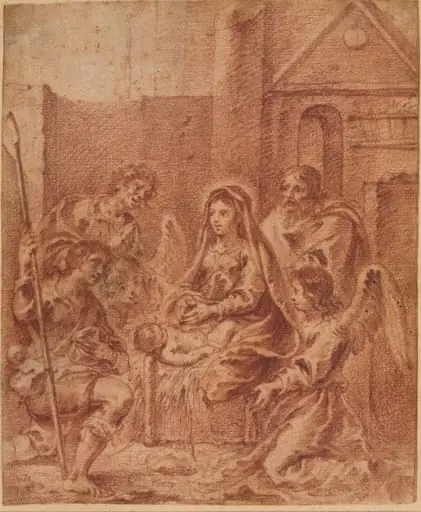 Adoration of the Shepherds
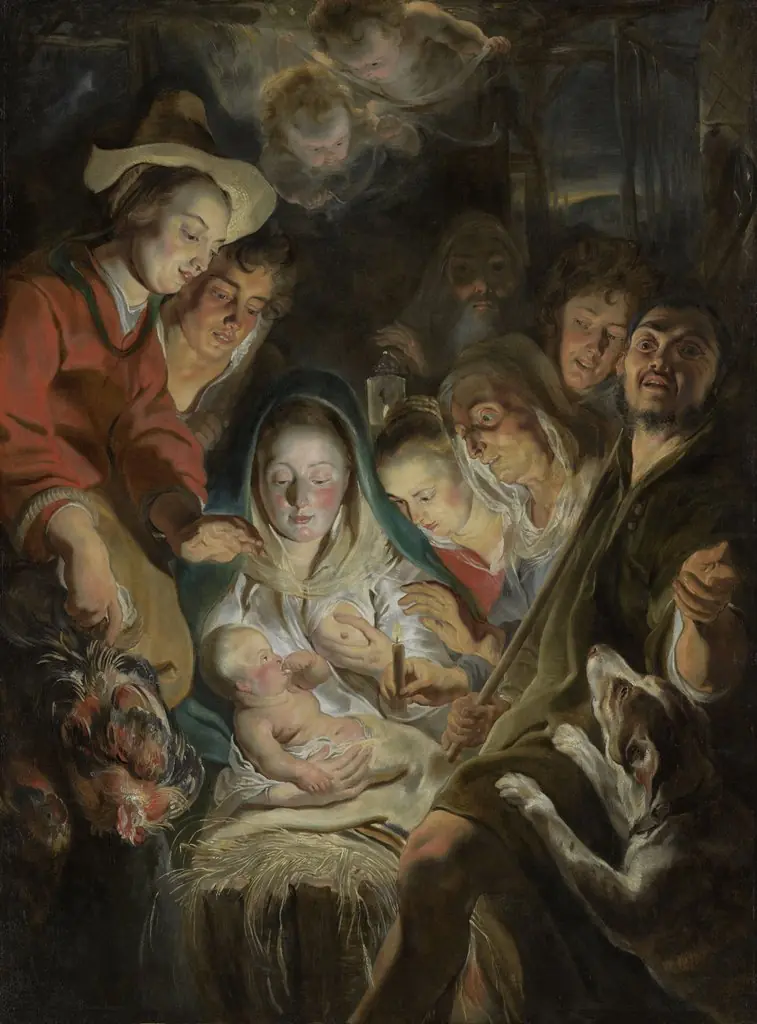 Adoration of the Shepherds
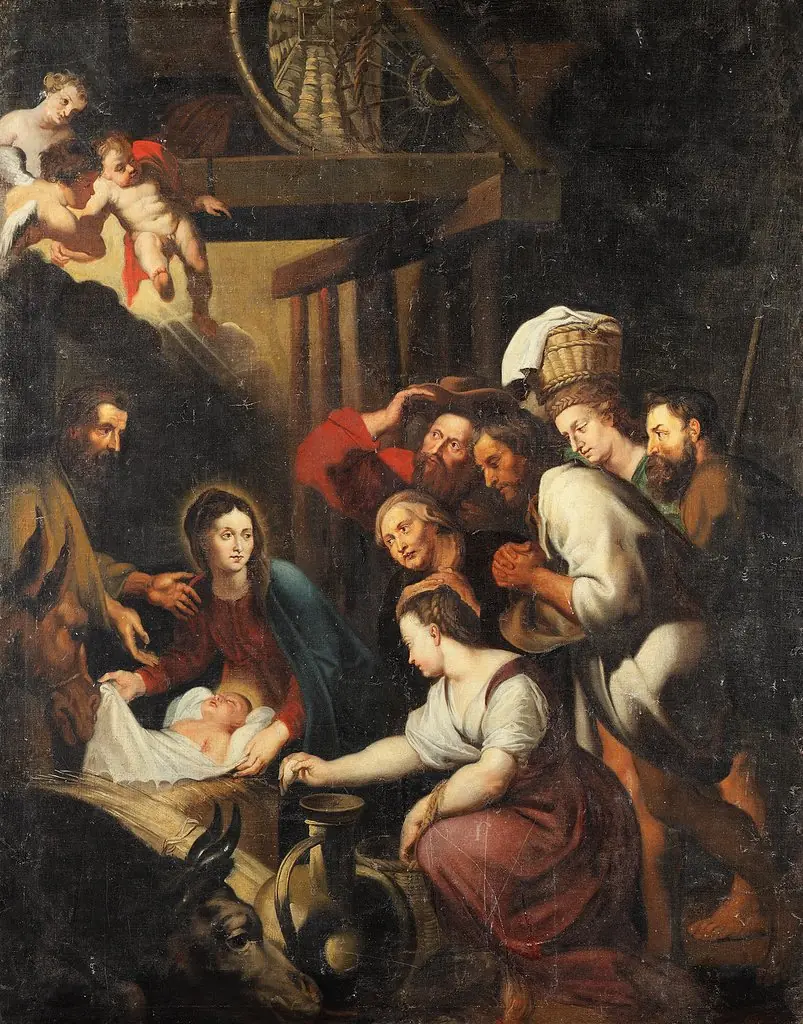 Adoration of the Shepherds
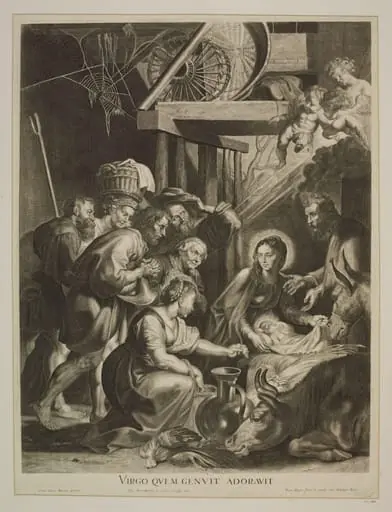 Adoration of the Shepherds
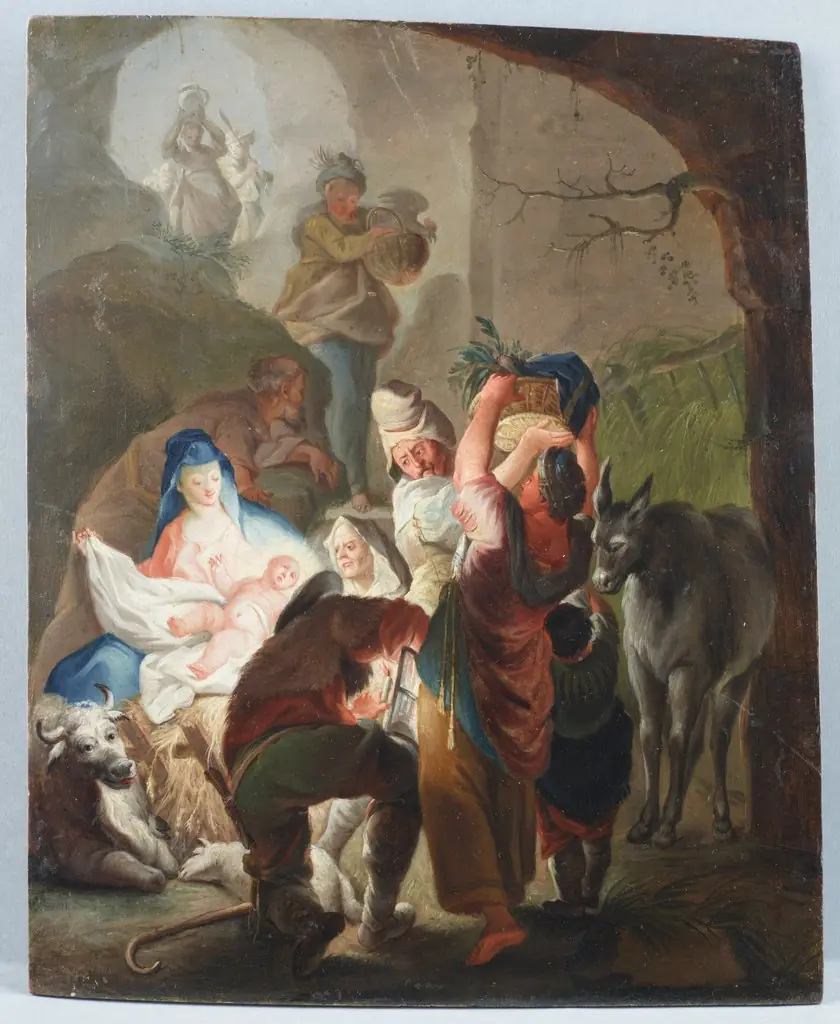 Adoration of the Shepherds
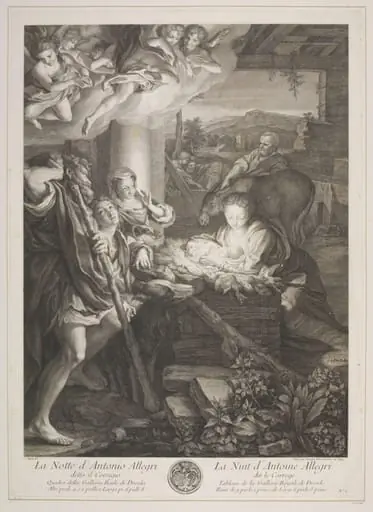 The Nativity
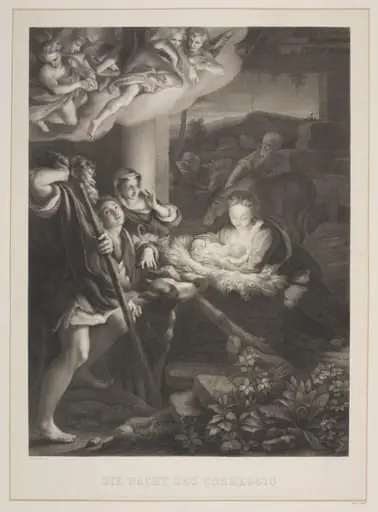 The Adoration of the Shepherds
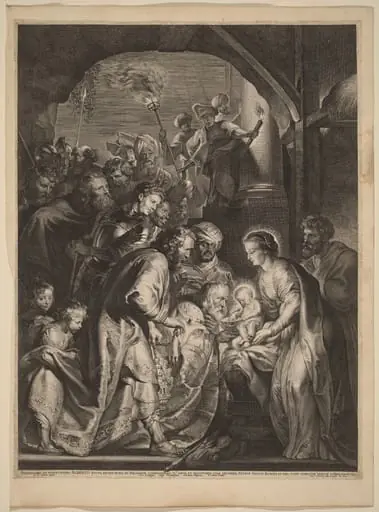 The Adoration of the Magi
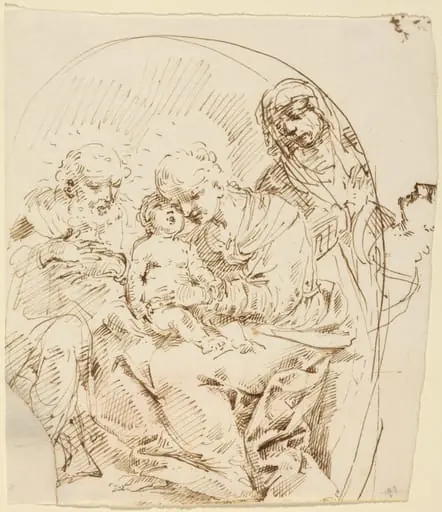 Holy Family with Saint Anne and Female Head in Profile
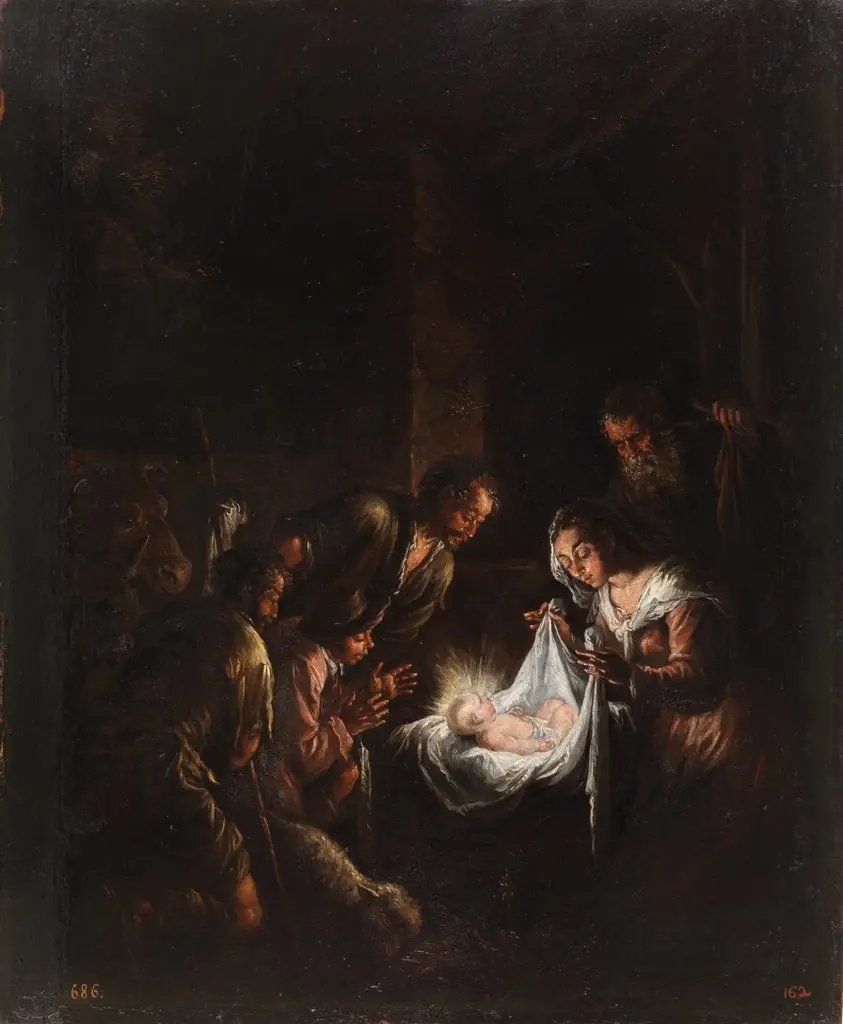 Adoration of the Shepherds
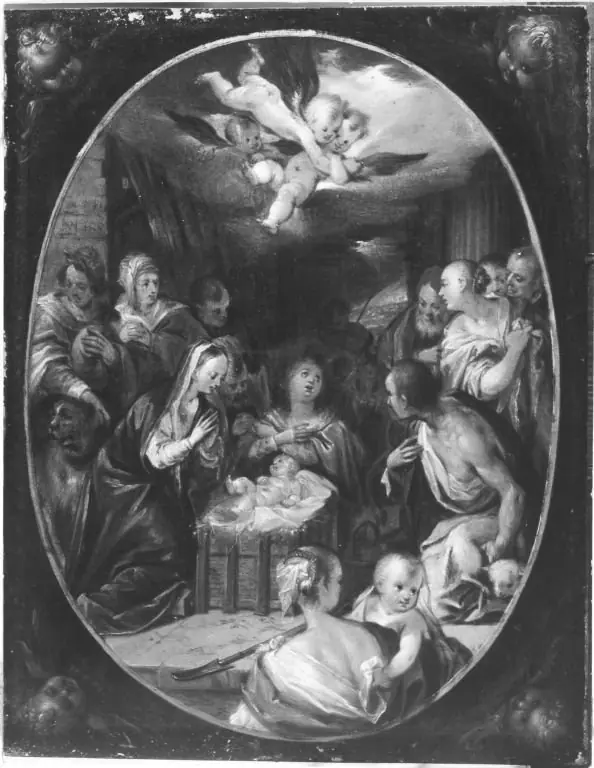 Anbetung der Hirten
 Adoration of the Shepherds