Artwork
The Adoration of the Magi
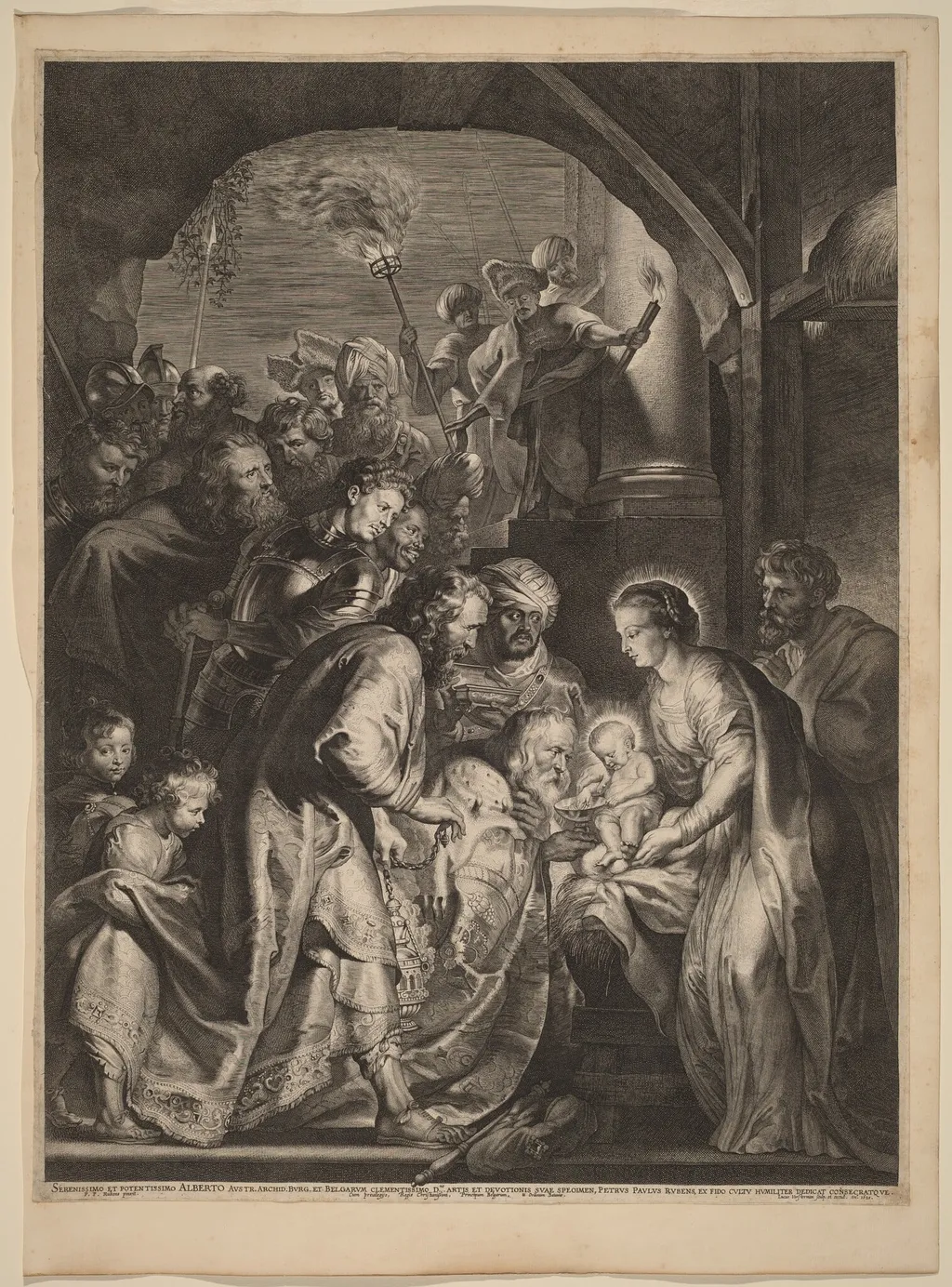
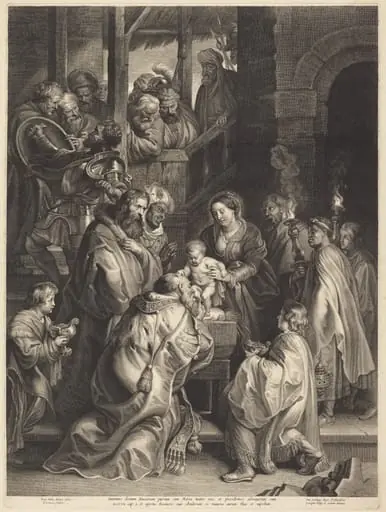
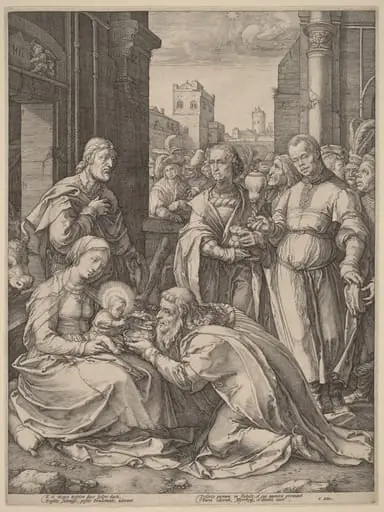
The Adoration of the Magi is an ink print by the Baroque artist Lucas Emil Vorsterman. It dates from 1620 and is held in the collection of the National Gallery of Art.
About this work
Overview
Created in 1620, this engraving by Lucas Emil Vorsterman depicts the biblical moment of the Magi paying homage to the infant Jesus.
Created in 1620, this engraving by Lucas Emil Vorsterman depicts the biblical moment of the Magi paying homage to the infant Jesus. Executed in fine line on laid paper, the work belongs to the printmaking tradition of early 17th-century Northern Europe. Unlike painted compositions, its imagery was incised into a metal plate, allowing multiple impressions to be made. The scene is densely populated, with figures arranged in a hierarchical yet dynamic grouping around the central mother and child.
Subject & Meaning
The scene illustrates the arrival of the Three Kings, as described in the Gospel of Matthew, who bring gifts to the newborn Christ. One figure kneels in reverence, offering a ceremonial object, while others observe or gesture toward the central group. The inclusion of varied attire—elaborate armor, ornate headwear, and humble garments—suggests a universal recognition of the child’s significance, transcending social rank and cultural origin.
Technique & Style
Vorsterman employed precise engraving tools to carve fine, controlled lines into a copper plate, creating tonal depth through cross-hatching and stippling. The textures of fabric, metal armor, and architectural elements are rendered with meticulous detail, emphasizing materiality through contrast and line weight. The composition channels the clarity and spatial organization typical of Northern Renaissance printmaking, balancing narrative complexity with structural order.
History & Provenance
The print was made during Vorsterman’s time in Antwerp, where he worked closely with Peter Paul Rubens, often translating the master’s designs into engraved form. This piece likely originated as part of a series or commission tied to religious imagery popular in Counter-Reformation Europe. Surviving impressions are held in major print collections, reflecting its circulation among collectors and clergy in the 17th century.
Context
In early 17th-century Flanders, religious subjects dominated print production, serving both devotional and educational purposes. Engravings like this allowed widespread access to biblical narratives, especially in regions where large-scale altarpieces were inaccessible. Vorsterman’s work reflects the broader trend of artists adapting painted compositions into reproducible formats, aligning with the Church’s emphasis on visual piety during the Counter-Reformation.
Legacy
Though not widely attributed to Vorsterman today, this engraving exemplifies the technical precision and narrative clarity valued in early modern printmaking. It contributed to the dissemination of Rubensian iconography across Europe and influenced later engravers working in religious and courtly genres. Its survival in institutional collections underscores its role as a document of both artistic practice and religious culture in the Baroque era.
Artist & collection
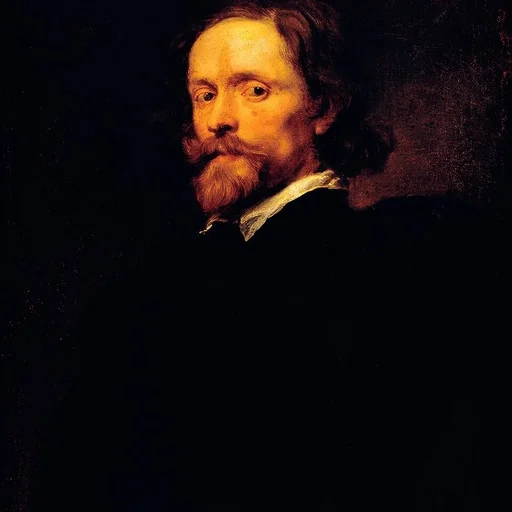
Artist
etching and engraving by Lucas Vorsterman II, NGA 10762), B1977.14.10539 - Yale etc

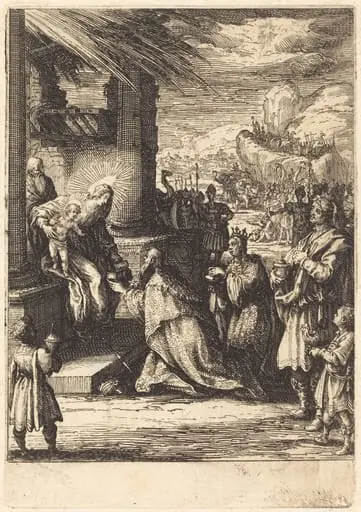 The Adoration of the Magi
 The Adoration of the Magi with Torches
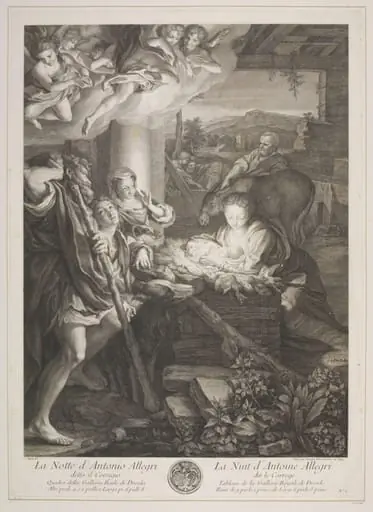 The Nativity
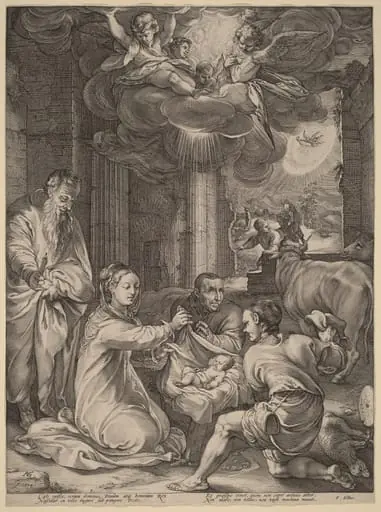 The Adoration of the Shepherds
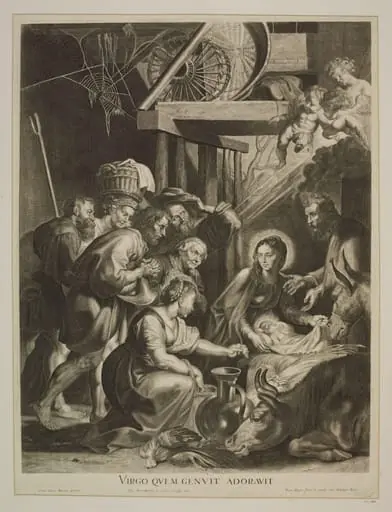 Adoration of the Shepherds
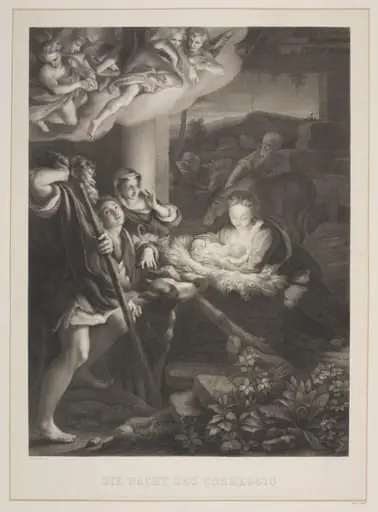 The Adoration of the Shepherds
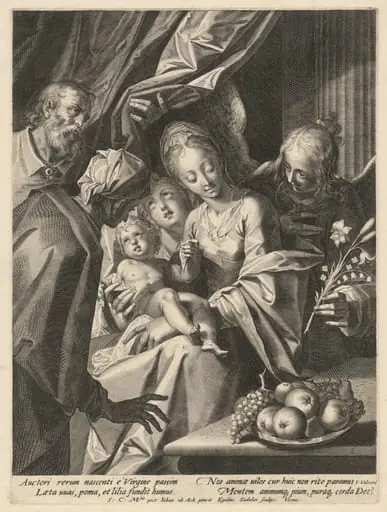 The Holy Family with Saint Anne and Two Angels
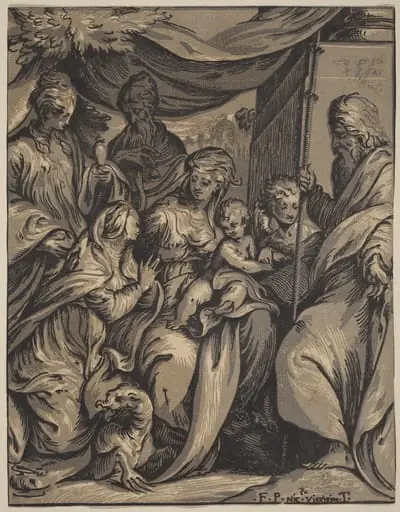 The Virgin and Child with Saints
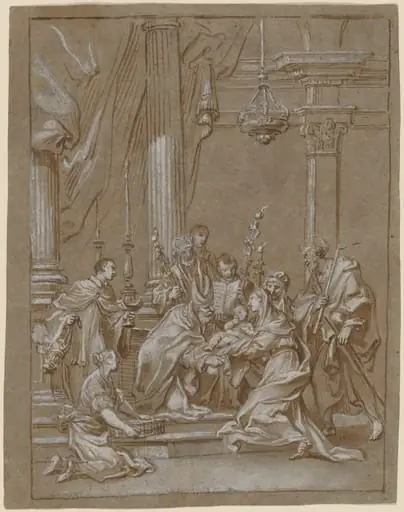 The Presentation in the Temple
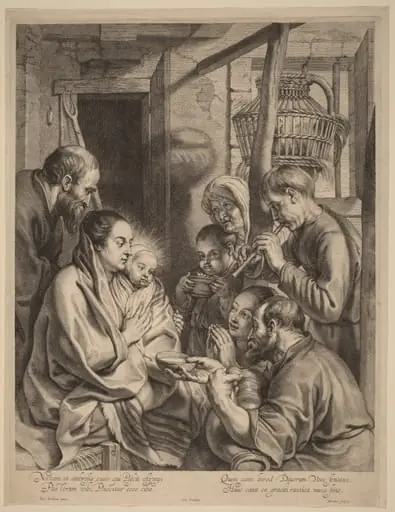 The Adoration of the Shepherds
 The Holy Family with the Goldfinch
 The Adoration of the Magi