Artwork
Adoration of the Shepherds
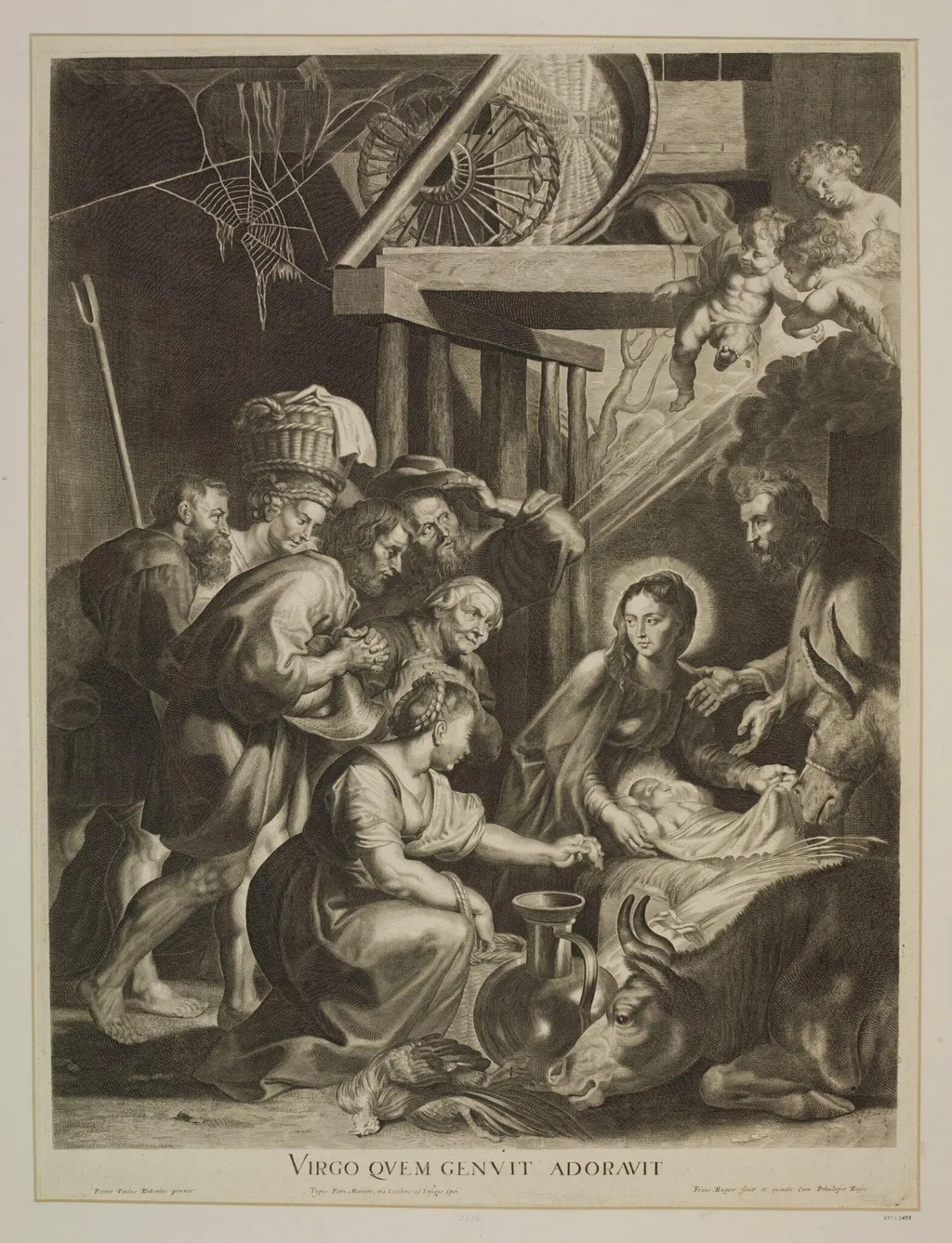
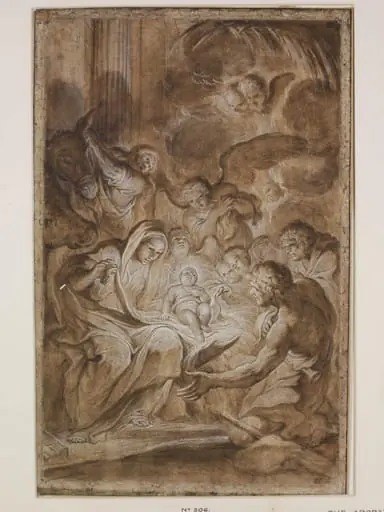
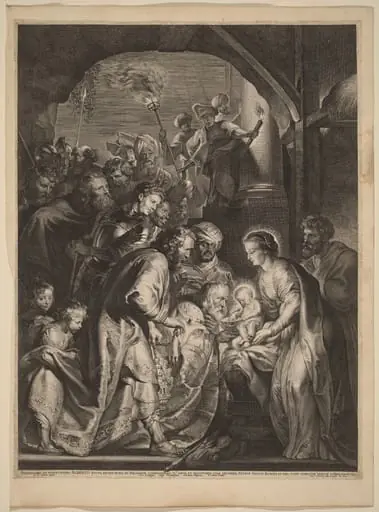
Adoration of the Shepherds is a print by the Baroque artist François Ragot. It dates from 1660 and is held in the collection of the Victoria and Albert Museum.
About this work
Overview
François Ragot’s 1660 print depicts the Adoration of the Shepherds, a biblical scene rendered as a reproductive engraving.
François Ragot’s 1660 print depicts the Adoration of the Shepherds, a biblical scene rendered as a reproductive engraving. It derives from Peter Paul Rubens’s original painting, mediated through Lucas Vorsterman I’s earlier engraving. Executed on paper, the work belongs to a tradition of disseminating major compositions through printmaking, allowing wider access to celebrated religious imagery in the 17th century.
Subject & Meaning
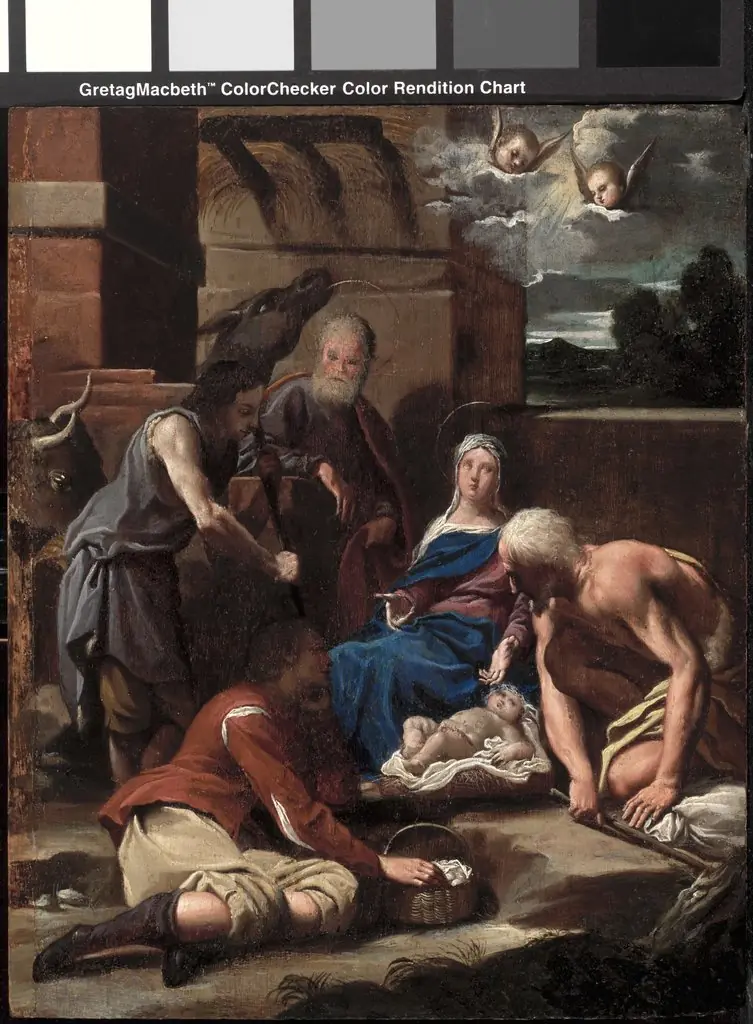
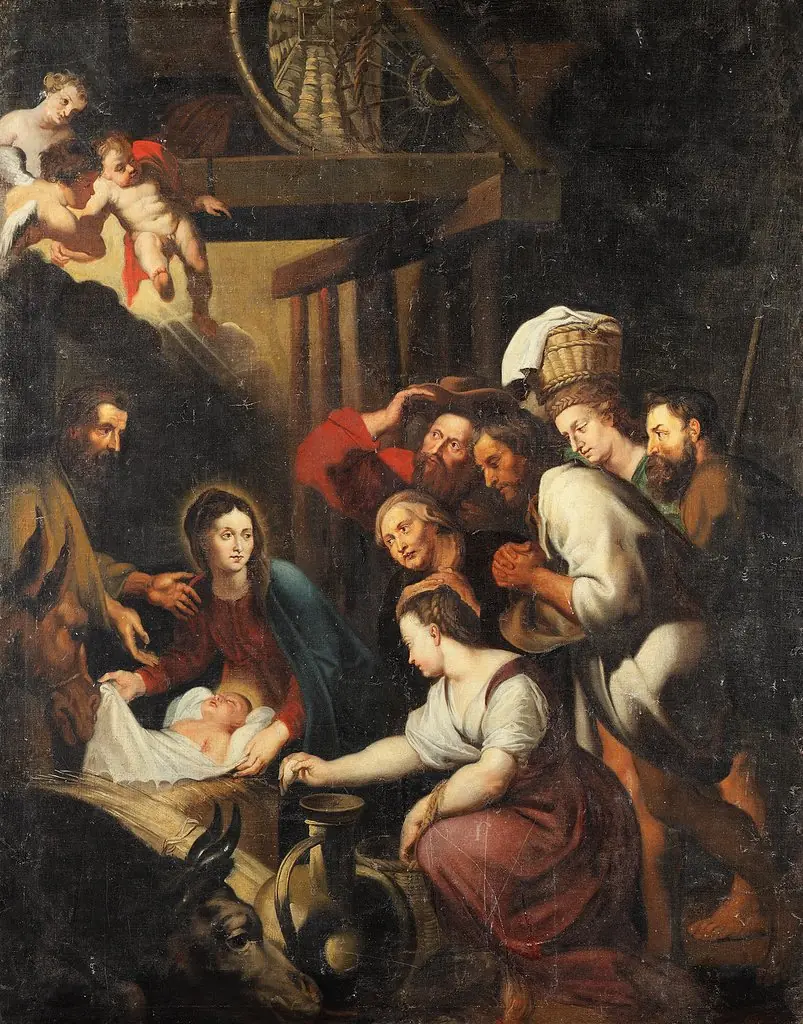
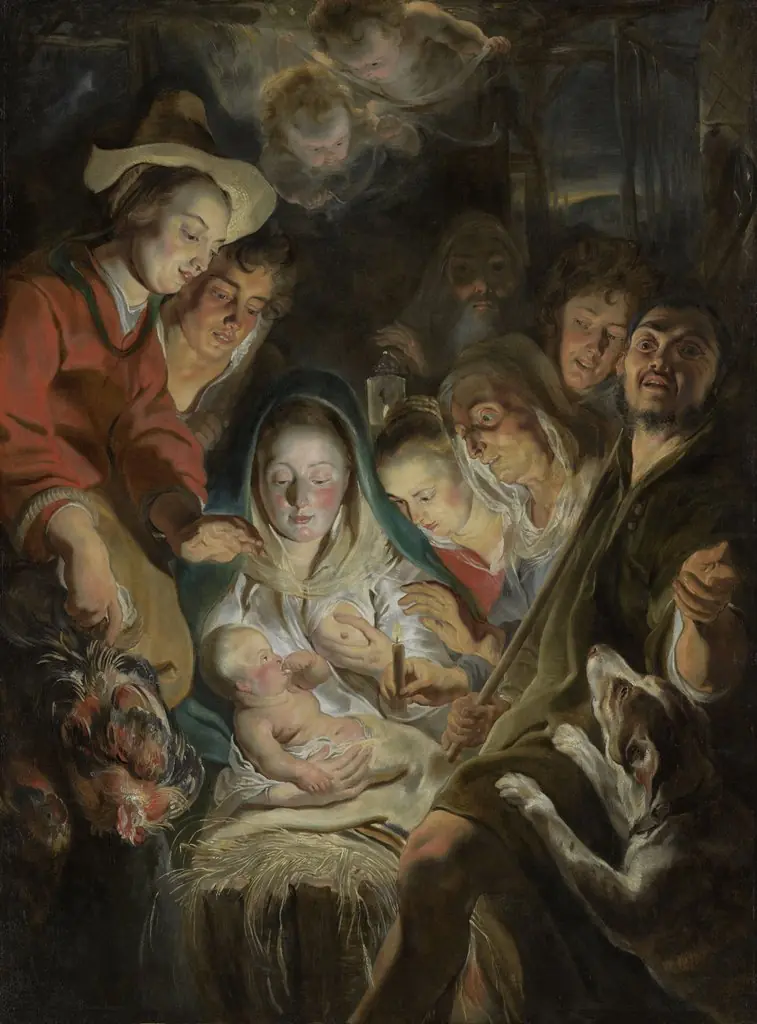
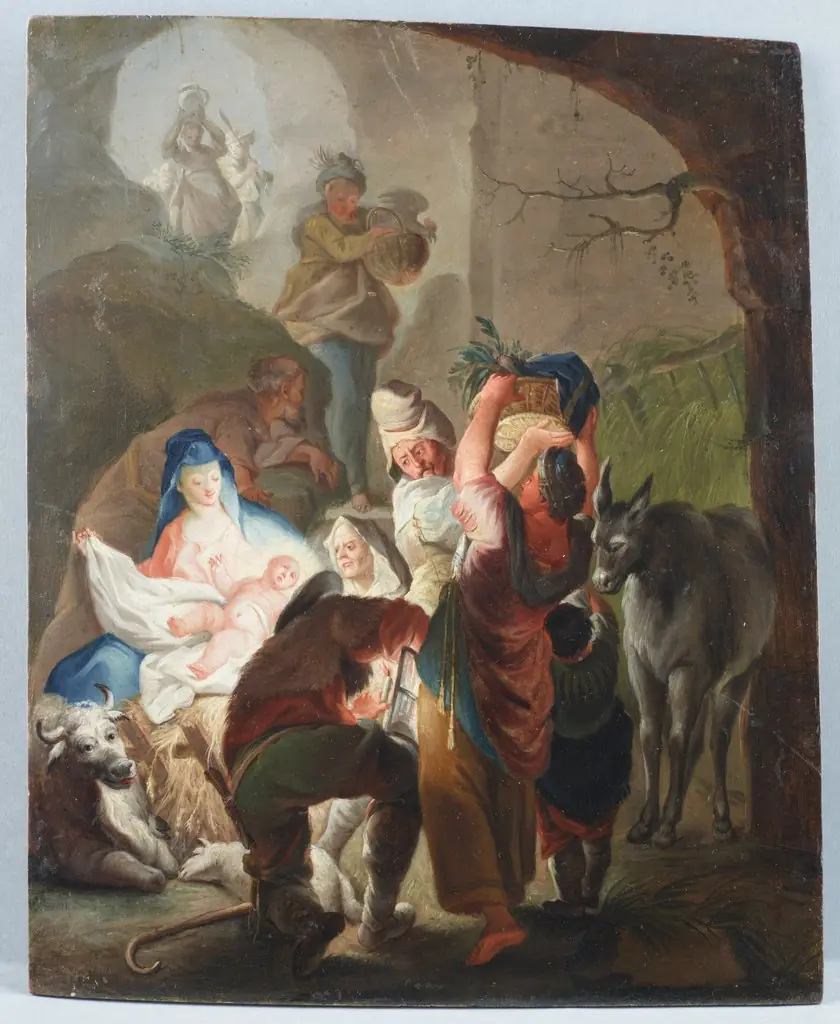
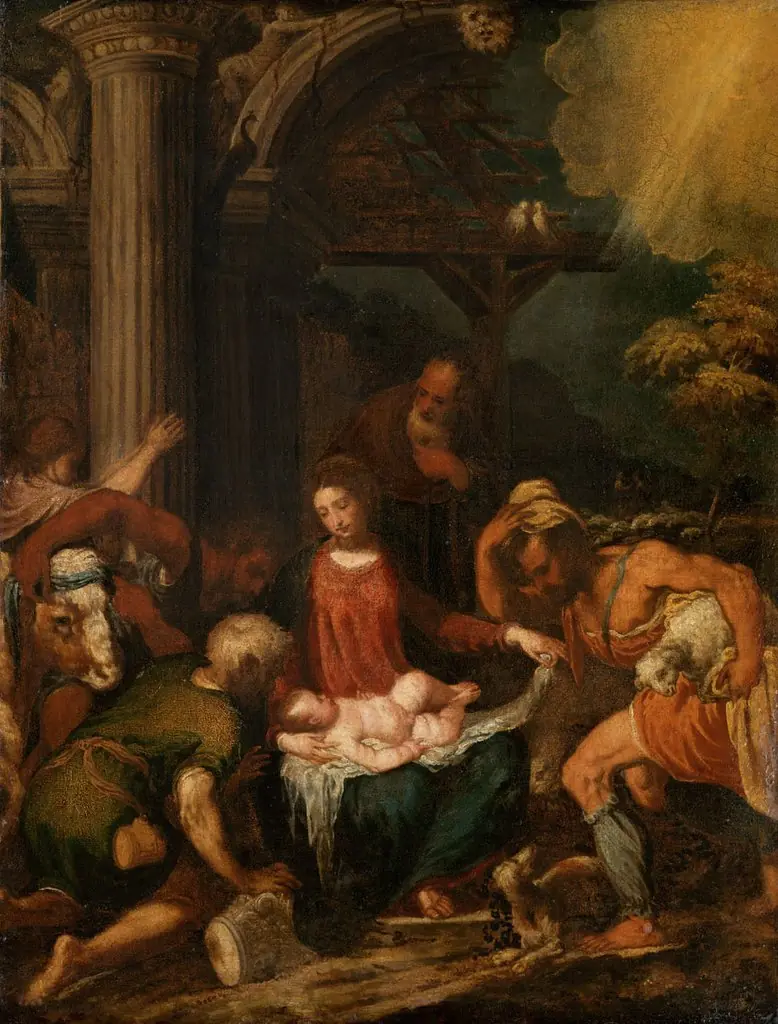
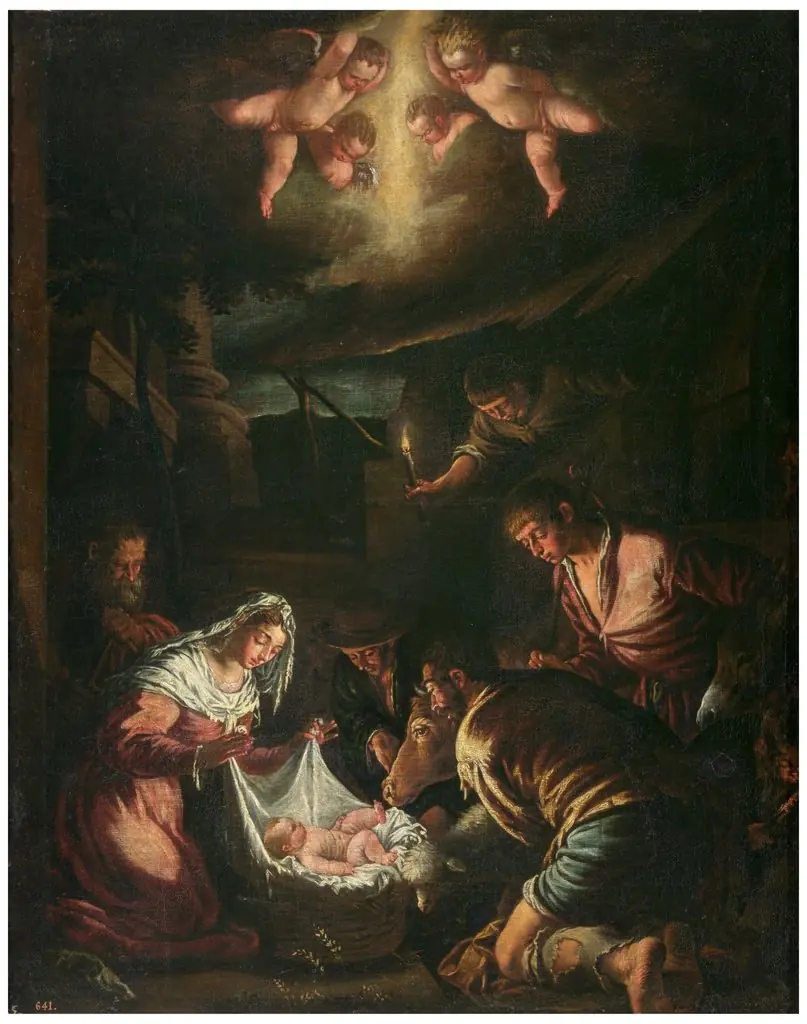
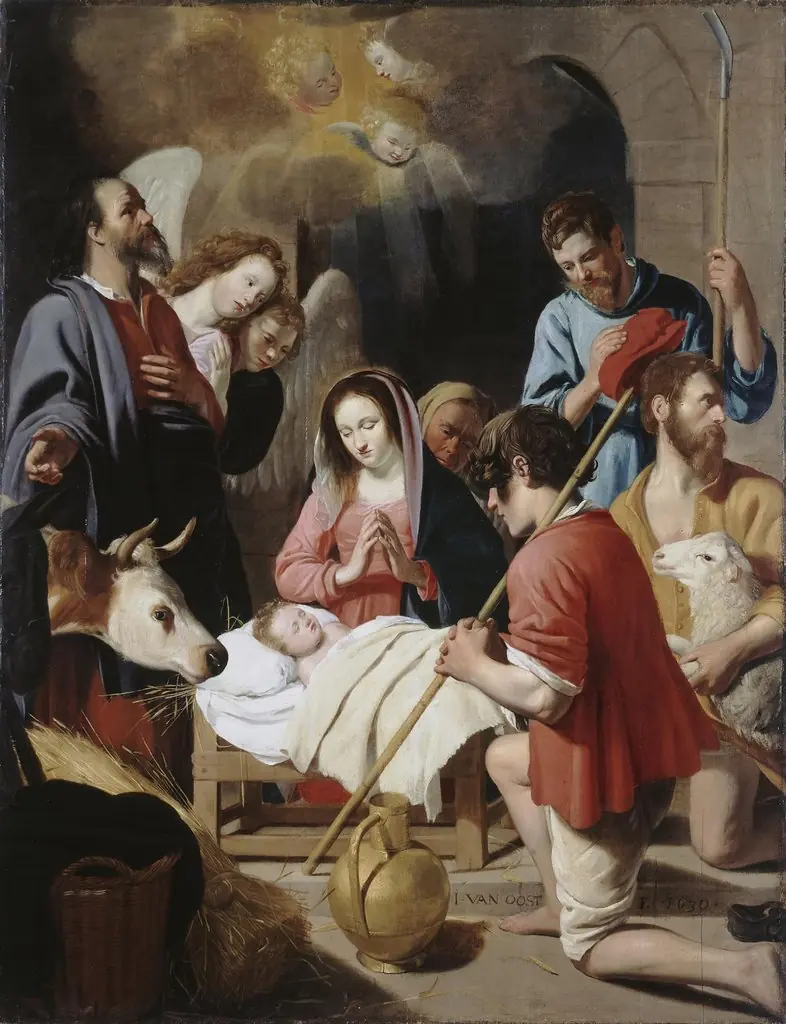
The scene centers on shepherds gathered around the Virgin Mary and the infant Jesus in a humble stable. Figures kneel and stand in varied postures of reverence, while animals rest nearby. Above, cherubs hover near a wooden beam, suggesting divine presence. The Latin inscription, 'Virgo quem genuit adoravit,' reinforces the theme of worship directed toward the newborn Savior, aligning the image with devotional practices of the time.
Technique & Style
Ragot employed chiaroscuro to model forms through stark contrasts of light and shadow, enhancing the three-dimensionality of figures and space. The composition is densely packed, with overlapping bodies and subtle gradations of tone to suggest depth. The engraving technique, likely burin on copper, allowed fine lines to define textures—fabric, skin, and animal hides—while preserving the dramatic lighting of Rubens’s original.
History & Provenance
The print was produced in the mid-17th century as part of a broader circulation of Rubens’s imagery through reproductive prints. Vorsterman’s engraving served as the direct model, and Ragot’s version likely circulated in religious or scholarly circles. No specific early ownership records are documented, but such prints were commonly collected by clergy, nobility, and artists seeking to study compositional techniques.
Context
In 1660, printmaking remained a vital medium for religious instruction and artistic education across Europe. Rubens’s compositions were widely reproduced due to their emotional intensity and compositional clarity. Ragot’s print reflects the continued influence of Flemish Baroque art in France and the role of prints in shaping devotional culture beyond the original paintings’ physical reach.
Legacy
Ragot’s print contributes to the legacy of Rubens’s iconography through its faithful adaptation and technical precision. While not an original invention, it exemplifies how reproductive prints preserved and extended the reach of major artistic statements. Such works helped standardize visual narratives of biblical events in European visual culture for generations.
Artist & collection
Artist
François Ragot made dark, finely etched religious prints in mid-17th-century France.