Artwork
Adoration of the Shepherds
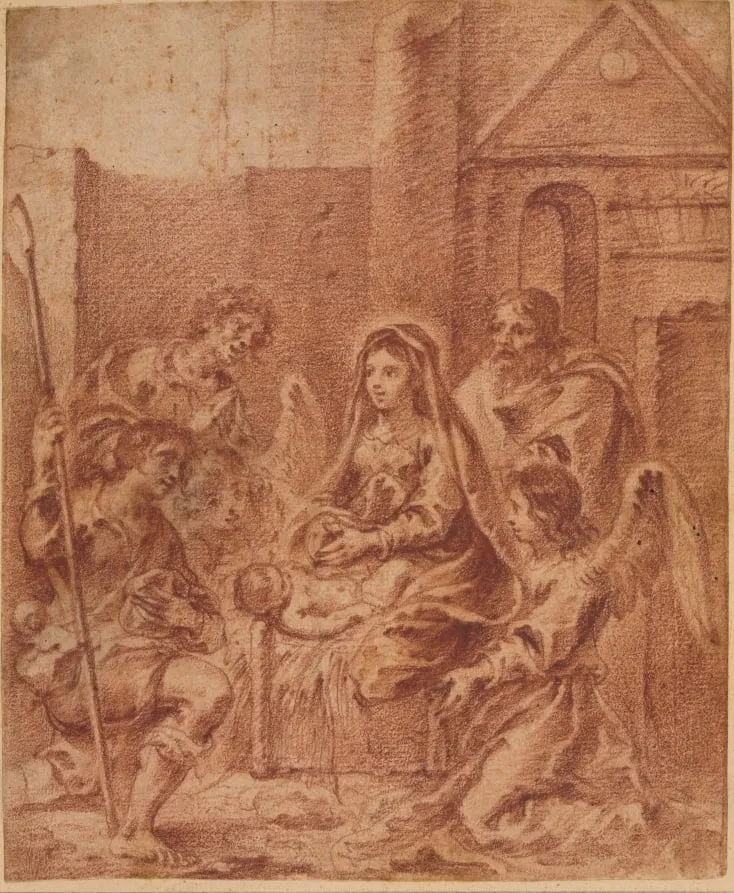
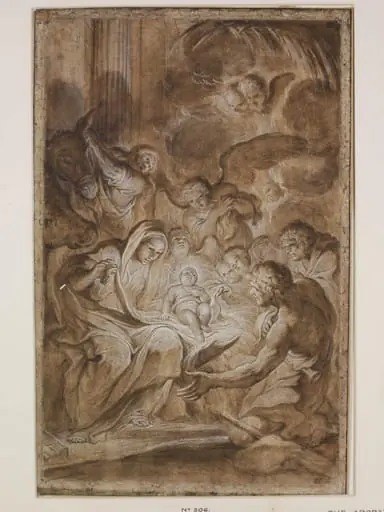
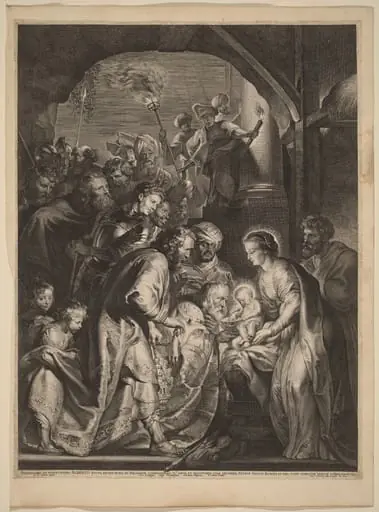
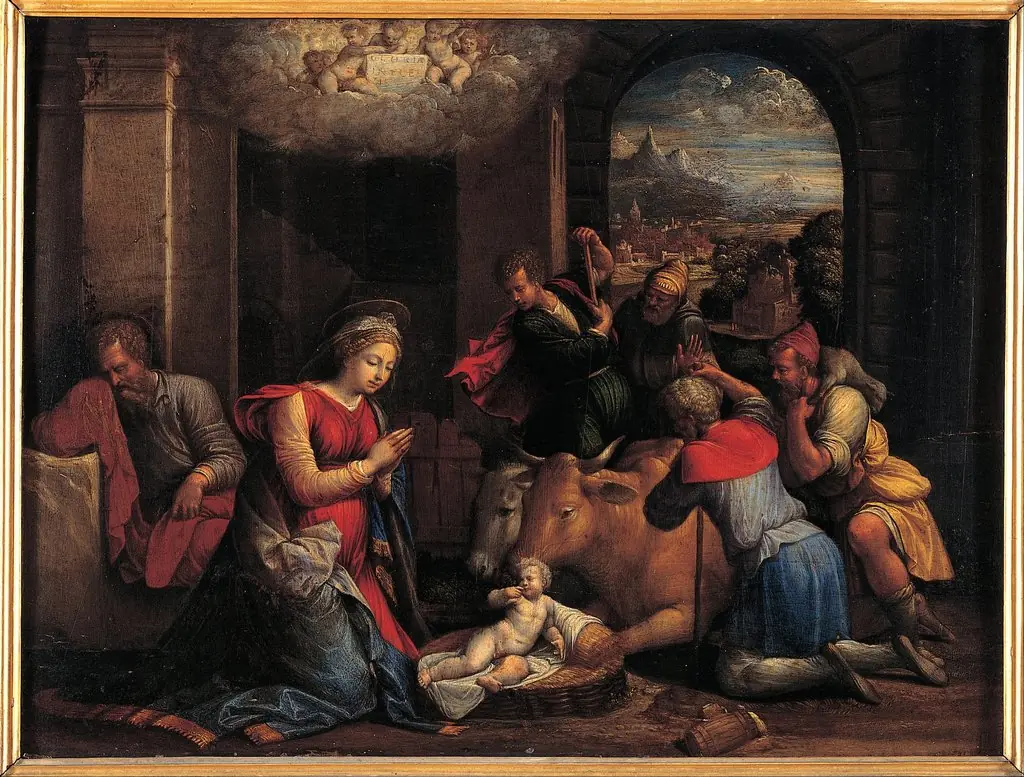
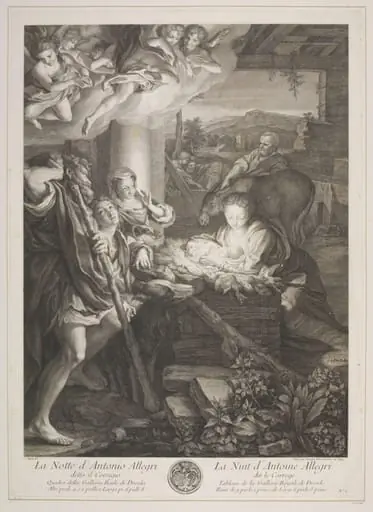
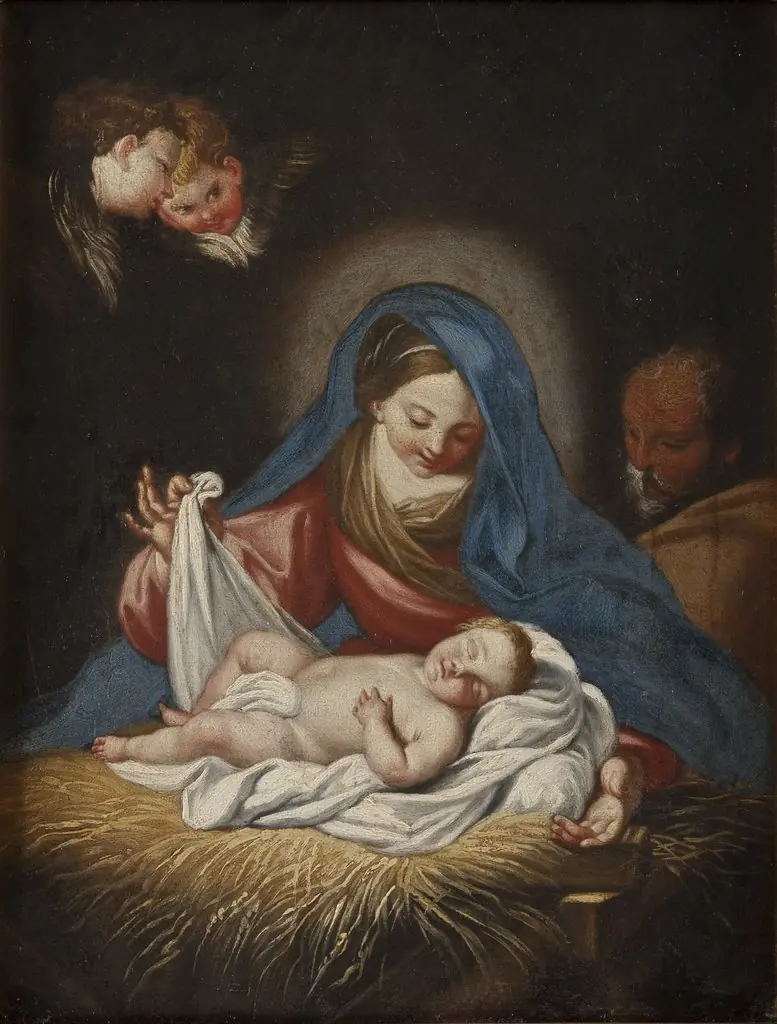
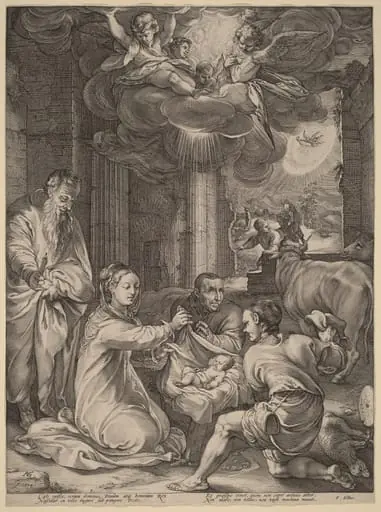
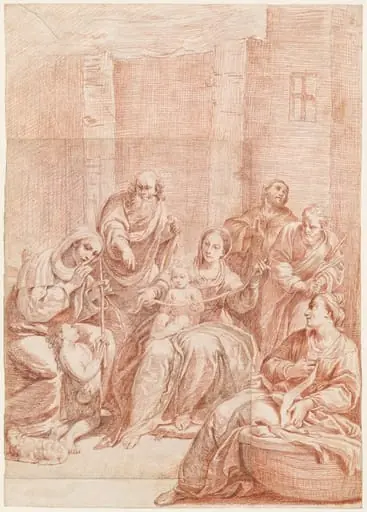
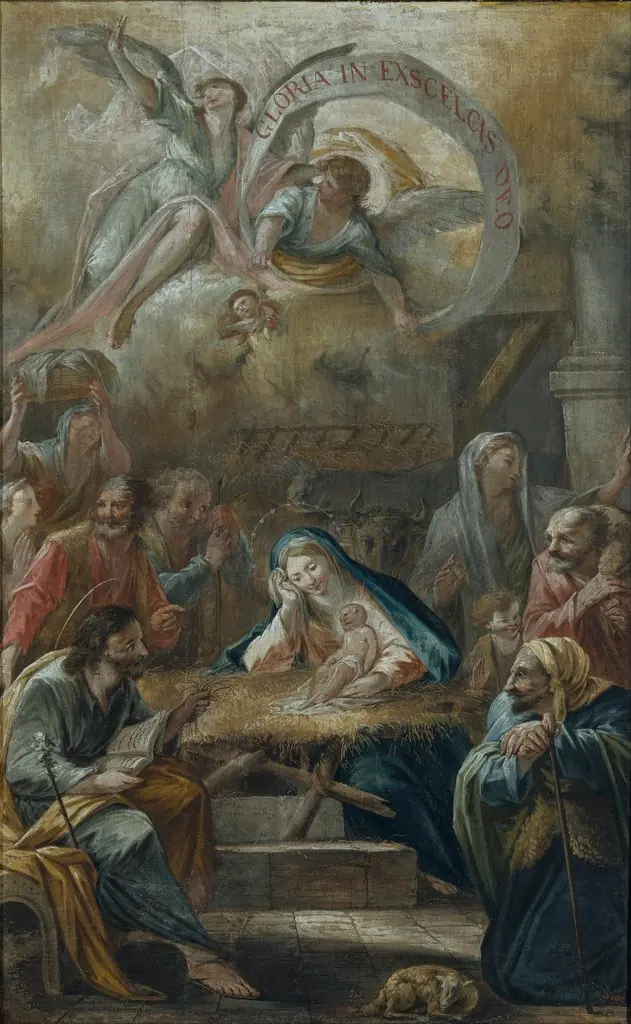
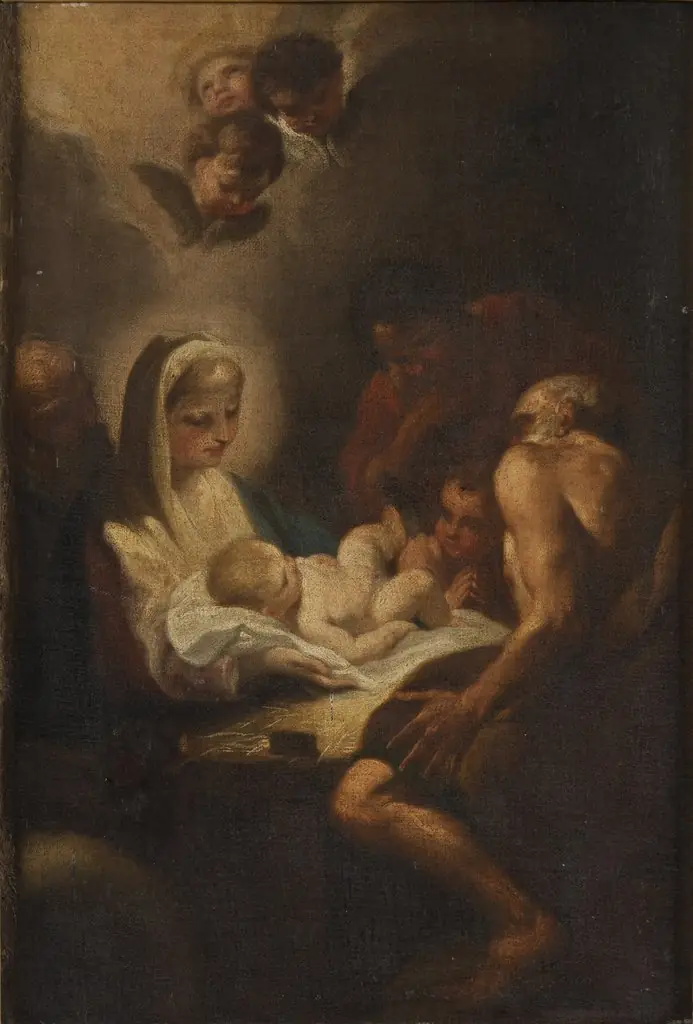
Adoration of the Shepherds is a drawing by the Baroque artist Unknown. It dates from 1704 and is held in the collection of the Cleveland Museum of Art. This drawing depicts the biblical moment when shepherds arrive to honor the newborn Christ.
About this work
Overview
The architectural backdrop with a pointed roof anchors the composition in a humble, earthly setting, reinforcing the intimacy of the moment.
This drawing depicts the biblical moment when shepherds arrive to honor the newborn Christ. Rendered in warm, golden tones, the scene conveys quiet reverence rather than grandeur. Figures gather closely around the infant, their postures reflecting awe and tenderness. The architectural backdrop with a pointed roof anchors the composition in a humble, earthly setting, reinforcing the intimacy of the moment.
Subject & Meaning
The scene illustrates the Gospel account of shepherds being the first to witness the Nativity. Their presence signifies divine revelation to the humble, not the powerful. One figure kneels in submission, another holds a staff as a symbol of his pastoral role. The collective gaze toward the child underscores themes of humility, divine presence in simplicity, and unexpected grace.
Technique & Style
Executed in a Baroque manner, the work employs chiaroscuro to model forms with soft, directional light that enhances emotional depth. Lines are deliberate yet fluid, suggesting movement and warmth. The palette favors earthy golds and muted tones, avoiding theatricality in favor of quiet luminosity. The composition is tightly grouped, drawing the viewer into the sacred moment without distraction.
History & Provenance
The drawing is attributed to a follower of the Baroque tradition, likely created in the 17th century as a preparatory study or devotional piece. Its origin remains unconfirmed, though stylistic elements align with Italian or Flemish workshops of the period. It passed through private collections before entering institutional care, with no documented public exhibition prior to the 20th century.
Context
In the Baroque era, religious subjects were often rendered with emotional immediacy to inspire personal devotion. This drawing reflects a trend away from grand altarpieces toward intimate, human-centered depictions of sacred events. Such works were used in private prayer or as models for larger commissions, bridging spiritual contemplation and artistic practice.
Legacy
Though not widely known, the drawing exemplifies how Baroque artists translated theological narratives into accessible, emotionally resonant imagery. Its focus on quiet wonder rather than spectacle influenced later devotional art, particularly in regional traditions that valued understated piety. It remains a quiet testament to the power of simplicity in sacred representation.
Artist & collection

 Domestic Scene
 Giacomo and Cardinal Marco, investing Andrea, Abbot of San Zeno, with his Benefice
 The Nymph of Fontainebleau
 Portrait of a Woman
 Madonna and Child with Saints in the Enclosed Garden
 Venus and Minerva
 Family Group of Four on Sofa
 Wall painting from Room H of the Villa of P. Fannius Synistor at Boscoreale