Artwork
Spanish Dancers
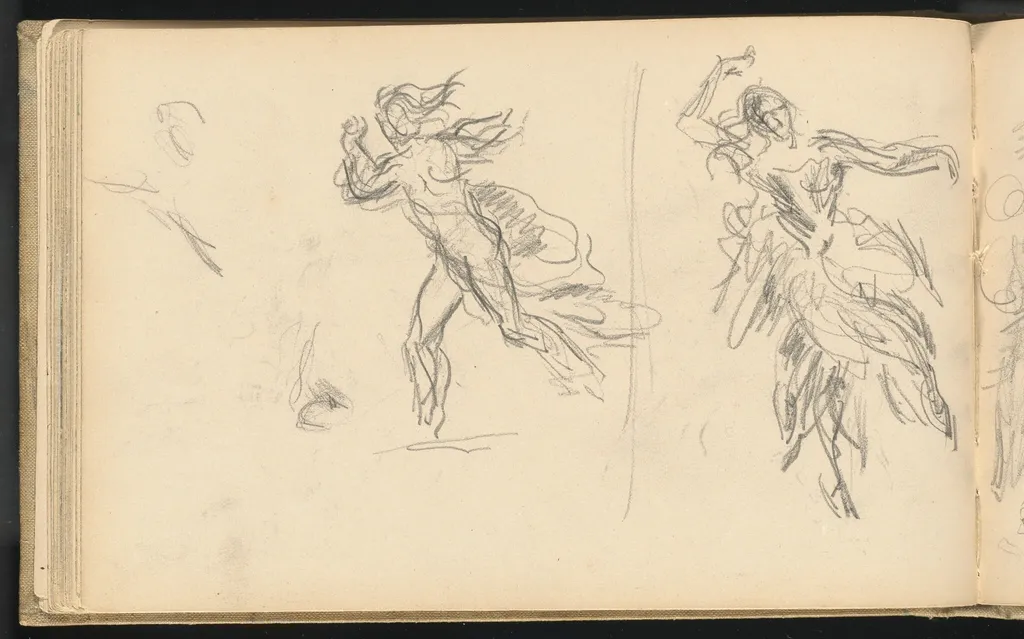
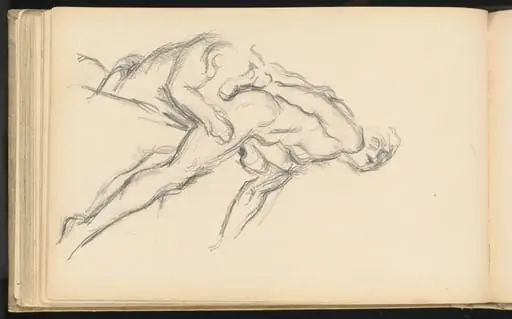
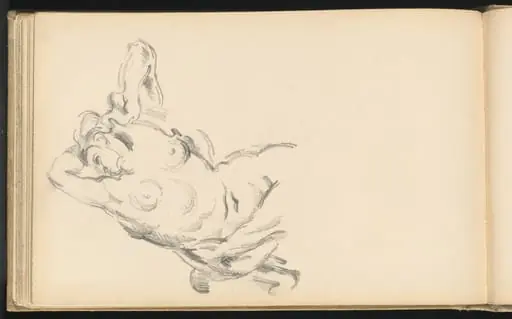
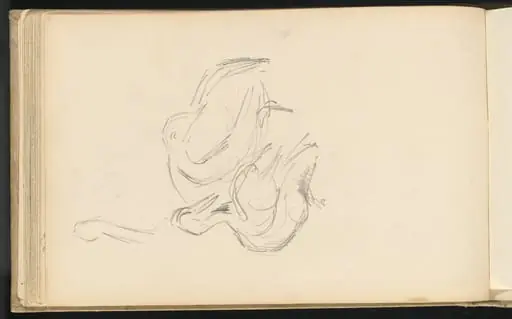
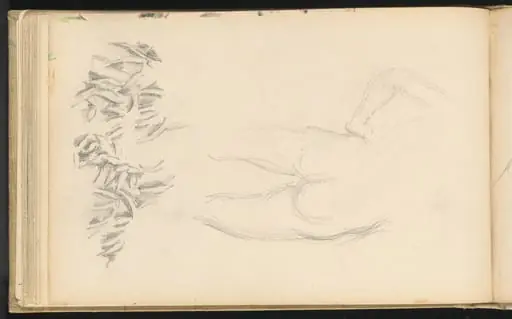
Spanish Dancers is a graphite drawing by the Impressionist artist Paul Cezanne. It dates from 1884 and is held in the collection of the National Gallery of Art.
About this work
Overview
Paul Cézanne’s drawing titled *Spanish Dancers* was executed in 1884 using graphite on wove paper. The work consists of a single sheet that records two figures in the act of dancing, captured in a swift, gestural manner. Though the paper remains unfilled, the composition concentrates on the dynamic interaction between the two bodies.
Subject & Meaning
The drawing depicts a pair of dancers caught mid‑spin, each with arms lifted and legs bent at acute angles. Their torsos twist in opposite directions, suggesting a moment of balance and tension within a shared performance. The lack of setting or narrative details directs attention to the physicality of movement itself, emphasizing rhythm and kinetic energy.
Technique & Style
This approach aligns with the artist’s interest in capturing the essence of a scene through spontaneous mark‑making.
Cézanne employed loose, rapid graphite strokes that resemble scribbles rather than refined outlines. The lines intersect and overlap, creating a sense of immediacy and motion. Shading is minimal, serving only to hint at volume, while the absence of a background foregrounds the figures. This approach aligns with the artist’s interest in capturing the essence of a scene through spontaneous mark‑making.
History & Provenance
Created during Cézanne’s early period, the drawing reflects his experimentation with figure studies before his later focus on still lifes and landscapes. The work has remained in the artist’s oeuvre as a study piece, illustrating his engagement with Spanish dance motifs popular in 19th‑century French art circles. Its provenance traces through private collections before entering a public institution’s holdings.
Artist & collection
Artist
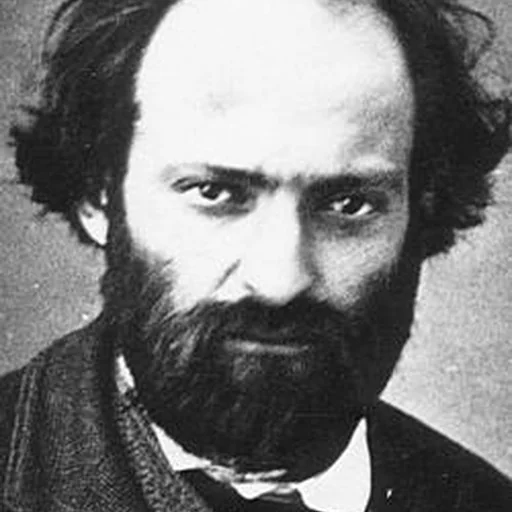
Paul Cézanne was born on January 19, 1839, in Aix-en-Provence, the son of a hatter turned wealthy banker.

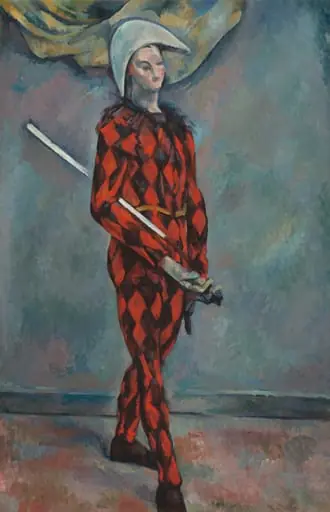 Harlequin
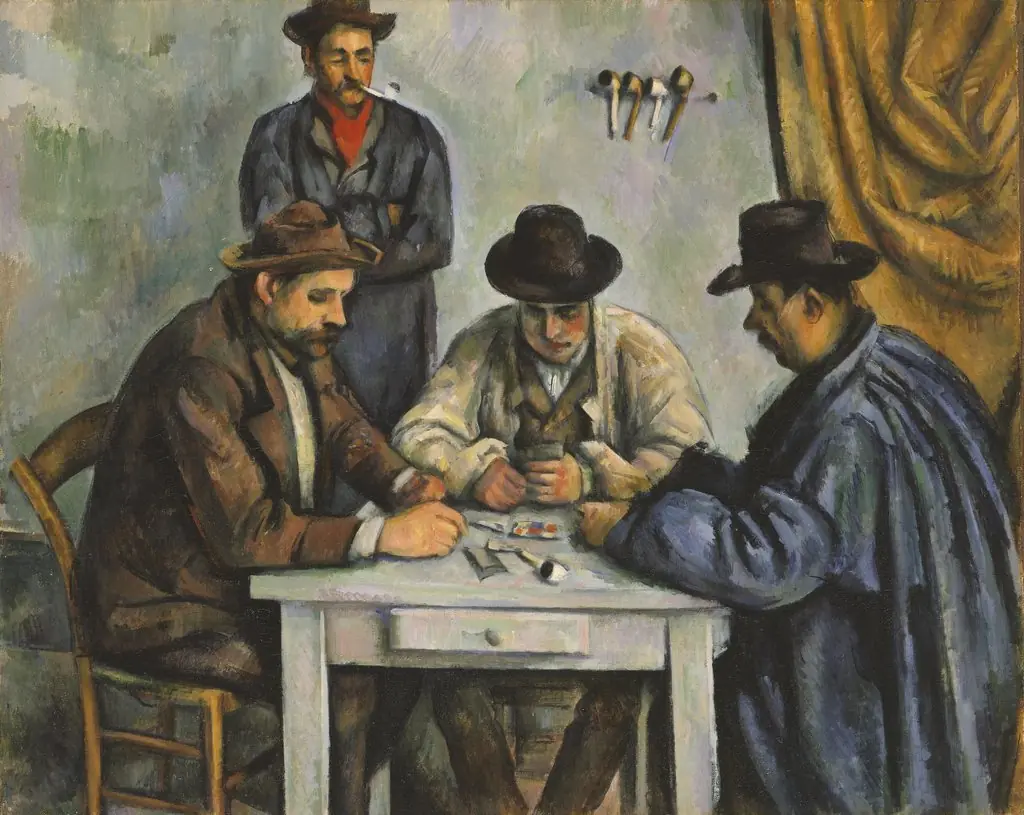 The Card Players
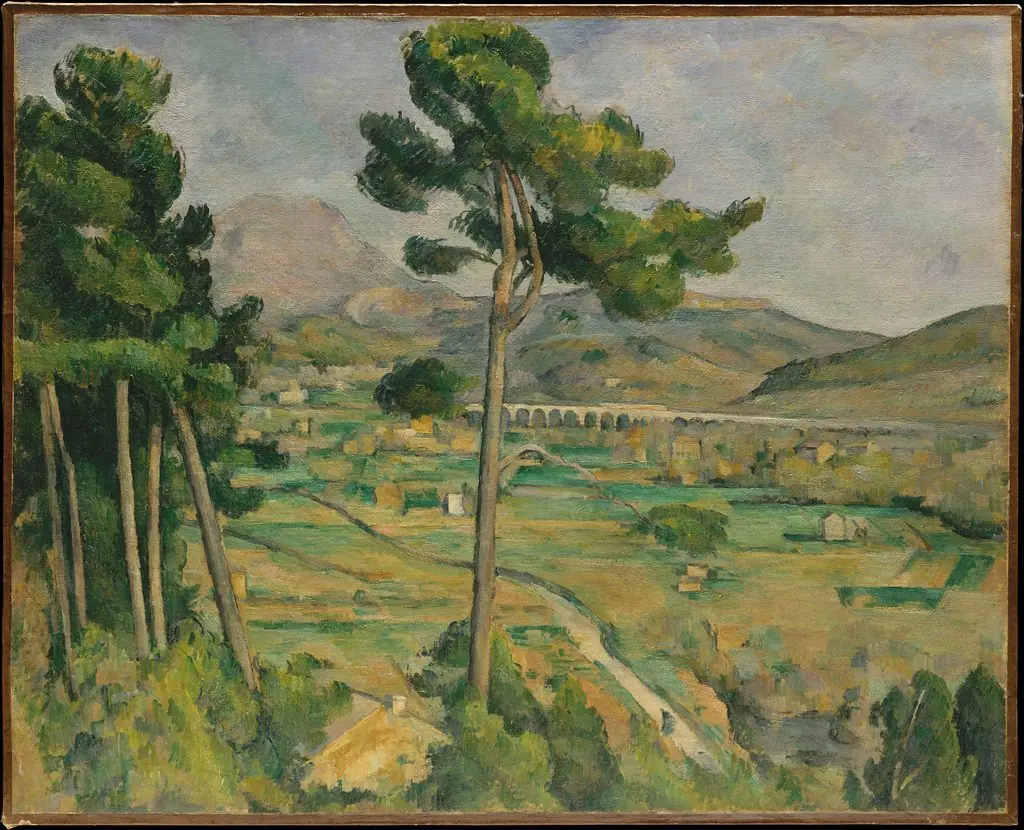 Mont Sainte-Victoire and the Viaduct of the Arc River Valley
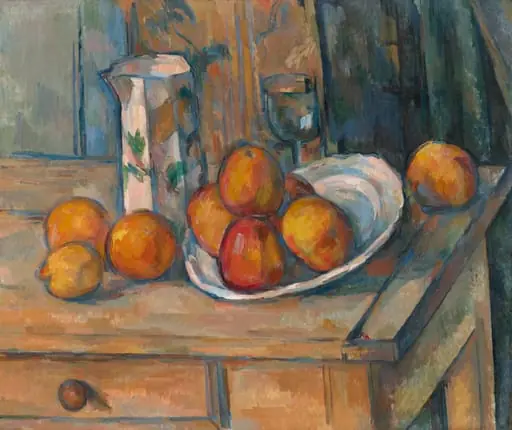 Still Life with Milk Jug and Fruit
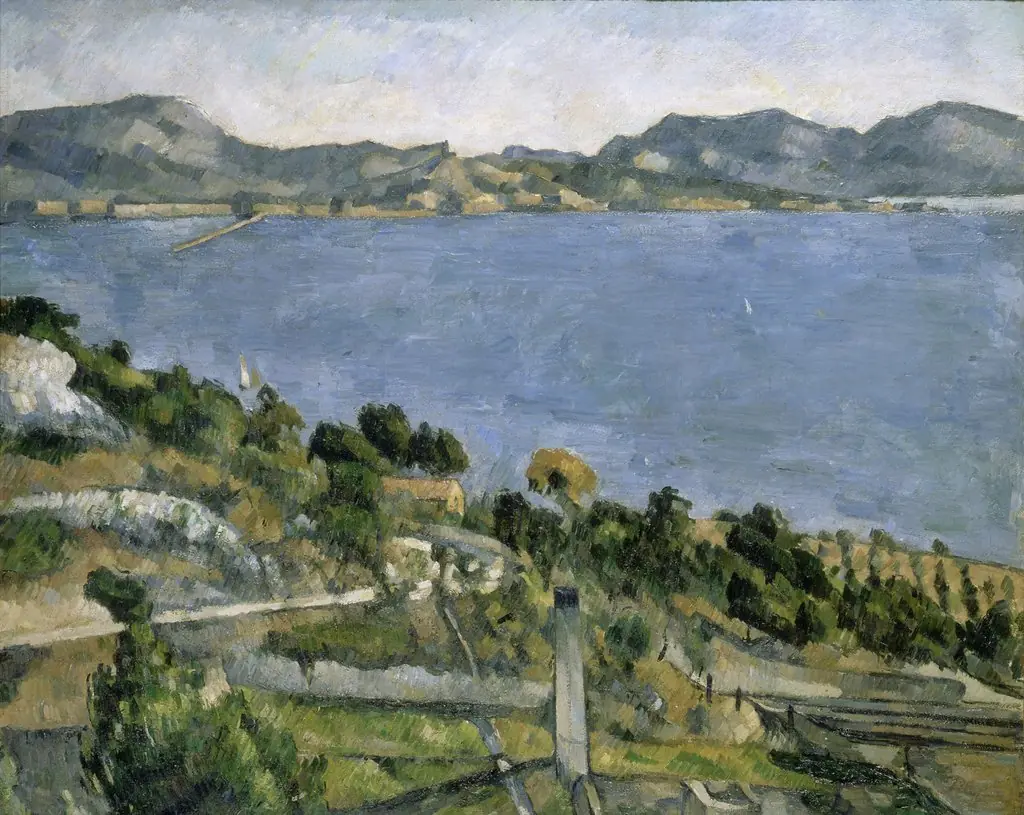 Le Golfe de Marseille vu de l'Estaque (The Gulf of Marseille Seen from L'Estaque)
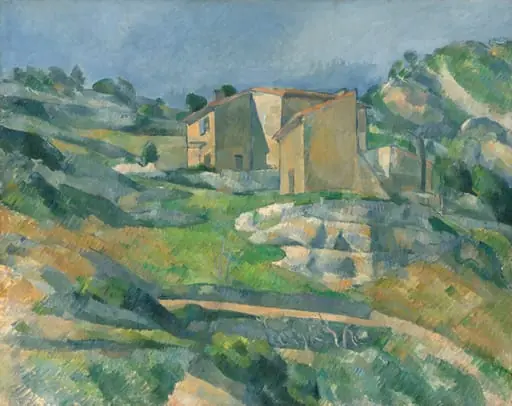 Houses in Provence: The Riaux Valley near L'Estaque
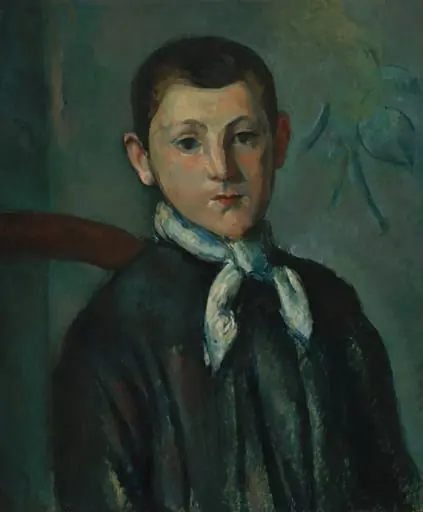 Louis Guillaume
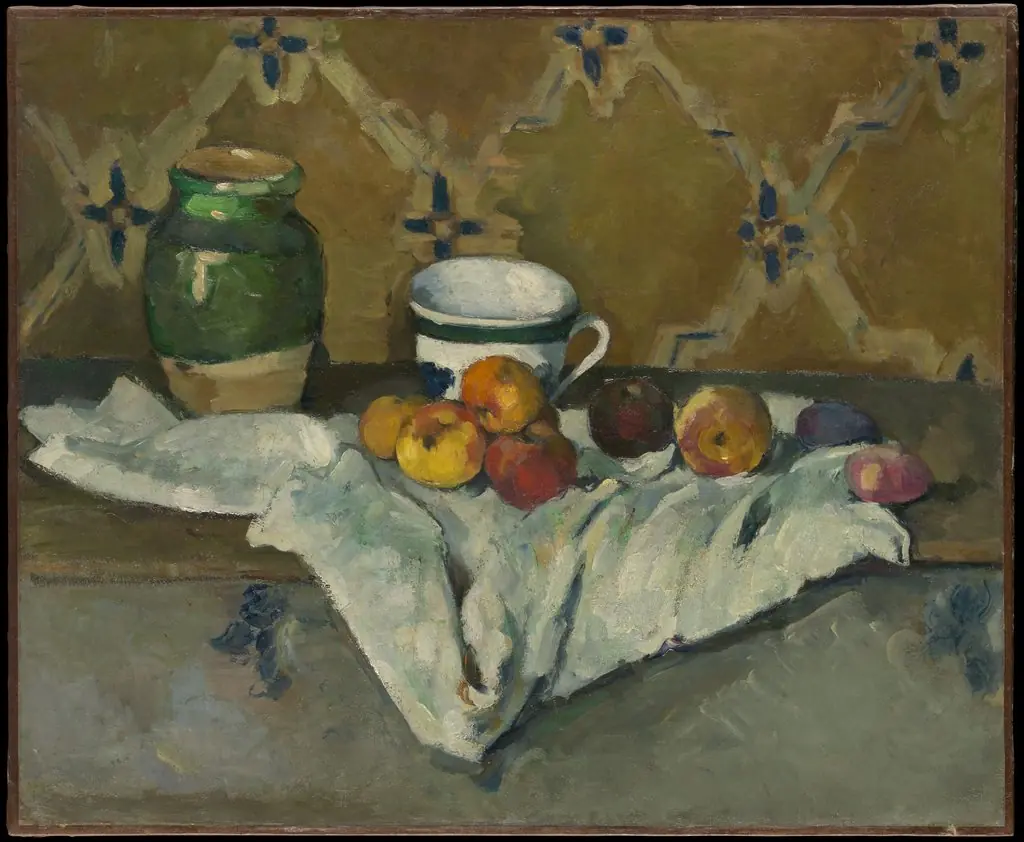 Still Life with Jar, Cup, and Apples