Artwork
Two Studies for "The Judgement of Paris" or "The Amorous Shepherd"
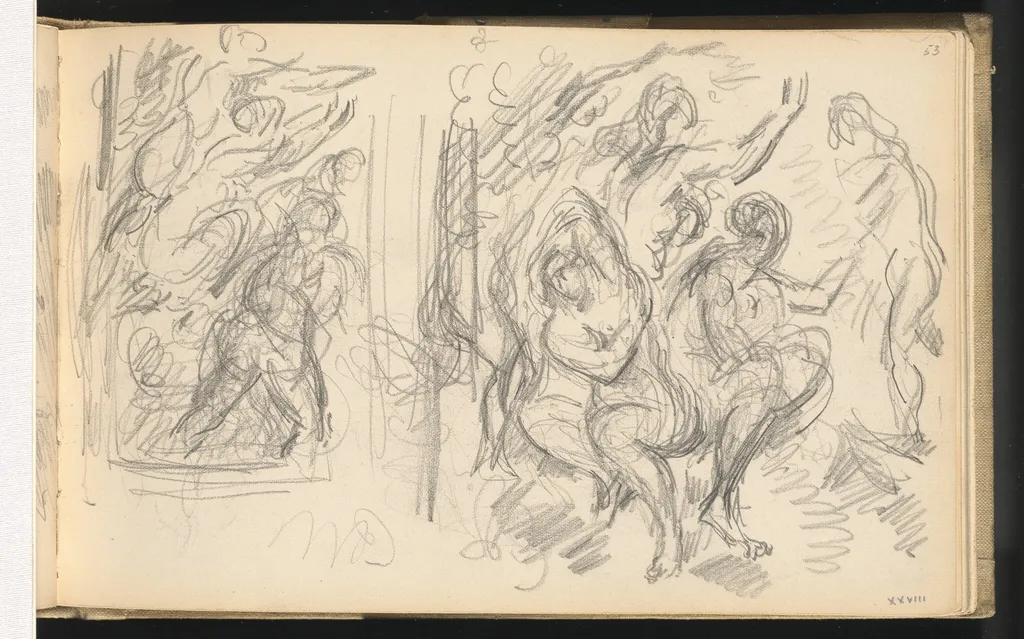
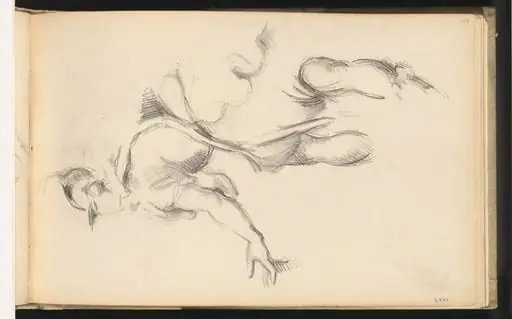
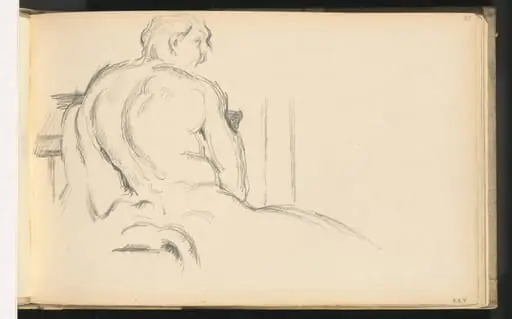
Two Studies for "The Judgement of Paris" or "The Amorous Shepherd" is a graphite drawing by the Impressionist artist Paul Cezanne. It dates from 1884 and is held in the collection of the National Gallery of Art.
About this work
Overview
Paul Cézanne’s 1884 graphite drawing, titled Two Studies for “The Judgement of Paris” or “The Amorous Shepherd,” consists of two intertwined figures rendered on wove paper. Executed in a single medium, the work functions as a preparatory sketch for a larger composition that would explore a narrative drawn from classical mythology.
Subject & Meaning
The drawing presents a seated female figure and a leaning male figure whose bodies are entwined in a dynamic, almost chaotic arrangement. The ambiguous pose suggests an intimate encounter, aligning with the mythic themes of either the judgment of Paris, where beauty and desire intersect, or a pastoral love scene, hence the dual title.
Technique & Style
Cézanne employed rapid, swirling graphite strokes that convey movement and emotional tension with minimal detail. The lines appear spontaneous, bordering on scribal, and the paper’s yellowed tone adds a sense of unfinished immediacy, emphasizing the artist’s focus on gesture over precise form.
History & Provenance
Created in 1884, the sketch was part of Cézanne’s extensive preparatory work for mythological subjects. While the drawing remained in his personal studio collection, it later entered public holdings, where it serves as evidence of his methodical approach to translating brief studies into fully realized paintings.
Artist & collection
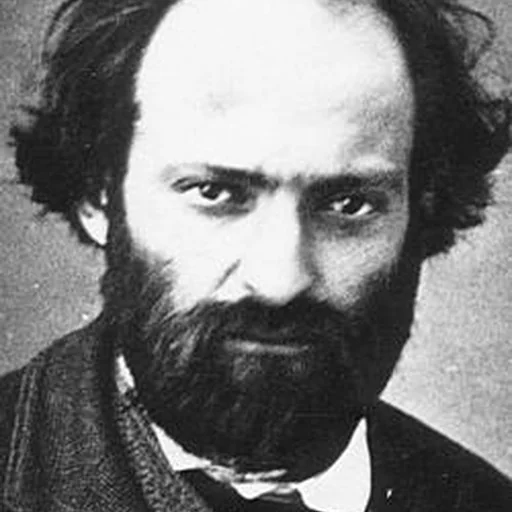
Artist
Paul Cézanne was born on January 19, 1839, in Aix-en-Provence, the son of a hatter turned wealthy banker.

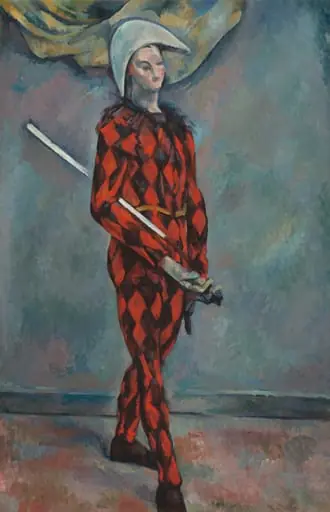 Harlequin
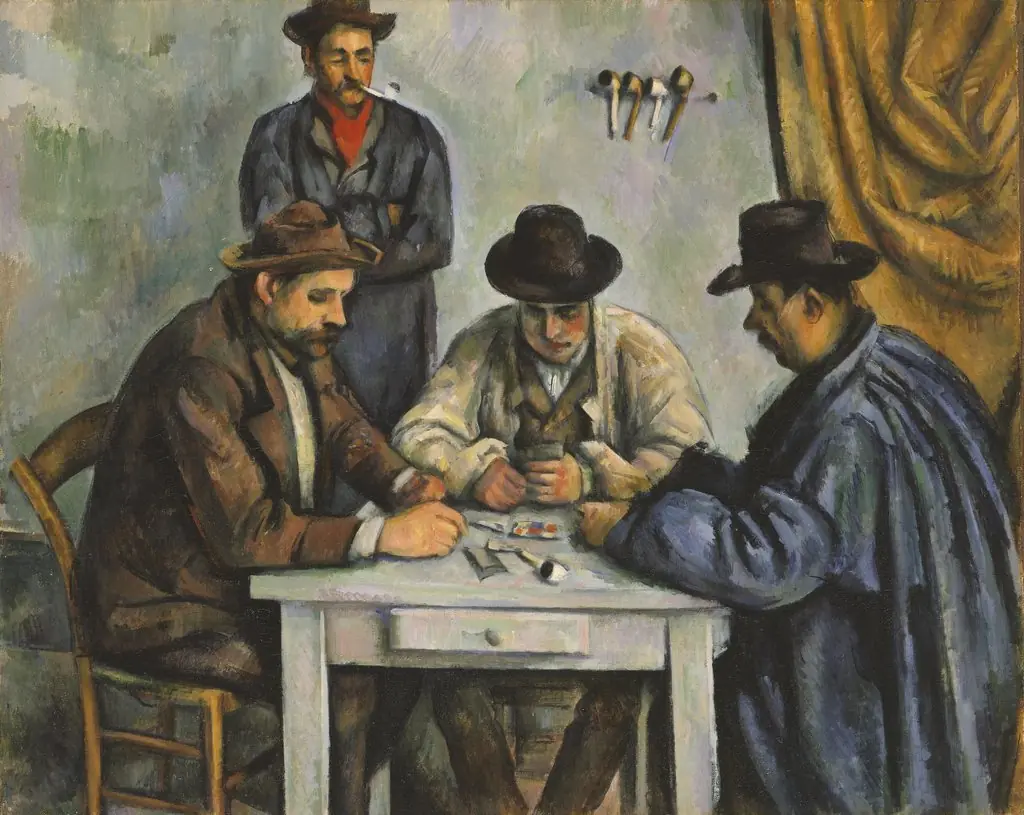 The Card Players
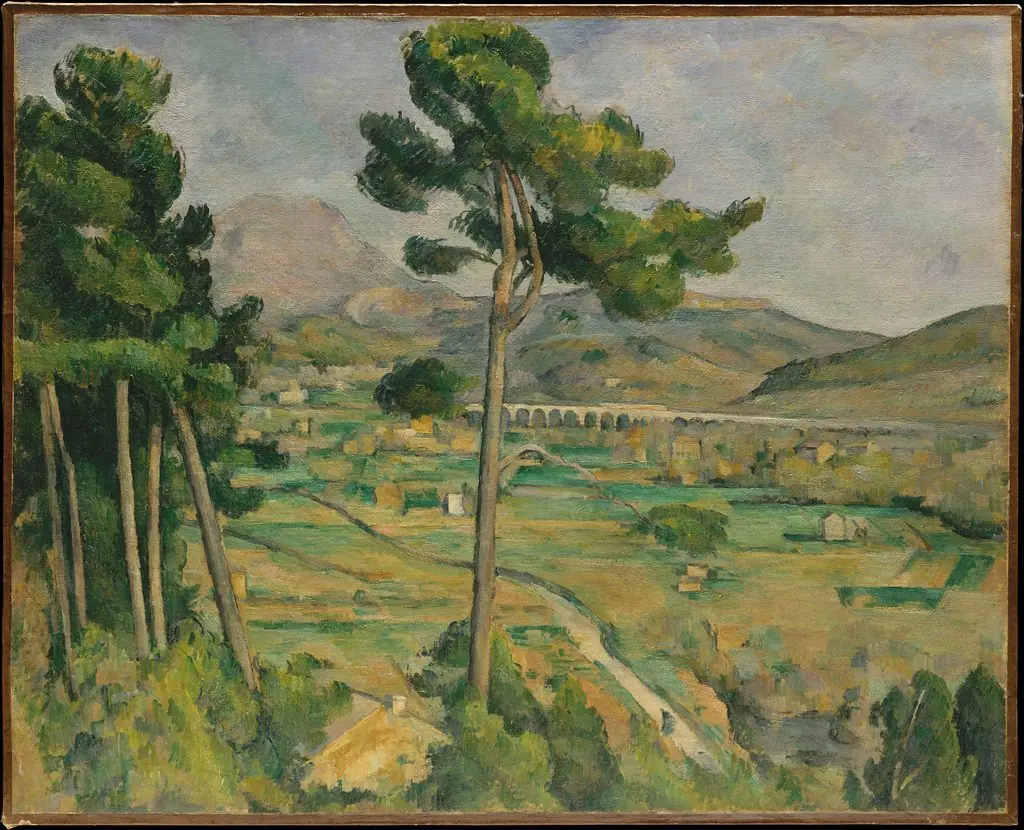 Mont Sainte-Victoire and the Viaduct of the Arc River Valley
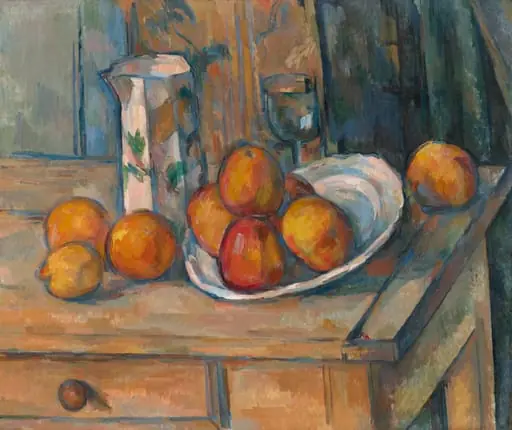 Still Life with Milk Jug and Fruit
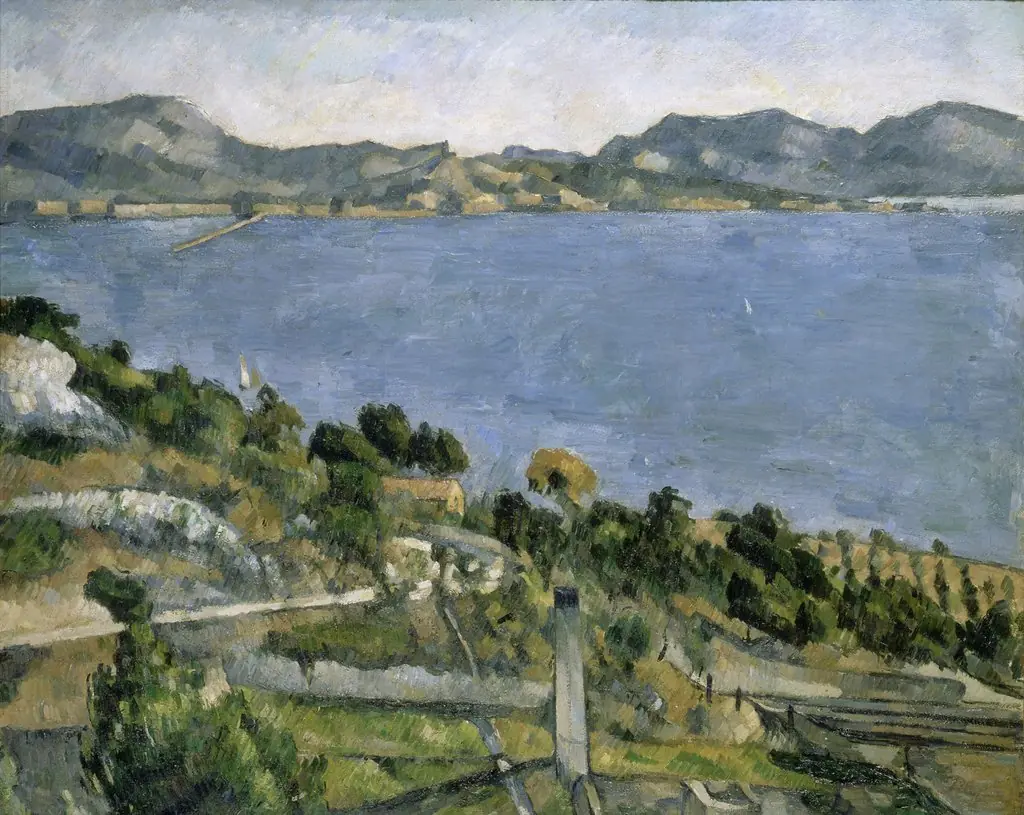 Le Golfe de Marseille vu de l'Estaque (The Gulf of Marseille Seen from L'Estaque)
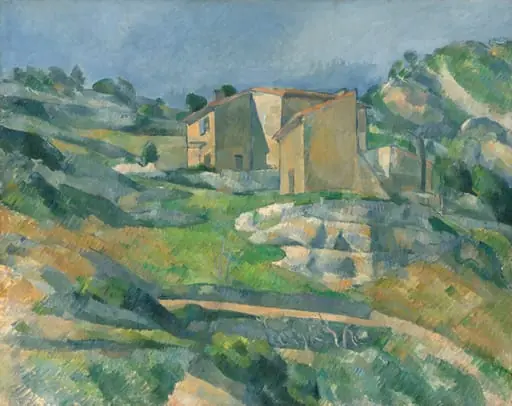 Houses in Provence: The Riaux Valley near L'Estaque
 Louis Guillaume
 Still Life with Jar, Cup, and Apples
 Carnival Scene
 Studies Including a Straw Hat
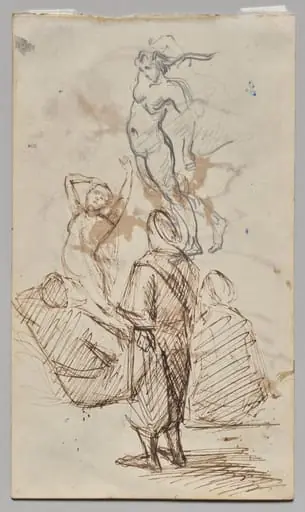 Sheet of Studies
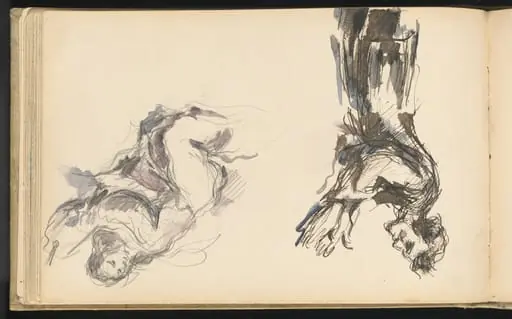 Victor Chocquet and an Angel for "The Apotheosis of Delacroix"
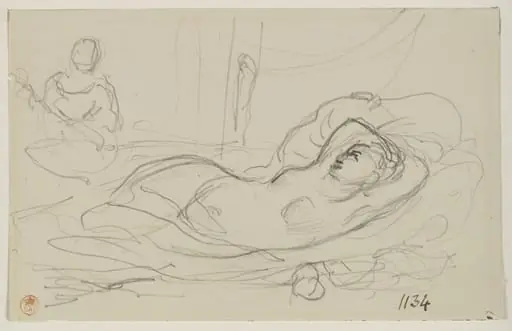 Study after Ingres' 'Odalisque à l'ésclave'
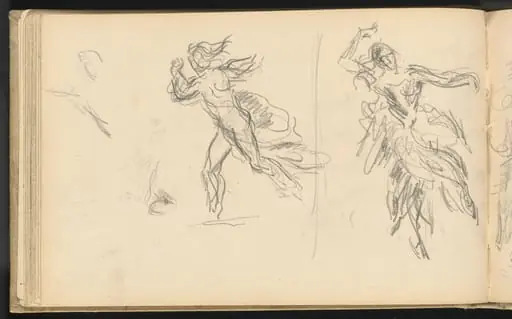 Spanish Dancers
![Studies for a Monument with Angels Reaching Down to a Praying Figure [recto and verso], by John Flaxman](https://artifactworldgallery.com/img/john-flaxman--studies-for-a-monument-with-angels-reaching-down-to-a-prayin--9d789ab993a76a50-w320.webp) Studies for a Monument with Angels Reaching Down to a Praying Figure [recto and verso]
Studies for a Monument with Angels Reaching Down to a Praying Figure [recto and verso] Studies for Joan of Arc
 Study of the Allegorical Figure France in Rubens' "The Exchange of the Two Princesses"
 Women Bathers and a Roll of Paper
 Study for "The Judgement of Paris" or "The Amorous Shepherd"
 Study of Puget's "Hercules Resting"