Artwork
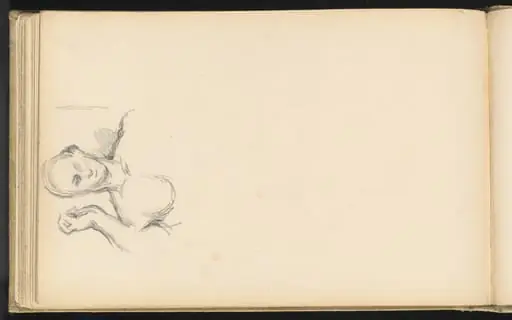
Hand and Shoulder of a Boy
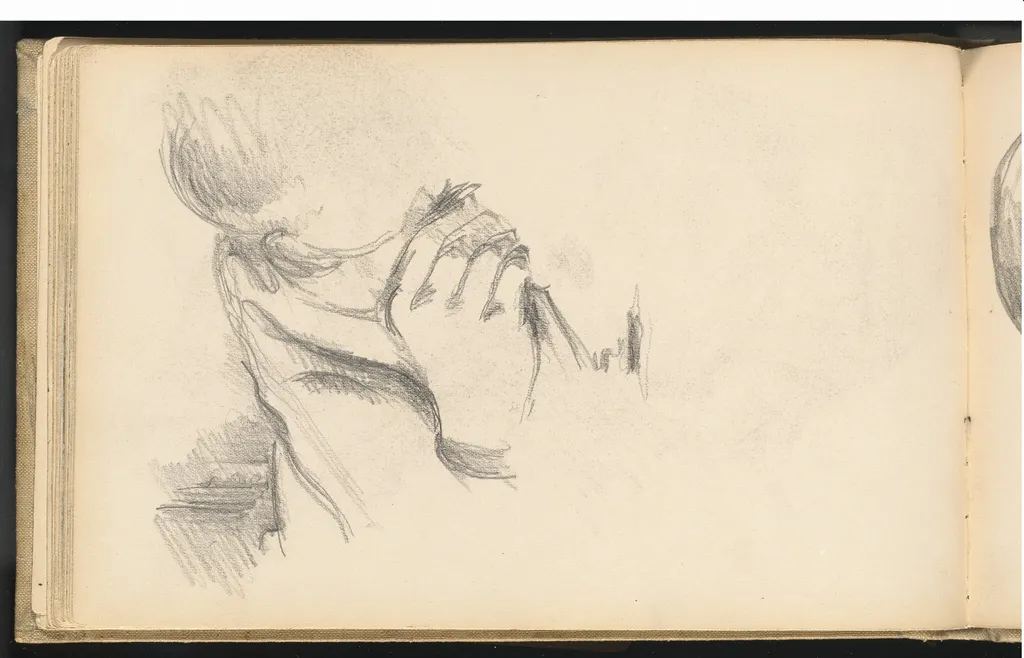
Hand and Shoulder of a Boy is a graphite drawing by the Impressionist artist Paul Cezanne. It dates from 1885 and is held in the collection of the National Gallery of Art.
About this work
Overview
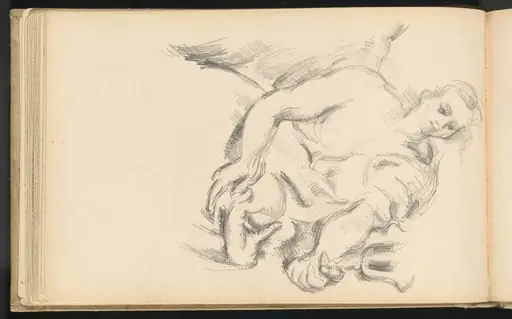
Paul Cézanne’s drawing titled *Hand and Shoulder of a Boy* dates to around 1885. Executed in graphite on wove paper, the work presents a fragment of a youthful figure, focusing on the arm, shoulder, and hands. The composition is limited to this partial study, emphasizing gesture and form rather than narrative content.
Subject & Meaning
The sketch isolates a boy’s upper limb, capturing one hand resting near a folded cloth while the other reaches upward. By concentrating on this limited portion of the body, Cézanne explores the natural curvature and tension of the arm, offering insight into his interest in the mechanics of human posture.
Technique & Style
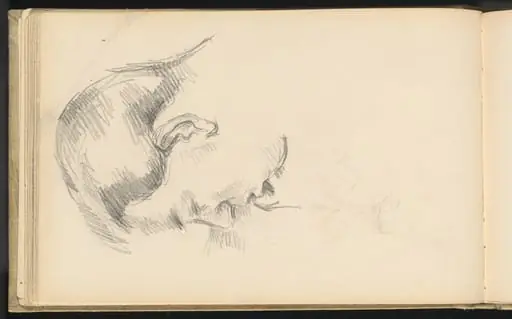
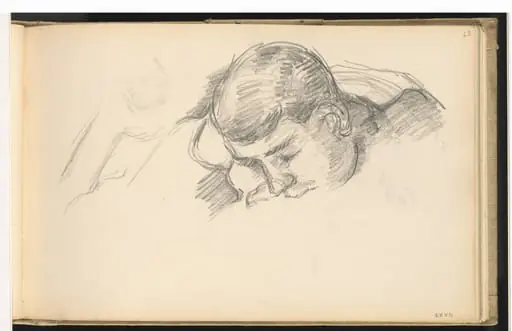
Rendered with quick, loose graphite lines, the drawing exhibits a spontaneous quality. The wove paper’s light, slightly textured surface allows for subtle smudging, which softens edges and suggests volume. The gestural strokes convey movement, while the imperfect lines reveal Cézanne’s experimental approach to rendering anatomical structure.
History & Provenance
Created in the mid-1880s, the work belongs to Cézanne’s series of preparatory studies that informed his later paintings. Specific details of its ownership history are not widely documented, but the drawing is recognized as part of the artist’s extensive archive of figure sketches from this period.
Artist & collection

Artist
Paul Cézanne was born on January 19, 1839, in Aix-en-Provence, the son of a hatter turned wealthy banker.

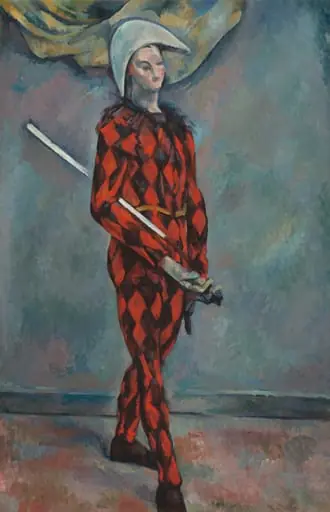 Harlequin
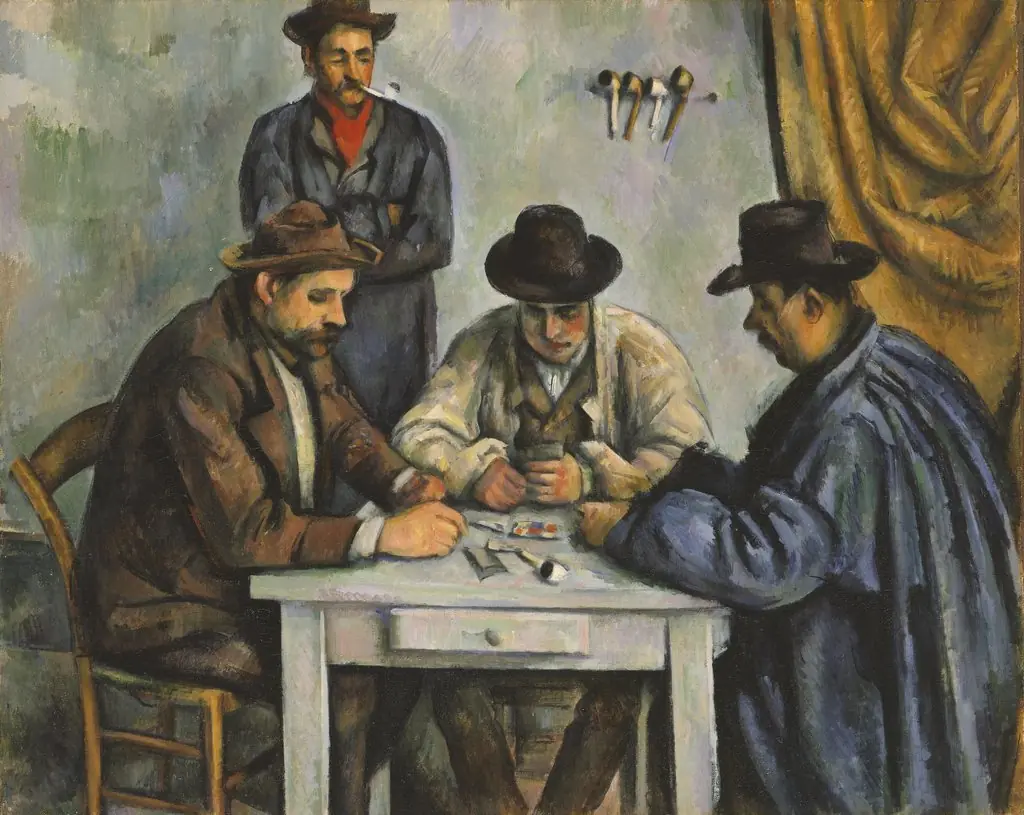 The Card Players
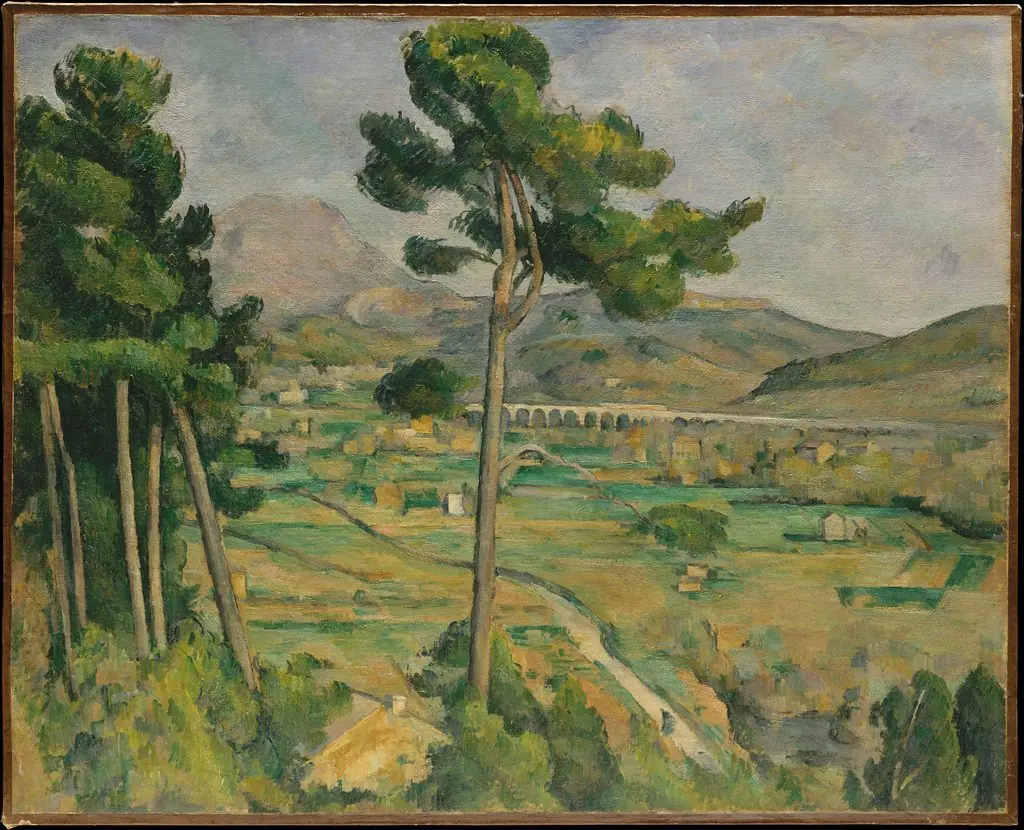 Mont Sainte-Victoire and the Viaduct of the Arc River Valley
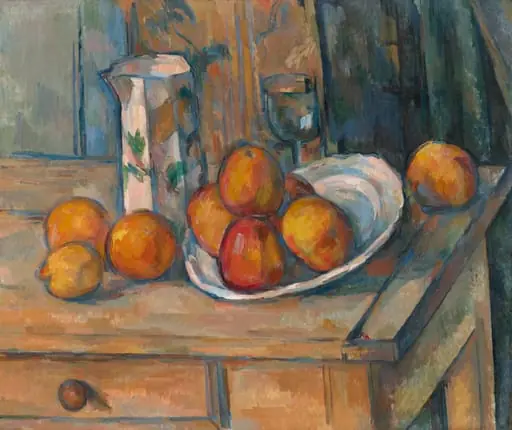 Still Life with Milk Jug and Fruit
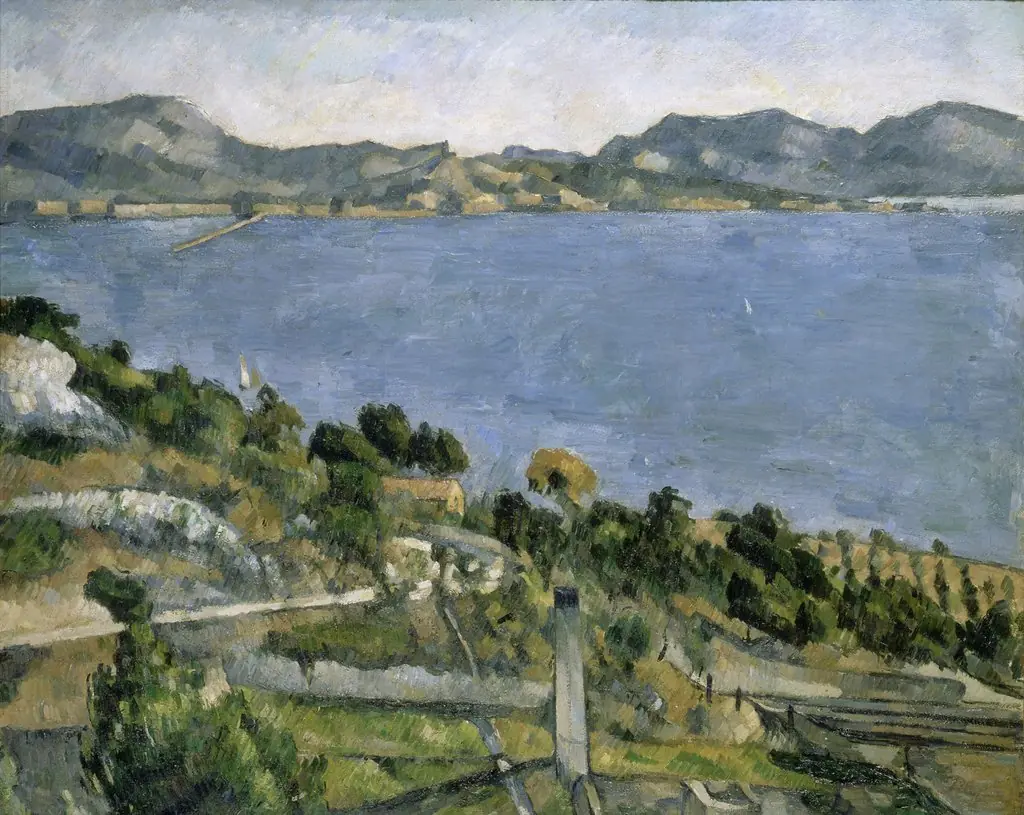 Le Golfe de Marseille vu de l'Estaque (The Gulf of Marseille Seen from L'Estaque)
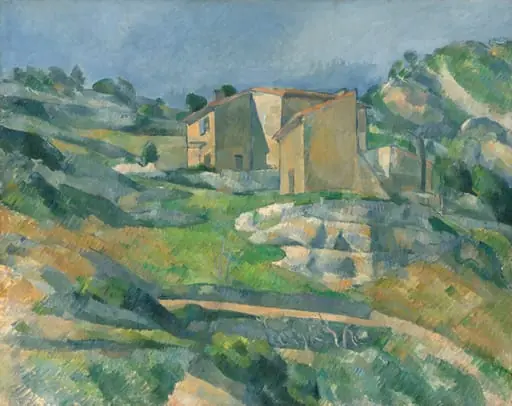 Houses in Provence: The Riaux Valley near L'Estaque
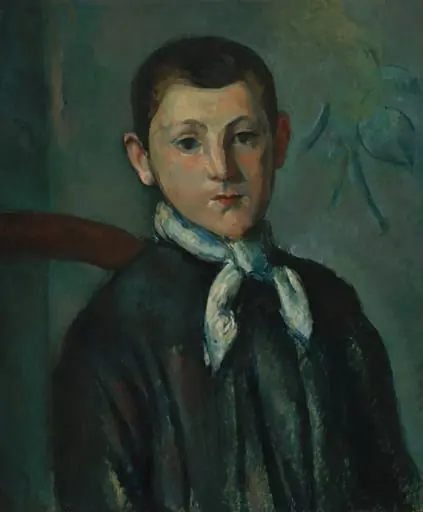 Louis Guillaume
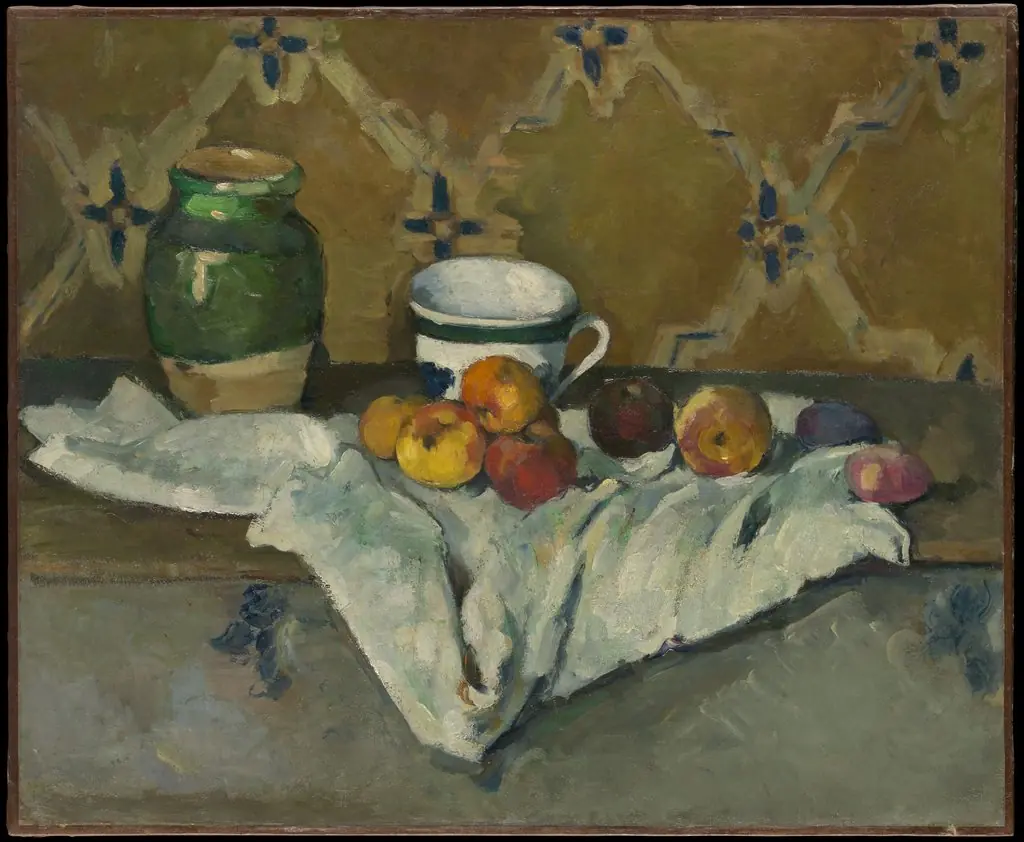 Still Life with Jar, Cup, and Apples