Artwork
Landscape Seen from the Inside of a Cave
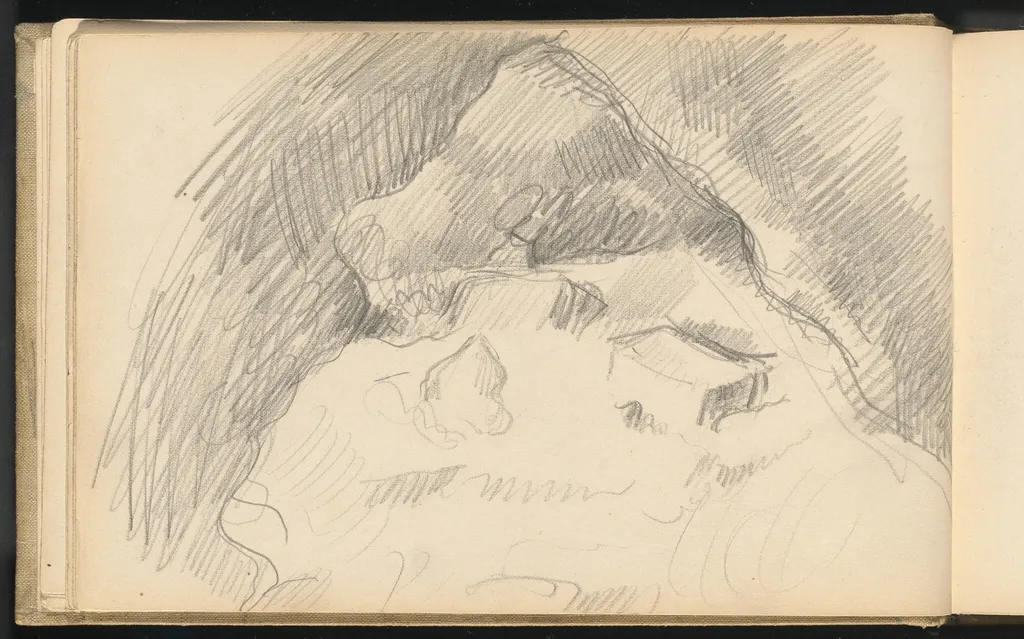
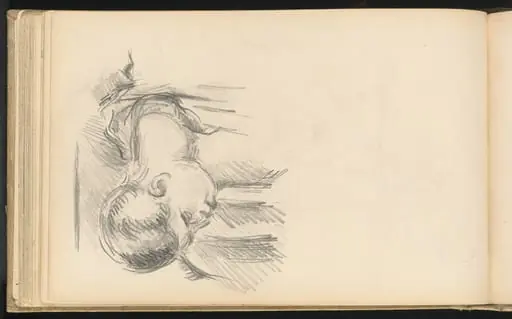
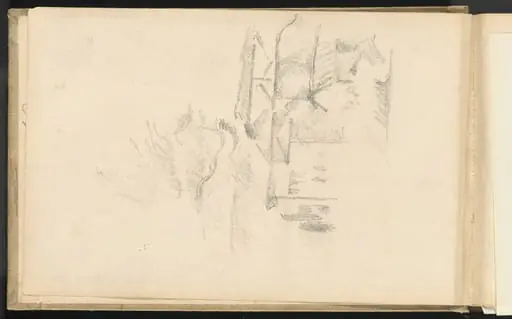
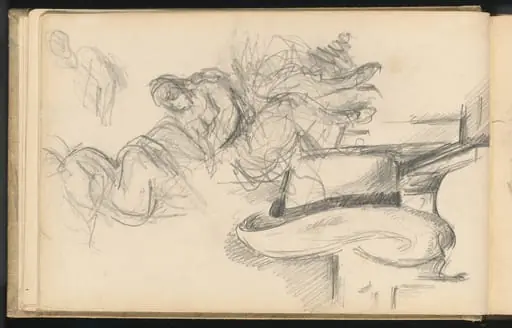
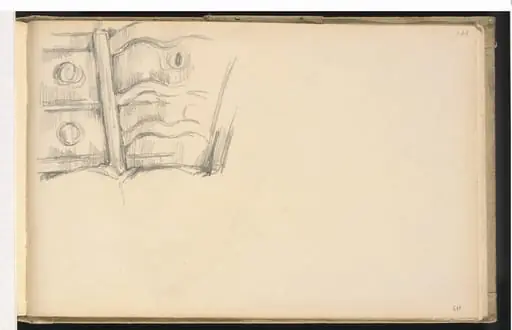
Landscape Seen from the Inside of a Cave is a graphite drawing by the Impressionist artist Paul Cezanne. It dates from 1890 and is held in the collection of the National Gallery of Art.
About this work
The painting is called Landscape Seen from the Inside of a Cave.
It was made by Paul Cezanne between 1889 and 1892.
The artist used graphite on wove paper to create this work, which is a notable fact because it shows his ability to work with different mediums.
You can learn more about this style by looking into the movement: Impressionism.
Overview
Landscape Seen from the Inside of a Cave is a graphite drawing on wove paper created by Paul Cezanne between 1889 and 1892.
Subject & Meaning
The drawing depicts an external landscape viewed from an unusual vantage point within a cave, suggesting an exploration of spatial relationships and perception.
Technique & Style
Executed in graphite on wove paper, this work highlights Cezanne's versatility with mediums. While associated with Impressionism, the piece's emphasis on structured forms and spatial experimentation aligns more closely with the transitional phases leading towards early modernist movements.
History & Provenance
Created between 1889 and 1892, specific details regarding its initial exhibition, ownership history, or how it entered its current collection are not provided in available sources.
Context
This drawing reflects Cezanne's broader interest in capturing the Provençal landscape, characteristic of his work during this period, though the cave perspective introduces a unique narrative element.
Artist & collection
Artist
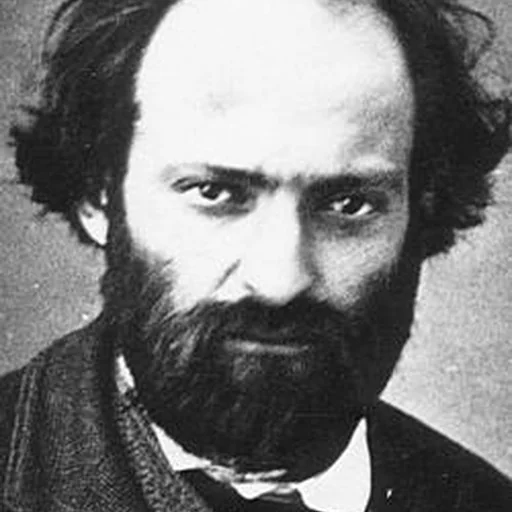
Paul Cézanne was born on January 19, 1839, in Aix-en-Provence, the son of a hatter turned wealthy banker.

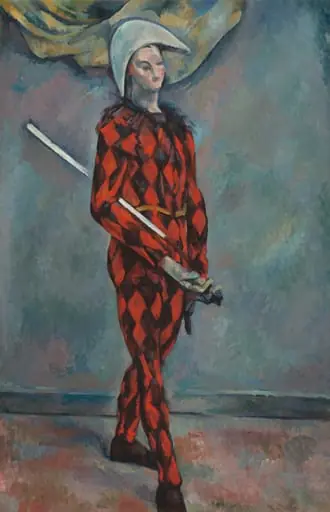 Harlequin
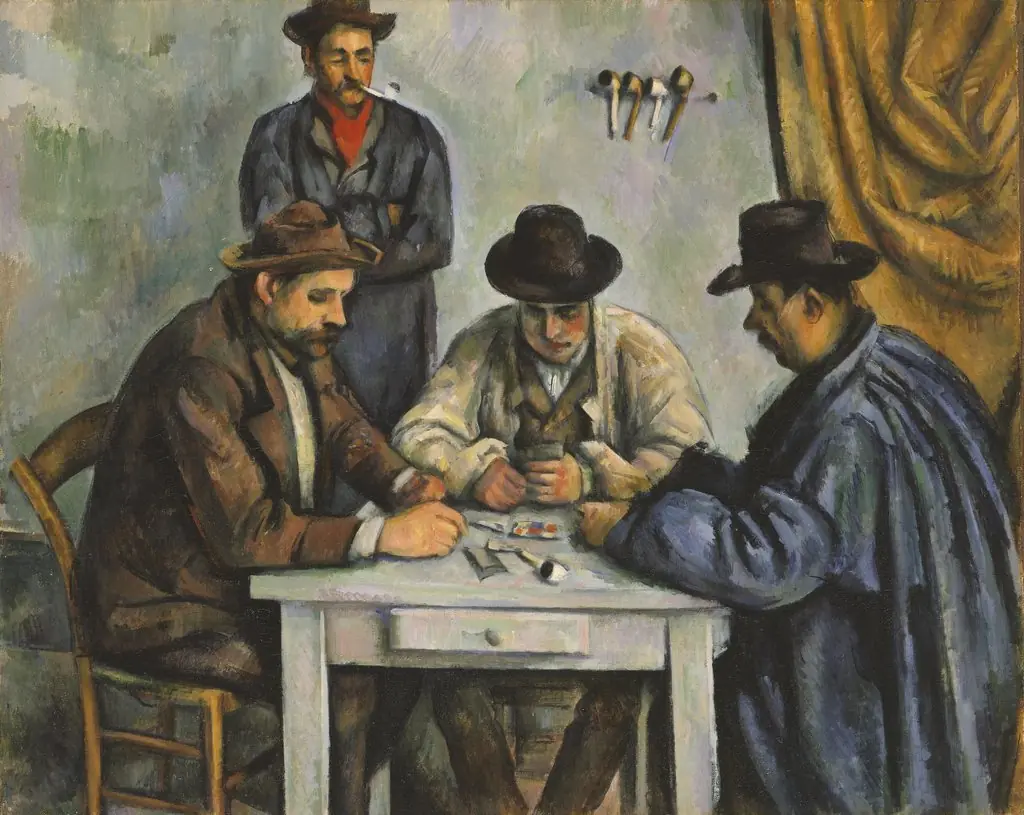 The Card Players
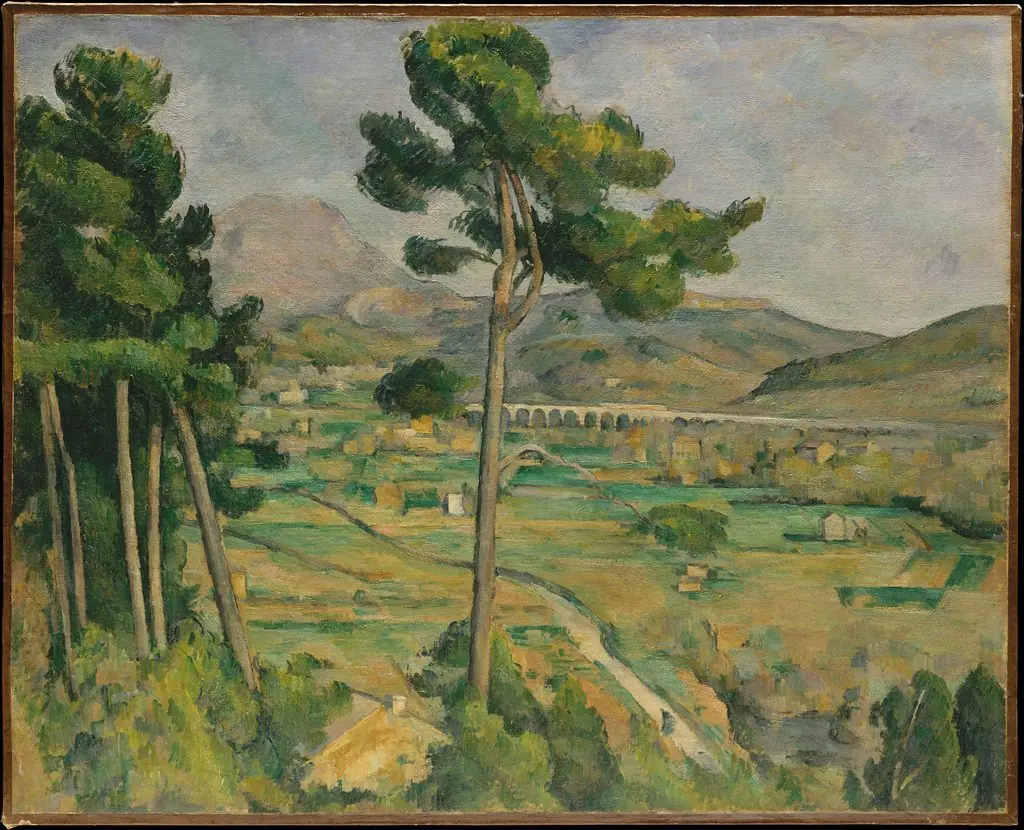 Mont Sainte-Victoire and the Viaduct of the Arc River Valley
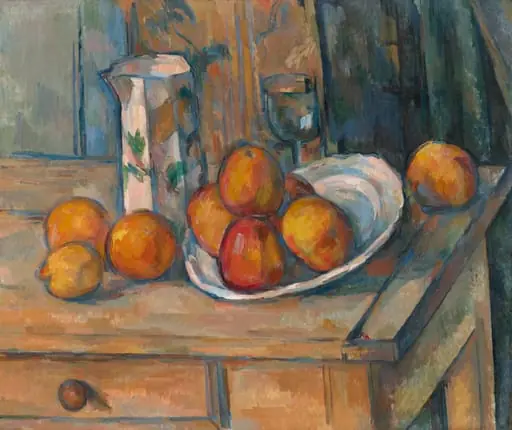 Still Life with Milk Jug and Fruit
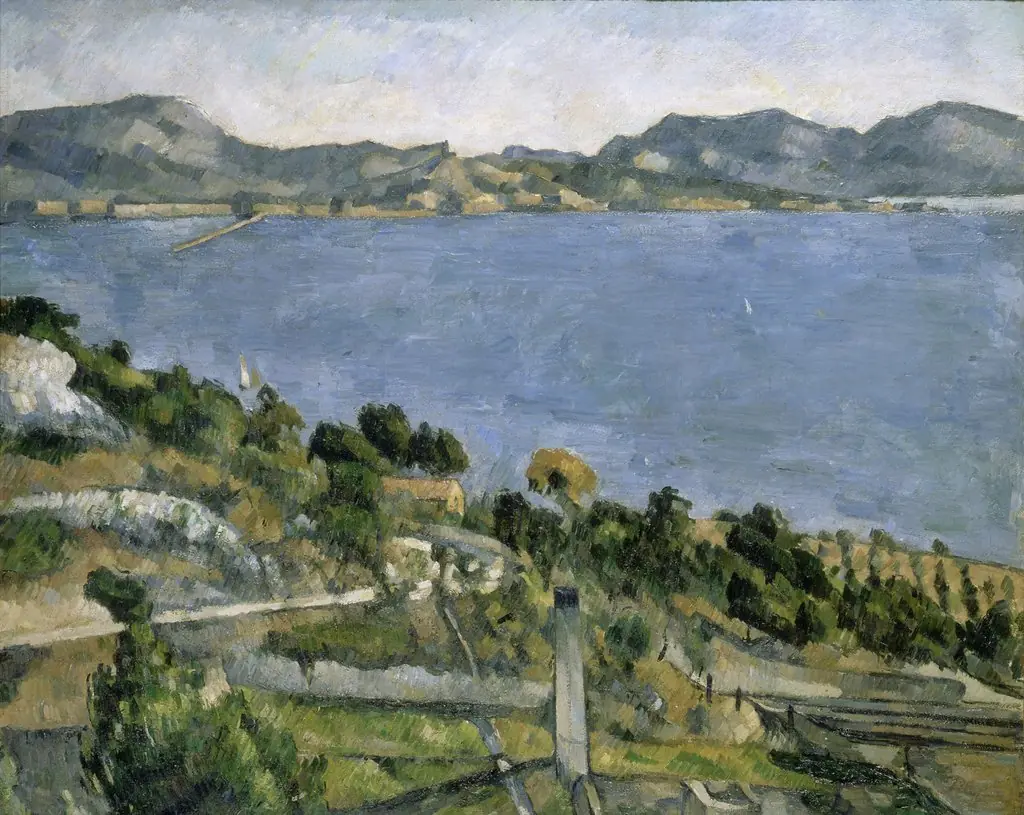 Le Golfe de Marseille vu de l'Estaque (The Gulf of Marseille Seen from L'Estaque)
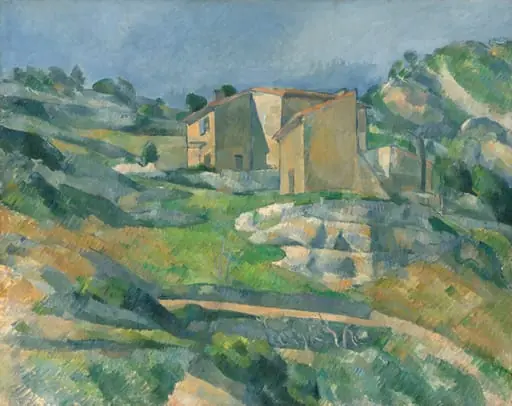 Houses in Provence: The Riaux Valley near L'Estaque
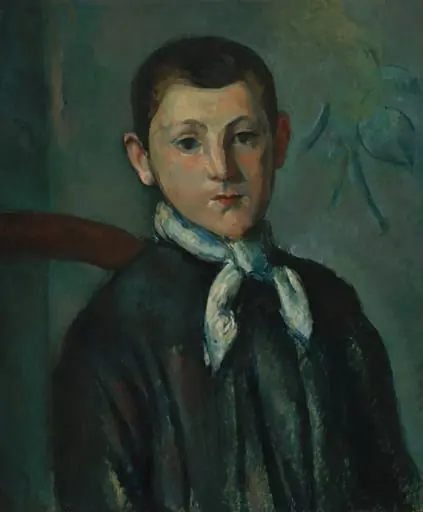 Louis Guillaume
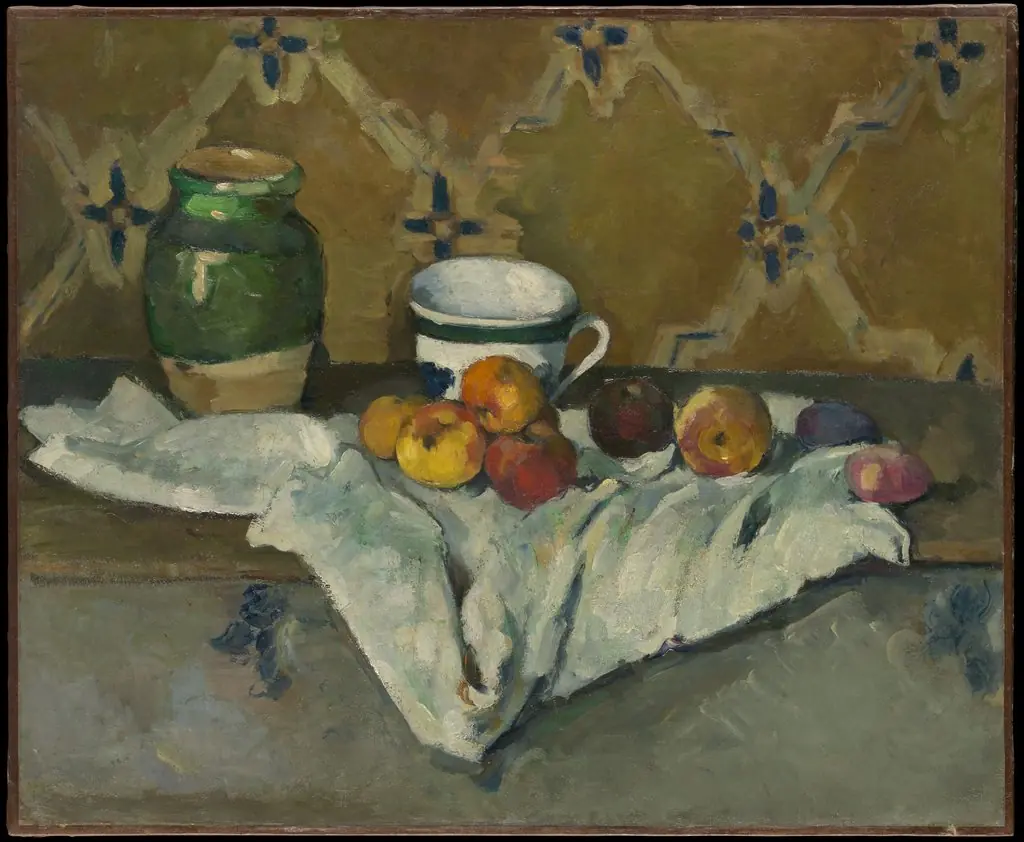 Still Life with Jar, Cup, and Apples