Artwork
Chair and Dresser
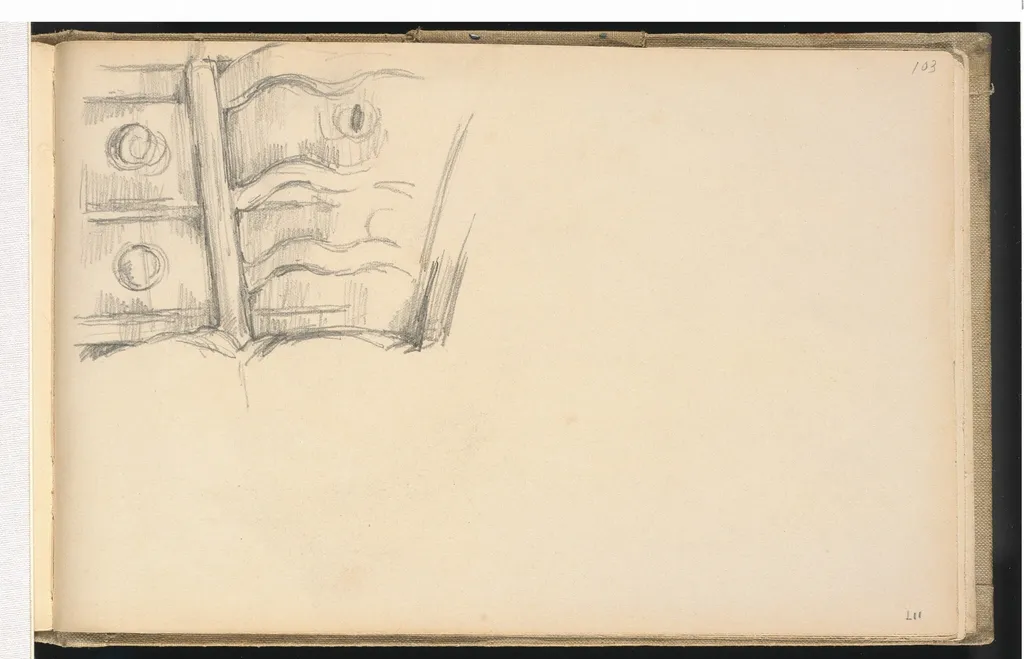
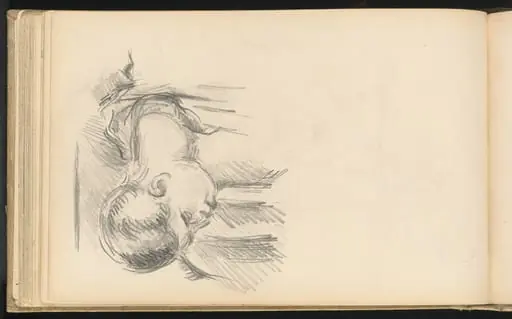
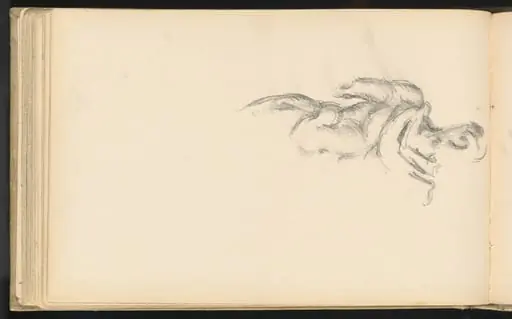
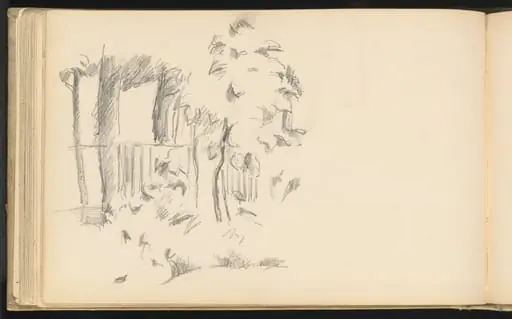
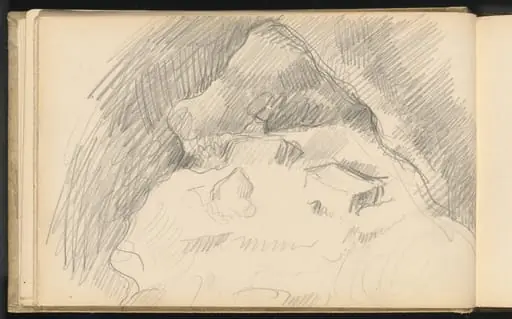
Chair and Dresser is a graphite drawing by the Impressionist artist Paul Cezanne. It dates from 1882 and is held in the collection of the National Gallery of Art.
About this work
Overview
The composition is unadorned, focusing on the spatial relationship between two common household objects without narrative or embellishment.
Created in 1882, this graphite drawing by Paul Cézanne depicts a simple interior arrangement: a dresser with four circular-knobbed drawers and a chair placed beside it. Executed on wove paper, the work belongs to a series of quiet, observational sketches Cézanne made during his time in Provence. The composition is unadorned, focusing on the spatial relationship between two common household objects without narrative or embellishment.
Subject & Meaning
The chair and dresser are rendered not as symbols but as physical presences. Their placement—chair backing against the dresser—suggests a momentary stillness, as if recently vacated. Cézanne’s choice to depict ordinary furniture reflects his interest in the dignity of the mundane. There is no idealization; the objects exist as they are, grounded in everyday life, inviting contemplation of form and presence over symbolism.
Technique & Style
Using graphite on smooth paper, Cézanne employed light, deliberate strokes to define edges and planes. The lines are precise yet unpolished, revealing the hand of the artist without theatrical flourish. Shading is minimal, relying on contour and spatial arrangement to suggest volume. The roughness of the mark-making conveys immediacy, as if the drawing was made in real time, capturing the objects’ weight and position without revision.
History & Provenance
This drawing emerged during a period when Cézanne was increasingly focused on still-life and interior studies, often working in his studio in Aix-en-Provence. It was likely part of a private practice, not intended for public display. Its survival suggests it was retained by the artist or a close associate. The work entered a public collection in the 20th century, where it is now preserved as evidence of his methodical approach to observation.
Context
In the early 1880s, Cézanne was moving away from the dramatic brushwork of his early years toward a more structured, analytical style. This drawing aligns with his growing interest in geometric simplification and the underlying architecture of objects. Unlike academic still lifes of the time, his approach avoided ornamentation, instead seeking to understand form through direct, repeated observation of ordinary subjects.
Legacy
This sketch exemplifies Cézanne’s influence on modern art’s shift toward abstraction through observation. His unembellished treatment of furniture prefigured the formal concerns of Cubism and later modernist drawing. Though modest in scale and medium, such works became foundational for artists seeking to deconstruct reality not through illusion, but through the disciplined study of shape, space, and structure.
Artist & collection
Artist
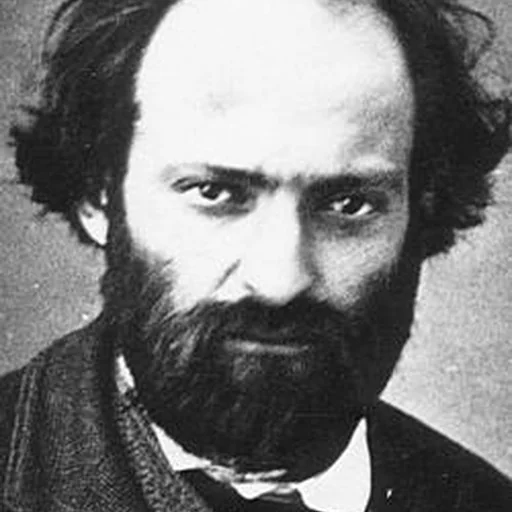
Paul Cézanne was born on January 19, 1839, in Aix-en-Provence, the son of a hatter turned wealthy banker.

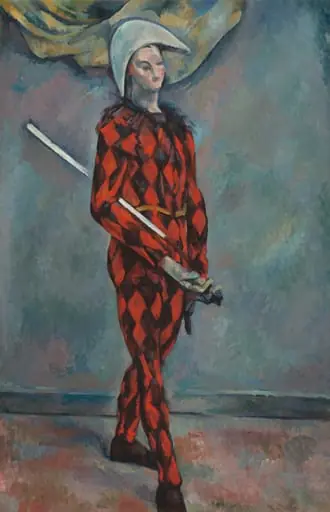 Harlequin
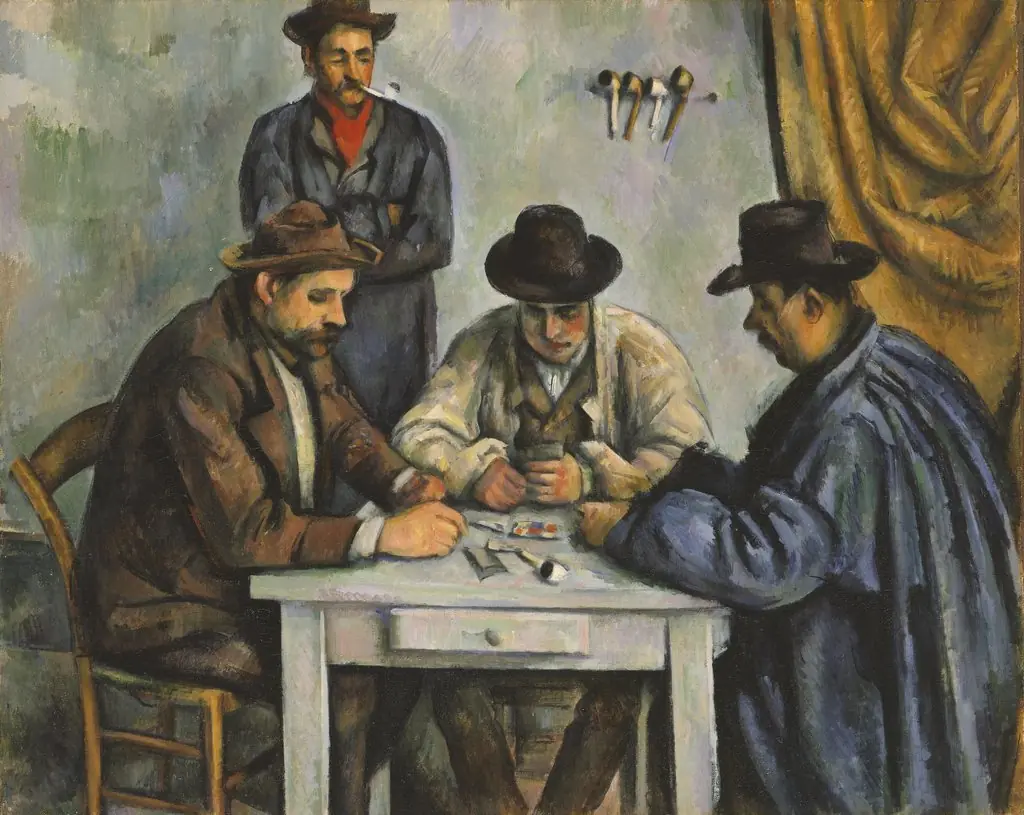 The Card Players
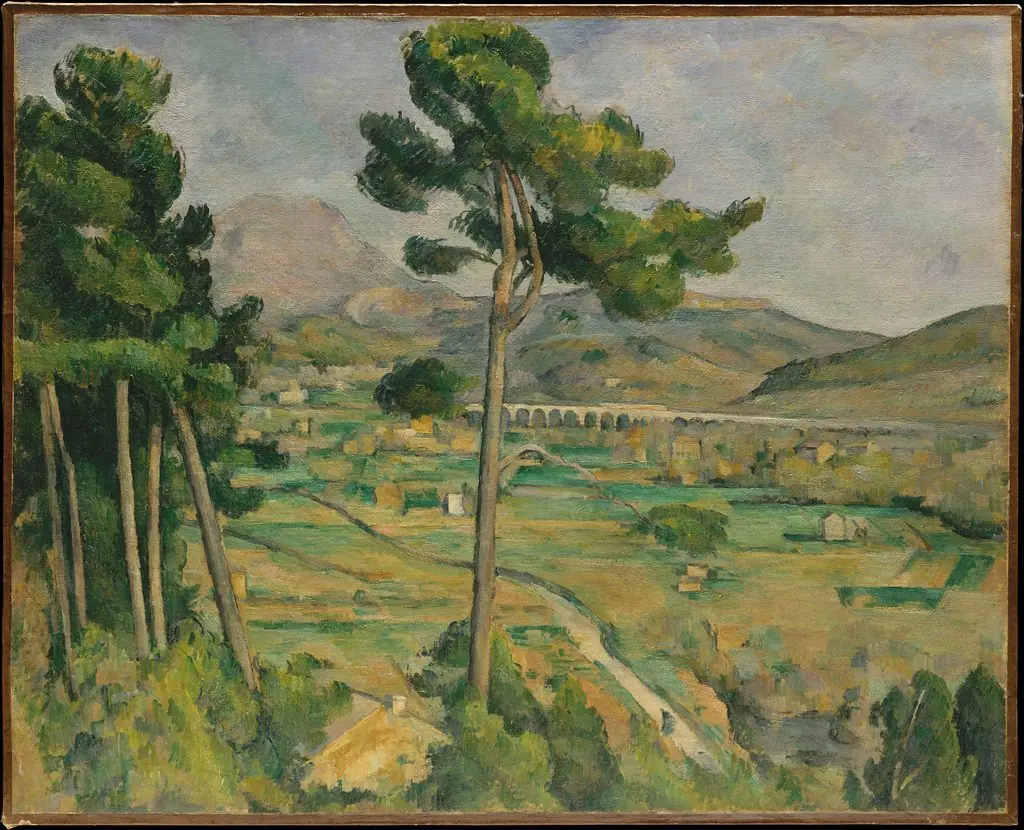 Mont Sainte-Victoire and the Viaduct of the Arc River Valley
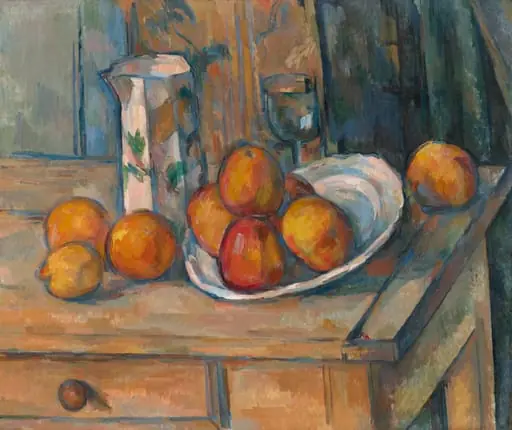 Still Life with Milk Jug and Fruit
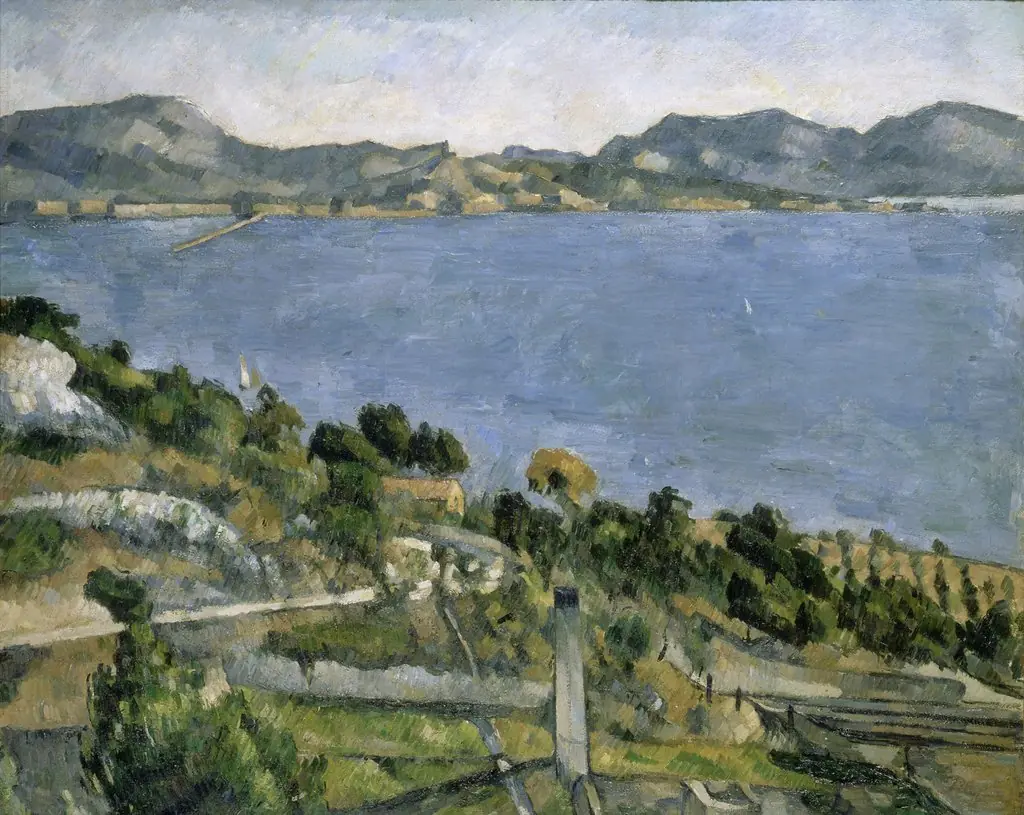 Le Golfe de Marseille vu de l'Estaque (The Gulf of Marseille Seen from L'Estaque)
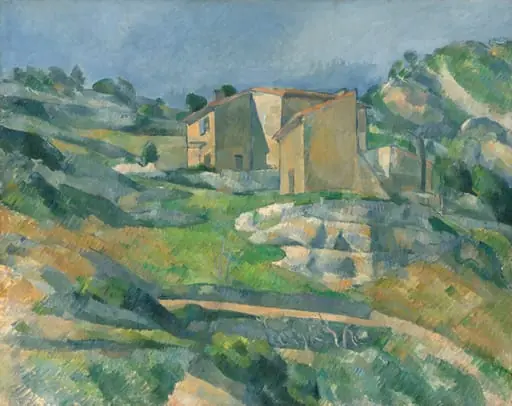 Houses in Provence: The Riaux Valley near L'Estaque
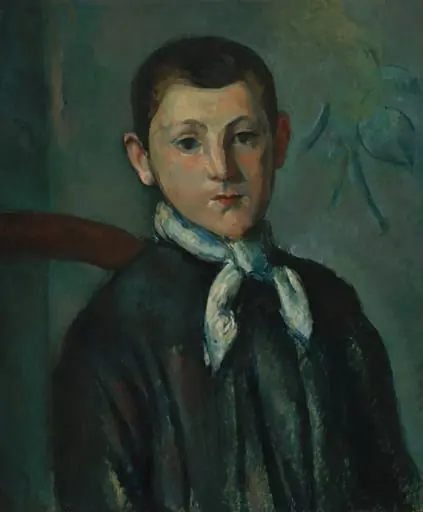 Louis Guillaume
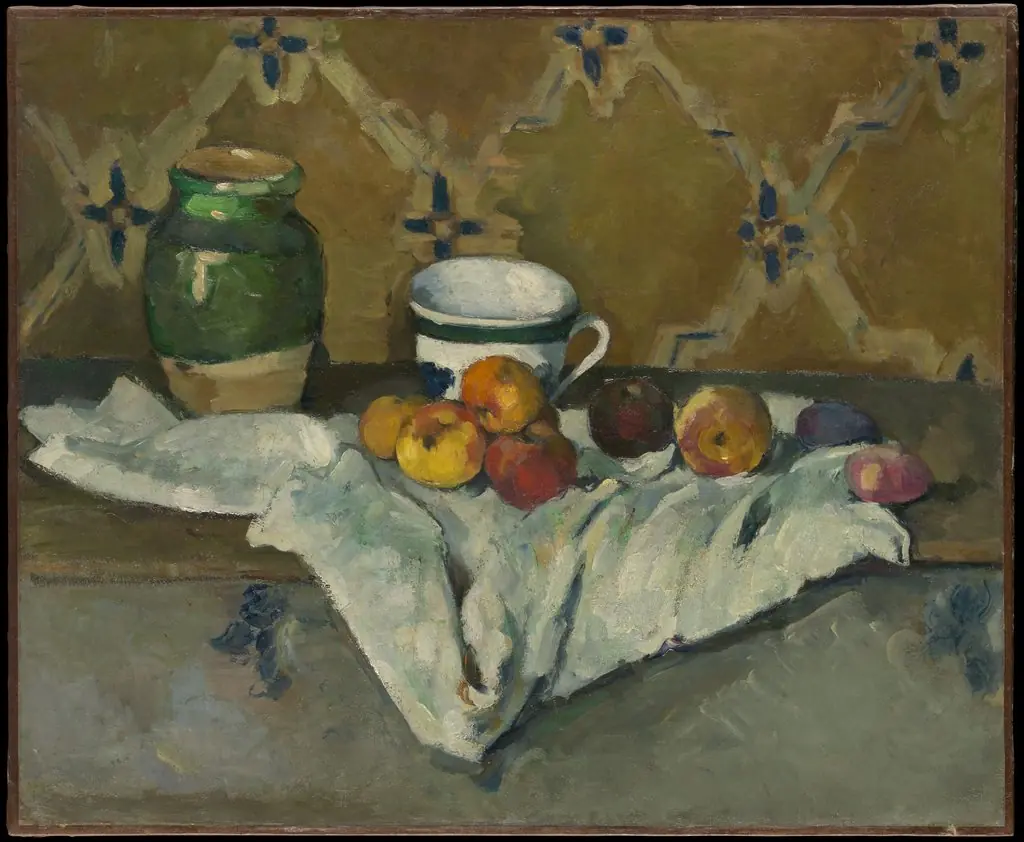 Still Life with Jar, Cup, and Apples