Artwork
The Plaster Mill (La Moulin à plâtre)
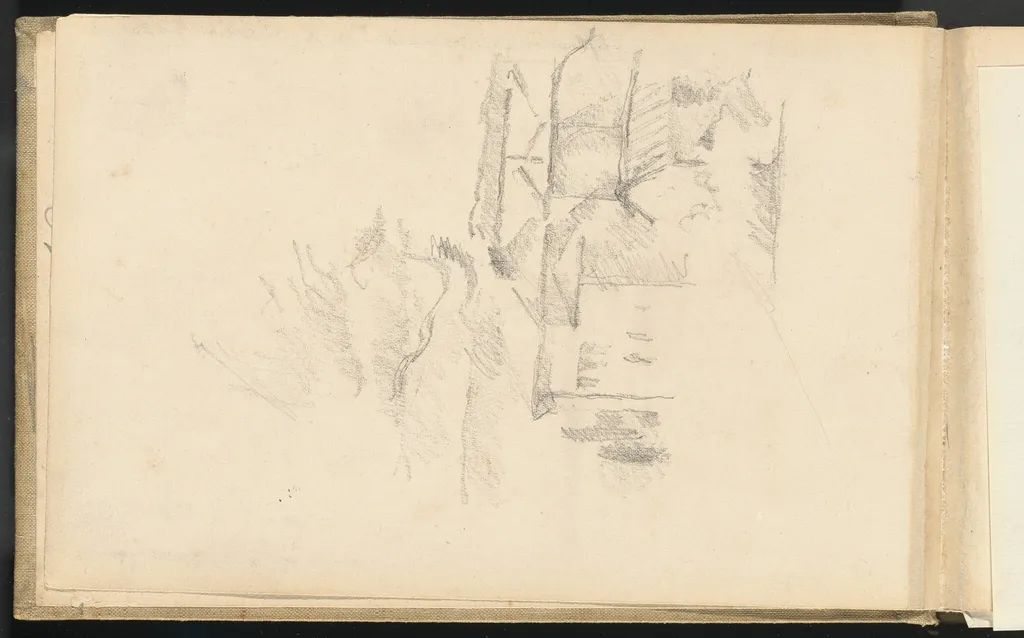
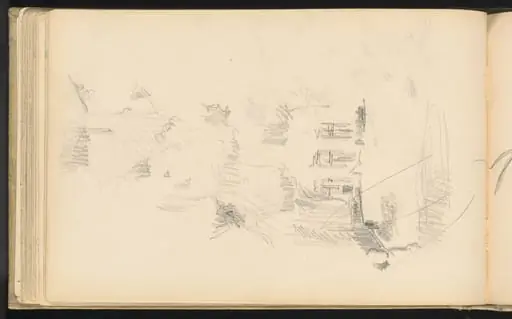
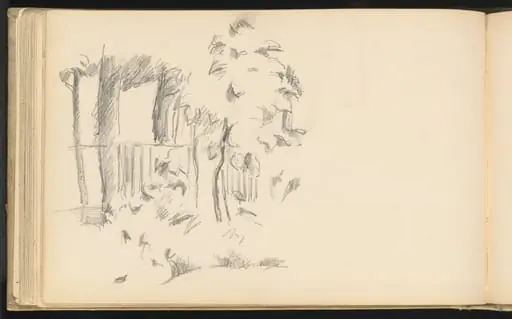
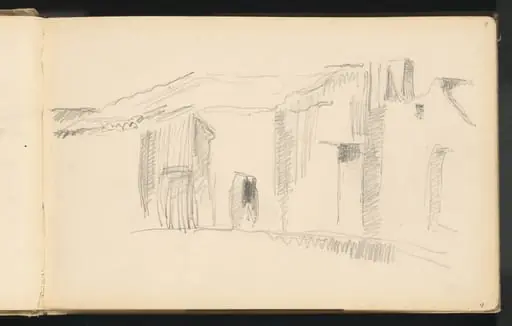
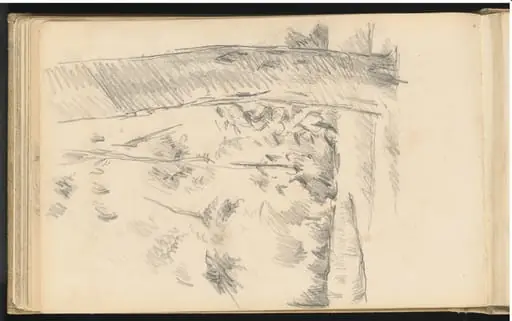
The Plaster Mill (La Moulin à plâtre) is a graphite drawing by the Impressionist artist Paul Cezanne. It dates from 1890 and is held in the collection of the National Gallery of Art.
About this work
Overview
Paul Cézanne’s drawing titled The Plaster Mill (La Moulin à plâtre) dates from 1890. Executed in graphite on wove paper, the work records a modest architectural scene—a mill surrounded by trees—rendered in a brief, gestural manner. The composition is limited to essential forms, allowing the viewer to discern the structure and foliage without elaborate detailing.
Technique & Style
Cézanne employed quick, uneven graphite strokes that convey a sense of immediacy. The lines vary in pressure, producing both crisp edges and smudged areas where the medium has been deliberately softened. This approach emphasizes overall shape and spatial relationships over precise rendering, aligning the drawing with the broader late‑19th‑century shift toward freer, more expressive draftsmanship.
Subject & Meaning
The drawing captures a functional plaster mill set within a rural landscape, suggesting an interest in everyday industrial architecture. By reducing the scene to its basic geometric components, Cézanne invites contemplation of the underlying structure of the built environment, a concern that recurs throughout his oeuvre.
Context
Created during a period when Cézanne was moving beyond Impressionist concerns, the work reflects his exploration of form and volume. The loose handling of graphite anticipates the analytical approach that would later influence early modernist movements, positioning the sketch as a transitional piece within the artist’s development.
Artist & collection
Artist
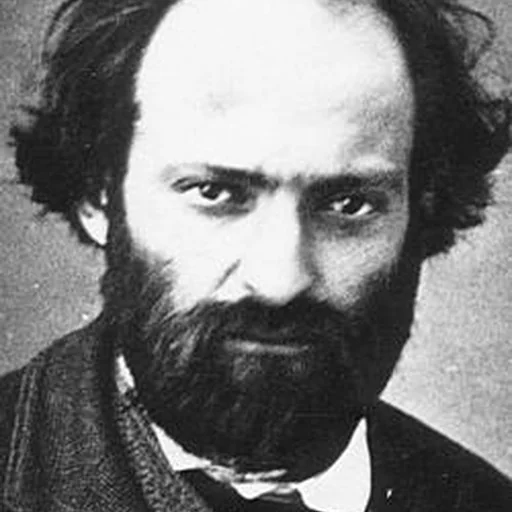
Paul Cézanne was born on January 19, 1839, in Aix-en-Provence, the son of a hatter turned wealthy banker.

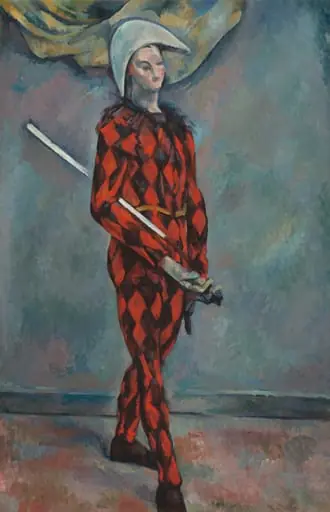 Harlequin
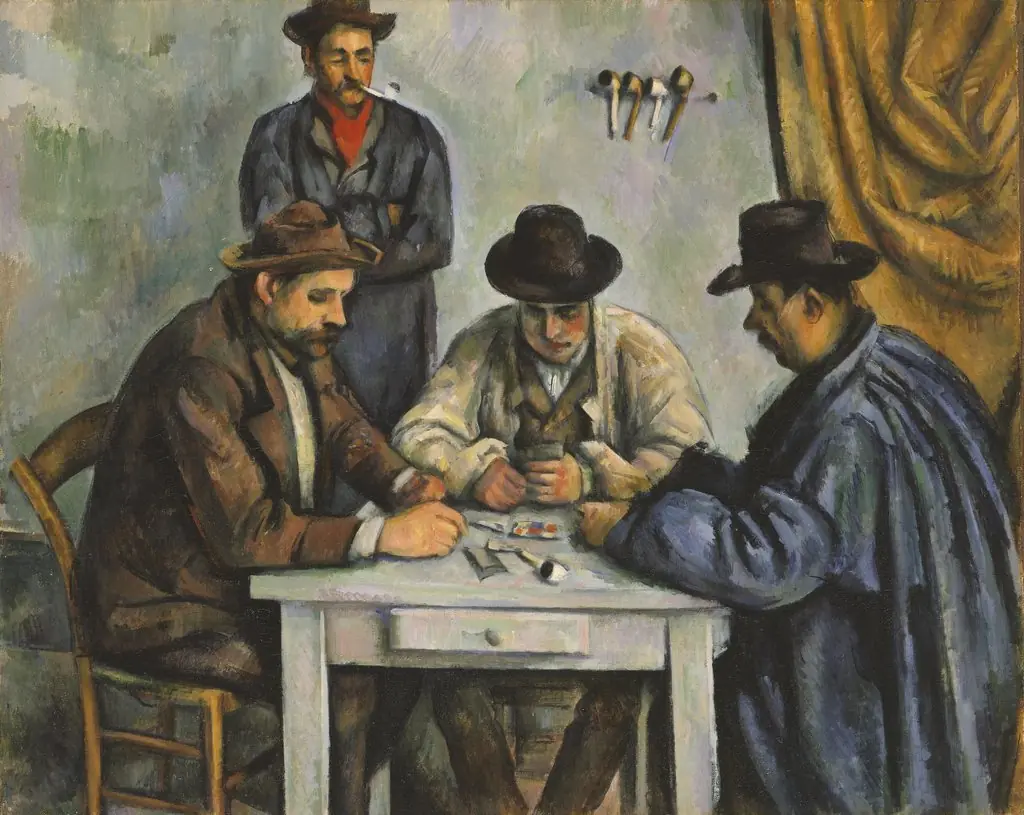 The Card Players
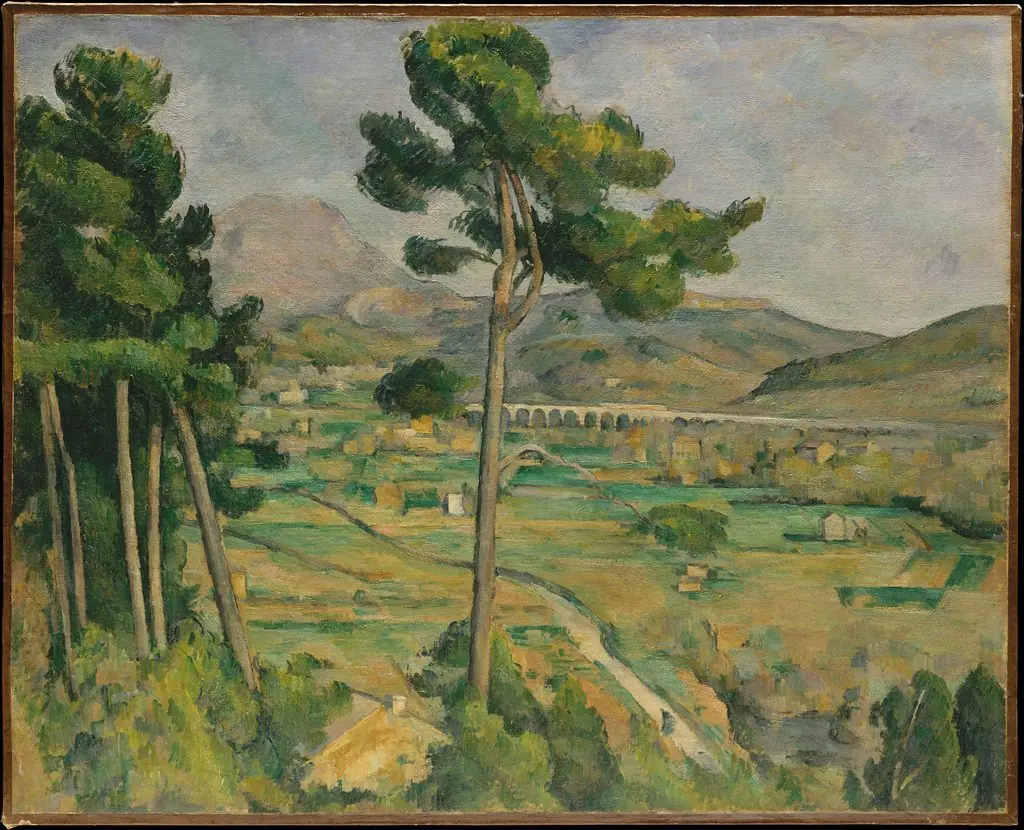 Mont Sainte-Victoire and the Viaduct of the Arc River Valley
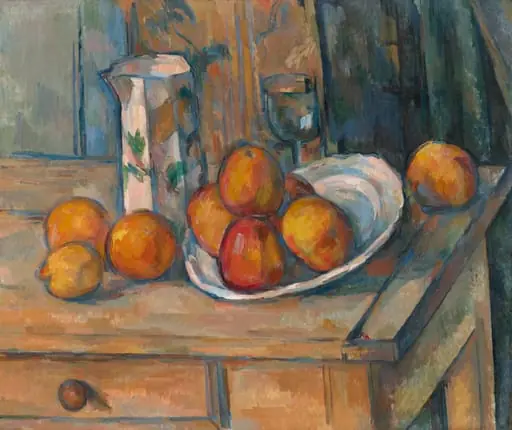 Still Life with Milk Jug and Fruit
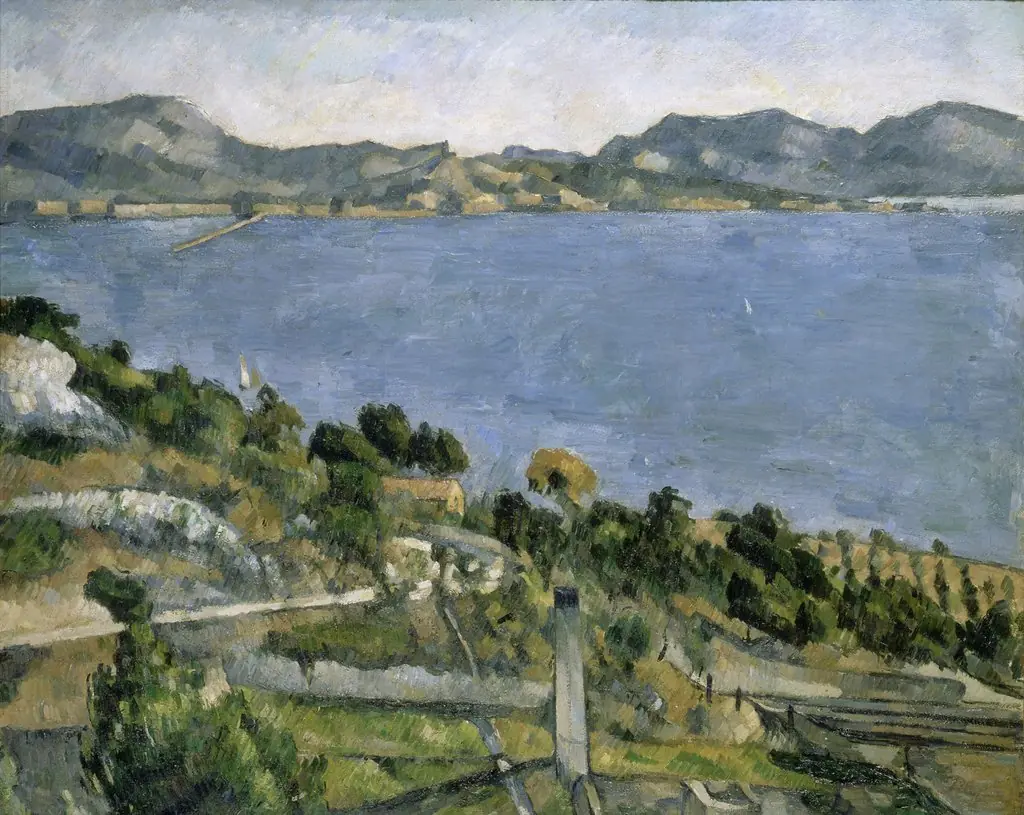 Le Golfe de Marseille vu de l'Estaque (The Gulf of Marseille Seen from L'Estaque)
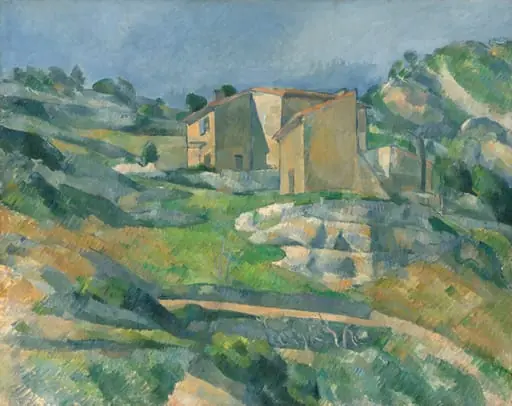 Houses in Provence: The Riaux Valley near L'Estaque
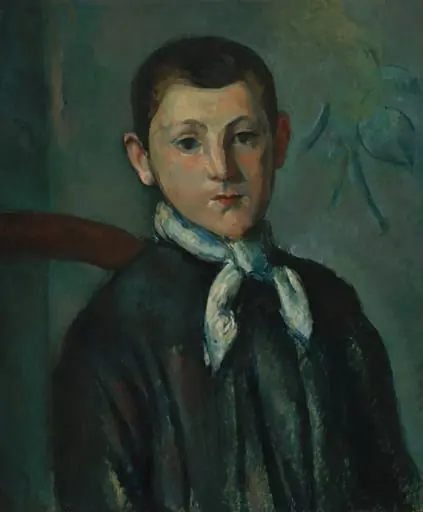 Louis Guillaume
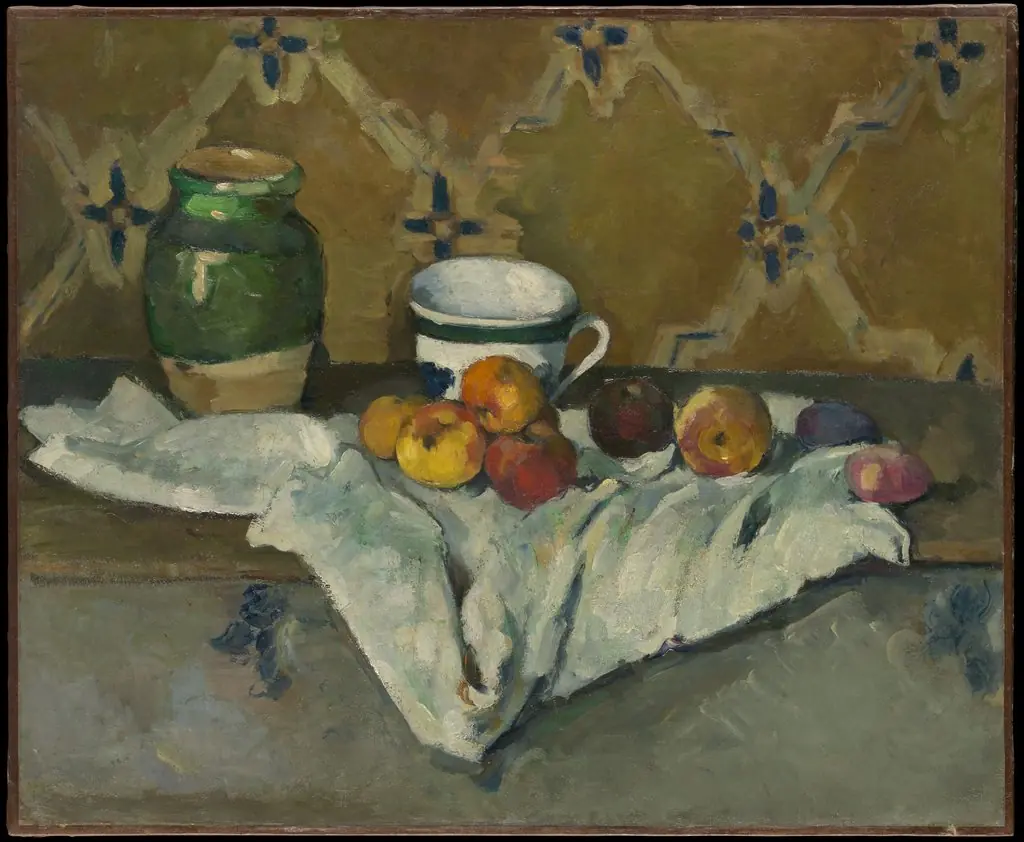 Still Life with Jar, Cup, and Apples