Artwork
Study of a Decorative Ornament
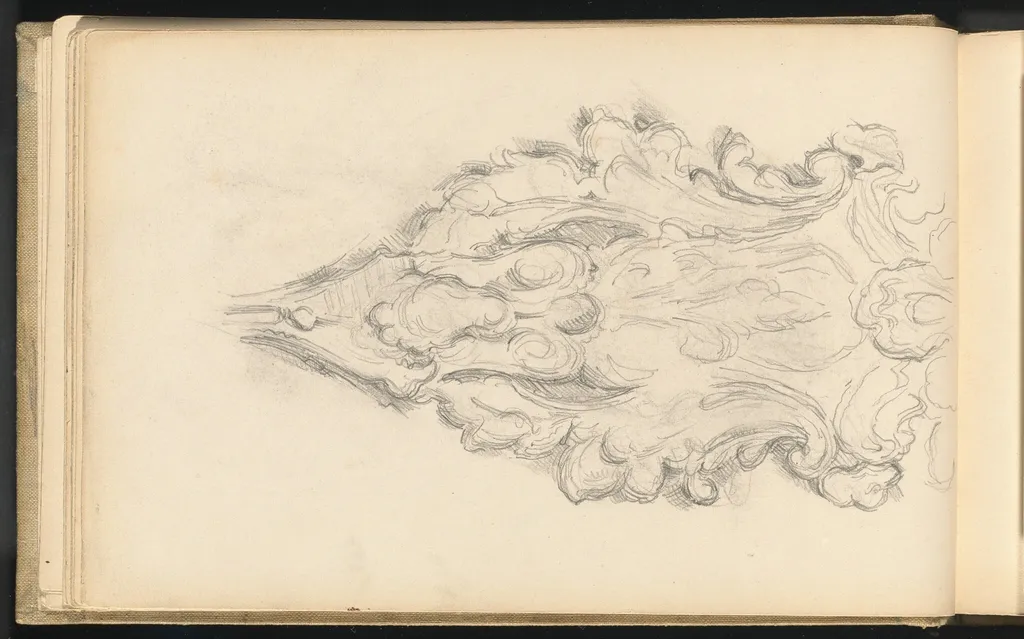
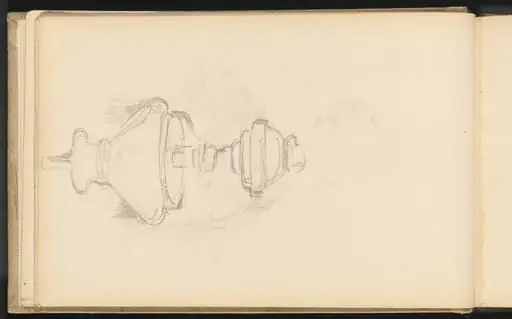
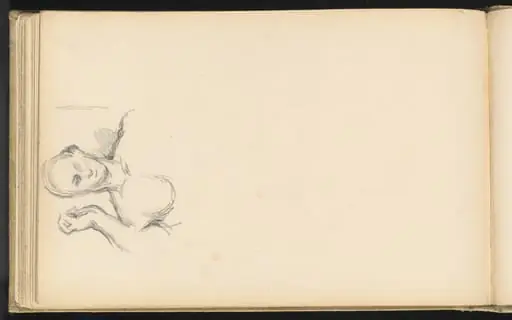
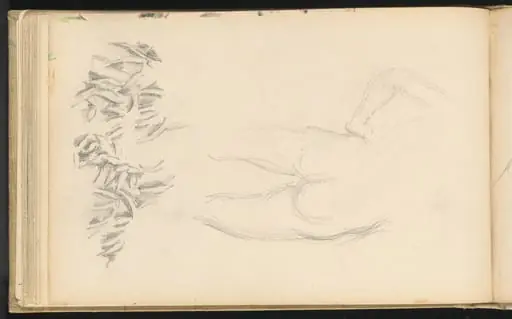
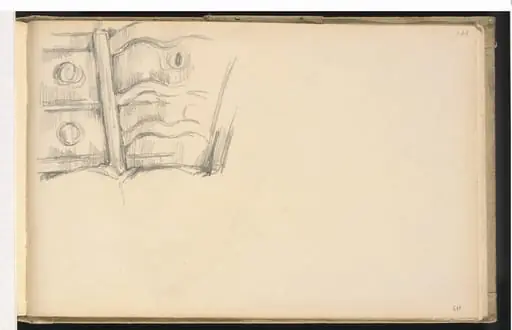
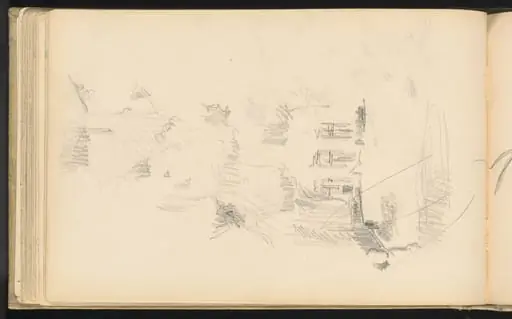
Study of a Decorative Ornament is a graphite drawing by the Impressionist artist Paul Cezanne. It dates from 1880 and is held in the collection of the National Gallery of Art.
About this work
Overview
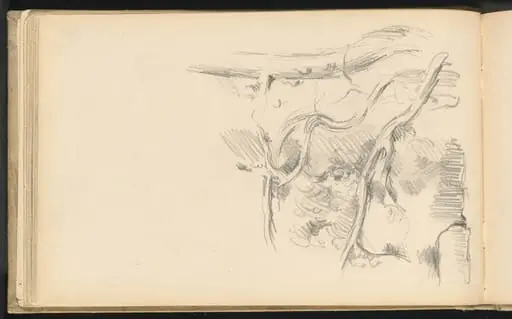
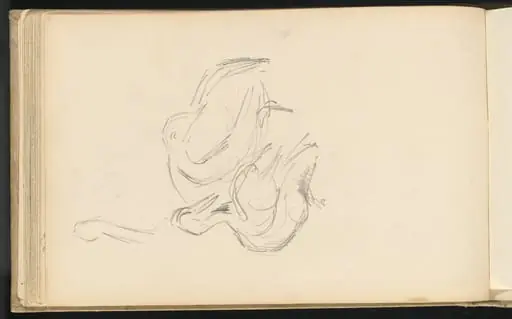
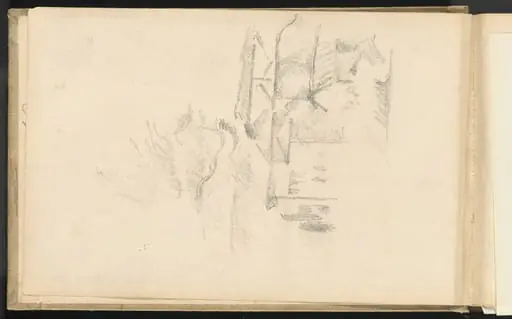
Paul Cézanne’s Study of a Decorative Ornament, executed in graphite on wove paper in 1880, is a modest drawing that captures a single ornamental motif. The composition consists of a stylized leaf‑like form rendered with fluid, undulating lines. The work appears as a preliminary sketch rather than a finished piece, offering insight into Cézanne’s preparatory process.
Subject & Meaning
The drawing isolates a decorative element resembling a leaf or a curving branch, stripped of surrounding context. By focusing on this singular shape, Cézanne explores the interplay of line and volume, using the motif as a study in how ornamental forms can be simplified yet retain a sense of natural movement.
Technique & Style
Rendered with graphite, the strokes vary from light, tentative lines to darker, more assertive marks where pressure is increased. The wavy, gestural quality of the lines reflects Cézanne’s interest in capturing the essence of a form quickly. The paper’s slight yellowing and frayed edges suggest the sketch was taken from a working notebook, emphasizing its informal, exploratory nature.
History & Provenance
Created in 1880, the drawing belongs to the early period of Cézanne’s career, when he was experimenting with compositional studies that would later inform his larger paintings. The work has remained within private collections before being acquired by its current institution, where it is displayed as an example of the artist’s preparatory methodology.
Artist & collection
Artist
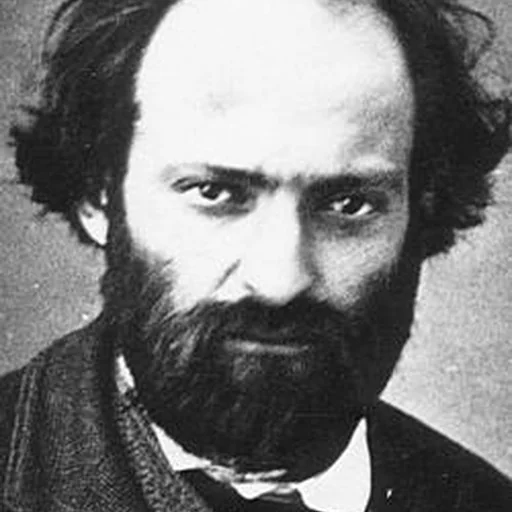
Paul Cézanne was born on January 19, 1839, in Aix-en-Provence, the son of a hatter turned wealthy banker.

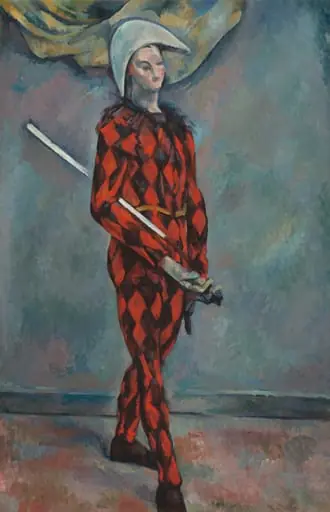 Harlequin
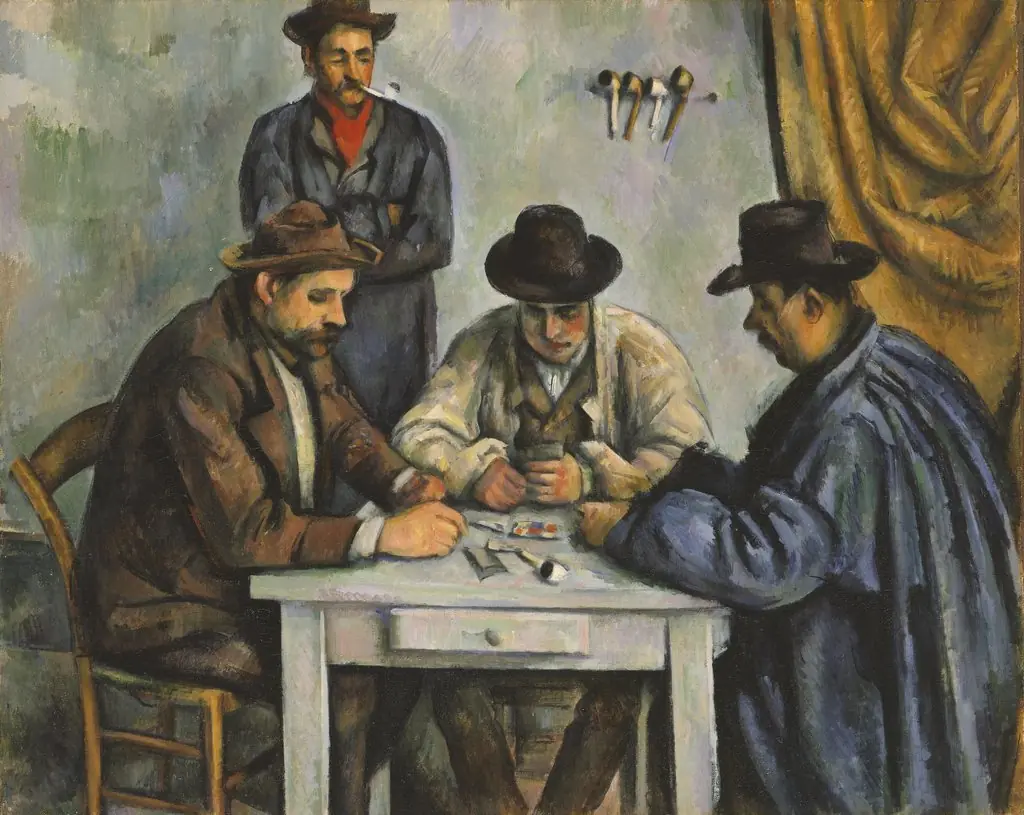 The Card Players
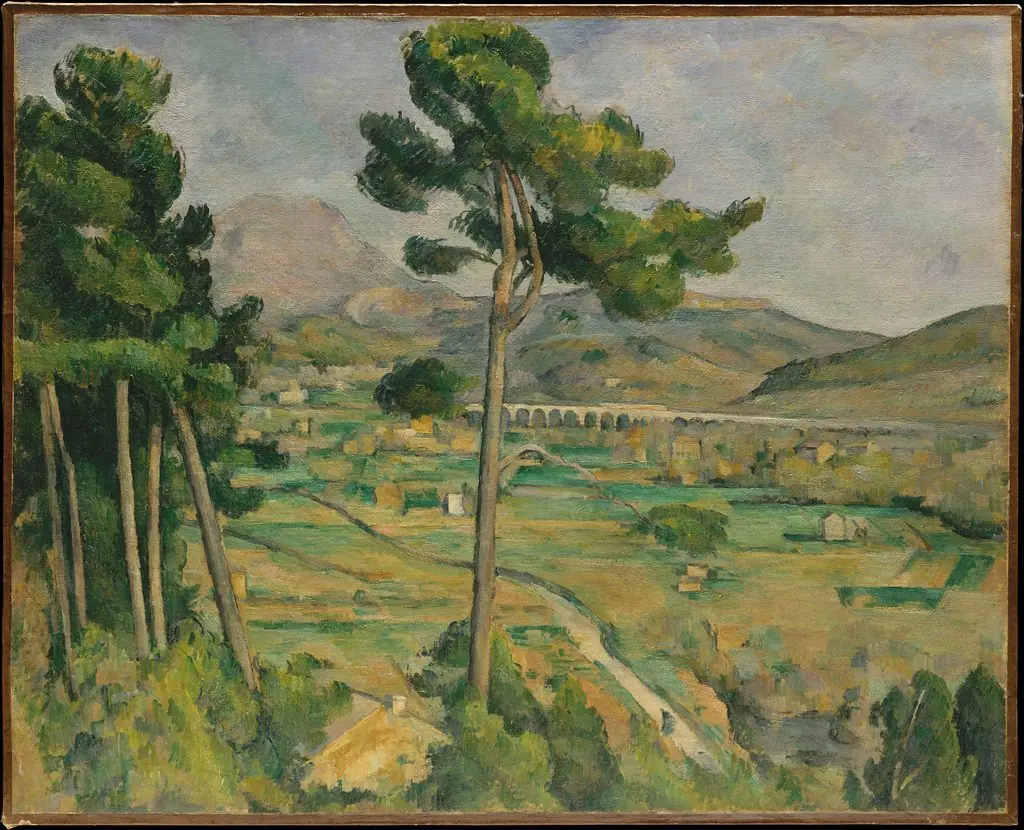 Mont Sainte-Victoire and the Viaduct of the Arc River Valley
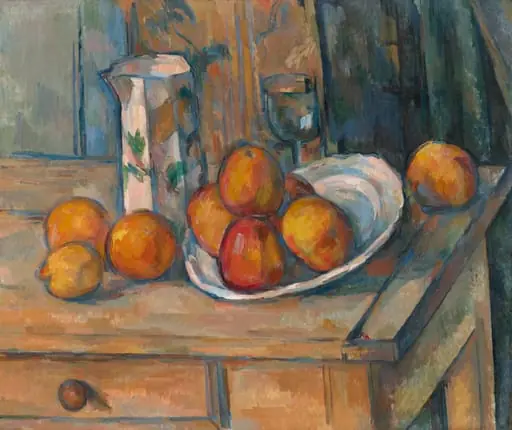 Still Life with Milk Jug and Fruit
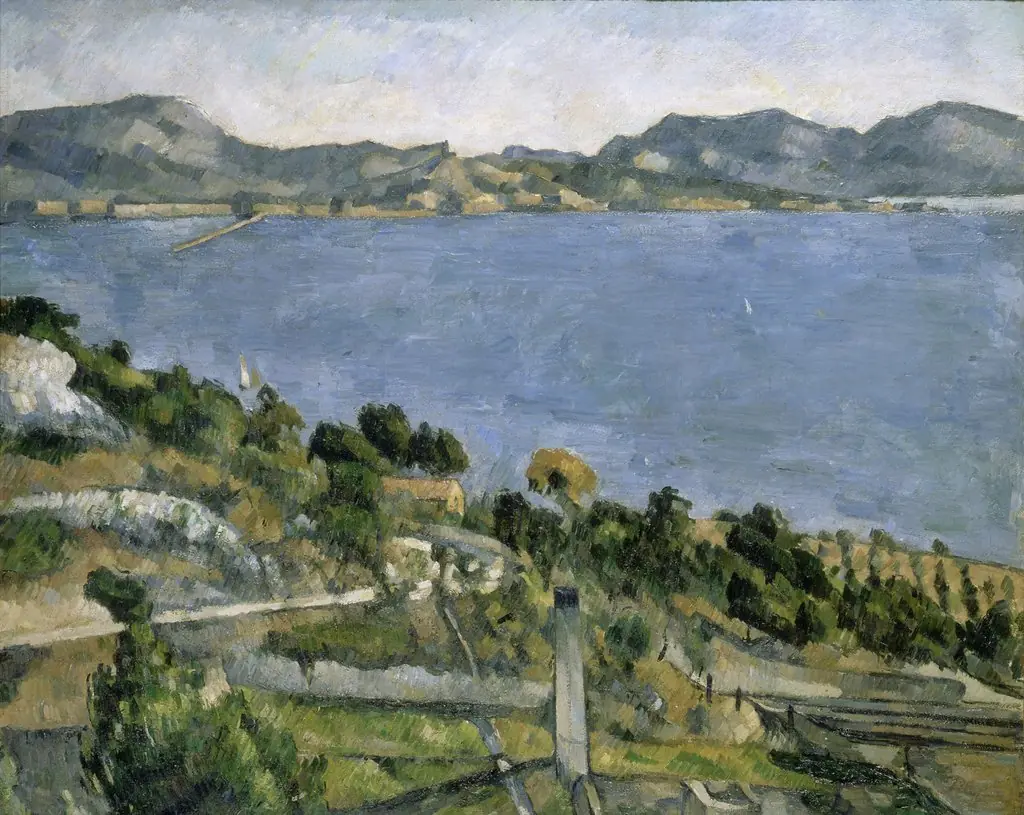 Le Golfe de Marseille vu de l'Estaque (The Gulf of Marseille Seen from L'Estaque)
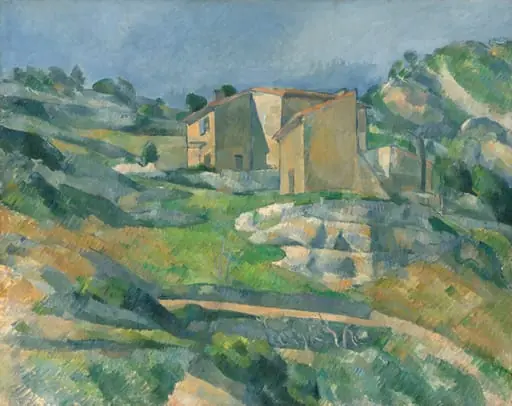 Houses in Provence: The Riaux Valley near L'Estaque
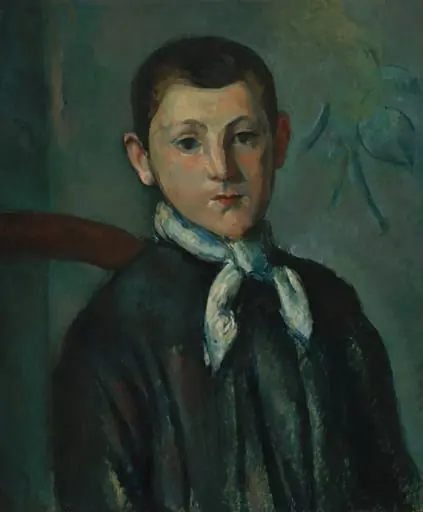 Louis Guillaume
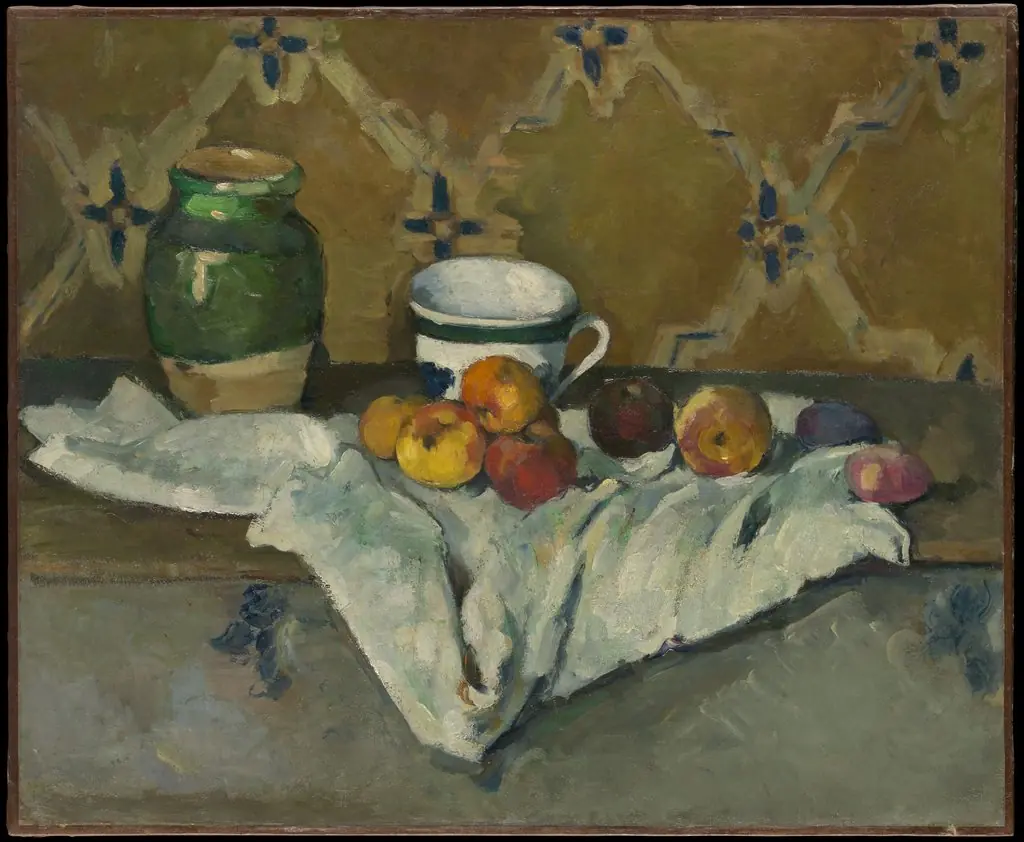 Still Life with Jar, Cup, and Apples