Artwork
Near the Pool at Jas de Bouffan
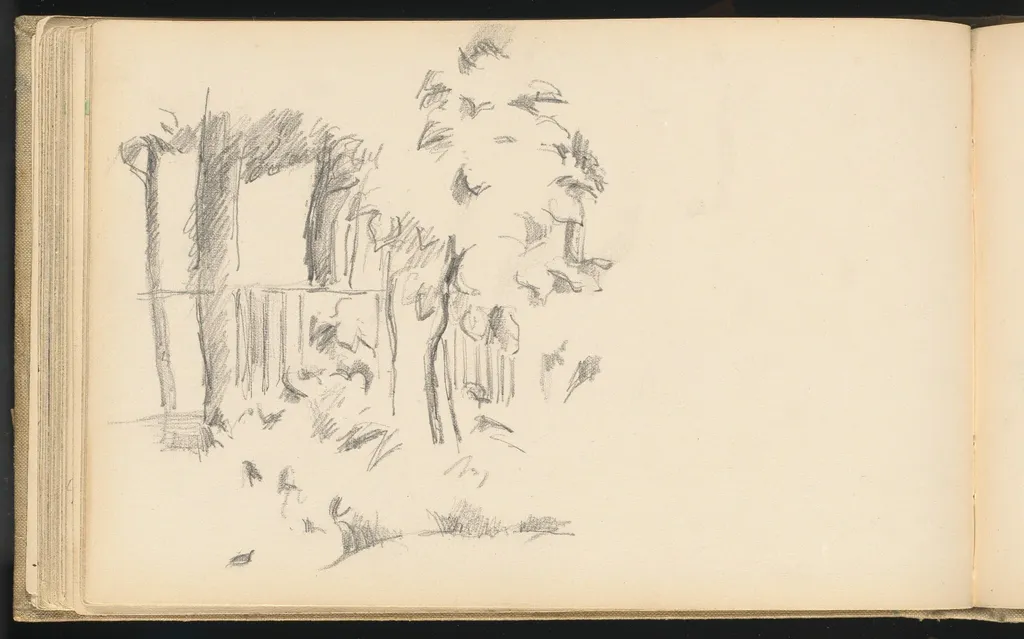
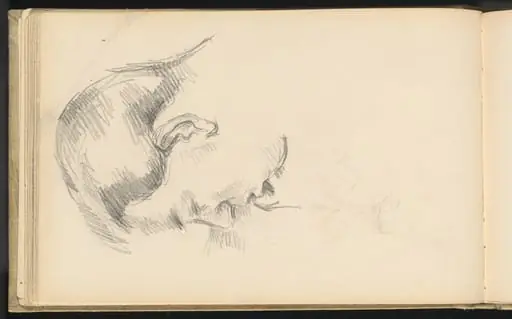
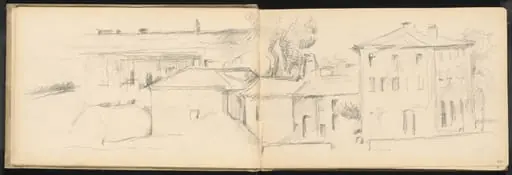
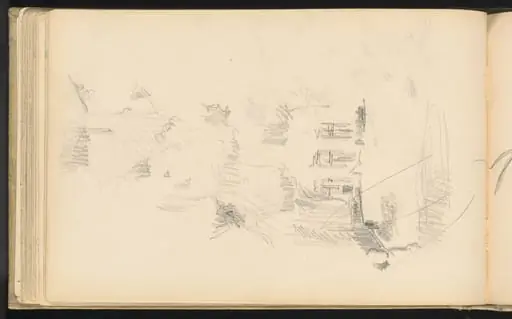
Near the Pool at Jas de Bouffan is a graphite drawing by the Impressionist artist Paul Cezanne. It dates from 1885 and is held in the collection of the National Gallery of Art. Created in 1885, this graphite drawing by Paul Cézanne depicts a quiet corner of the Jas de Bouffan estate near Aix-en-Provence.
About this work
Overview
Created in 1885, this graphite drawing by Paul Cézanne depicts a quiet corner of the Jas de Bouffan estate near Aix-en-Provence.
Created in 1885, this graphite drawing by Paul Cézanne depicts a quiet corner of the Jas de Bouffan estate near Aix-en-Provence. Executed on wove paper, the piece captures a moment of stillness around a pool, reflecting Cézanne’s sustained interest in the landscape surrounding his family’s property. The medium’s simplicity underscores his focus on structure and spatial relationships rather than decorative effect.
Subject & Meaning
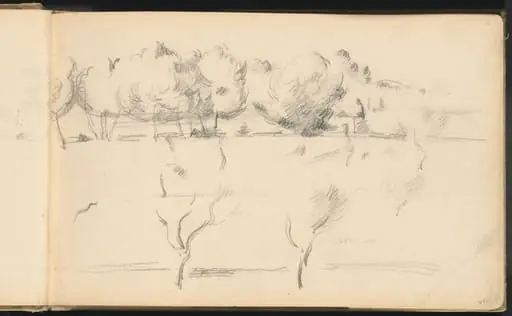
The drawing portrays a secluded pool surrounded by trees and low stone walls, suggesting a private, contemplative space. There are no figures, yet the arrangement implies human presence through the paths and boundaries that frame the water. Cézanne treats the landscape not as a backdrop but as a composed geometry, revealing his evolving perception of nature as an ordered, enduring form.
Technique & Style
Using graphite on smooth wove paper, Cézanne employs delicate, measured lines to define forms and suggest depth. His strokes are controlled yet varied in pressure, creating subtle tonal gradations that model the land and foliage without shading. The composition avoids atmospheric perspective, favoring flat planes and interlocking shapes that anticipate his later structural approach to painting.
History & Provenance
The drawing originates from Cézanne’s personal collection at Jas de Bouffan, where he spent much of his time between 1870 and 1890. It remained in the family’s possession until the early 20th century, later entering a private collection in France. Its documented history aligns with other works from this period, reflecting Cézanne’s daily engagement with the estate’s terrain.
Context
In the mid-1880s, Cézanne was refining his method of translating observed nature into structured compositions. This drawing coincides with his experiments in oil painting at Jas de Bouffan, where he sought to reconcile impressionist observation with a more enduring formal logic. The work reflects his retreat from public exhibitions and his deepening focus on personal, repetitive study of familiar landscapes.
Legacy
This drawing exemplifies Cézanne’s transition toward a more analytical mode of seeing, influencing later modernist approaches to form and space. Its restrained technique and emphasis on geometric structure prefigure the Cubist interest in fragmented planes. Though not widely exhibited, it remains a key example of his private process—where observation became the foundation for radical artistic renewal.
Artist & collection
Artist
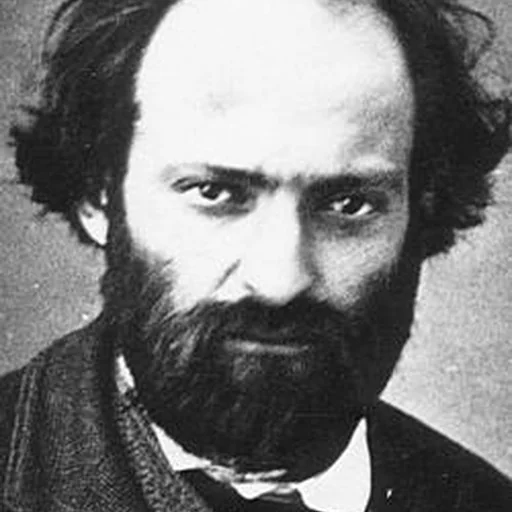
Paul Cézanne was born on January 19, 1839, in Aix-en-Provence, the son of a hatter turned wealthy banker.

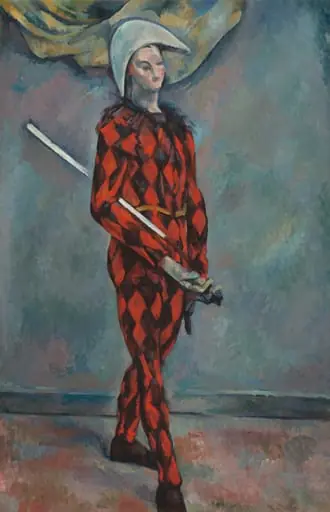 Harlequin
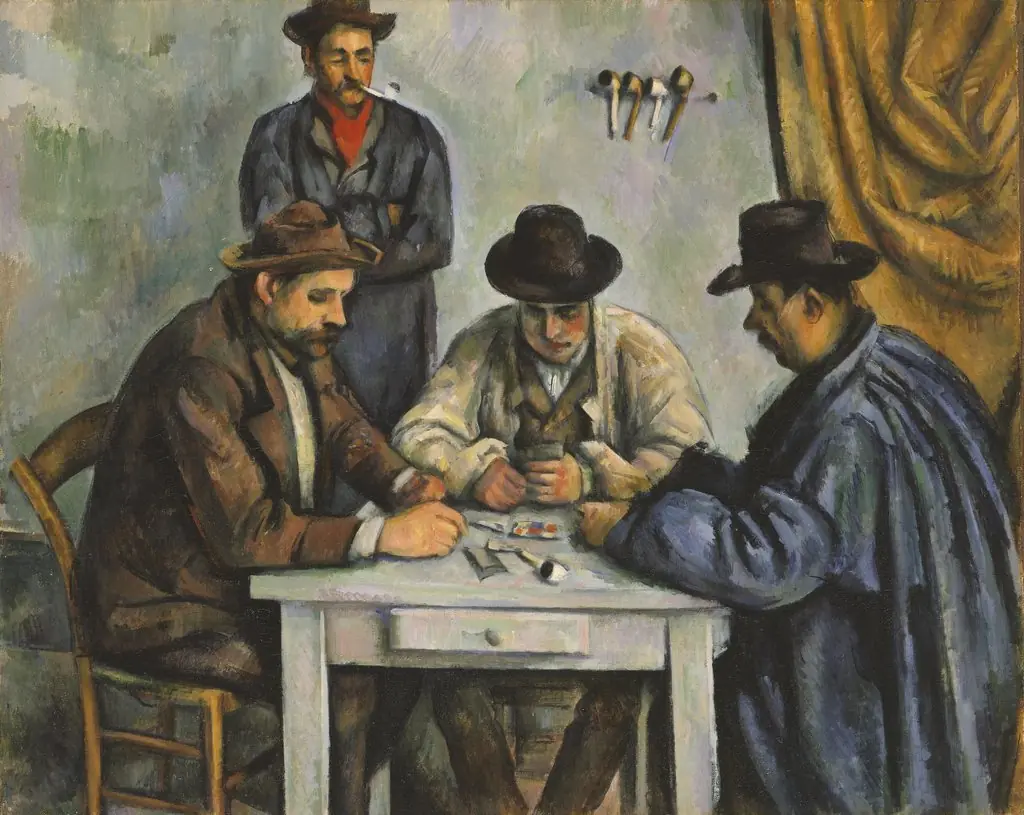 The Card Players
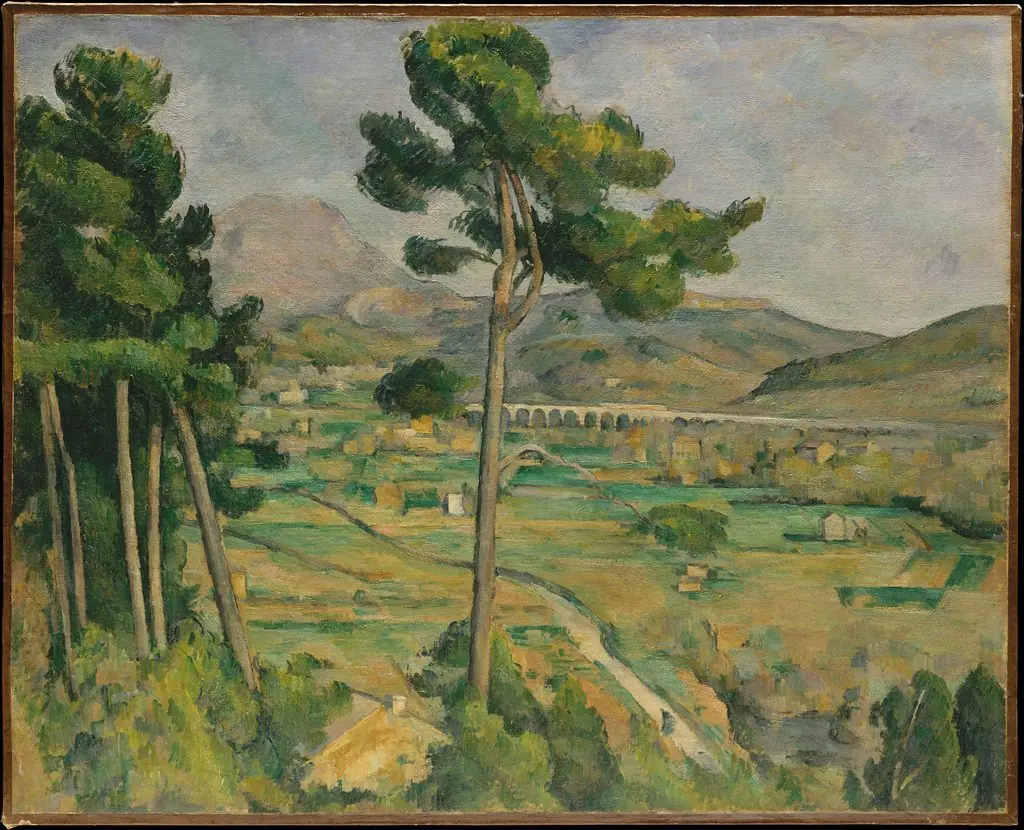 Mont Sainte-Victoire and the Viaduct of the Arc River Valley
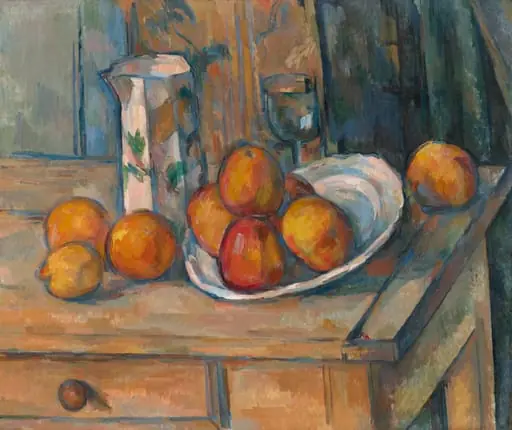 Still Life with Milk Jug and Fruit
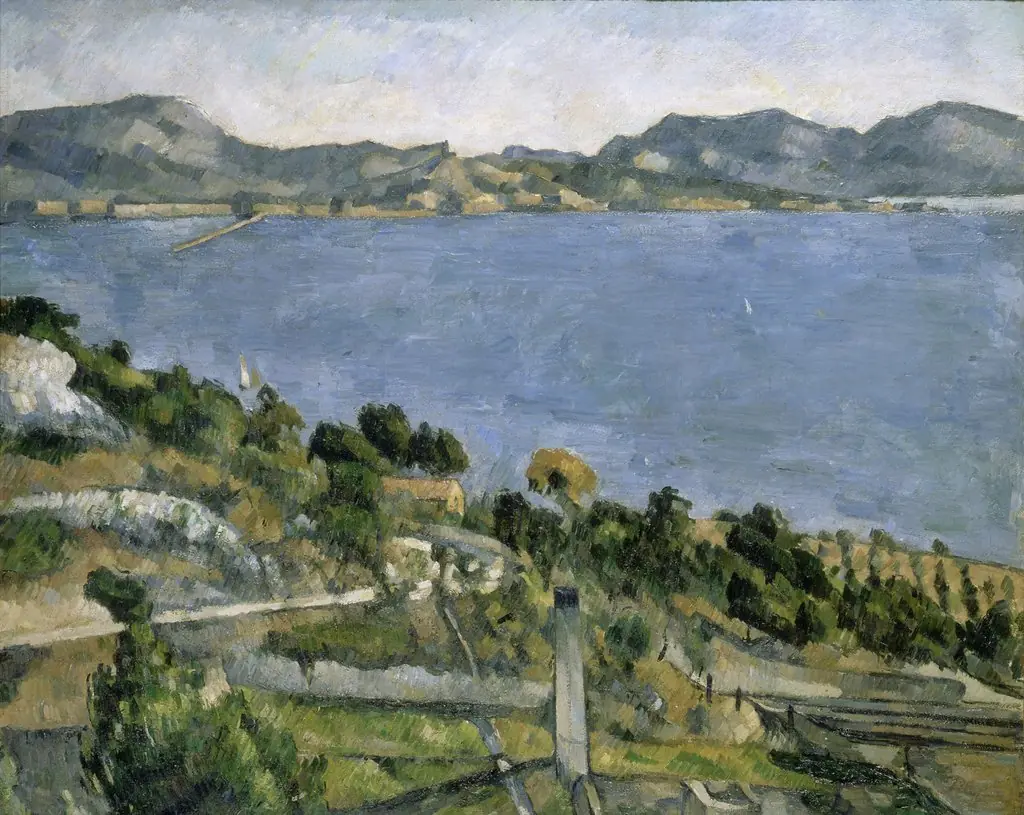 Le Golfe de Marseille vu de l'Estaque (The Gulf of Marseille Seen from L'Estaque)
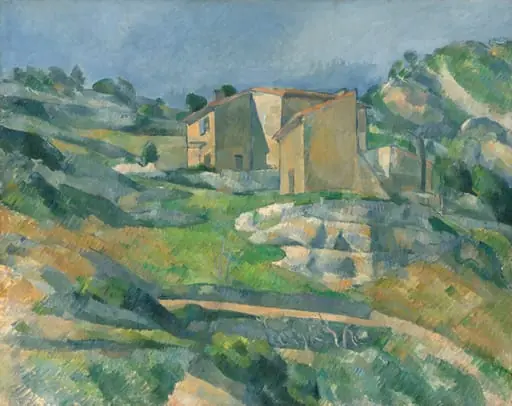 Houses in Provence: The Riaux Valley near L'Estaque
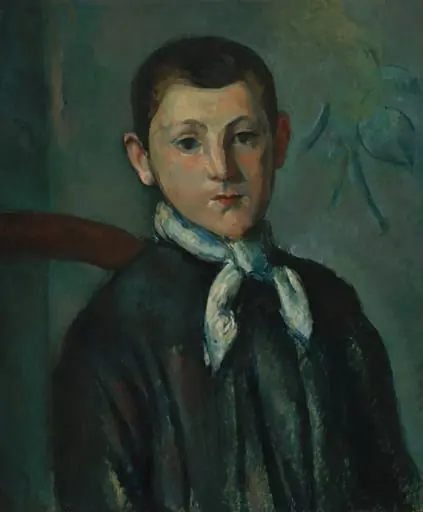 Louis Guillaume
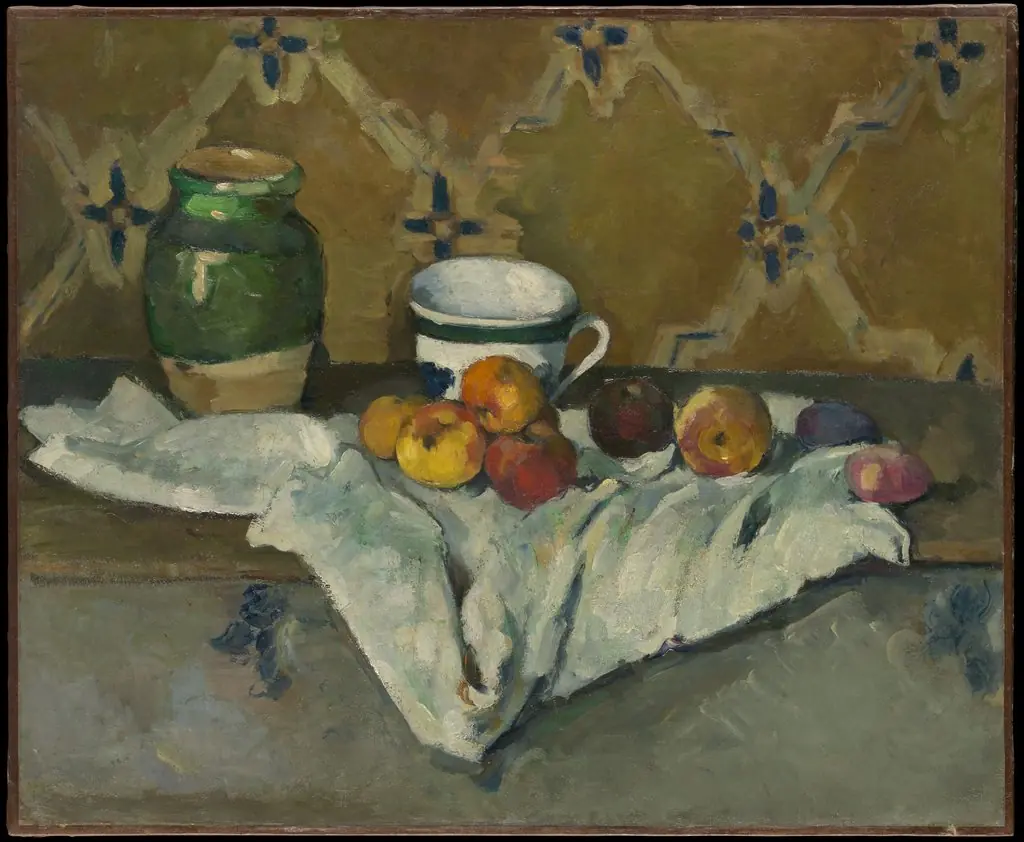 Still Life with Jar, Cup, and Apples