Artwork
Study of the Allegorical Figure Bellona in Rubens' "The Apotheosis of Henri IV"
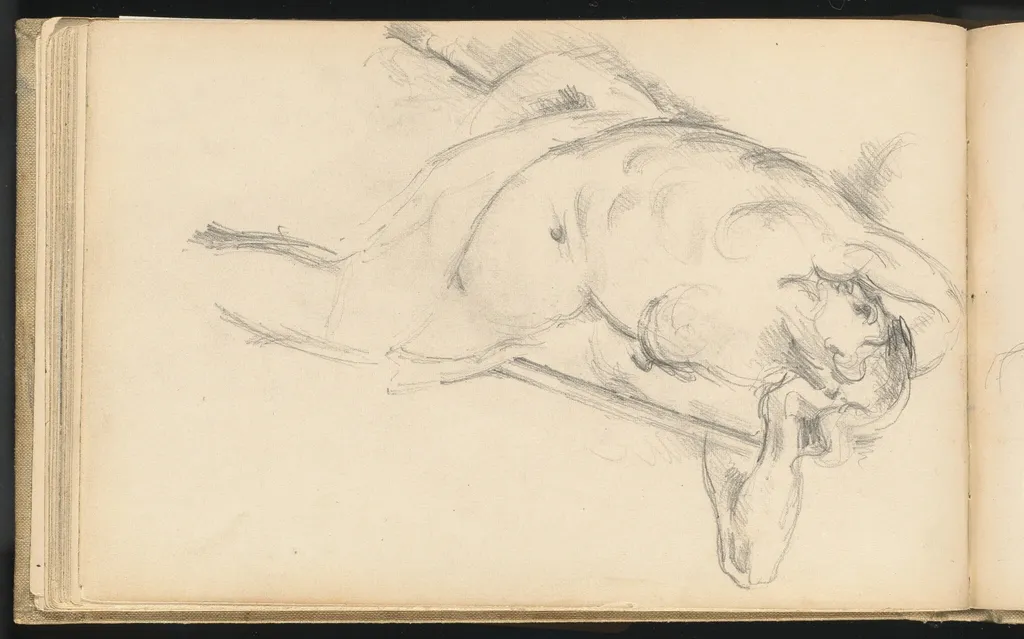
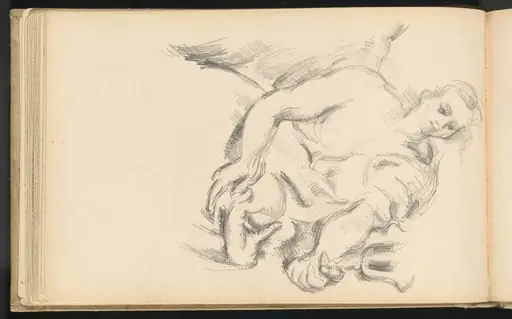
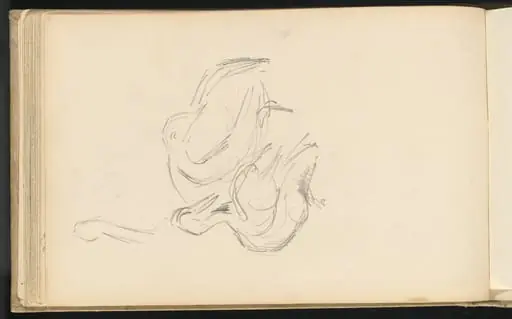
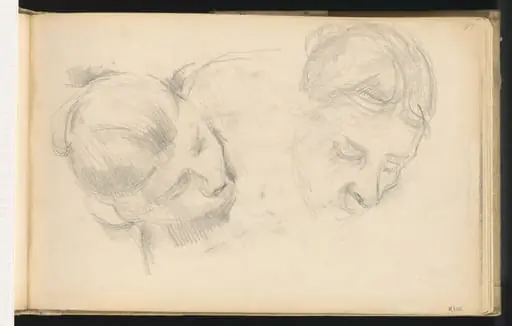
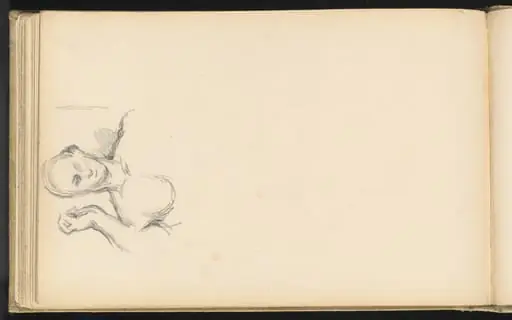
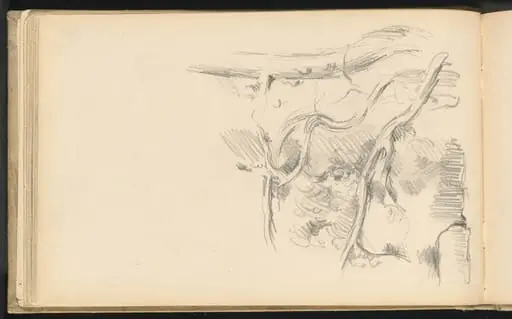
Study of the Allegorical Figure Bellona in Rubens' "The Apotheosis of Henri IV" is a graphite drawing by the Impressionist artist Paul Cezanne. It dates from 1880 and is held in the collection of the National Gallery of Art. This graphite study on wove paper portrays an allegorical figure identified as Bellona, the Roman goddess of war.
About this work
Overview
This graphite study on wove paper portrays an allegorical figure identified as Bellona, the Roman goddess of war. The drawing captures a reclining female form, her head supported by her right hand, while a draped cloth covers her torso and her left leg extends backward. Executed in 1880, the work reflects the artist's preparatory approach to a larger composition.
Subject & Meaning
The figure represents Bellona, symbolizing martial vigor within the narrative of Rubens' monumental painting "The Apotheosis of Henri IV." By isolating the goddess, the study emphasizes her dynamic posture and the tension of the cloth, suggesting the energy and triumph associated with the king's glorification.
Technique & Style
Rendered entirely in graphite, the drawing relies on bold, expressive lines to delineate the body's contours and the folds of the fabric. The artist employs swift, gestural strokes that convey movement, while the contrast between darkened areas and lighter paper creates a sense of three‑dimensional form without the use of color.
History & Provenance
Created in 1880, the study is attributed to Paul Cézanne, a pivotal figure bridging Impressionism and Realism. Though Cézanne is best known for his oil paintings, this work demonstrates his engagement with preparatory drawing practices common among artists interpreting earlier masters such as Rubens.
Context
During the late nineteenth century, artists often revisited Baroque masterpieces to explore compositional strategies. This study reflects Cézanne's interest in Rubens' grand historical narratives, particularly the depiction of heroic and allegorical subjects, and illustrates his analytical approach to form and movement.
Artist & collection
Artist
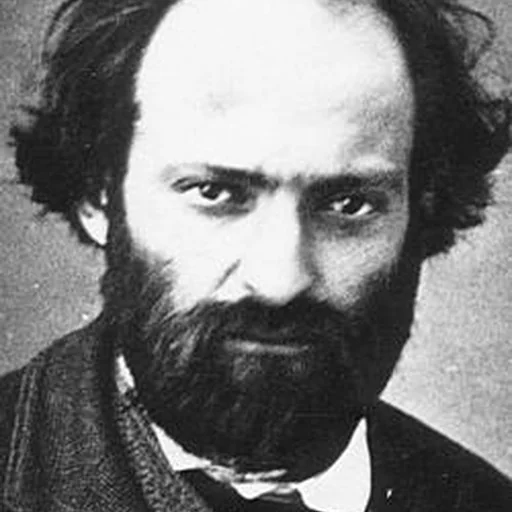
Paul Cézanne was born on January 19, 1839, in Aix-en-Provence, the son of a hatter turned wealthy banker.

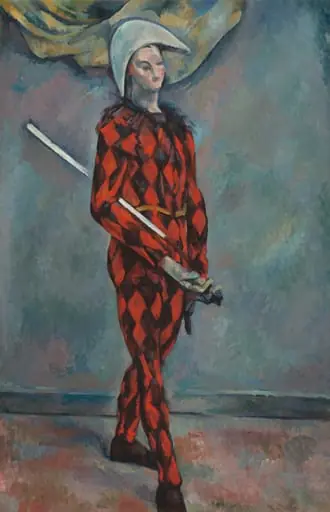 Harlequin
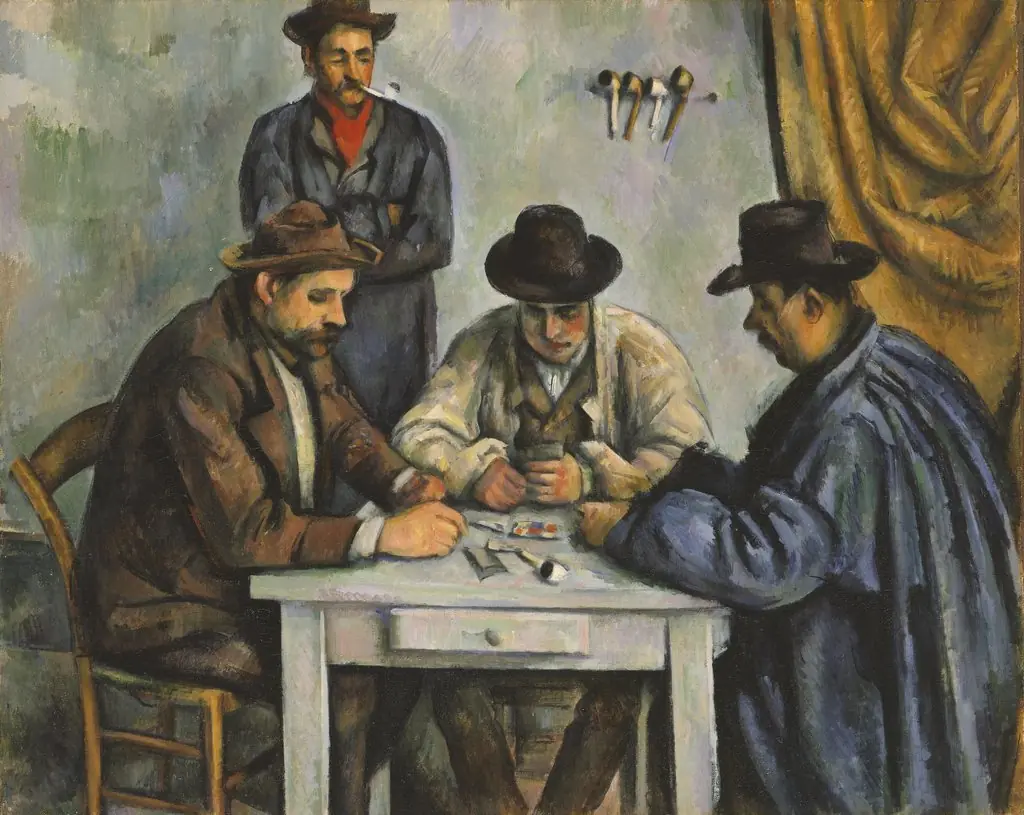 The Card Players
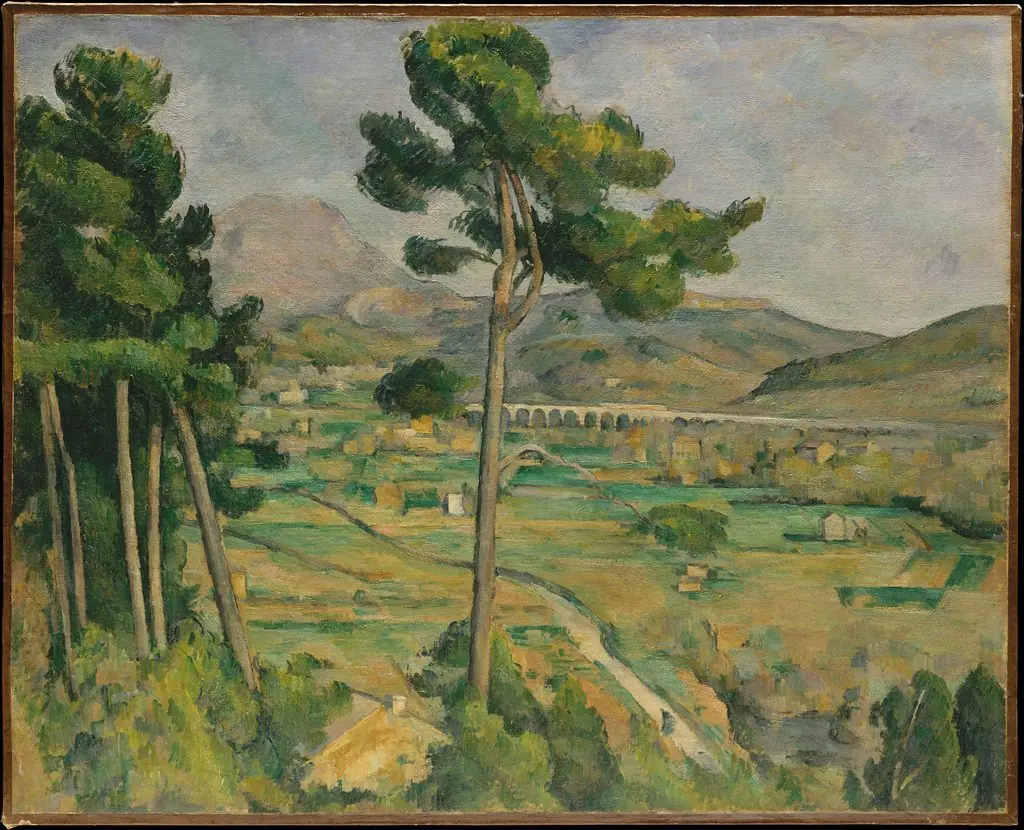 Mont Sainte-Victoire and the Viaduct of the Arc River Valley
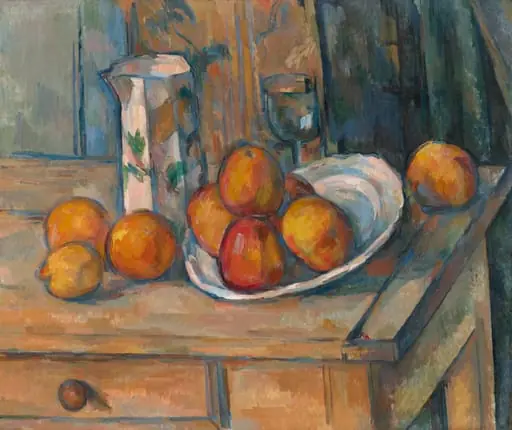 Still Life with Milk Jug and Fruit
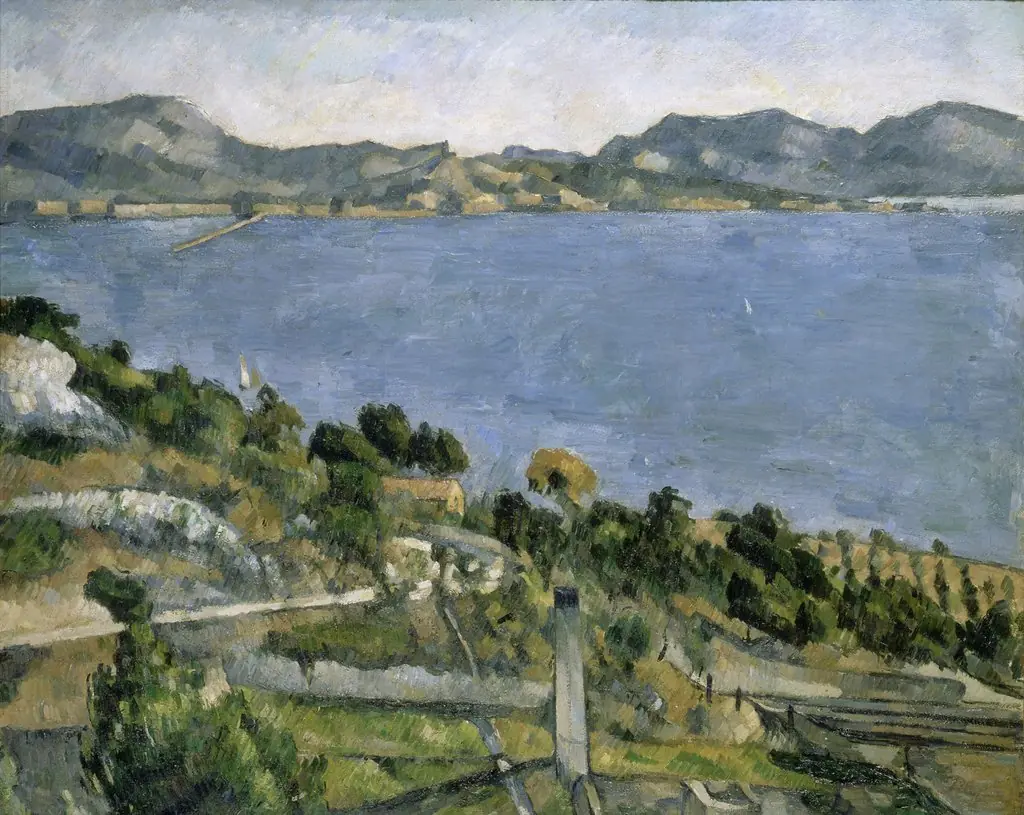 Le Golfe de Marseille vu de l'Estaque (The Gulf of Marseille Seen from L'Estaque)
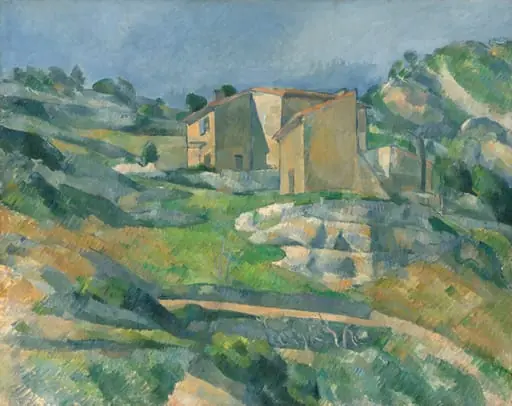 Houses in Provence: The Riaux Valley near L'Estaque
 Louis Guillaume
 Still Life with Jar, Cup, and Apples