Artwork
Peonies
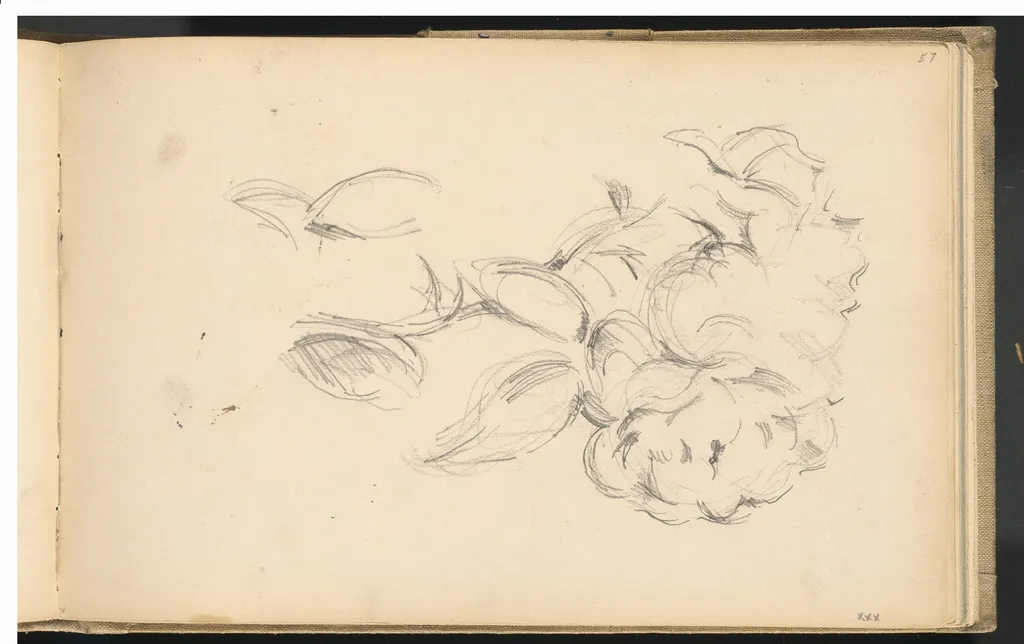
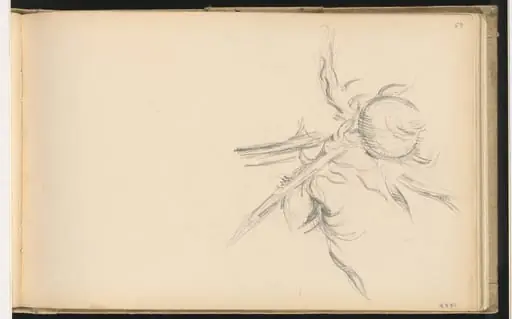
Peonies is a graphite drawing by the Impressionist artist Paul Cezanne. It dates from 1892 and is held in the collection of the National Gallery of Art.
About this work
Overview
Paul Cézanne’s drawing titled *Peonies* was executed in 1892 using graphite on wove paper. The work consists of a single sheet in which a loose assemblage of peony blossoms occupies most of the surface, rendered with swift, undulating lines that suggest the overall form rather than precise detail.
Subject & Meaning
The composition focuses on a cluster of peonies, their petals indicated by light, irregular strokes that convey a sense of movement and vitality. By emphasizing shape and rhythm over exact representation, Cézanne explores the essence of the flower as a study in organic form.
Technique & Style
Cézanne employed a rapid graphite technique typical of preparatory studies, allowing the medium’s tonal range to suggest volume through varied pressure and line density. The wavy, gestural marks capture the fleeting impression of the blossoms, reflecting the artist’s interest in capturing visual dynamism rather than meticulous finish.
History & Provenance
The paper bears a yellowed hue and worn edges, suggesting it originated from an older book or reused sheet, a common practice for informal sketches in the late nineteenth century. The drawing remains part of Cézanne’s oeuvre of botanical studies, illustrating his process before committing subjects to oil.
Artist & collection
Artist
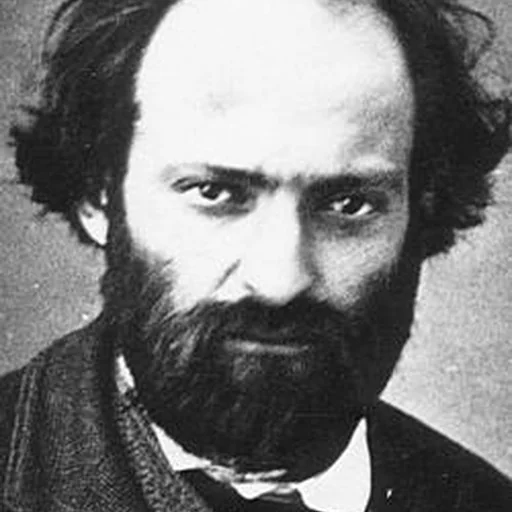
Paul Cézanne was born on January 19, 1839, in Aix-en-Provence, the son of a hatter turned wealthy banker.

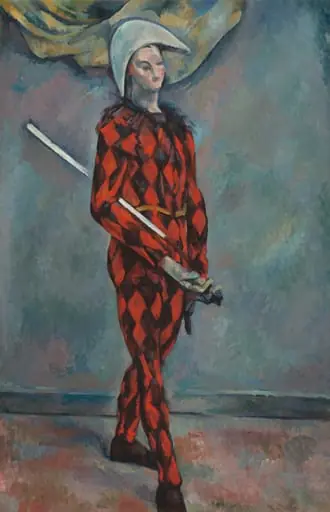 Harlequin
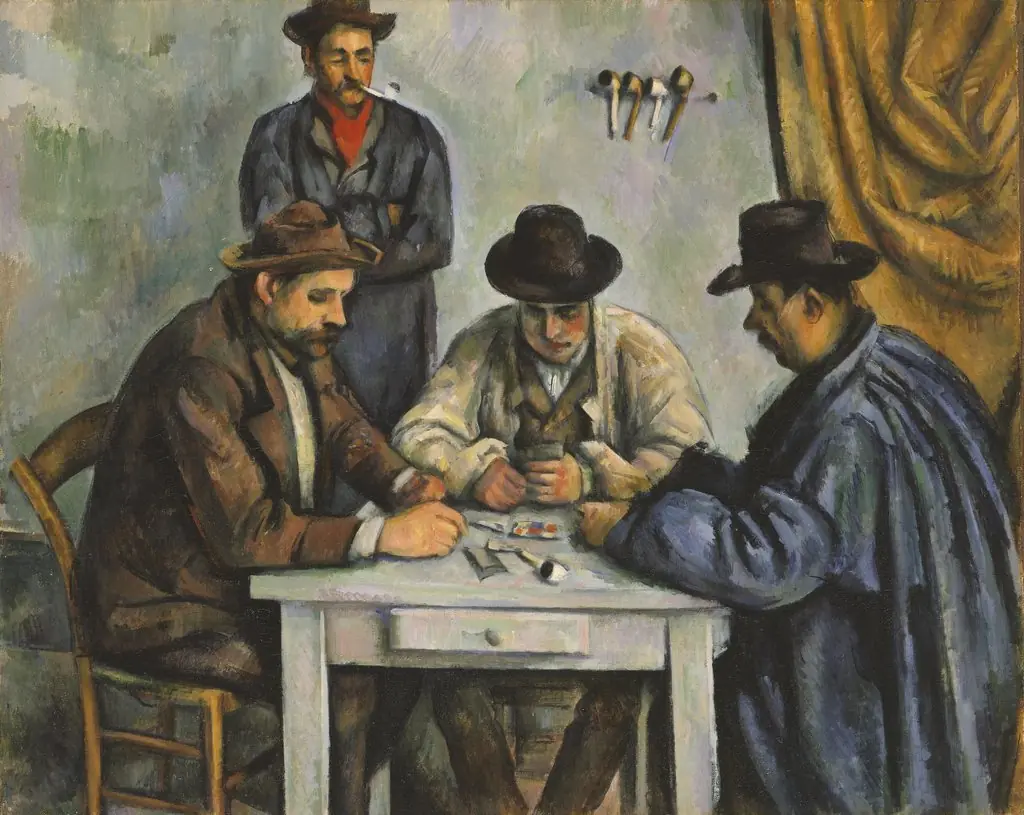 The Card Players
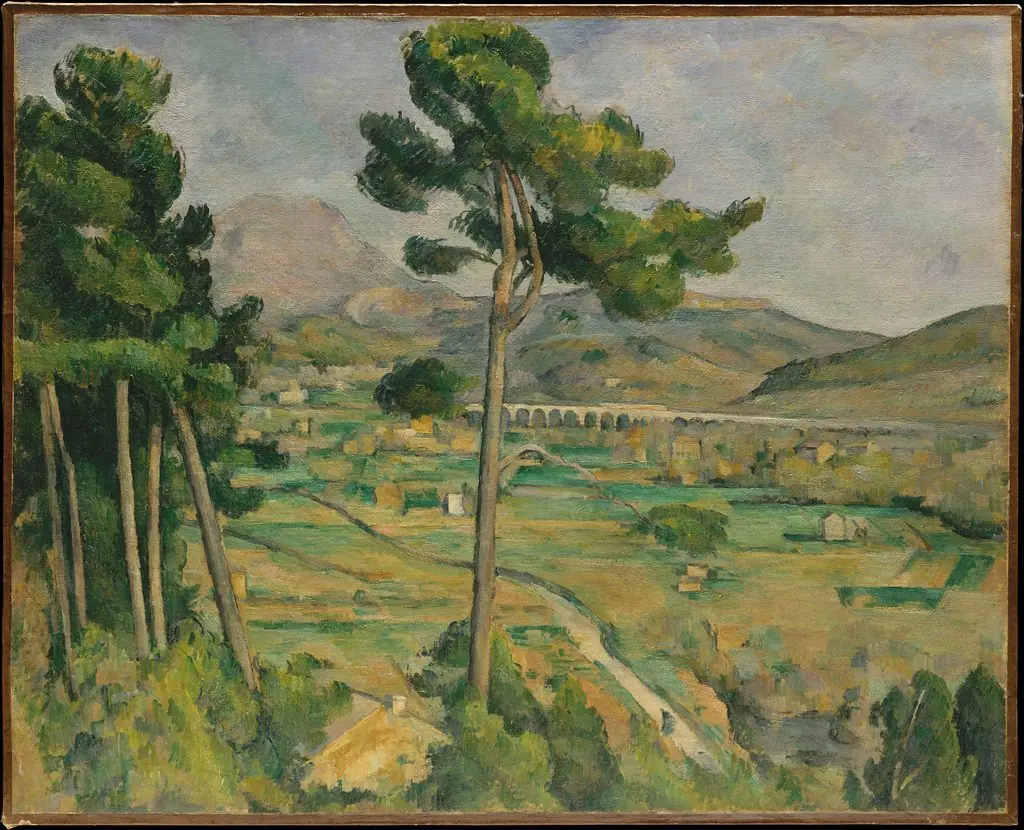 Mont Sainte-Victoire and the Viaduct of the Arc River Valley
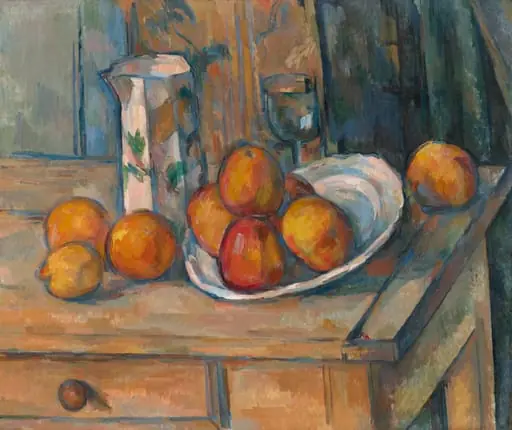 Still Life with Milk Jug and Fruit
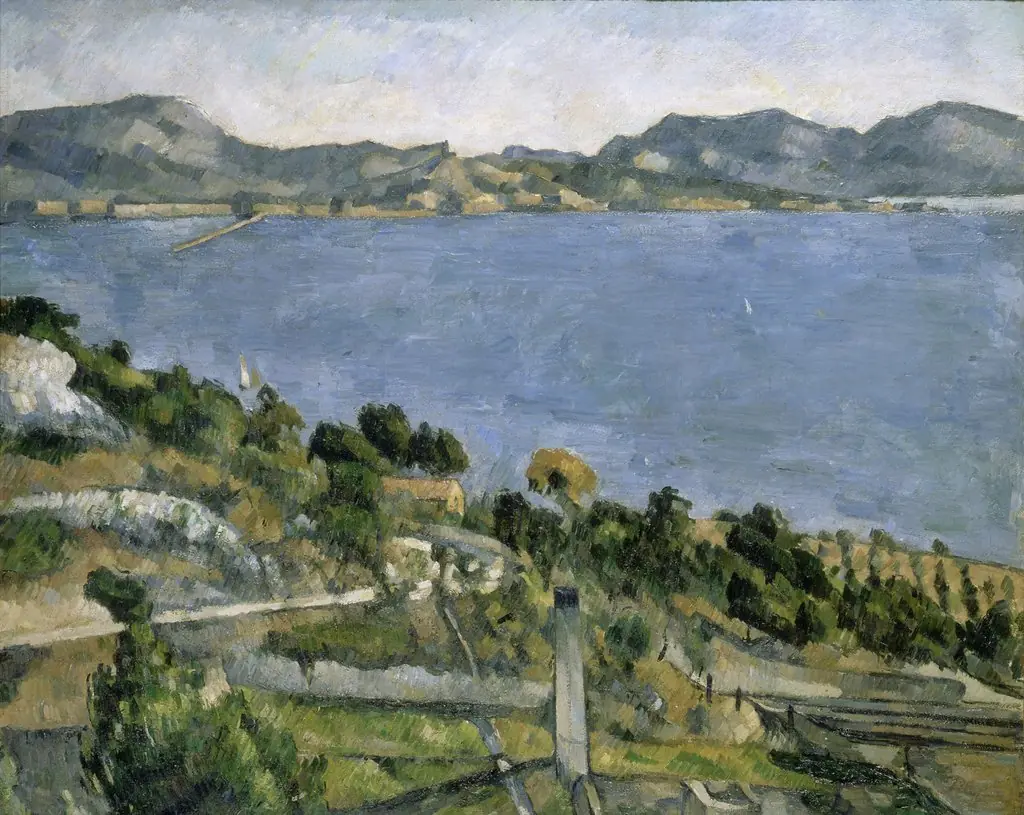 Le Golfe de Marseille vu de l'Estaque (The Gulf of Marseille Seen from L'Estaque)
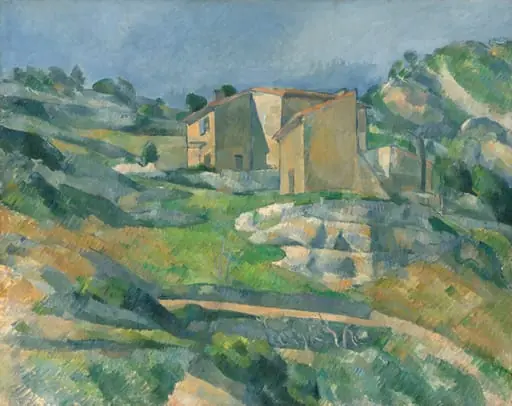 Houses in Provence: The Riaux Valley near L'Estaque
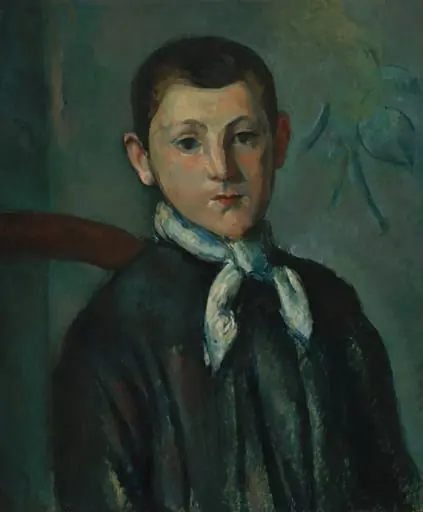 Louis Guillaume
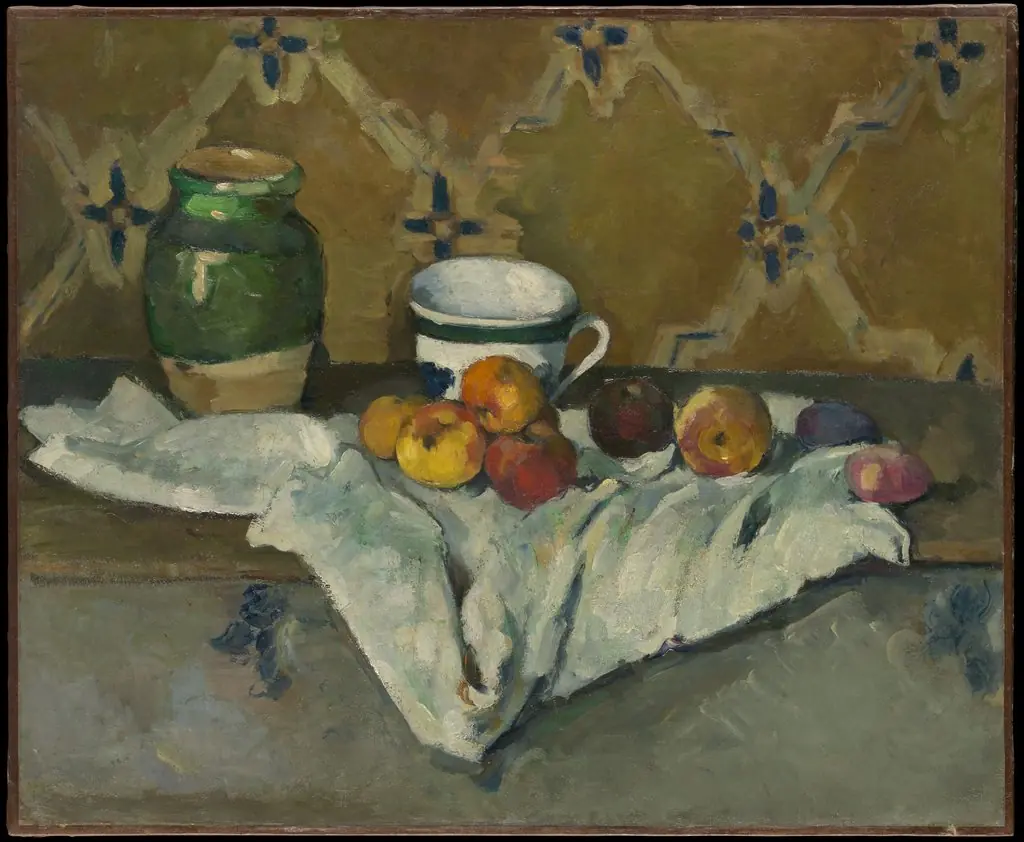 Still Life with Jar, Cup, and Apples