Artwork
Bellows in Front of a Fireplace
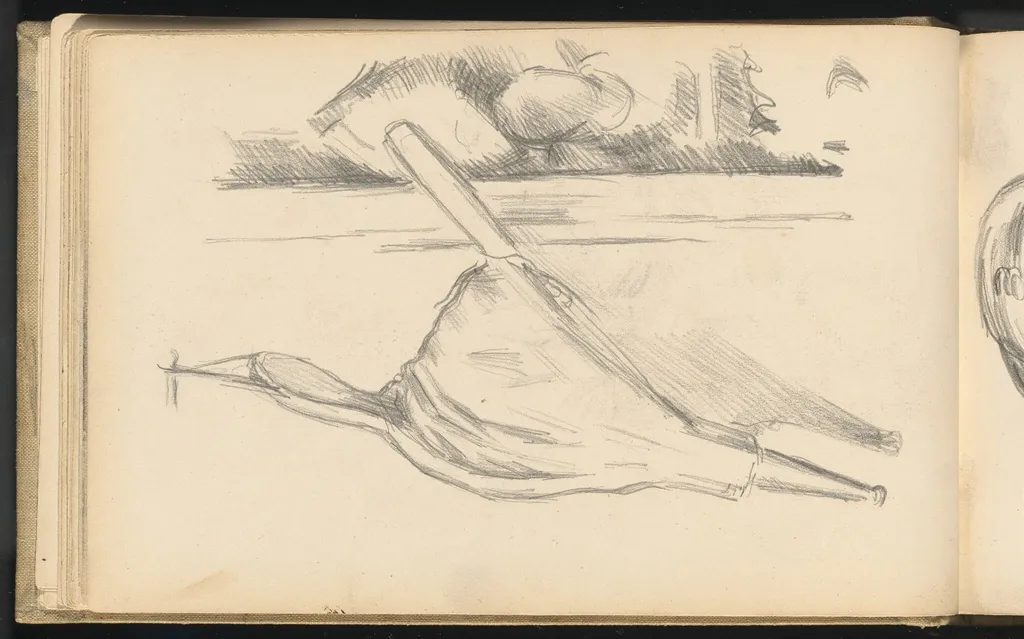
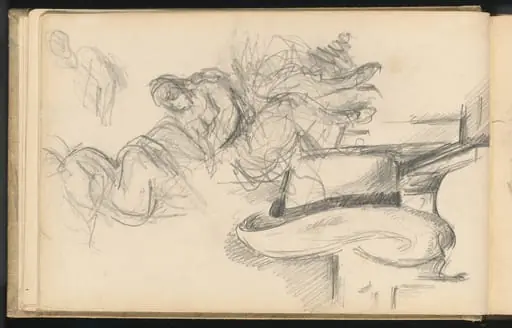
Bellows in Front of a Fireplace is a graphite drawing by the Impressionist artist Paul Cezanne. It dates from 1890 and is held in the collection of the National Gallery of Art.
About this work
Overview
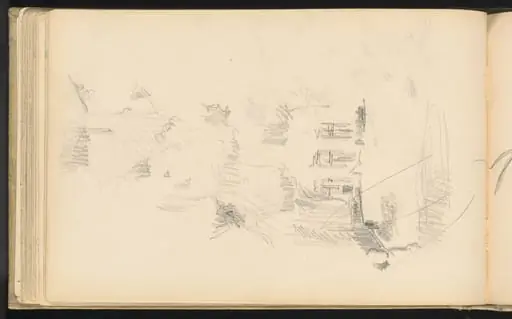
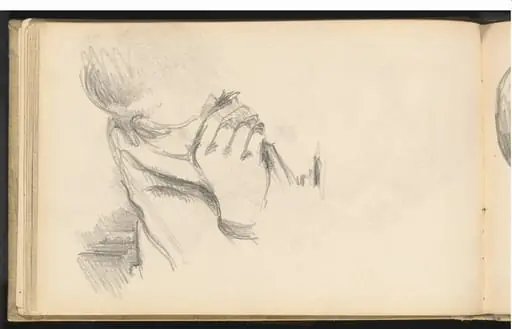
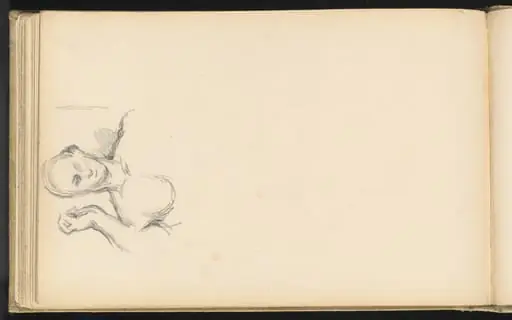
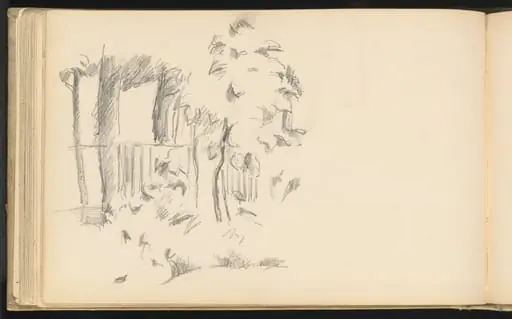
Paul Cézanne’s drawing titled Bellows in Front of a Fireplace was executed in 1890 using graphite on wove paper. The work records a domestic interior scene, focusing on the objects that surround a hearth rather than the fire itself.
Subject & Meaning
The composition centers on a bellows placed on the hearth, accompanied by a log rack holding split logs and a small vase or decorative object on the mantel. By emphasizing these functional items, the drawing suggests a quiet, utilitarian aspect of everyday life.
Technique & Style
Cézanne employs loose, rapid graphite lines to outline the forms, with modest shading to convey volume. The treatment of surfaces is deliberately rough, highlighting simple geometric shapes and the tactile quality of wood and metal.
History & Provenance
Created toward the end of Cézanne’s mature period, the drawing reflects his interest in reducing subjects to basic structures. It remains part of the artist’s extensive body of studies that document his exploration of form and perspective.
Context
Although not an oil painting, the work aligns with the broader late 19th-century shift toward capturing immediate impressions of everyday scenes. Cézanne’s approach to light and mark-making anticipates later developments in modernist drawing.
Artist & collection
Artist
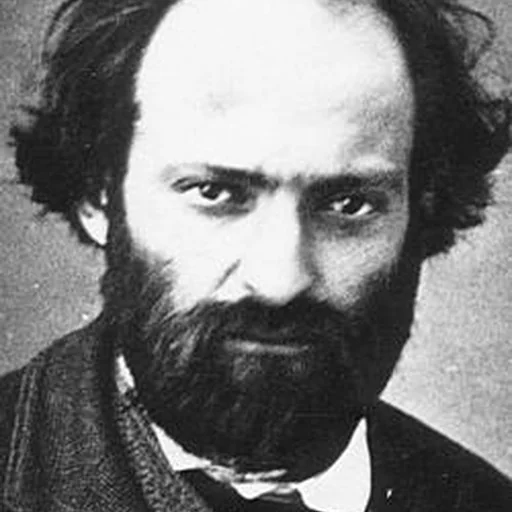
Paul Cézanne was born on January 19, 1839, in Aix-en-Provence, the son of a hatter turned wealthy banker.

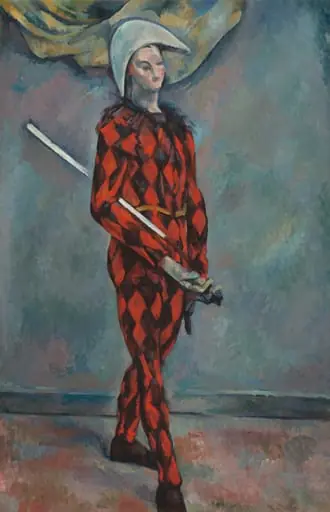 Harlequin
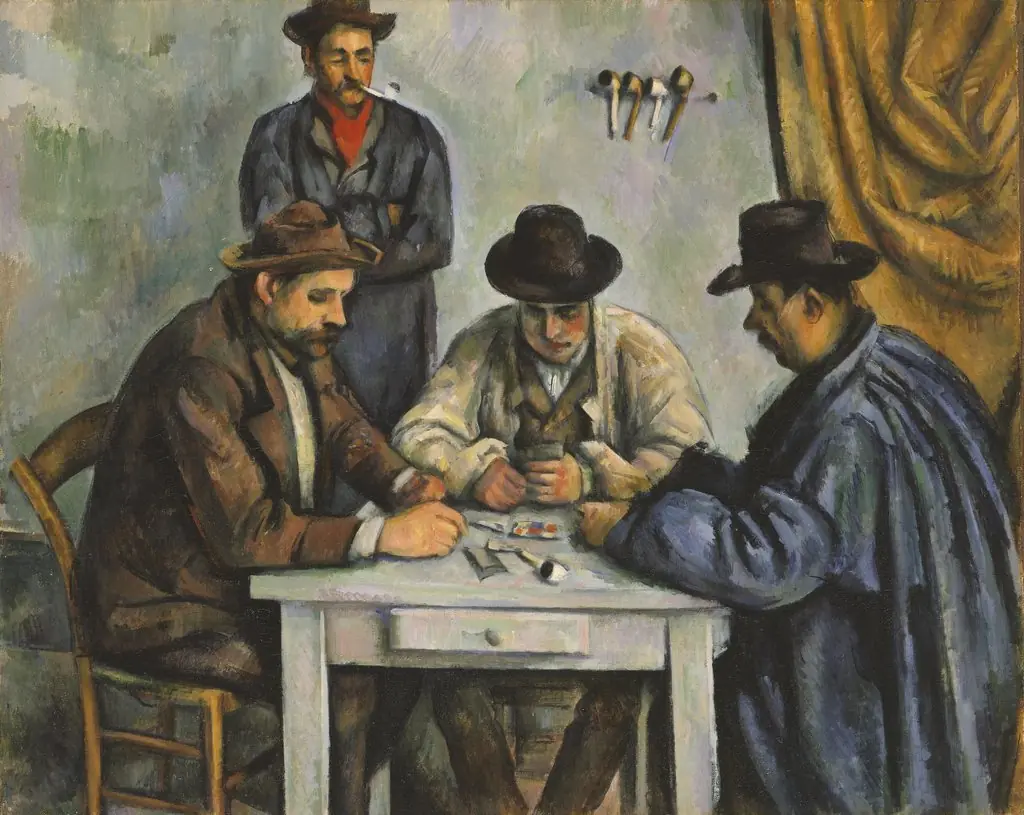 The Card Players
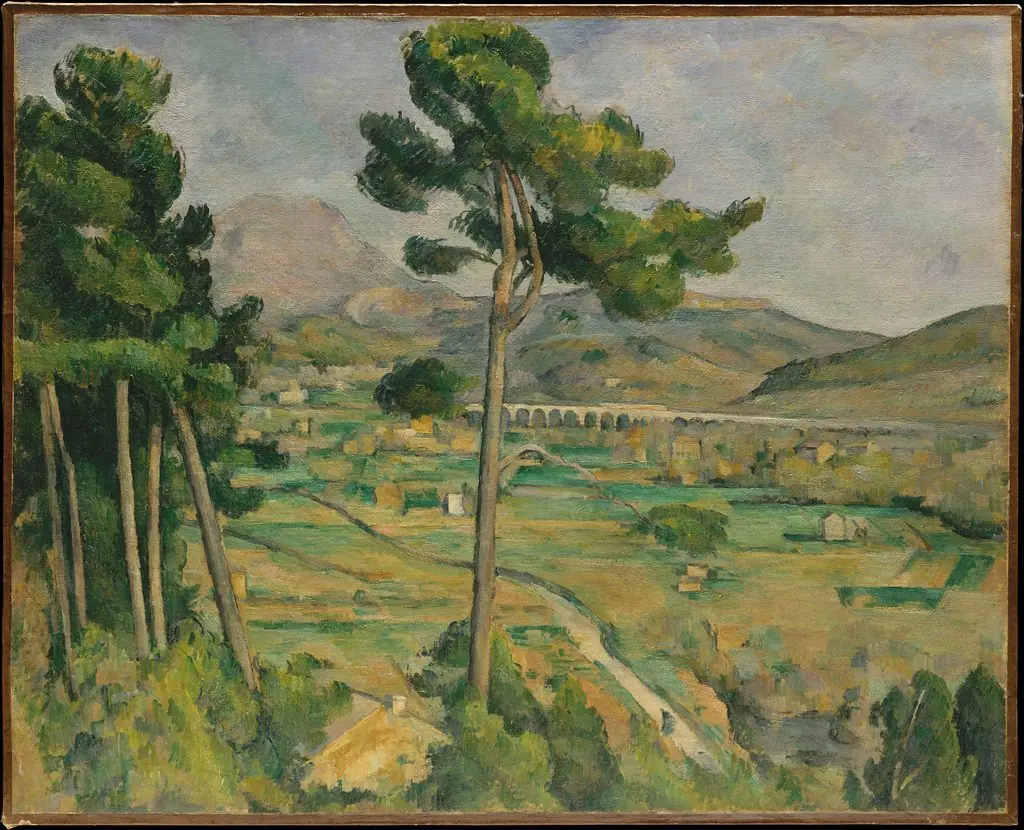 Mont Sainte-Victoire and the Viaduct of the Arc River Valley
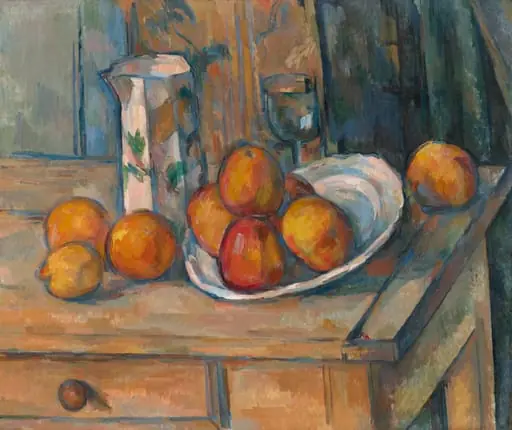 Still Life with Milk Jug and Fruit
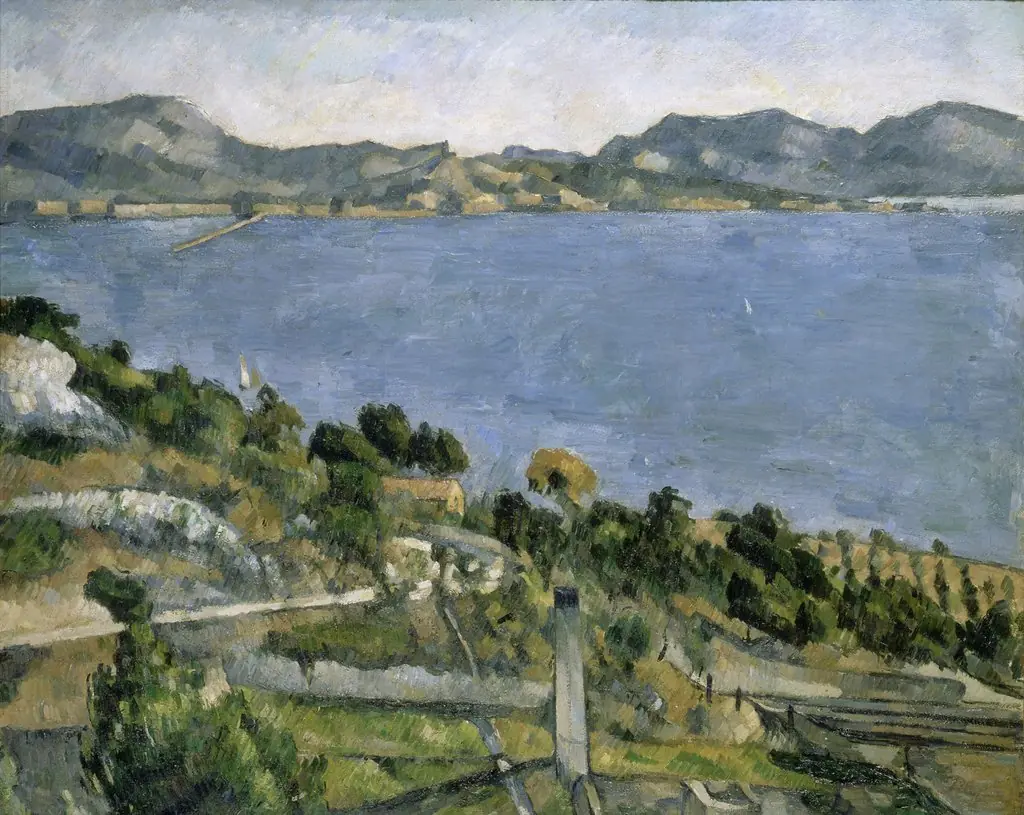 Le Golfe de Marseille vu de l'Estaque (The Gulf of Marseille Seen from L'Estaque)
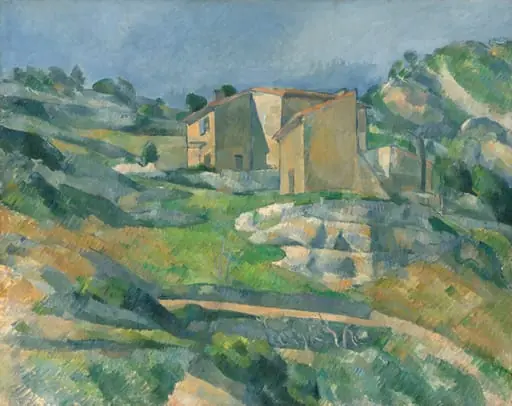 Houses in Provence: The Riaux Valley near L'Estaque
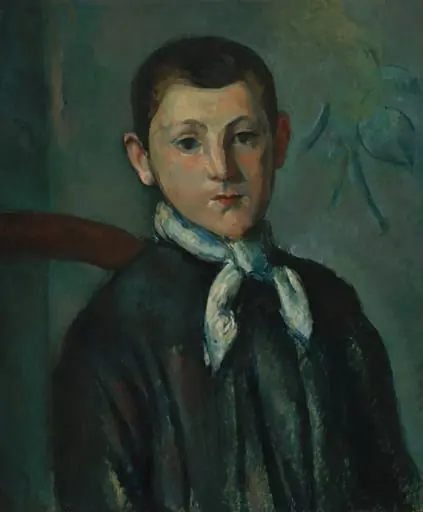 Louis Guillaume
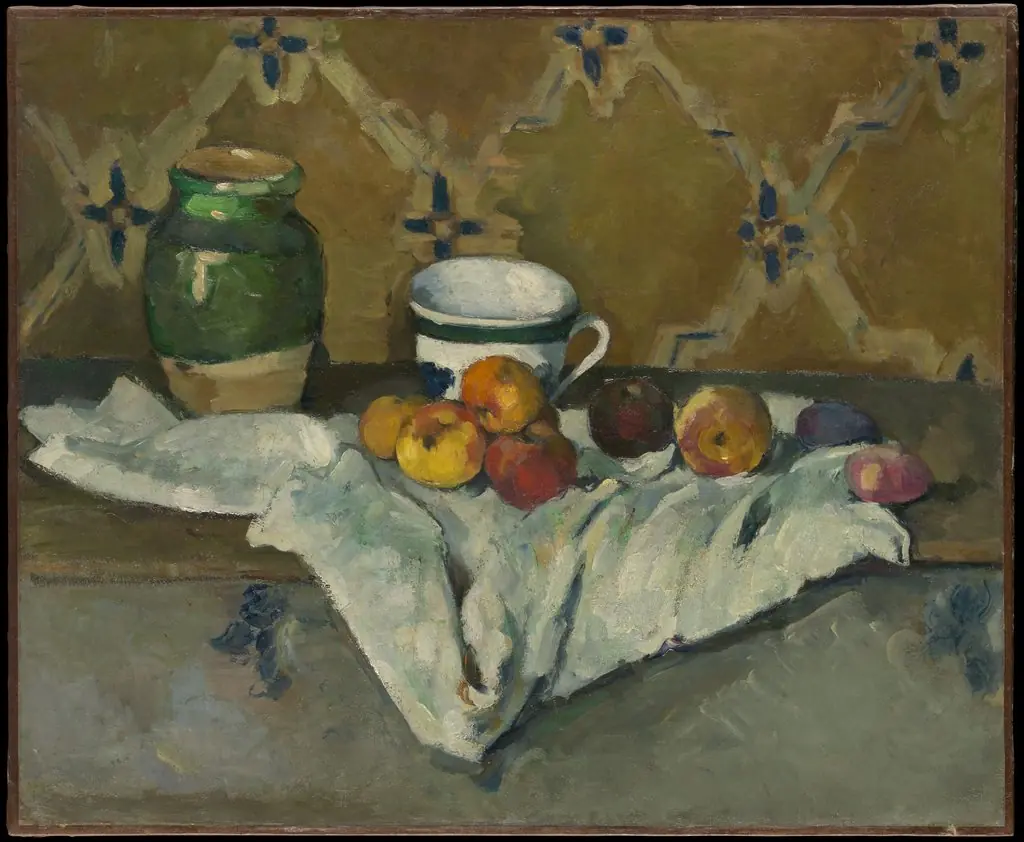 Still Life with Jar, Cup, and Apples