Artwork
A Man seen from Behind
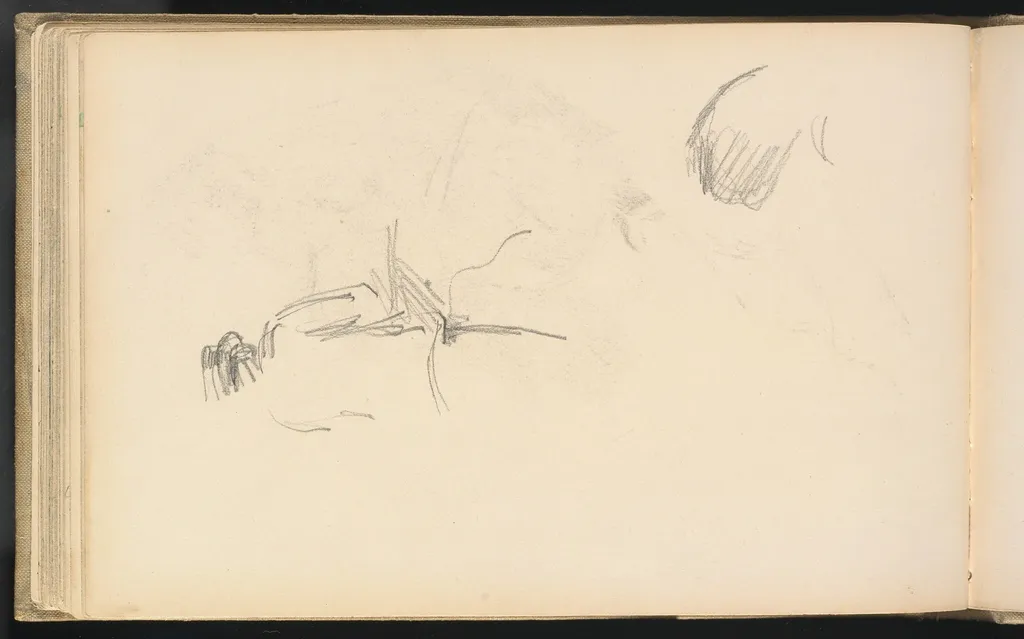
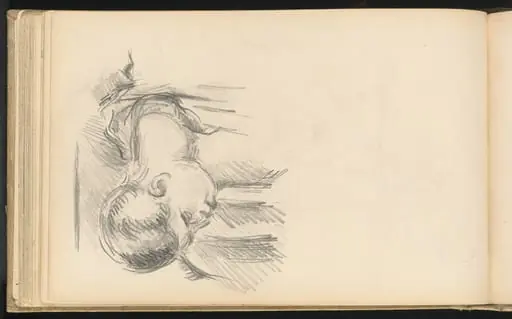
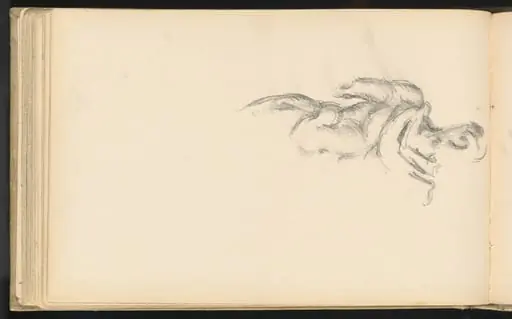
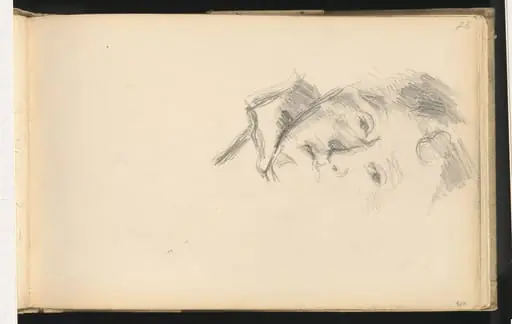
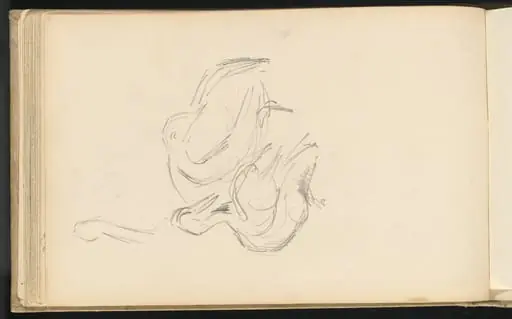
A Man seen from Behind is a graphite drawing by the Impressionist artist Paul Cezanne. It dates from 1882 and is held in the collection of the National Gallery of Art.
About this work
The painting is called A Man seen from Behind by Paul Cezanne.
It was created between 1880 and 1883.
The artist used graphite on wove paper to create this work, which is a simple yet effective medium.
This technique allows for a range of tonal values and textures, making the drawing more expressive.
You can learn more about this style at the National Gallery of Art, Washington.
Overview
A Man seen from Behind is a graphite drawing on wove paper attributed to Paul Cezanne, dated to the early 1880s.
Subject & Meaning
The drawing depicts a male figure viewed from behind, its simplicity suggesting a focus on form and everyday subject matter characteristic of Cezanne's exploration of modern life.
Technique & Style
Executed in graphite on wove paper, the work leverages the medium's capabilities to achieve a spectrum of tones and textures, enhancing the drawing's expressive qualities.
History & Provenance
Created between 1880 and 1883, specific details regarding the work's early ownership and exhibition history are not provided in the available information.
Context
This drawing aligns with late 19th-century artistic shifts towards capturing contemporary life, a theme also explored by other artists of the period.
Legacy
While not extensively detailed here, the work contributes to Cezanne's broader oeuvre, influencing subsequent artistic movements, particularly in its emphasis on everyday subjects and expressive technique.
Artist & collection
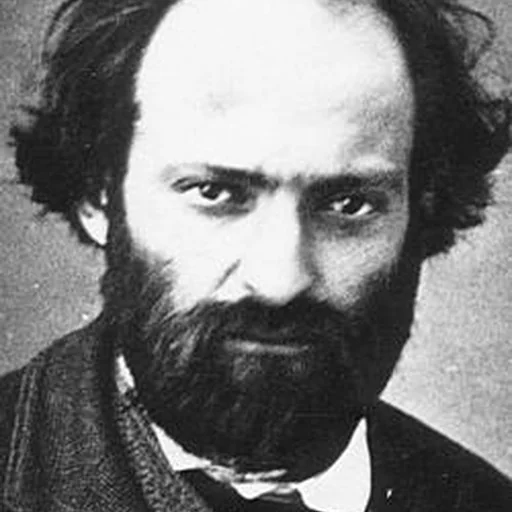
Artist
Paul Cézanne was born on January 19, 1839, in Aix-en-Provence, the son of a hatter turned wealthy banker.

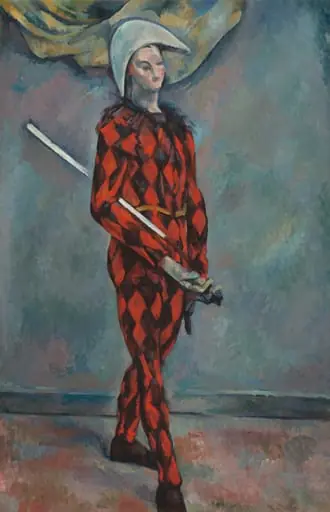 Harlequin
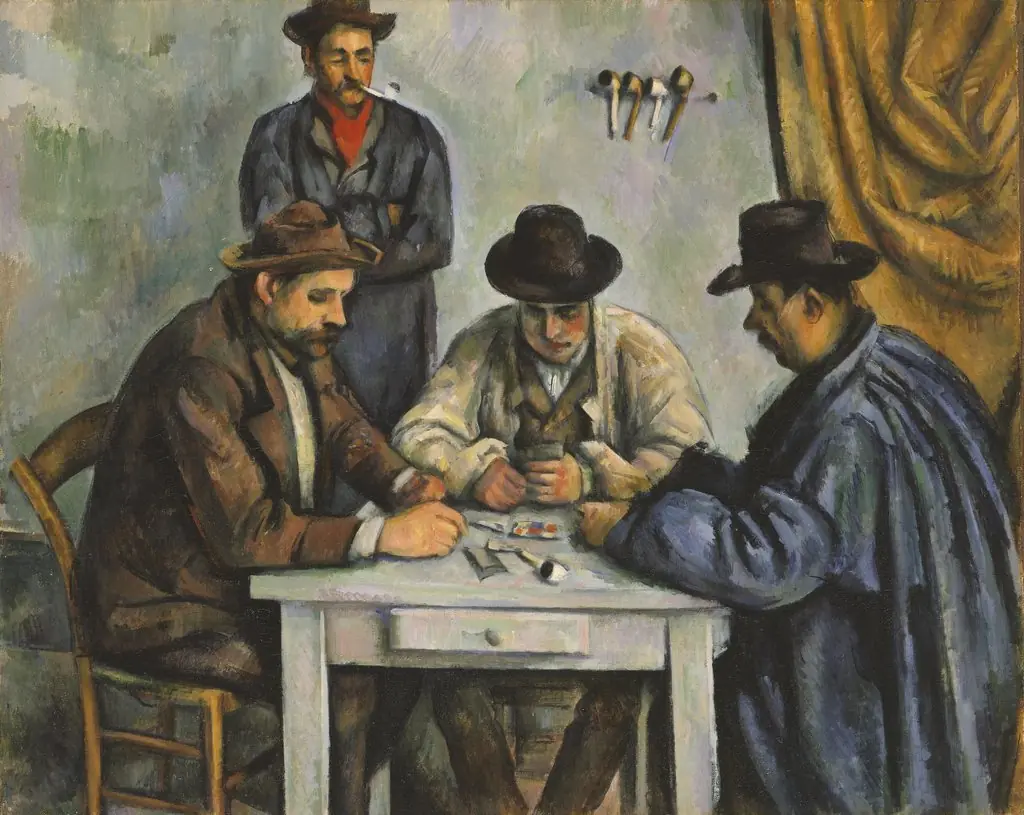 The Card Players
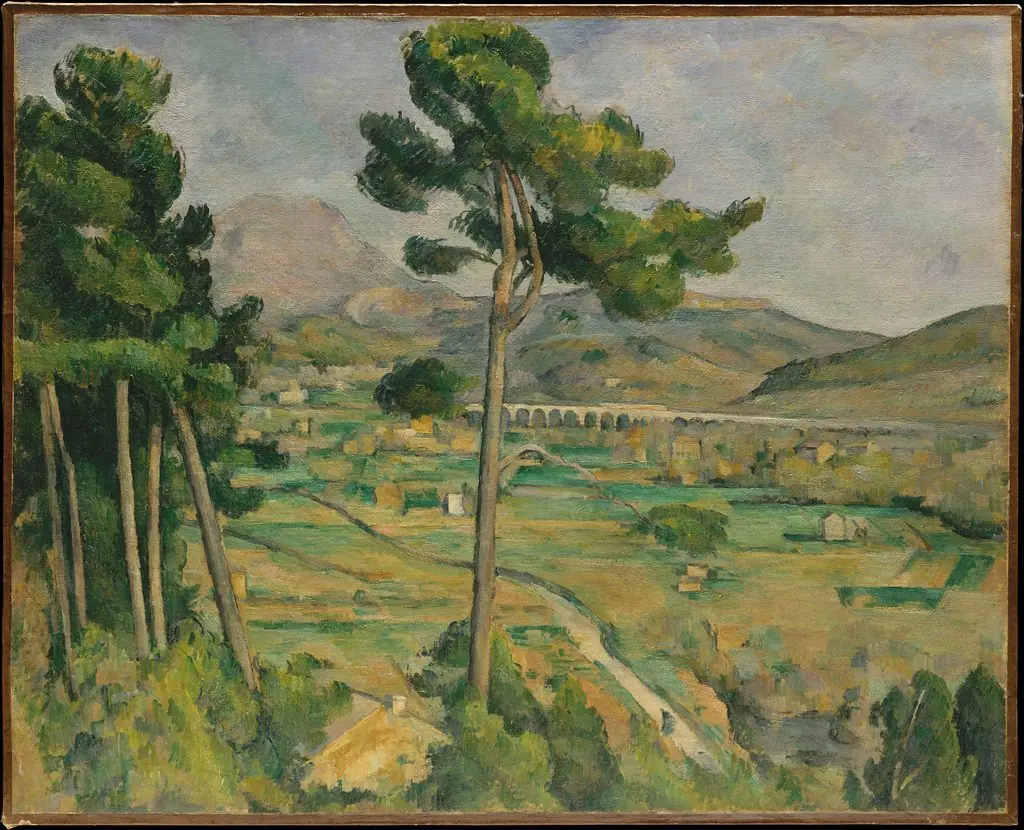 Mont Sainte-Victoire and the Viaduct of the Arc River Valley
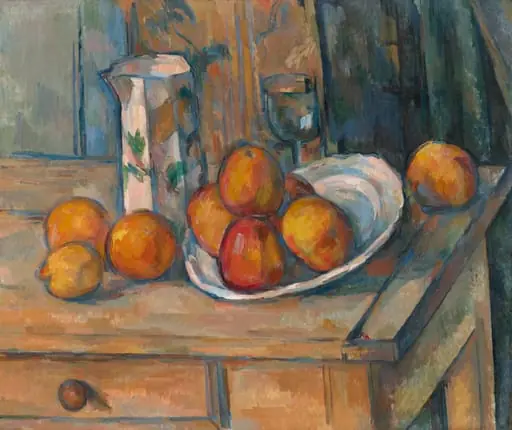 Still Life with Milk Jug and Fruit
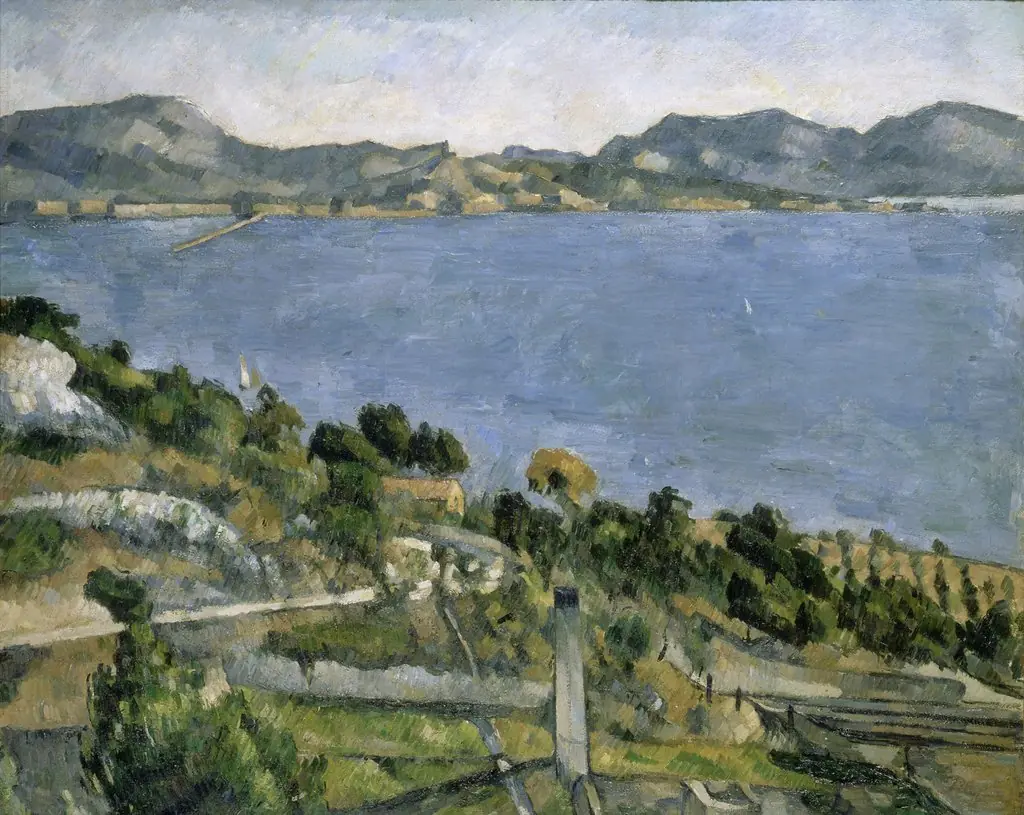 Le Golfe de Marseille vu de l'Estaque (The Gulf of Marseille Seen from L'Estaque)
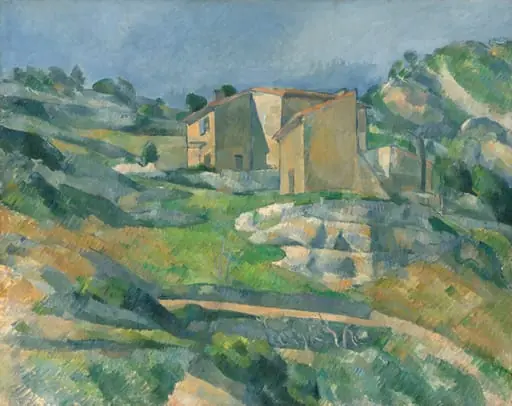 Houses in Provence: The Riaux Valley near L'Estaque
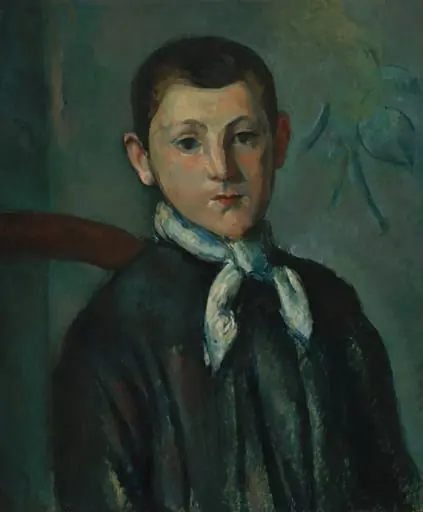 Louis Guillaume
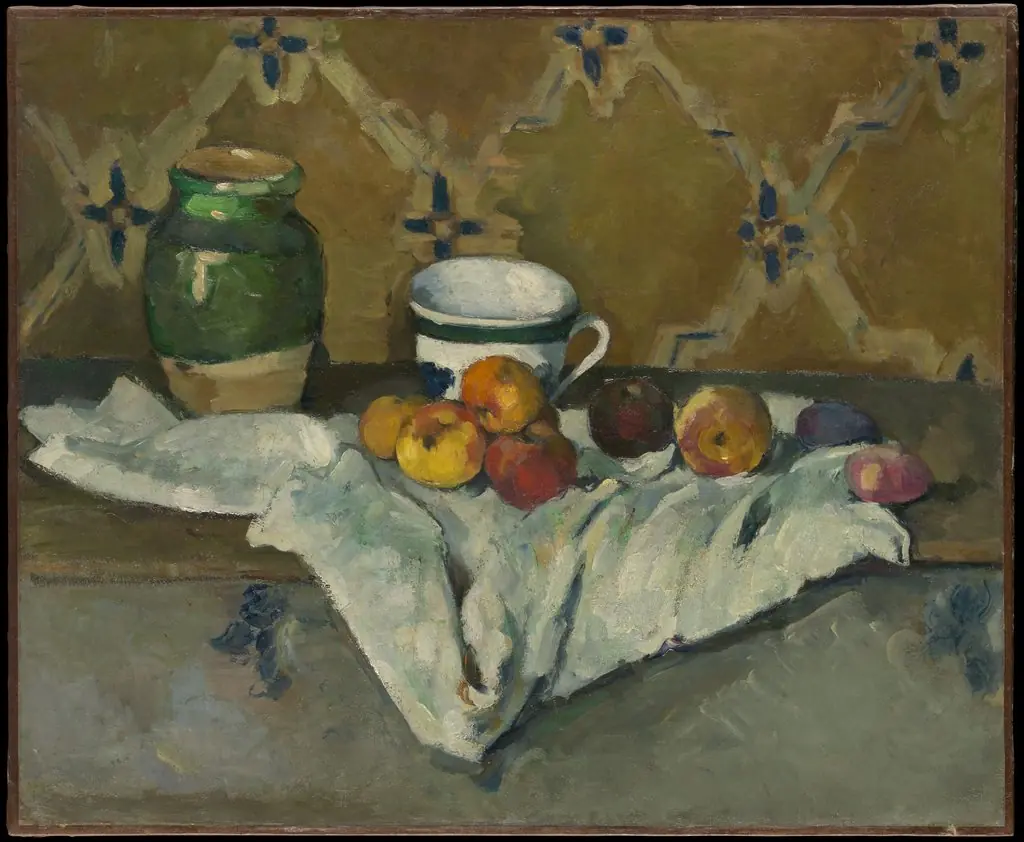 Still Life with Jar, Cup, and Apples