Artwork
Thistle
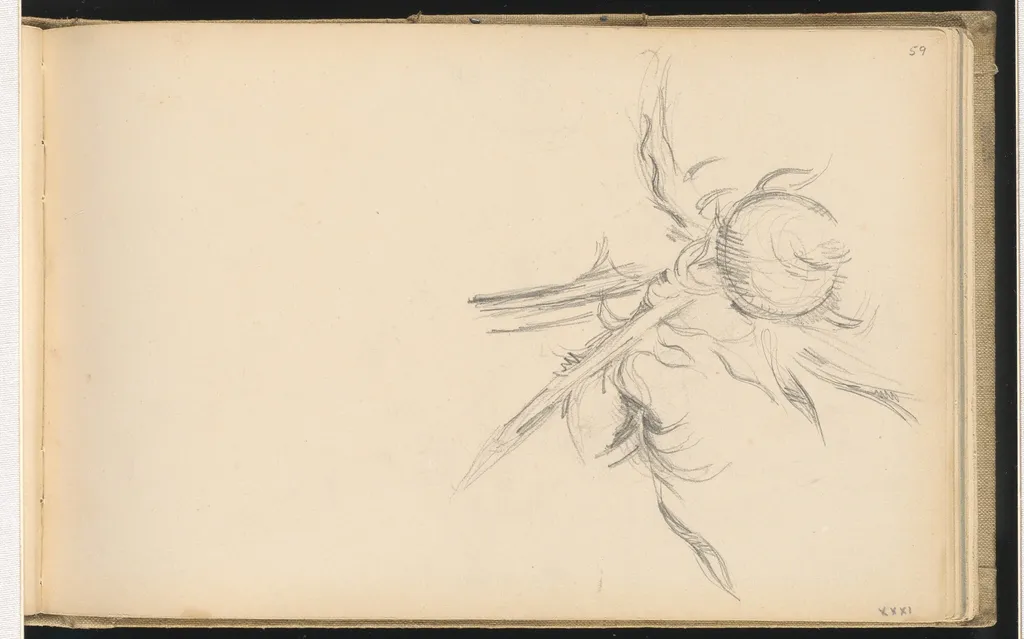
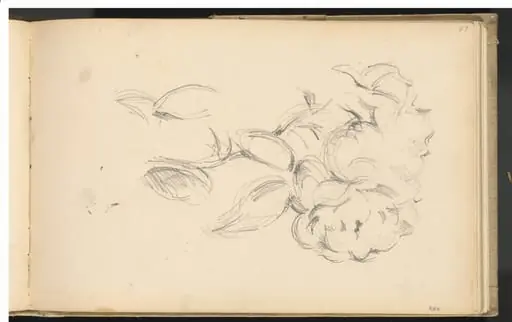
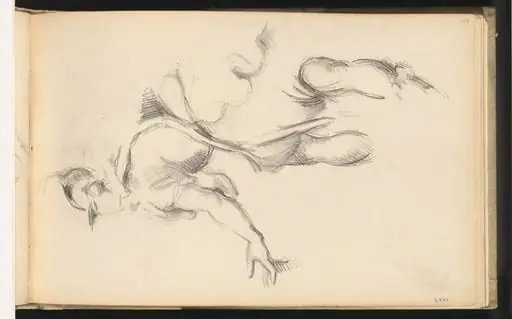
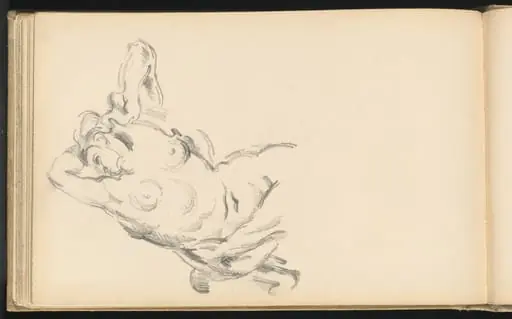
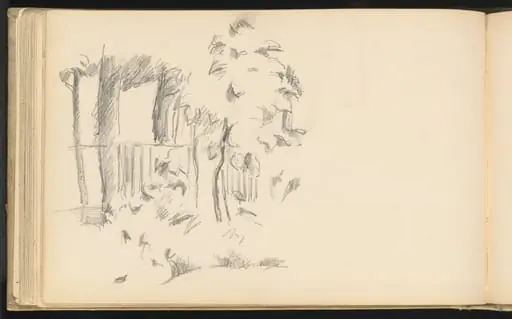
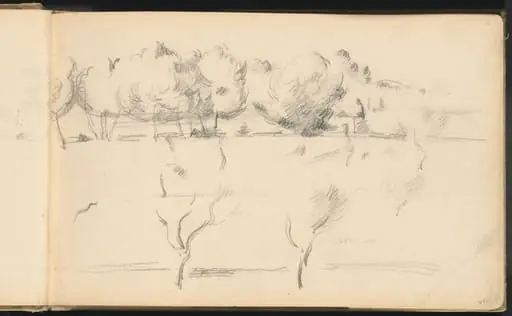
Thistle is a graphite drawing by the Impressionist artist Paul Cezanne. It dates from 1894 and is held in the collection of the National Gallery of Art.
About this work
Overview
Paul Cézanne’s drawing titled *Thistle* was executed in 1894. Rendered in graphite on wove paper, the work presents a single botanical subject in a compact format, reflecting the artist’s interest in exploring form and structure through drawing rather than his more widely known oil paintings.
Technique & Style
The piece employs graphite’s range of tonal values to model the thistle’s spiky foliage and central head, emphasizing line and shading over color. Cézanne’s handling of the medium demonstrates his analytical approach, using precise strokes to capture the plant’s geometry while maintaining a loose, observational quality typical of his late 19th‑century drawings.
Context
Created during a period when Cézanne was increasingly turning to drawing as a means of studying natural forms, *Thistle* aligns with his broader investigations into the underlying structures of objects. The work exemplifies his practice of isolating a single motif to dissect its spatial relationships, a method that informed his later contributions to modernist art.
Artist & collection
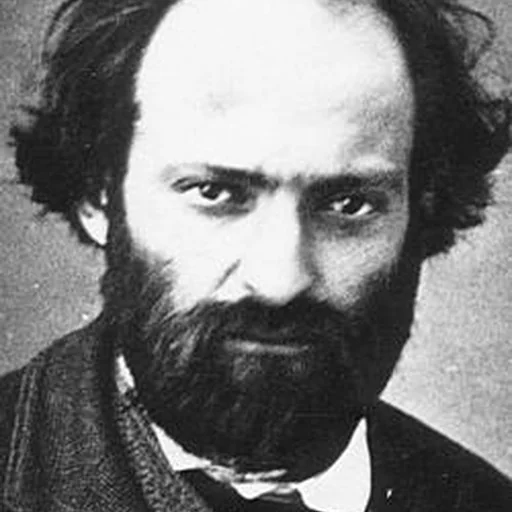
Artist
Paul Cézanne was born on January 19, 1839, in Aix-en-Provence, the son of a hatter turned wealthy banker.

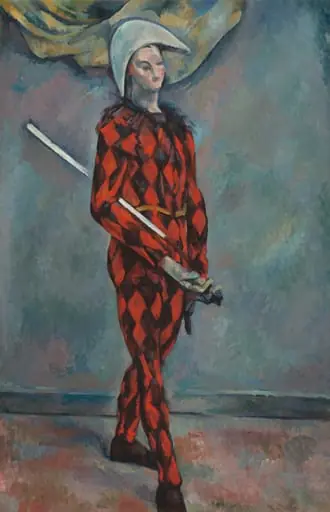 Harlequin
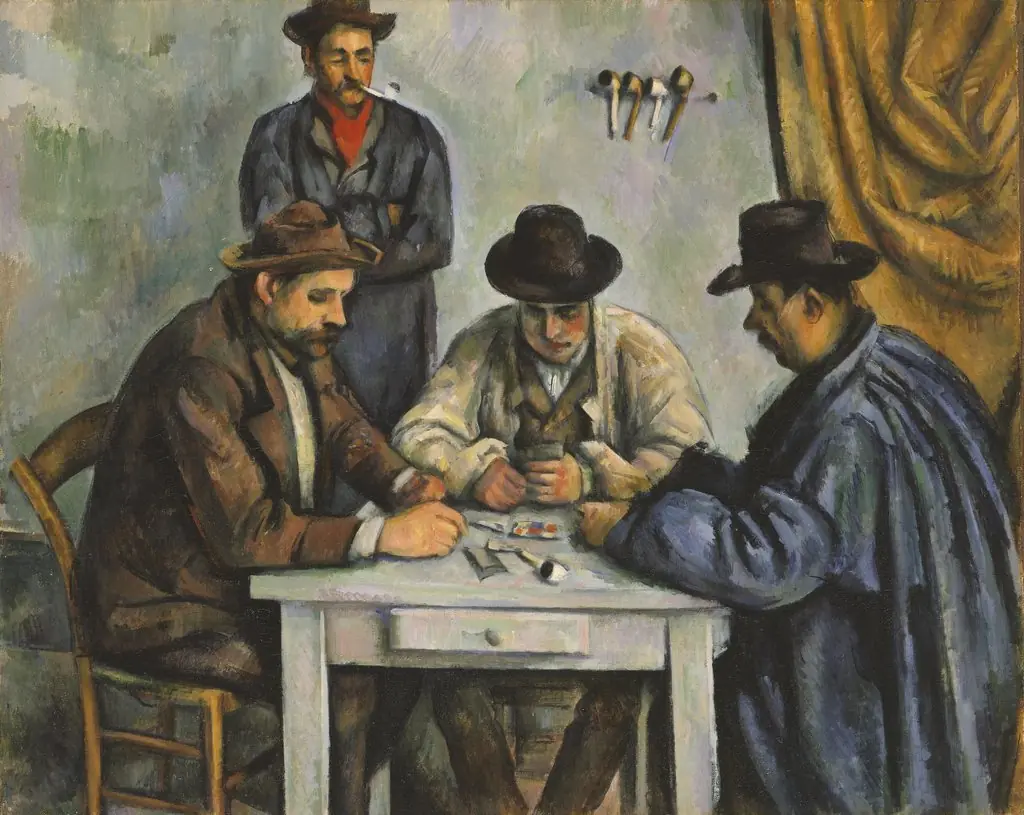 The Card Players
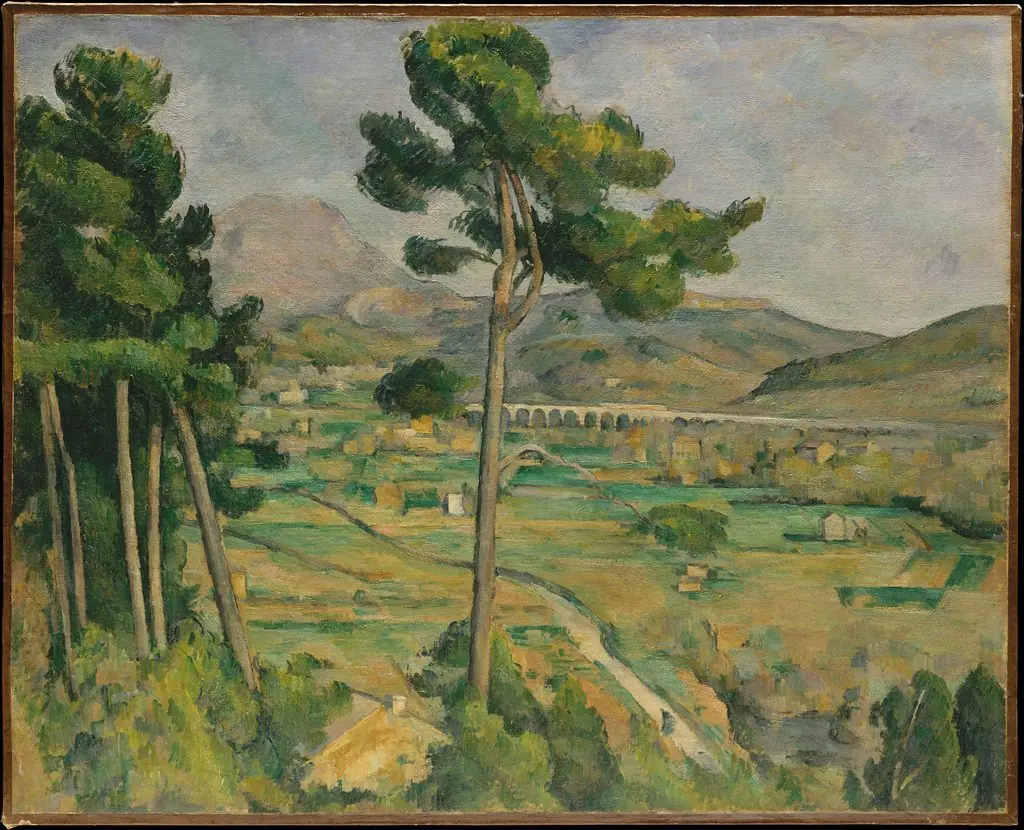 Mont Sainte-Victoire and the Viaduct of the Arc River Valley
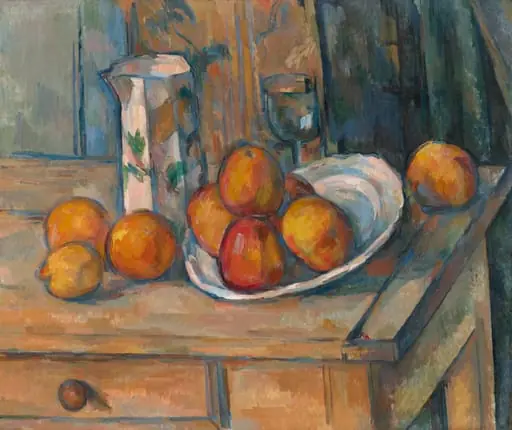 Still Life with Milk Jug and Fruit
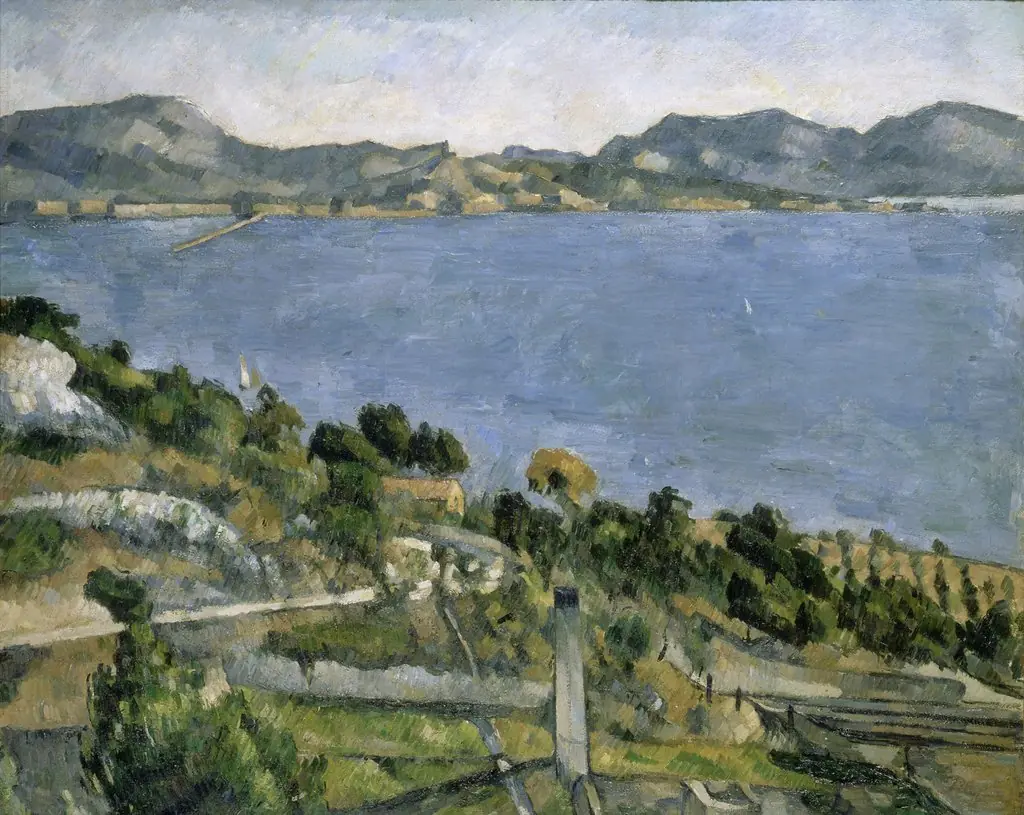 Le Golfe de Marseille vu de l'Estaque (The Gulf of Marseille Seen from L'Estaque)
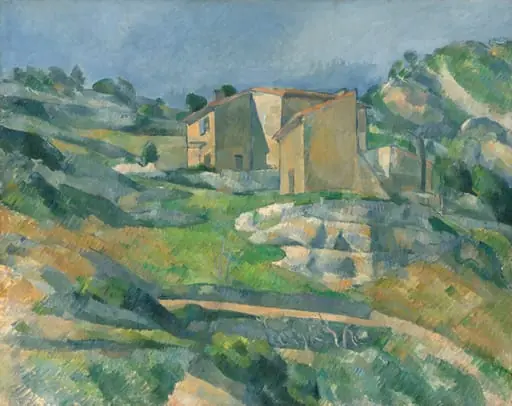 Houses in Provence: The Riaux Valley near L'Estaque
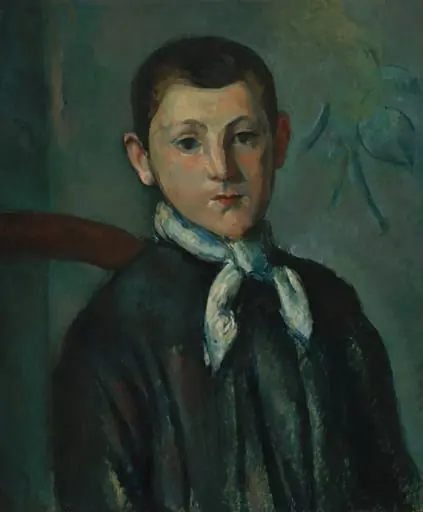 Louis Guillaume
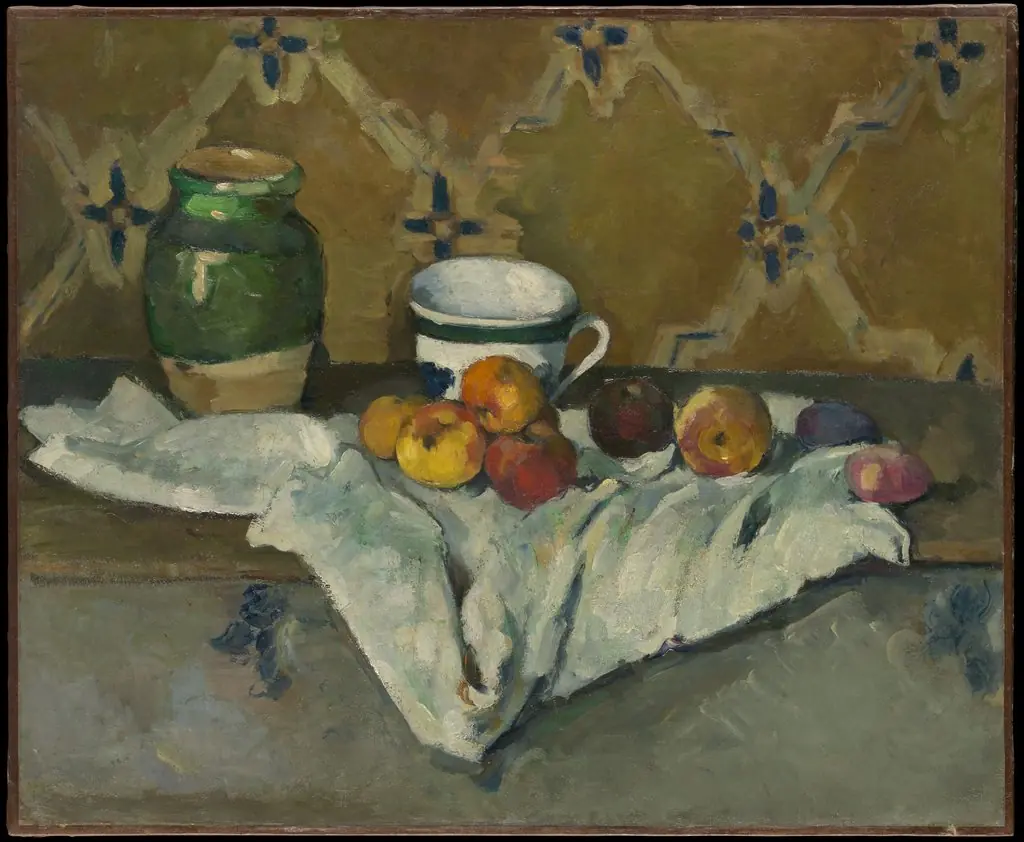 Still Life with Jar, Cup, and Apples