Artwork
Self-Portrait
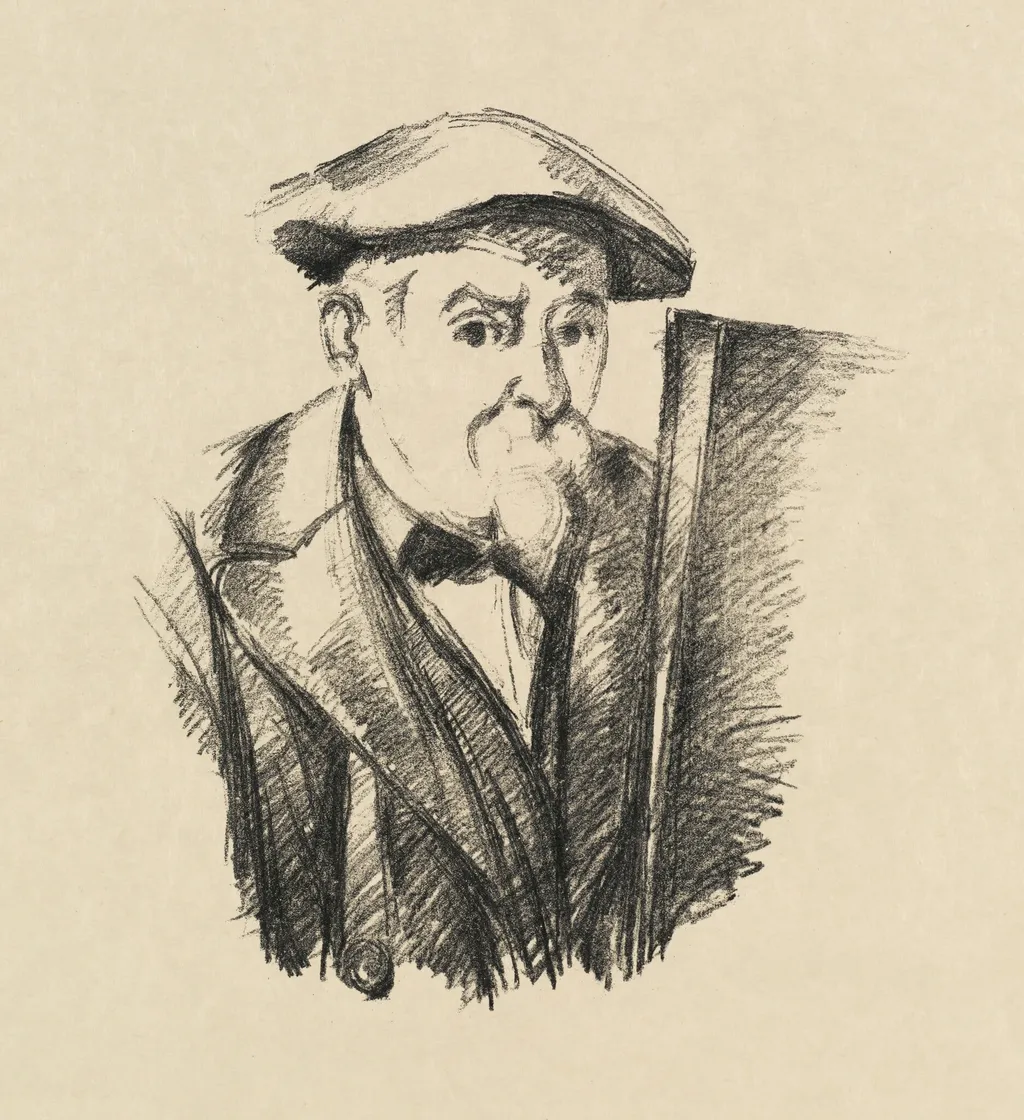
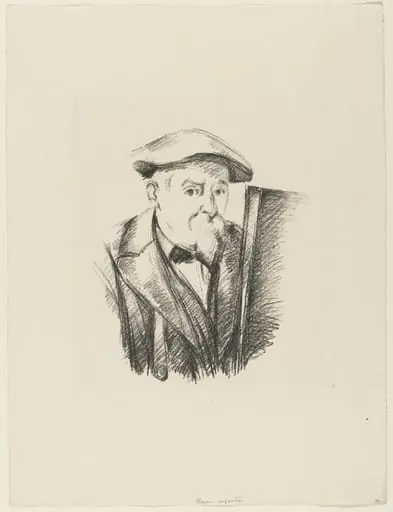
Self-Portrait is an ink print by the Impressionist artist Paul Cezanne. It dates from 1899 and is held in the collection of the National Gallery of Art.
About this work
Overview
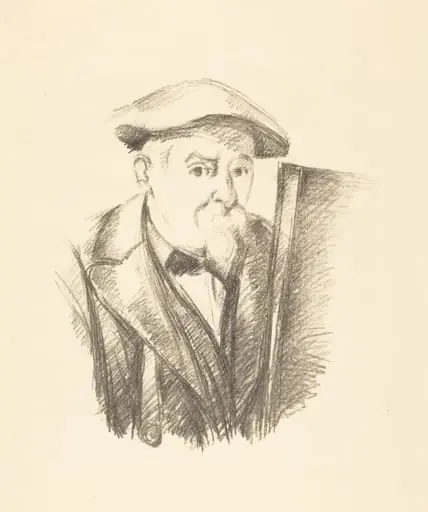
Paul Cézanne’s self-portrait, executed as a lithograph in 1899, presents a loosely rendered image of the artist. The composition centers on a bearded figure wearing a flat cap and a loosely draped jacket, his gaze directed outward. The work’s informal quality suggests a momentary study rather than a formal commission, offering a candid glimpse of Cézanne’s personal appearance.
Subject & Meaning
The portrait depicts Cézanne himself, identifiable by his characteristic bushy beard, spectacles, and pipe. The relaxed posture, with one hand resting on his chest and the other holding a pipe, conveys a contemplative, almost introspective mood. The lack of detailed refinement hints at an intention to capture a fleeting self-perception rather than an idealized representation.
Technique & Style
Created through lithography, the image was drawn directly onto a smooth limestone surface with greasy crayon, then chemically treated so ink adheres only to the drawn areas. Cézanne’s handling is deliberately rough; uneven, scratchy lines and softened edges give the print the appearance of a quick sketch, emphasizing spontaneity over finish.
History & Provenance
The lithograph dates to the final year of the nineteenth century, a period when Cézanne was experimenting with print media alongside his painting practice. While the work has circulated among private collections, its precise ownership trail remains limited, reflecting the modest distribution typical of artist-made lithographs of that era.
Artist & collection
Artist
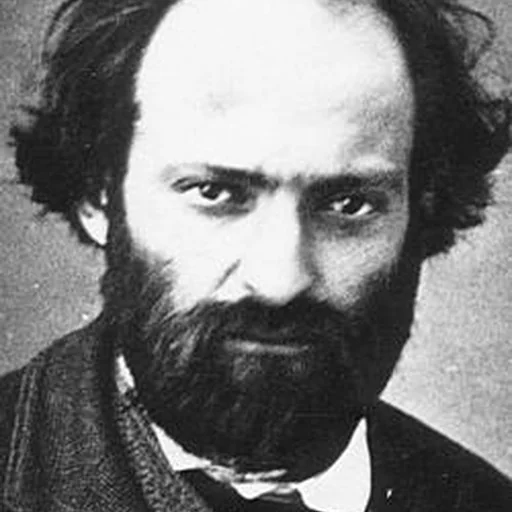
Paul Cézanne was born on January 19, 1839, in Aix-en-Provence, the son of a hatter turned wealthy banker.

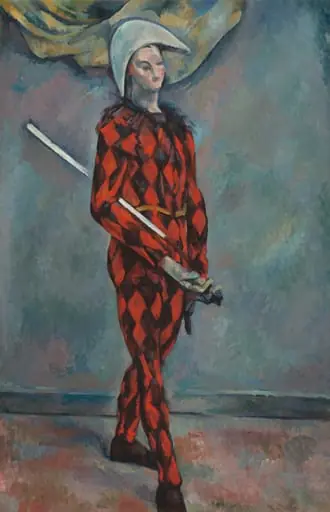 Harlequin
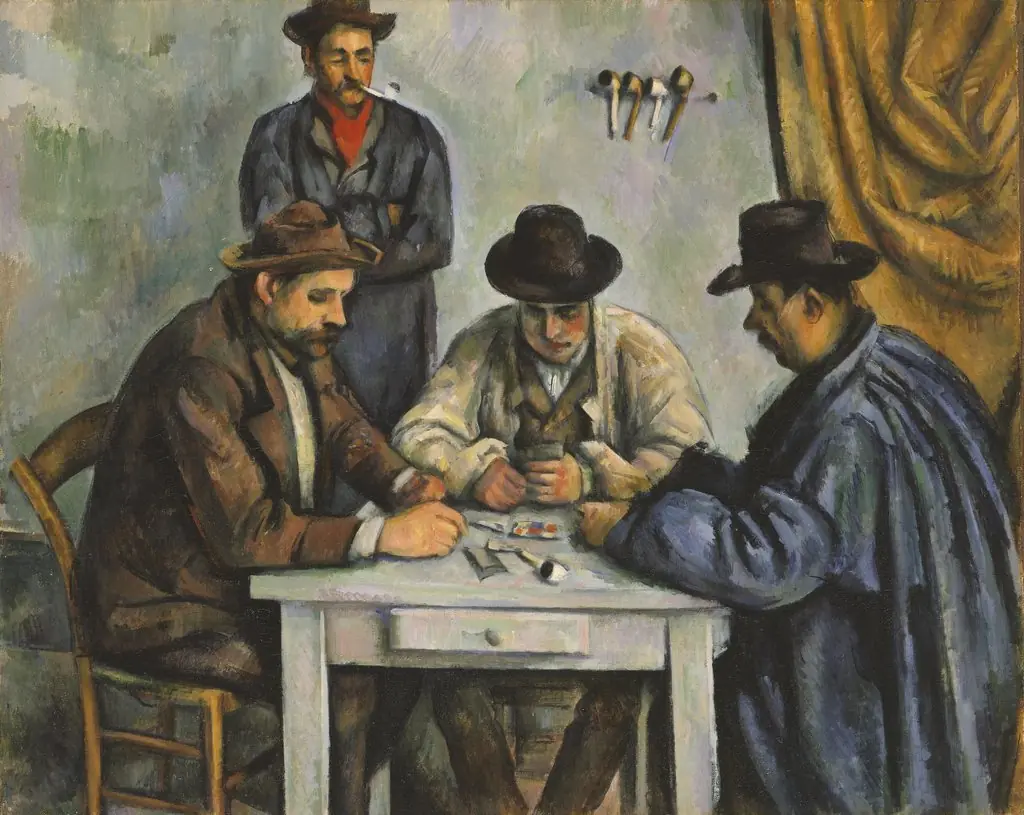 The Card Players
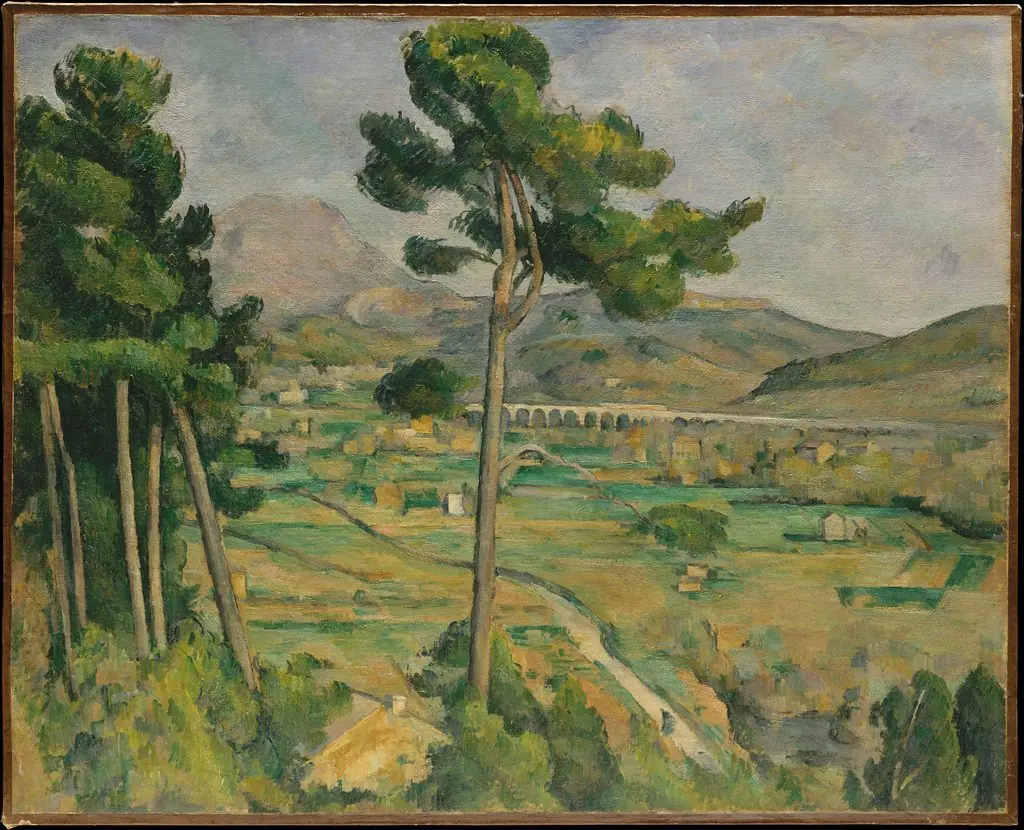 Mont Sainte-Victoire and the Viaduct of the Arc River Valley
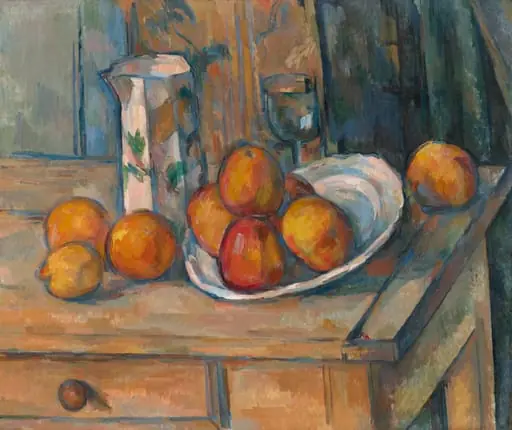 Still Life with Milk Jug and Fruit
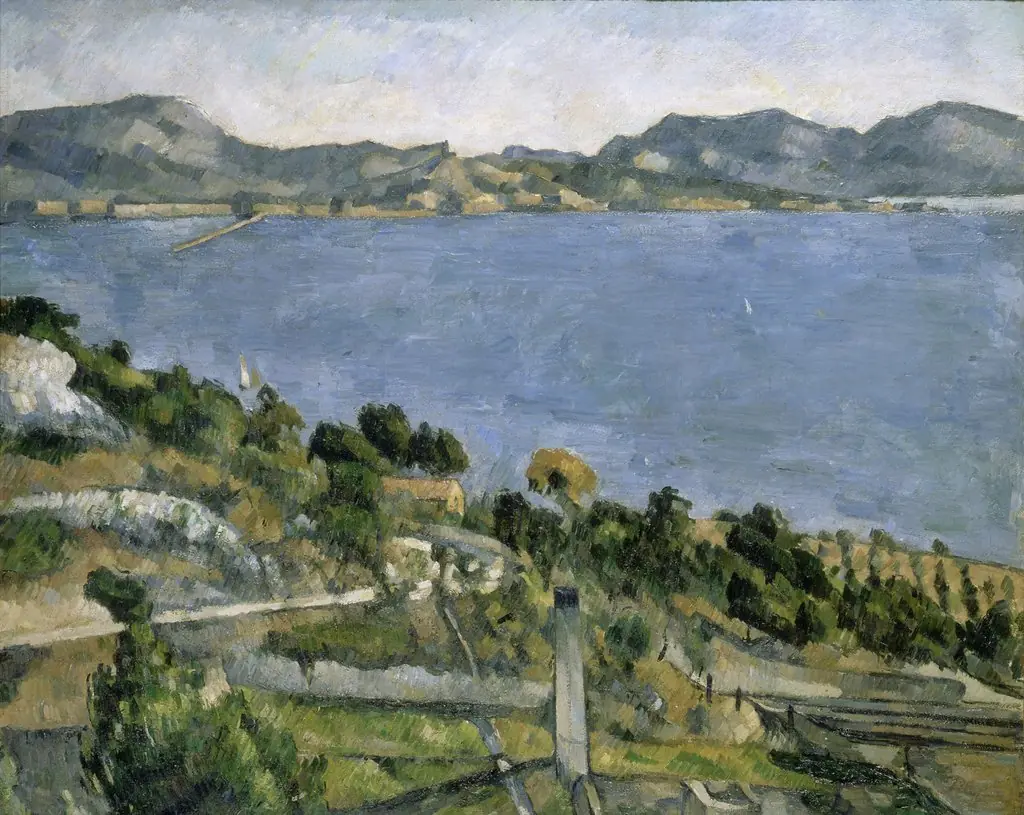 Le Golfe de Marseille vu de l'Estaque (The Gulf of Marseille Seen from L'Estaque)
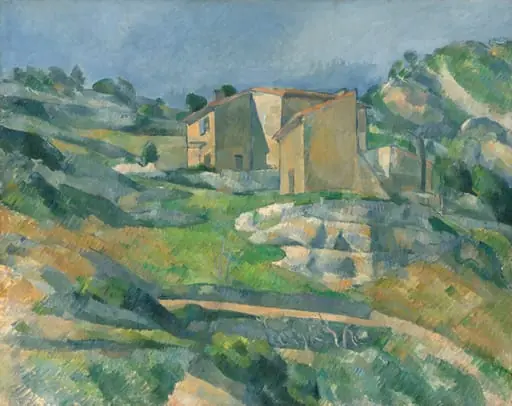 Houses in Provence: The Riaux Valley near L'Estaque
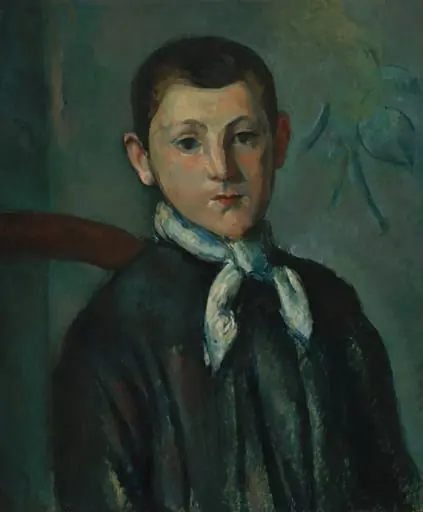 Louis Guillaume
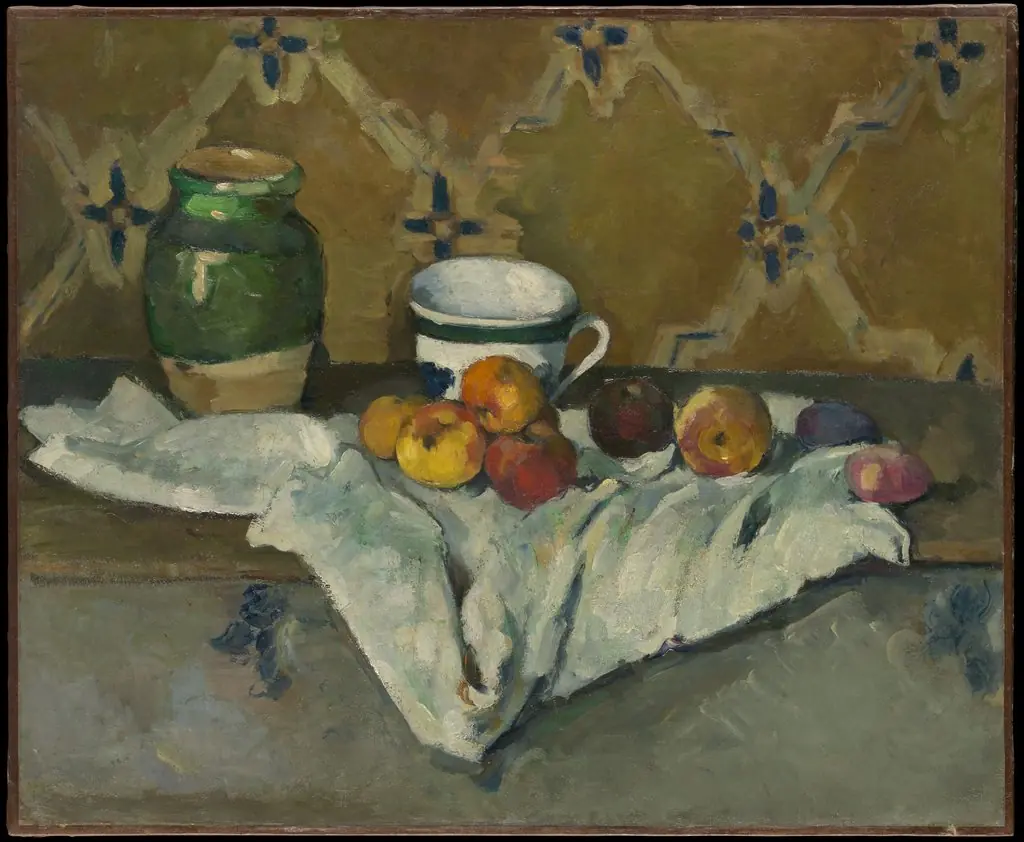 Still Life with Jar, Cup, and Apples
 Self-Portrait
 Untitled
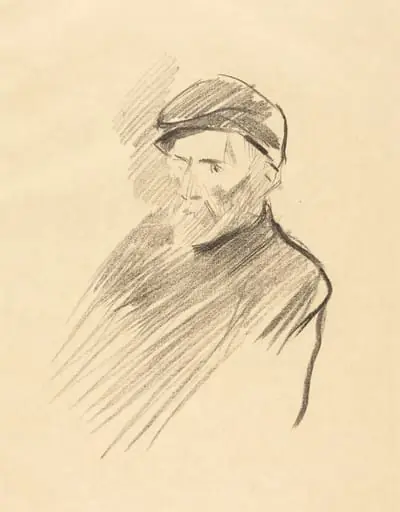 Portrait de Renoir (1ère planche) (Portrait of Renoir) (first plate)
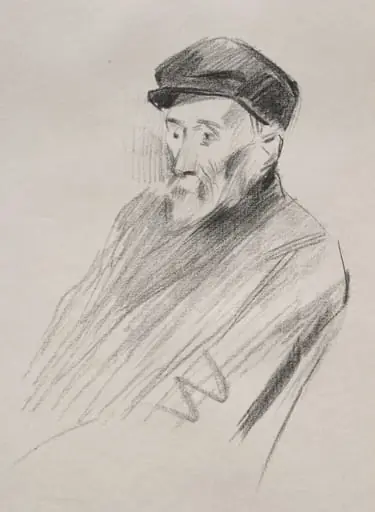 Portrait of Renoir, Third Plate
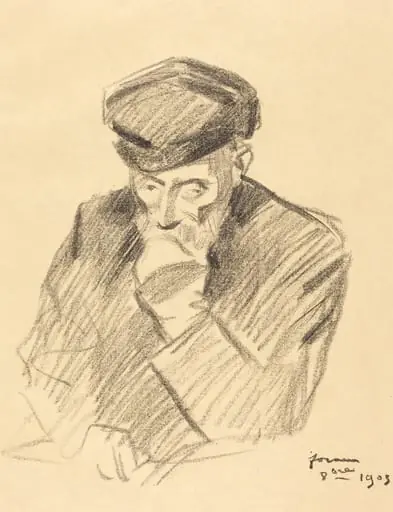 Portrait de Renoir (4e planche) (Portrait of Renoir) (fourth plate)
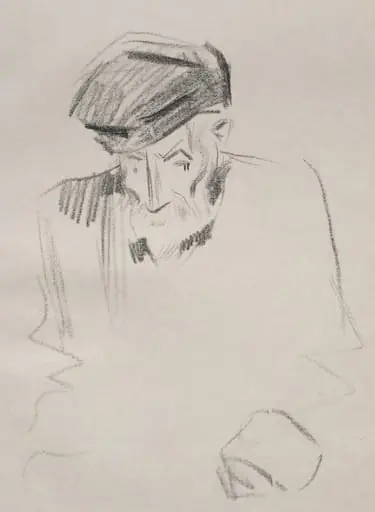 Pierre Auguste Renoir
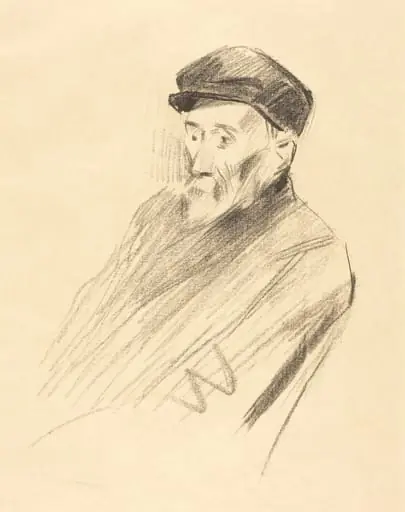 Portrait de Renoir (3e planche) (Portrait of Renoir) (third plate)
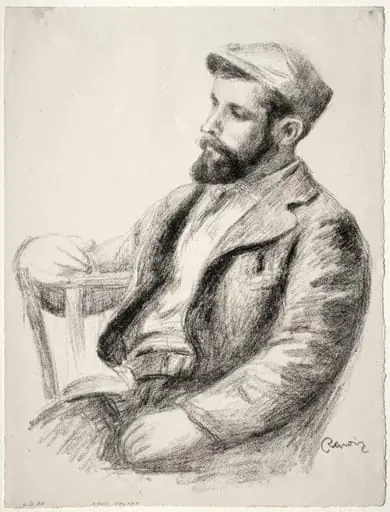 Louis Valtat
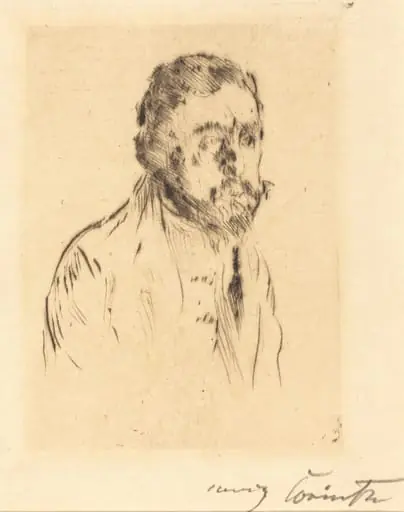 Bildnisstudie H. St. (Portrait Study of H. St.)
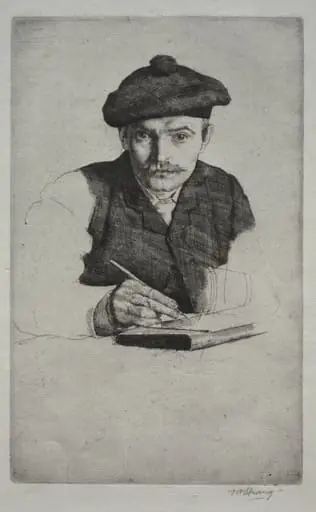 Self-Portrait
 The Good Lithographer
 George Bernard Shaw