Artwork
Untitled
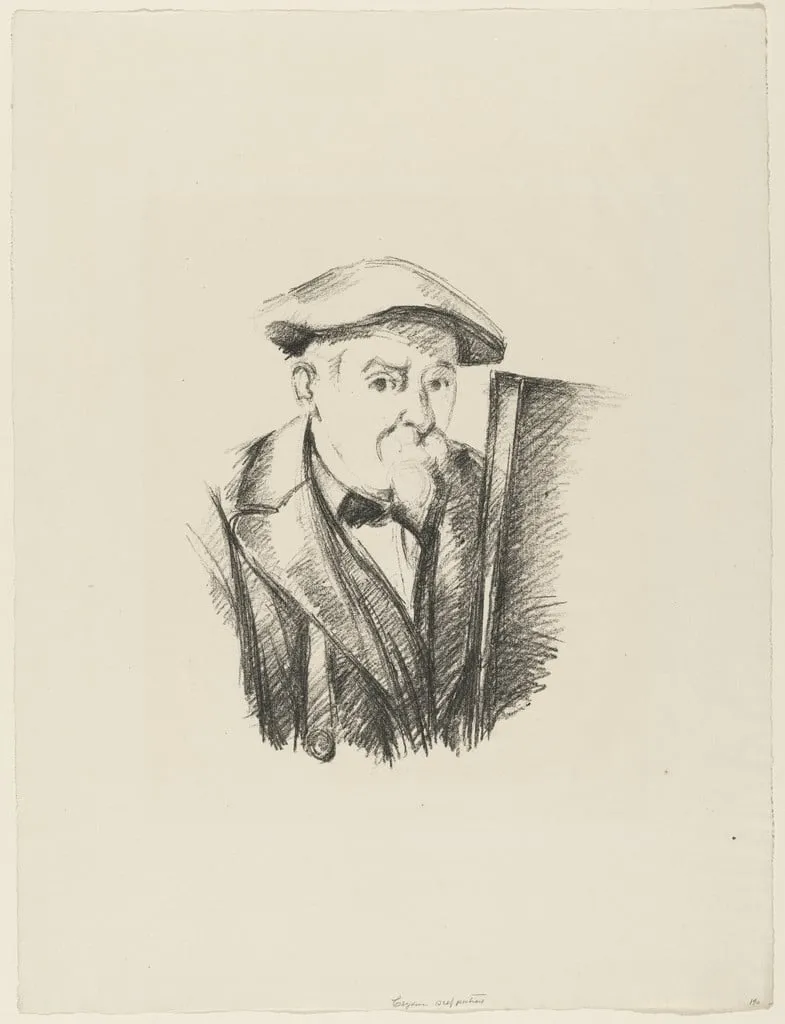
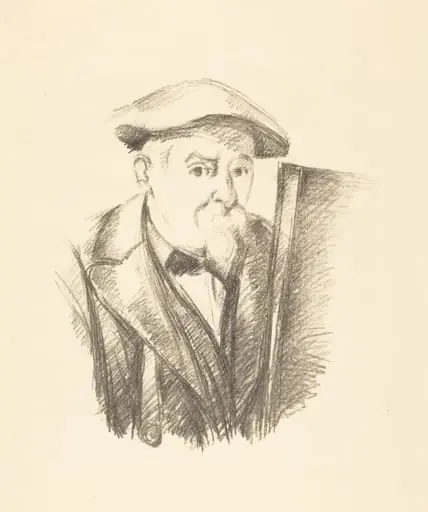
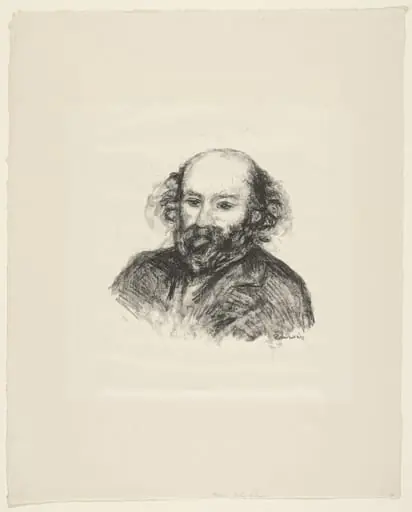
Untitled is an ink print by the Impressionist artist Paul Cezanne. It dates from 1899 and is held in the collection of the Museum of Modern Art. Paul Cézanne produced this lithograph around 1899 during a period when he was actively exploring printmaking as a medium.
About this work
Overview
This piece, like others from the time, reflects his shift away from Impressionist spontaneity toward a more considered, analytical approach to representation.
Paul Cézanne produced this lithograph around 1899 during a period when he was actively exploring printmaking as a medium. Though best known for his paintings, his late works in lithography reveal a continued interest in formal structure and visual economy. This piece, like others from the time, reflects his shift away from Impressionist spontaneity toward a more considered, analytical approach to representation.
Subject & Meaning
The figure is an older man, dressed in a flat cap and high collar, holding a rolled object—possibly a brush or sheet of paper. His weathered face and solemn expression suggest a working artisan or artist, though no specific identity is confirmed. The absence of context or narrative detail invites focus on presence rather than story, aligning with Cézanne’s broader interest in the essence of form over anecdote.
Technique & Style
Cézanne used loose, rapid lines to define the figure, avoiding smooth finishes in favor of gestural marks that suggest volume through suggestion. The background is left largely empty, directing attention to the subject’s contours and textures. The lithographic process allowed him to work with immediacy, echoing the spontaneity of sketching while retaining the tonal possibilities of print.
History & Provenance
This work belongs to a small group of lithographs Cézanne made in his final years, primarily in Aix-en-Provence. Few were printed during his lifetime, and most remained in his personal collection. After his death, these prints were gradually dispersed through family holdings and private sales, with this example entering public collections decades later.
Context
In the late 1890s, Cézanne increasingly turned to printmaking as a means to refine his compositional ideas outside of oil paint. Lithography offered a direct, tactile medium that complemented his evolving vision. While contemporaries like Toulouse-Lautrec used the form for social commentary, Cézanne treated it as a private laboratory for form and perception.
Legacy
Cézanne’s lithographs, though less known than his paintings, influenced later artists seeking to distill form through minimal means. His use of line and negative space in this work prefigures the structural clarity found in early 20th-century modernism. These prints are now recognized as vital extensions of his artistic inquiry, revealing his process in unvarnished terms.
Artist & collection
Artist
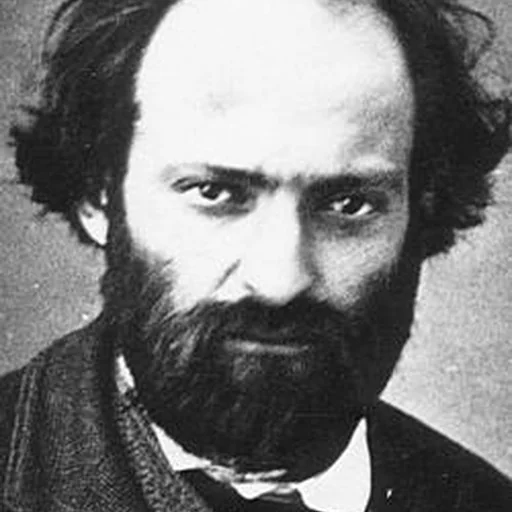
Paul Cézanne was born on January 19, 1839, in Aix-en-Provence, the son of a hatter turned wealthy banker.

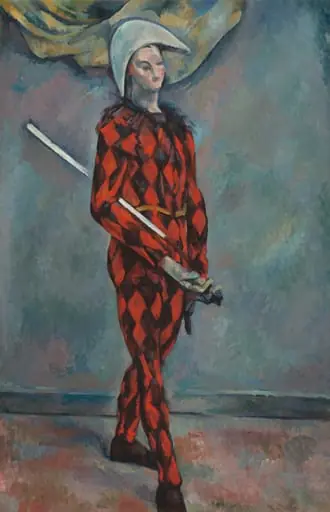 Harlequin
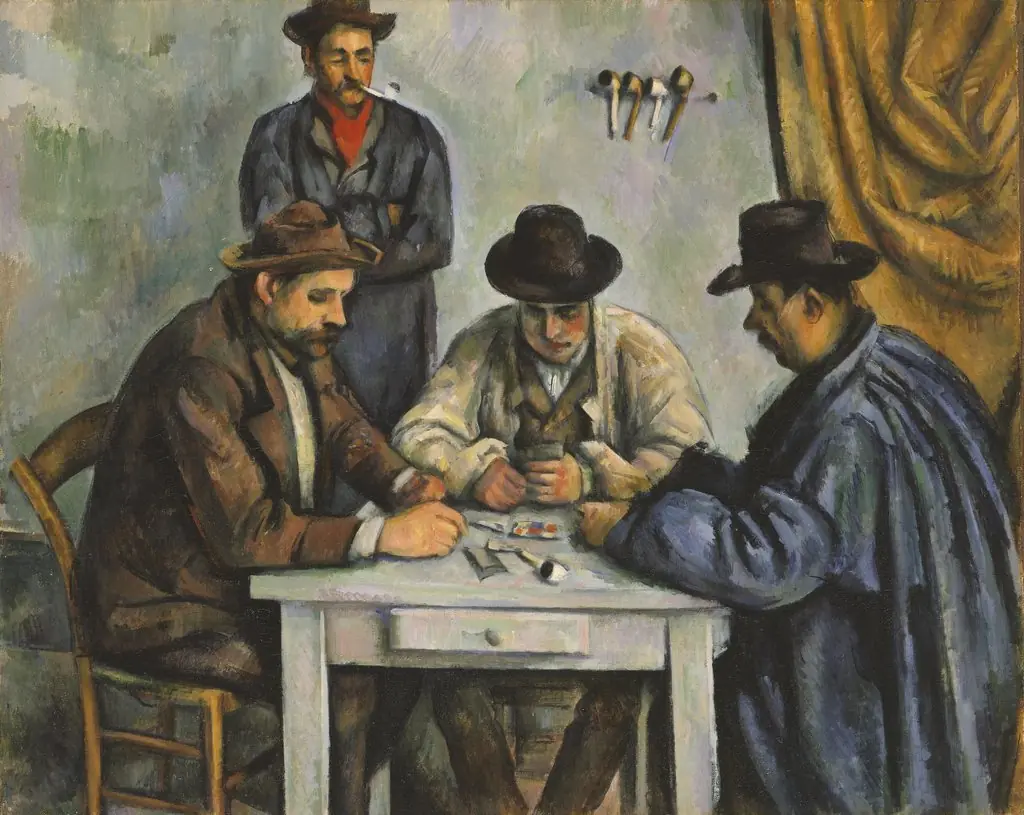 The Card Players
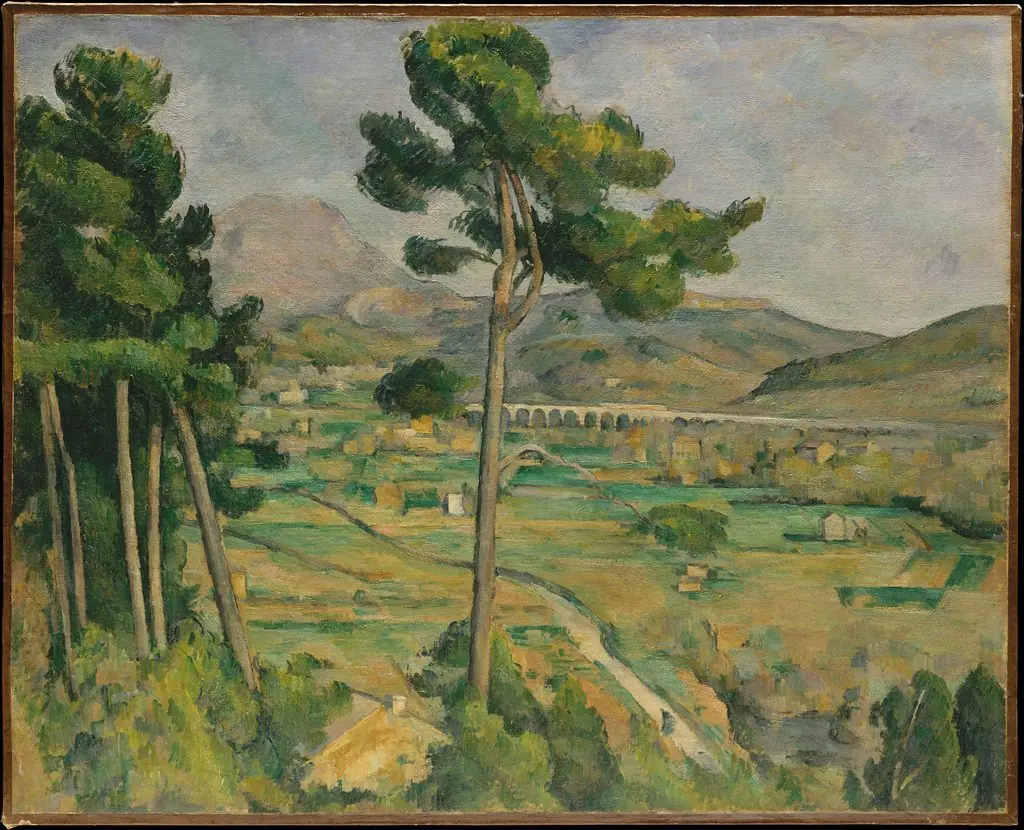 Mont Sainte-Victoire and the Viaduct of the Arc River Valley
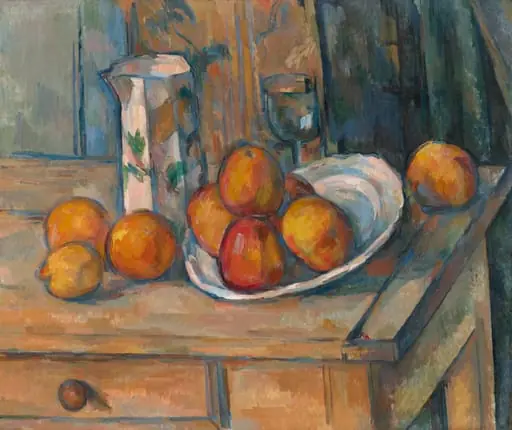 Still Life with Milk Jug and Fruit
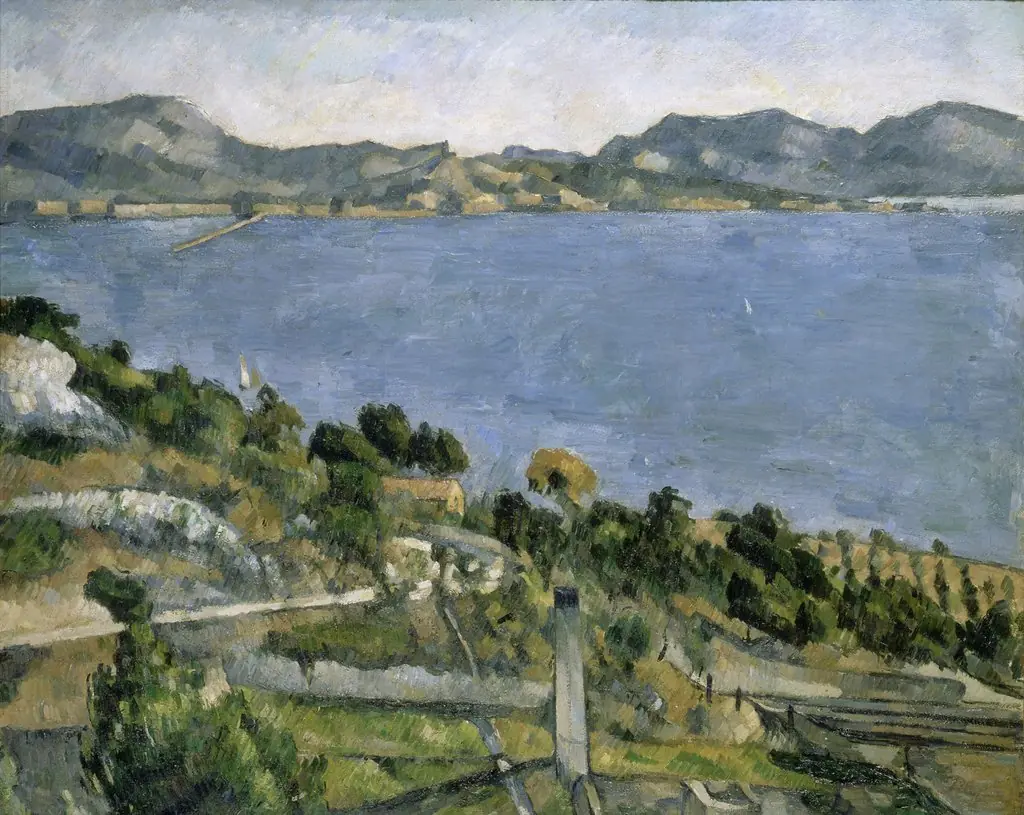 Le Golfe de Marseille vu de l'Estaque (The Gulf of Marseille Seen from L'Estaque)
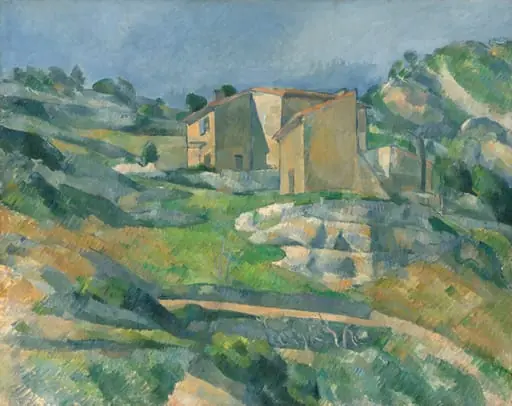 Houses in Provence: The Riaux Valley near L'Estaque
 Louis Guillaume
 Still Life with Jar, Cup, and Apples
 Untitled
 Self-Portrait
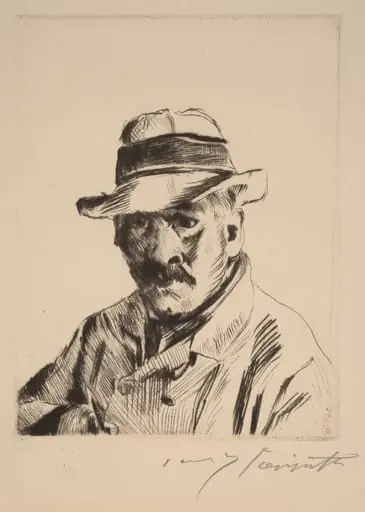 Selbstbildnis im Strohhut, als Brustbild (Self-Portrait in a Straw Hat, Bust Length)
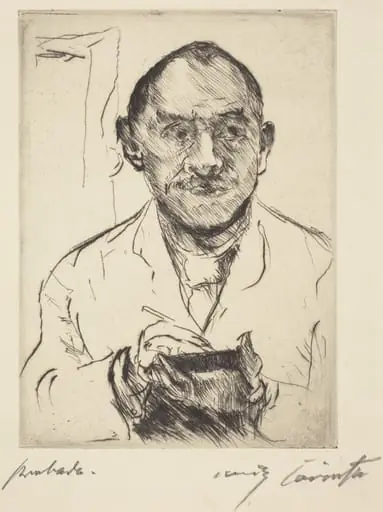 Selbstbildnis (Self-Portrait)
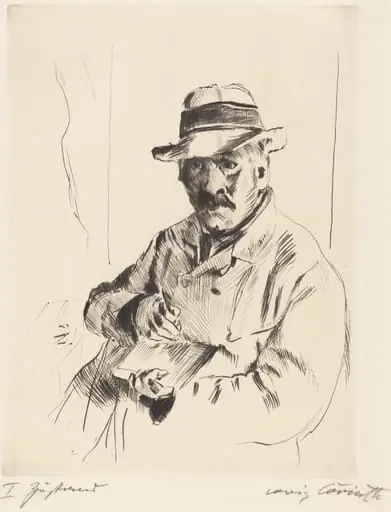 Selbstbildnis im Strohhut (Self-Portrait in a Straw Hat)
![Self-Portrait [recto], by Paul Cezanne](https://artifactworldgallery.com/img/paul-cezanne--self-portrait-recto--800f9cf98766d770-w320.webp) Self-Portrait [recto]
Self-Portrait [recto]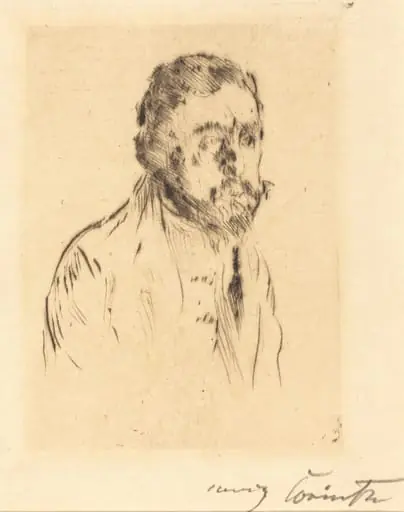 Bildnisstudie H. St. (Portrait Study of H. St.)
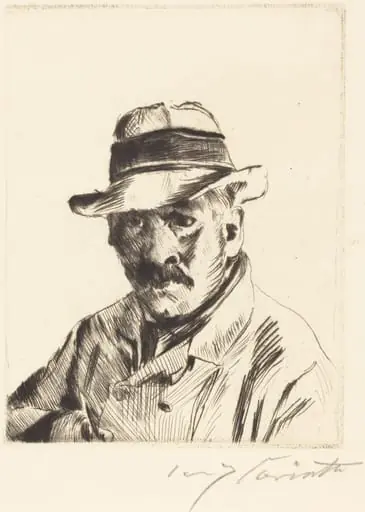 Selbstbildnis im Strohhut (Self-Portrait in a Straw Hat)
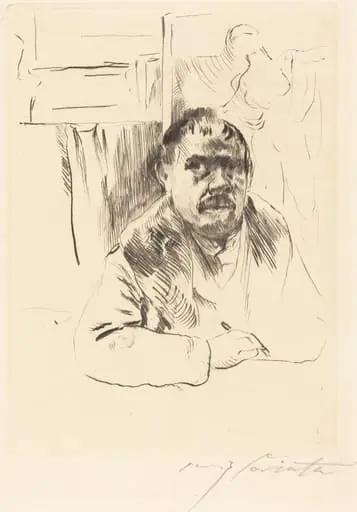 Selbstbildnis im Pelz (Self-Portrait in a Fur Coat)
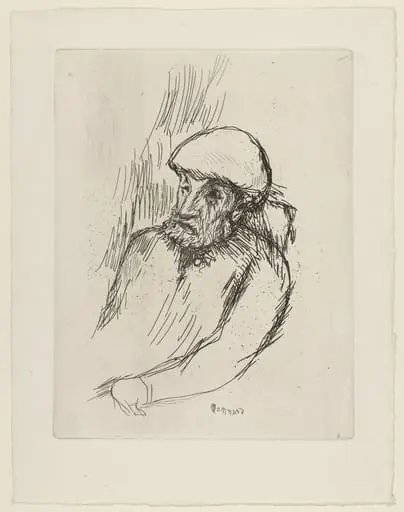 Untitled
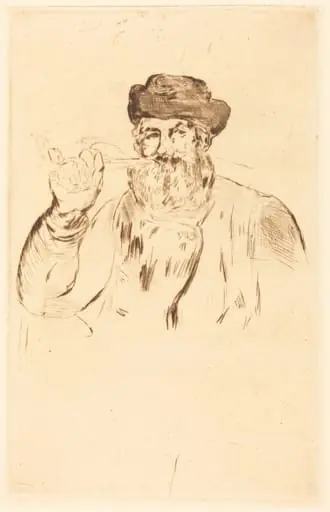 The Smoker (Le fumeur)
 Untitled