Artwork
The Good Lithographer
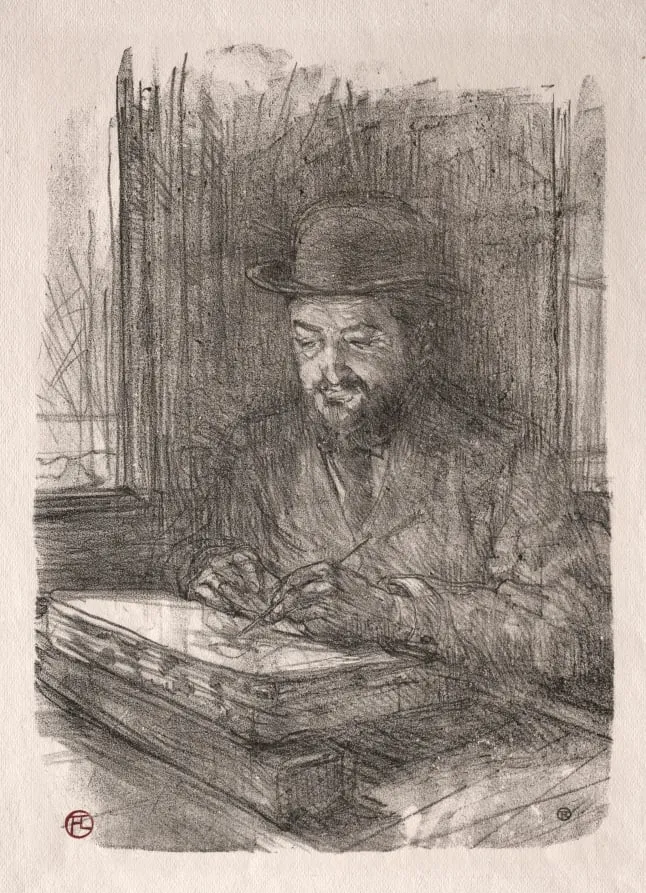
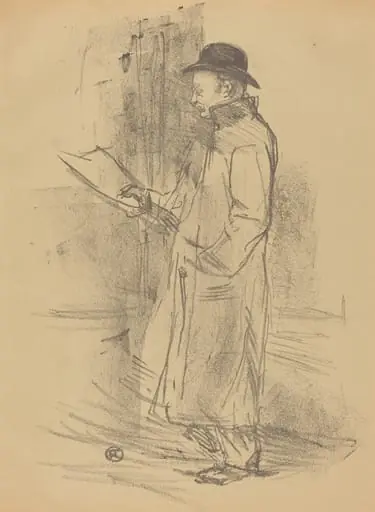
The Good Lithographer is a print by the Impressionist artist Henri de Toulouse-Lautrec. It dates from 1898 and is held in the collection of the Cleveland Museum of Art.
About this work
Overview
The image captures a quiet, focused moment within the commercial art world of Paris, contrasting with the artist’s more famous depictions of nightlife.
Created in 1898, *The Good Lithographer* is a lithograph by Henri de Toulouse-Lautrec that portrays a printmaker at work in his studio. The image captures a quiet, focused moment within the commercial art world of Paris, contrasting with the artist’s more famous depictions of nightlife. Toulouse-Lautrec’s intimate knowledge of printmaking processes informed this portrayal, reflecting his dual role as both observer and practitioner.
Subject & Meaning
The figure is a lithographer, absorbed in his craft, rendered with attention to the tension in his hands and the concentration on his face. His attire—a flat hat and loose coat—suggests the working-class artisan rather than the elite. The blurred background and faint suggestion of a sailboat imply a fleeting moment, emphasizing the solitude and dedication of labor. The subject embodies the quiet dignity of skilled craftsmanship in an era of rapid urban change.
Technique & Style
Toulouse-Lautrec employed lithography to achieve a spontaneous, sketch-like quality. He used loose, gestural lines and selective focus, directing attention to the figure’s face and hands while allowing the surroundings to dissolve into indistinct washes. The contrast between sharp detail and soft blur echoes the visual language of Impressionism, though adapted to the demands of printmaking, emphasizing immediacy over finish.
History & Provenance
The print was produced during a period when Toulouse-Lautrec was deeply involved in the Parisian print trade, often collaborating with printers and publishers. It entered the collection of the Cleveland Museum of Art through established acquisition channels, likely in the early 20th century. Its preservation reflects growing institutional interest in graphic arts as legitimate expressions of modern life.
Context
In late 19th-century Paris, lithography was central to advertising and popular media, and artists like Toulouse-Lautrec helped elevate it to fine art status. His own physical isolation from aristocratic circles fostered empathy for those on the margins—workers, performers, artisans. This print stands as a quiet tribute to the unseen labor sustaining the city’s visual culture.
Legacy
Toulouse-Lautrec’s lithographs, including this one, redefined the potential of printmaking as a medium for personal expression and social observation. His approach influenced later generations of artists who sought to capture everyday life with immediacy and emotional honesty. The work remains a testament to the quiet artistry behind mass-produced imagery.
Artist & collection
Artist
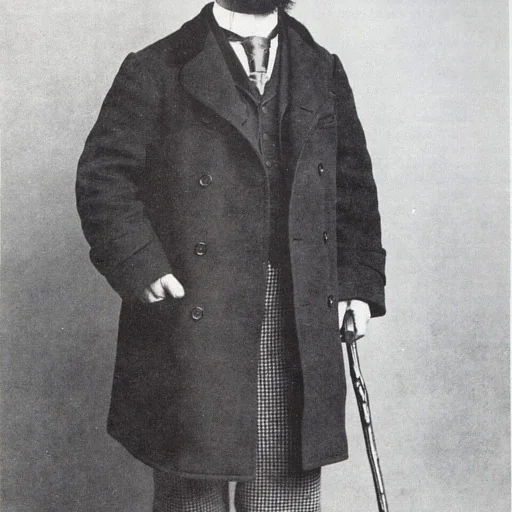
Comte Henri Marie Raymond de Toulouse-Lautrec-Montfa (24 November 1864 – 9 September 1901), known as Toulouse-Lautrec (French: ), was a French painter, printmaker, draughtsman, caricaturist, and illustrator.

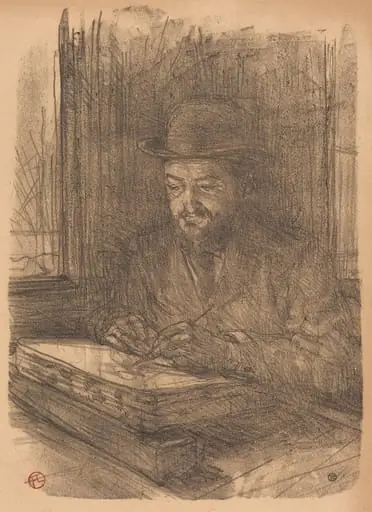 The Fine Printmaker Adolphe Albert (Le bon graveur - Adolphe Albert)
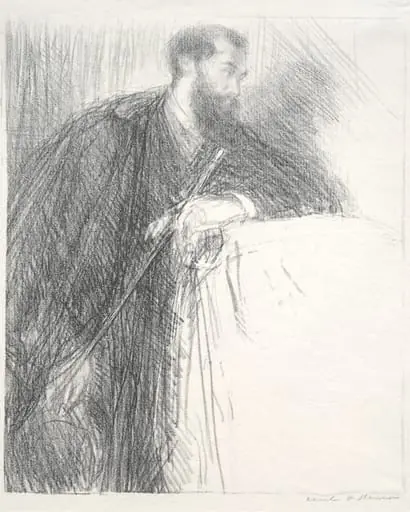 Lucien Pissarro
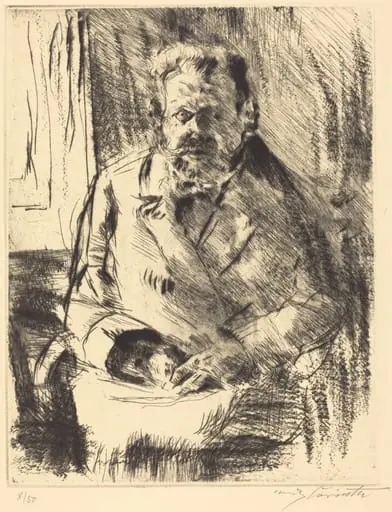 Der Dichter (The Poet)
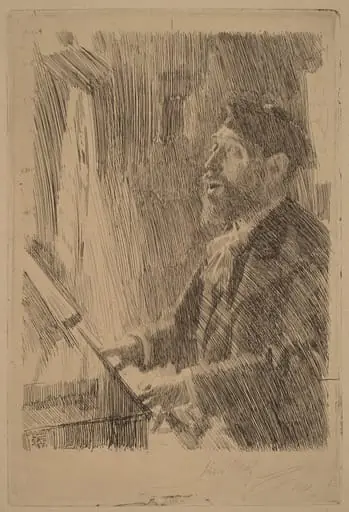 J.B. Faure
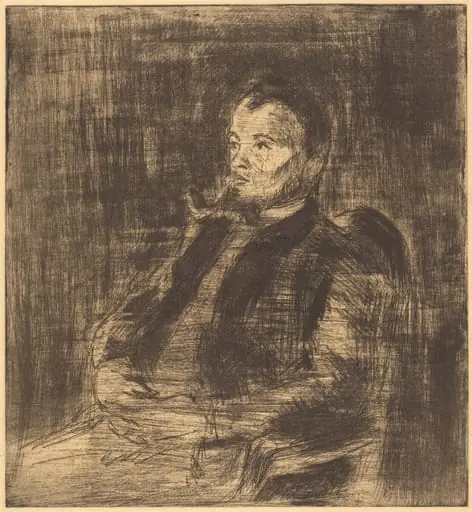 Paul Signac (Portrait de Paul Signac)
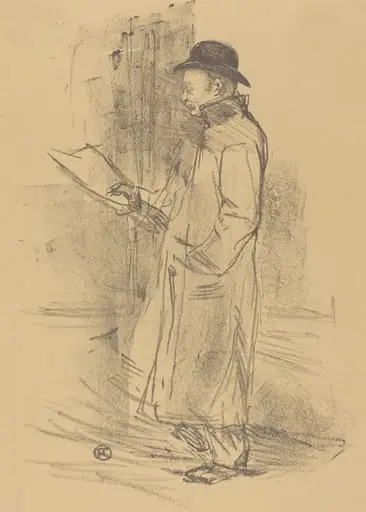 Program for "Benefice Gemier" (Programme du "Bénéfice Gémier")
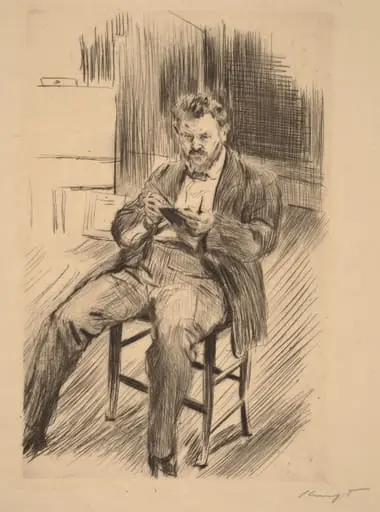 Self-Portrait (sketching in his studio)
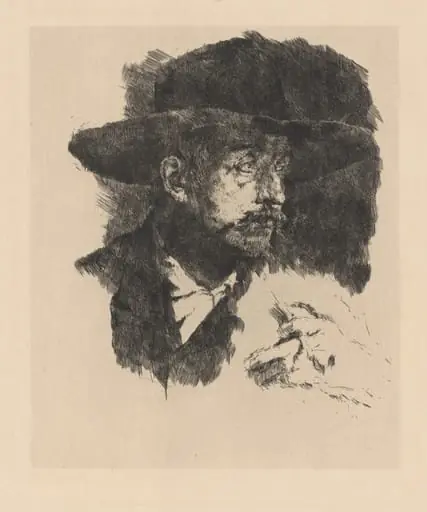 The Smoker (Portrait of the Painter Horstig)
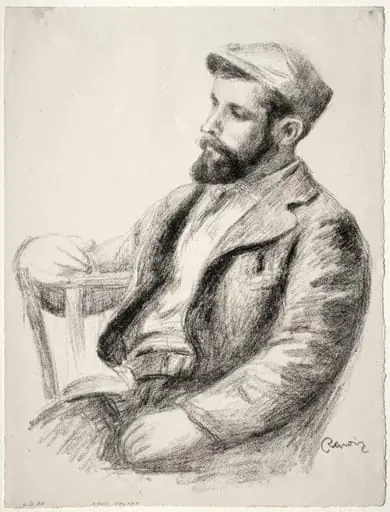 Louis Valtat
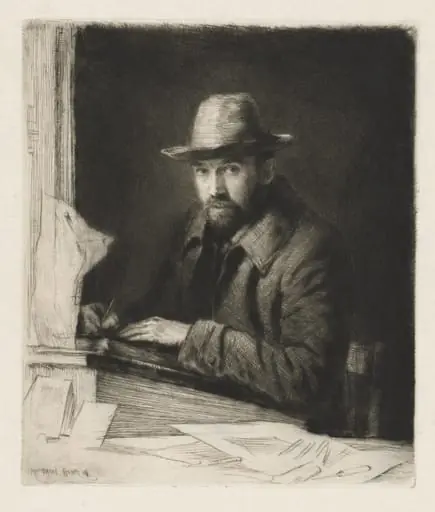 Portrait of the Artist in a Hat, No 2
 Benefit for Firmin Gémier
 Untitled