Artwork
Study of the Allegorical Figure of Health in Rubens' "The Birth of Louis XIII"
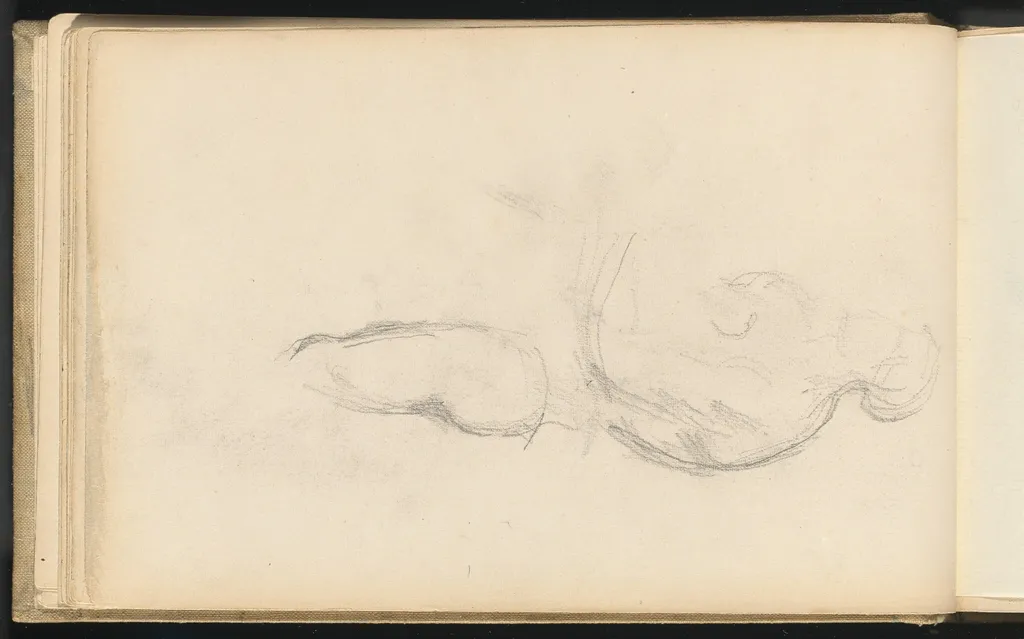
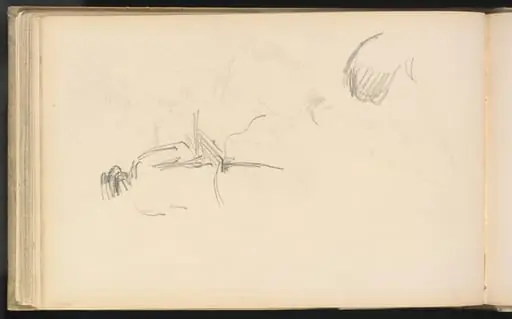
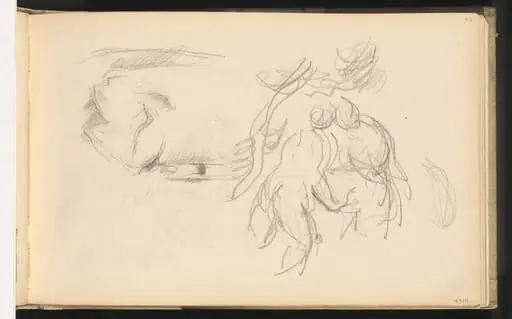
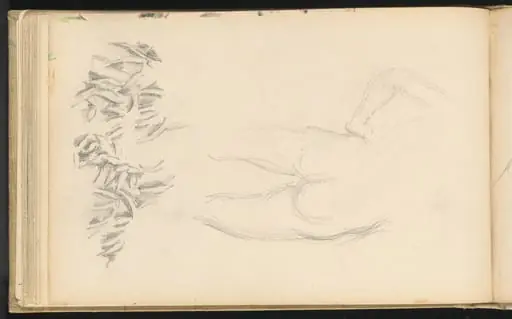
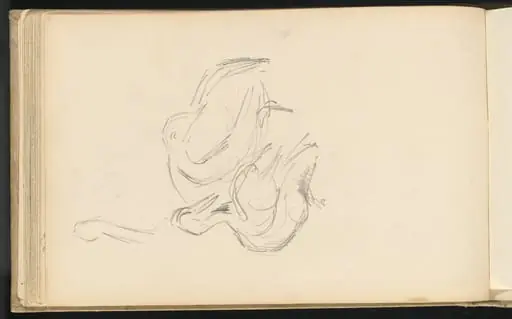
Study of the Allegorical Figure of Health in Rubens' "The Birth of Louis XIII" is a graphite drawing by the Impressionist artist Paul Cezanne. It dates from 1882 and is held in the collection of the National Gallery of Art. The work is a graphite drawing on wove paper titled Study of the Allegorical Figure of Health in Rubens’ The Birth of Louis XIII.
About this work
The painting is called "Study of the Allegorical Figure of Health in Rubens' 'The Birth of Louis XIII'" by Paul Cezanne.
It was made between 1880 and 1883, which is a bit earlier than the date given for the artist.
This study is related to Impressionism and Realism, and to learn more about this style, you can look into the movement: Realism.
Overview
The work is a graphite drawing on wove paper titled Study of the Allegorical Figure of Health in Rubens’ The Birth of Louis XIII. It is catalogued as a study rather than a finished painting and measures within the typical size of preparatory sketches. The piece is attributed to Paul Cézanne and is dated to the early 1880s, roughly between 1880 and 1883.
Subject & Meaning
The drawing isolates the personification of Health that appears in Rubens’ larger composition The Birth of Louis XIII. By focusing on this single allegorical figure, the artist explores the symbolic role of health in the narrative of royal birth, emphasizing vitality and divine favor associated with the newborn monarch.
Technique & Style
Executed in graphite, the study demonstrates a careful handling of line and shading to model the figure’s anatomy and drapery. The approach reflects Cézanne’s interest in structural form, while also showing affinities with the observational concerns of Realism and the emerging emphasis on light and atmosphere characteristic of Impressionism.
History & Provenance
Created during a period when Cézanne was engaging with the works of Old Masters, the drawing was likely produced as part of his study of Rubens’ composition. The work entered a private collection in the early 20th century before being acquired by a public institution, where it remains accessible for scholarly research.
Context
In the 1880s, French artists frequently revisited Baroque masterpieces to extract compositional ideas. Cézanne’s focus on an allegorical figure aligns with contemporary academic practices of copying and reinterpreting historical subjects, while also anticipating his later investigations into form and color.
Legacy
Although not as widely reproduced as Cézanne’s oil paintings, the drawing offers insight into his preparatory methods and his dialogue with Rubens. It continues to serve as a reference point for studies of artistic transmission between the Baroque and modernist periods.
Artist & collection
Artist
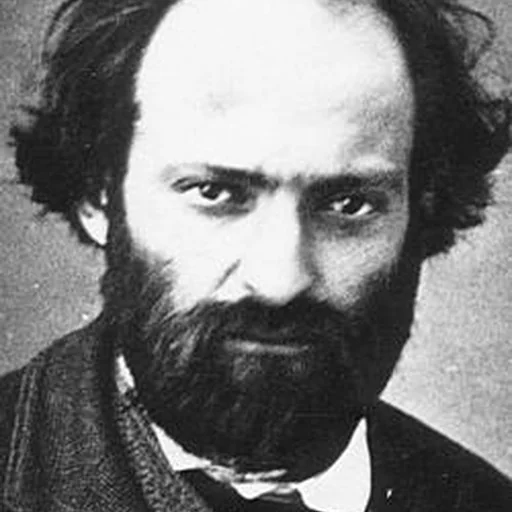
Paul Cézanne was born on January 19, 1839, in Aix-en-Provence, the son of a hatter turned wealthy banker.

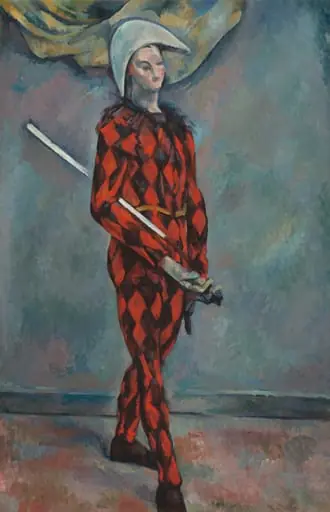 Harlequin
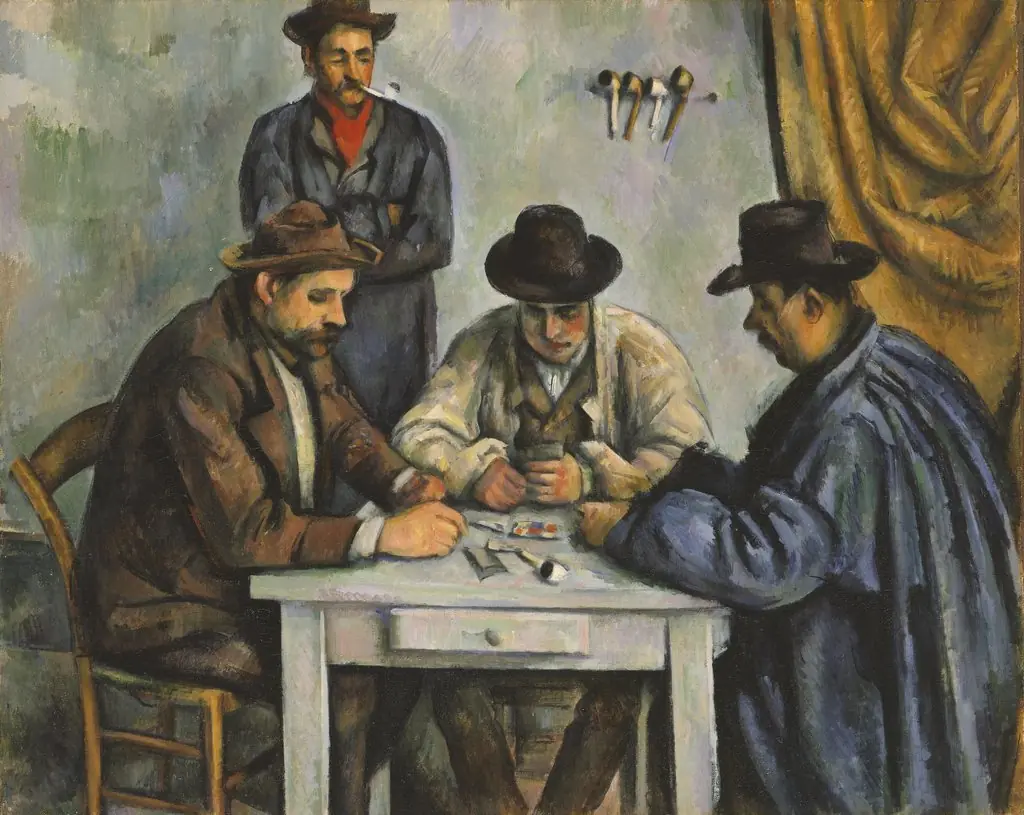 The Card Players
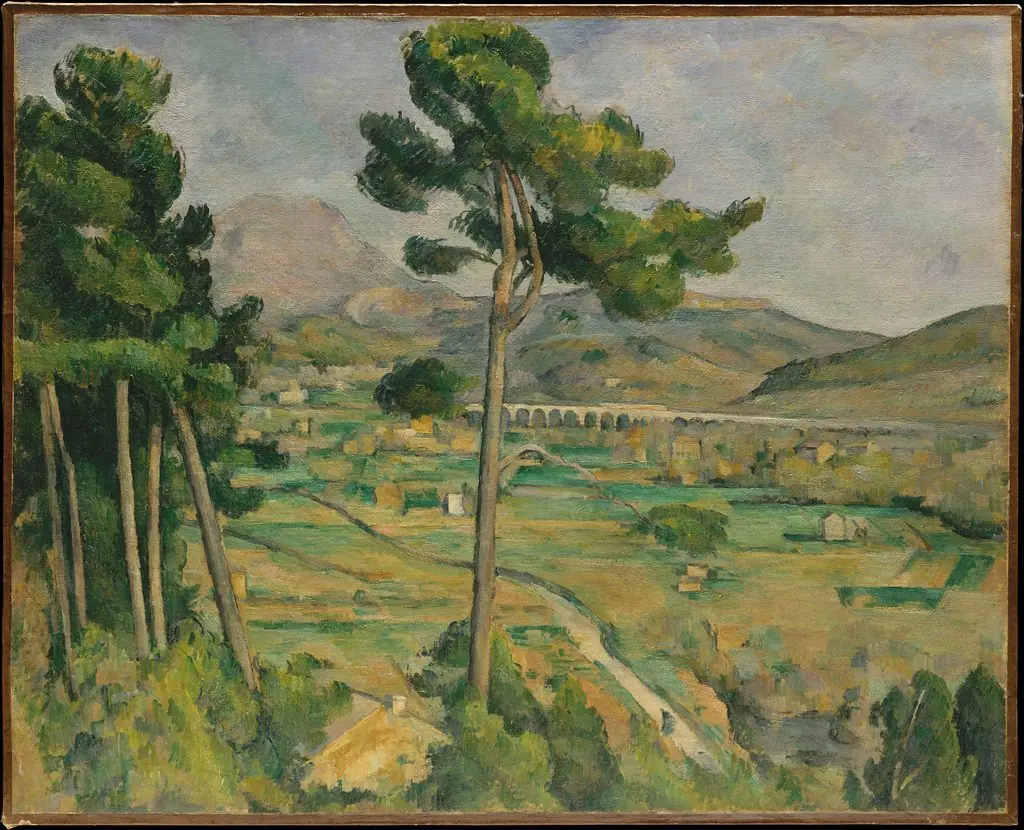 Mont Sainte-Victoire and the Viaduct of the Arc River Valley
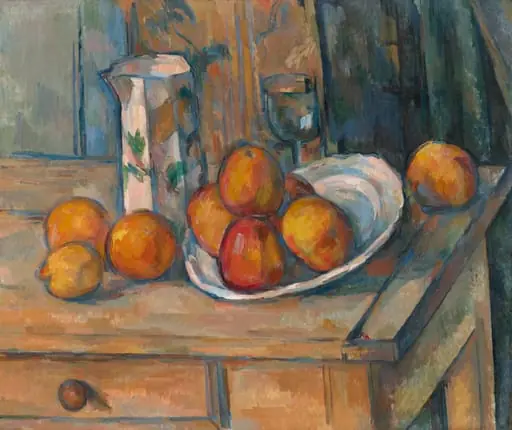 Still Life with Milk Jug and Fruit
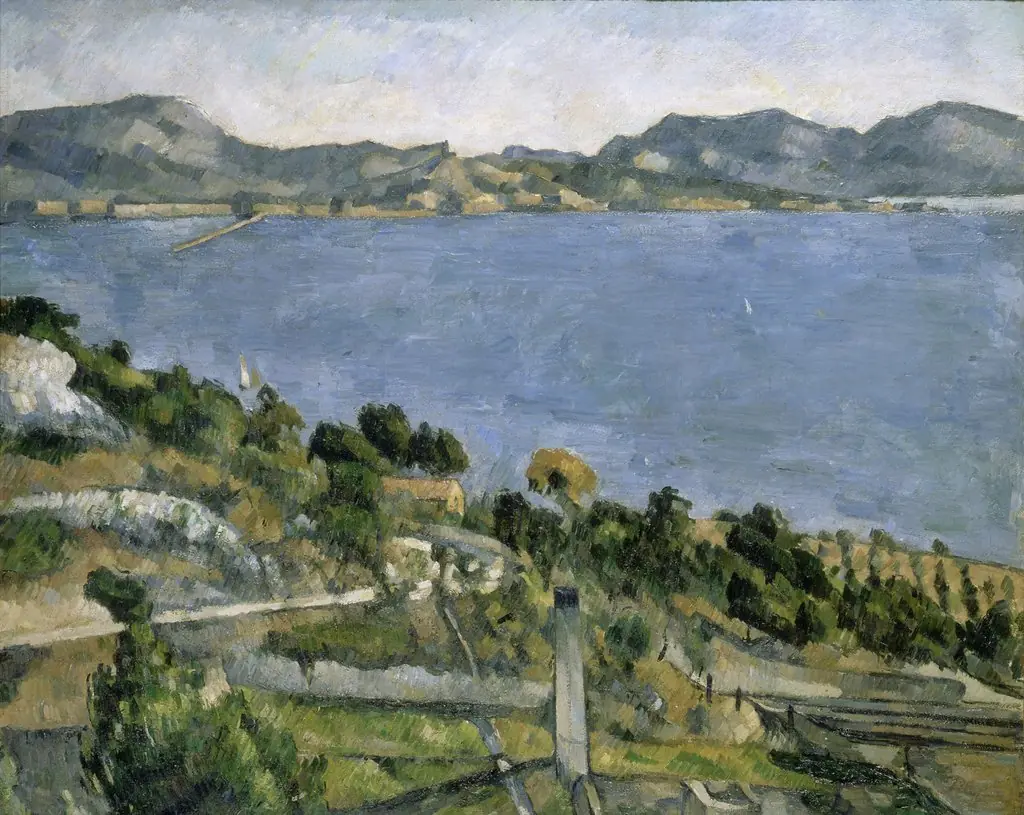 Le Golfe de Marseille vu de l'Estaque (The Gulf of Marseille Seen from L'Estaque)
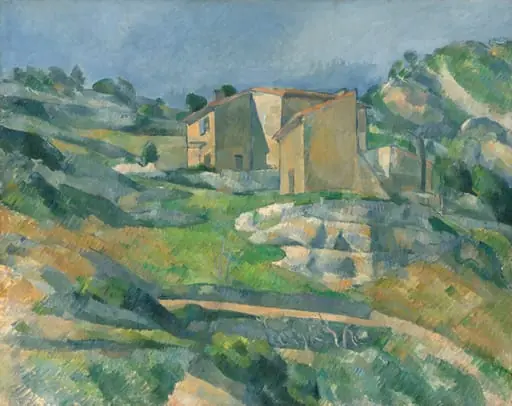 Houses in Provence: The Riaux Valley near L'Estaque
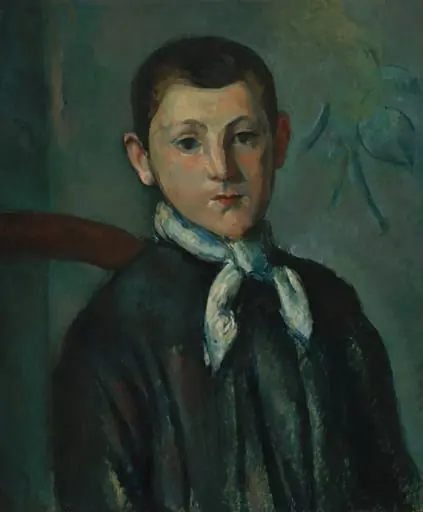 Louis Guillaume
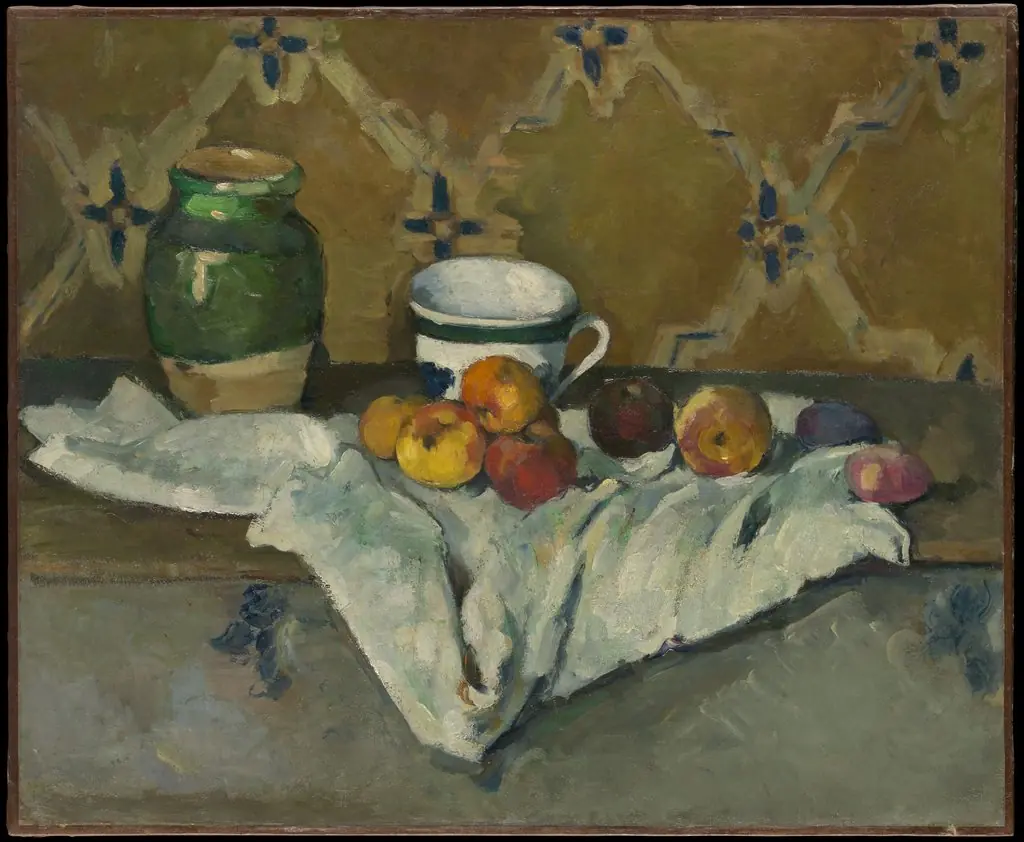 Still Life with Jar, Cup, and Apples
![Study of the "Ecorché" [recto], by Paul Cezanne](https://artifactworldgallery.com/img/paul-cezanne--study-of-the-ecorche-recto--1614b86d796e004d-w320.webp)