Artwork
Untitled
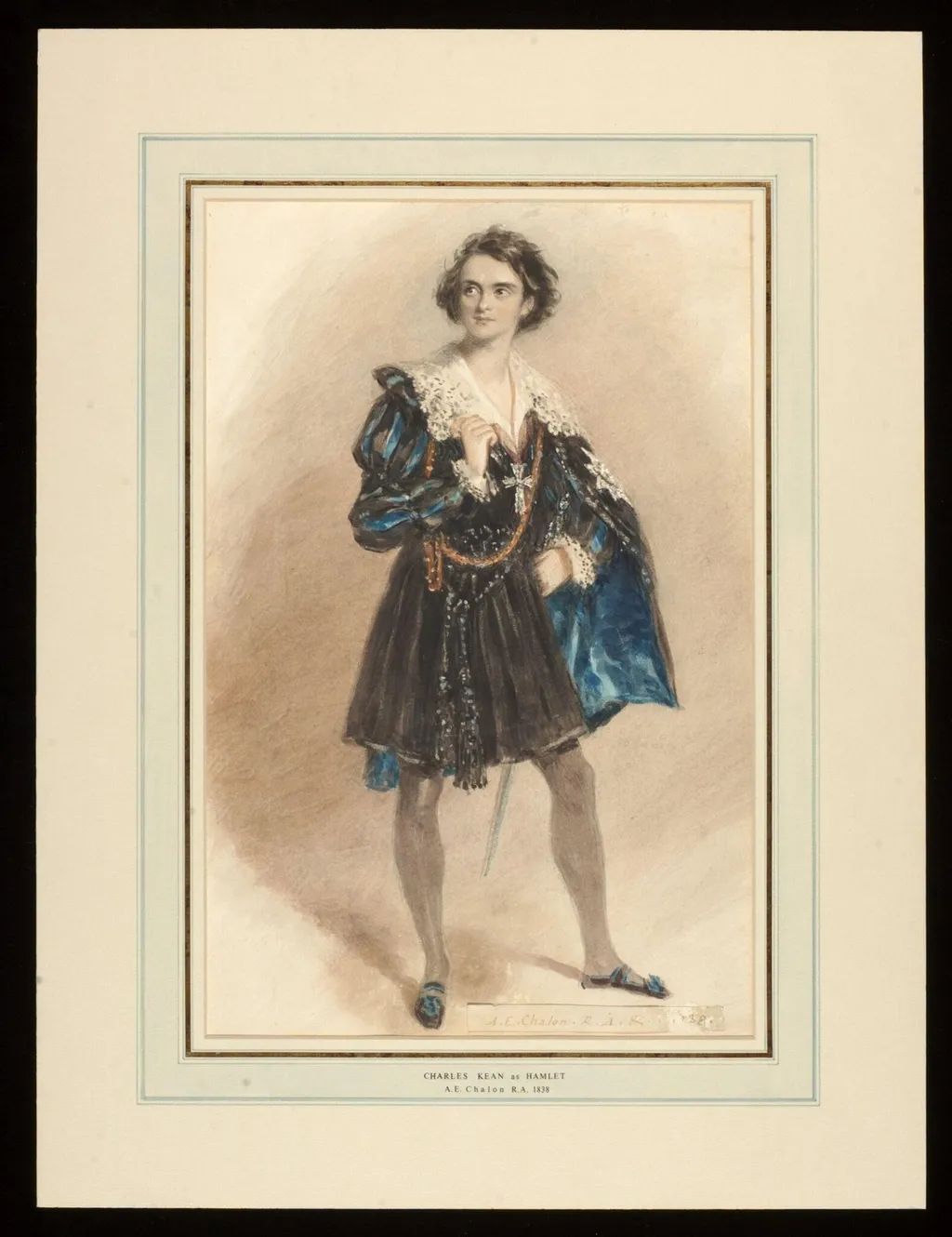
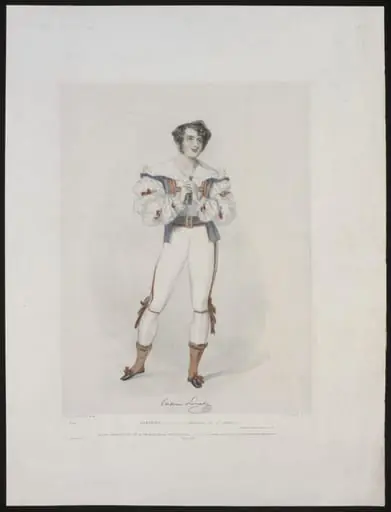
Untitled is a watercolor work on paper by the British Romanticist artist Alfred Edward Chalon. It dates from 1838 and is held in the collection of the Victoria and Albert Museum.
About this work
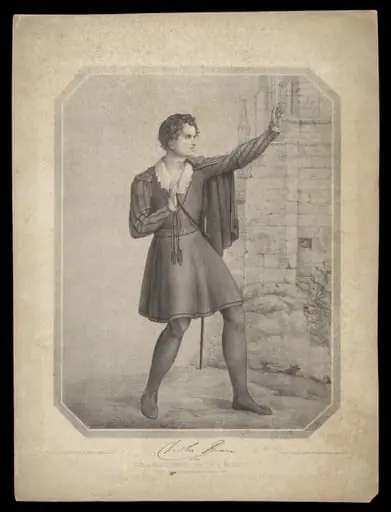
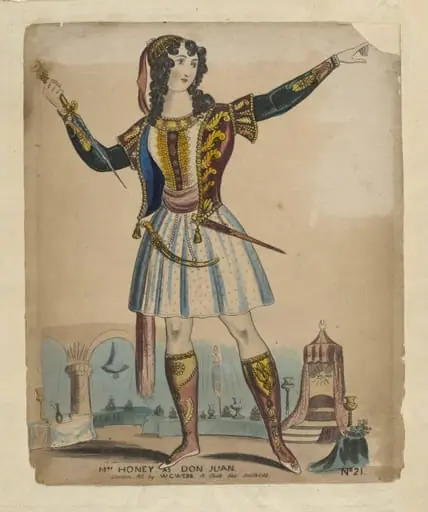
This painting shows a person dressed in a black and blue costume with ruffled sleeves and a high collar.
This painting shows a person dressed in a black and blue costume with ruffled sleeves and a high collar. They’re wearing blue shoes and holding a dark cloak over one arm. The outfit looks fancy, like something from a play.
The label says this is Charles Kean as Hamlet, painted in 1838. The artist used soft watercolors, keeping the background plain so the costume stands out.
Check out the Victoria and Albert Museum to see more like this.
Overview
This watercolor, dated 1838, is a portrait study by Alfred Edward Chalon depicting the actor Charles Kean in costume. Executed in delicate washes, the work captures a moment of theatrical stillness. It resides in the collection of the Victoria and Albert Museum, where it serves as a record of 19th-century stage performance and costume design.
Subject & Meaning
The figure is Charles Kean, a prominent actor of the era, portrayed in his role as Hamlet. The elaborate black and blue costume, with ruffled sleeves and high collar, reflects the romanticized historical dress favored in Victorian Shakespearean productions. The draped cloak suggests contemplation, aligning with the character’s introspective nature, though the focus remains on the costume as a symbol of theatrical identity.
Technique & Style
Chalon employed transparent watercolor washes to render the fabric’s texture and subtle tonal shifts, avoiding heavy outlines. The background is left unadorned, directing attention entirely to the costume and figure. The soft modeling of light and shadow enhances the three-dimensionality of the garments without distracting detail, reflecting a restrained, observational approach.
History & Provenance
Created in 1838, the watercolor was likely made as a study for a larger work or as a personal record of Kean’s performance. It entered the Victoria and Albert Museum’s collection through its longstanding interest in theater and costume history. The piece has remained in institutional care since the 19th century, with no known private ownership after its initial creation.
Context
In the 1830s, theatrical portraiture was a growing genre, with artists documenting actors in iconic roles to celebrate the rise of dramatic realism on stage. Chalon’s work aligns with this trend, capturing the shift from stylized stage costumes to historically researched attire. Kean was known for his meticulous attention to period detail, making this portrait a visual document of evolving theatrical aesthetics.
Legacy
The watercolor endures as a primary source for understanding early Victorian stage costume and actor portraiture. It contributes to scholarly study of how Shakespearean characters were visually constructed in the 19th century. Though not widely exhibited, it remains a reference point in museum archives for researchers of theater history and watercolor practice.
Artist & collection

Artist
Alfred Edward Chalon was a Swiss-born British portraitist. He lived in London where he was noticed by Queen Victoria.

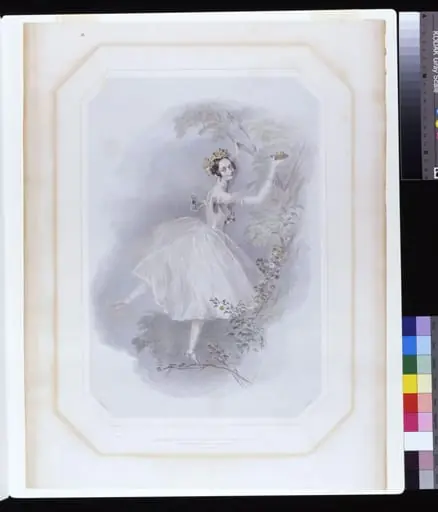
 H Beard Print Collection
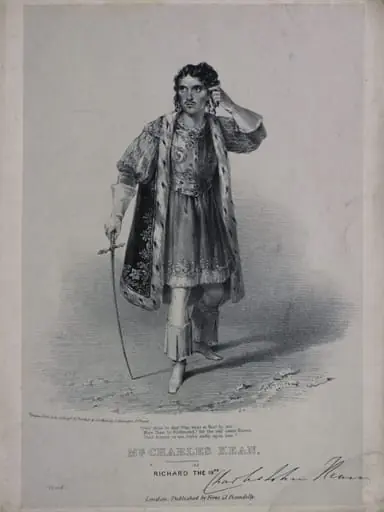 H Beard Print Collection
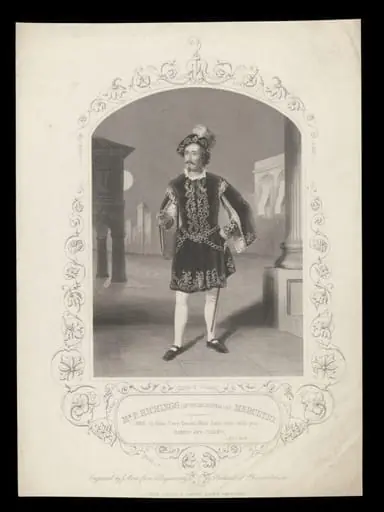 H Beard Print Collection
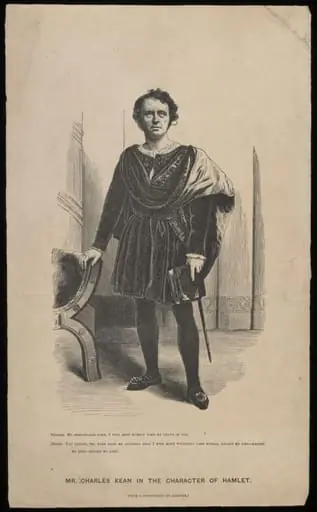 H Beard Print Collection
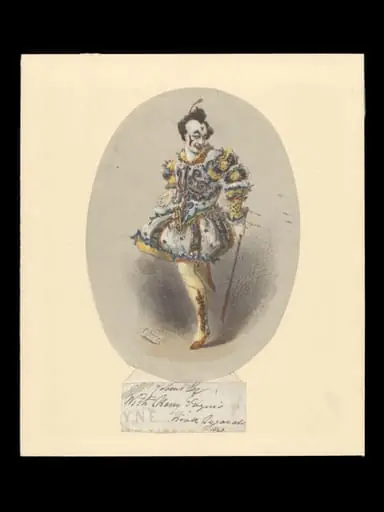 H Beard Print Collection
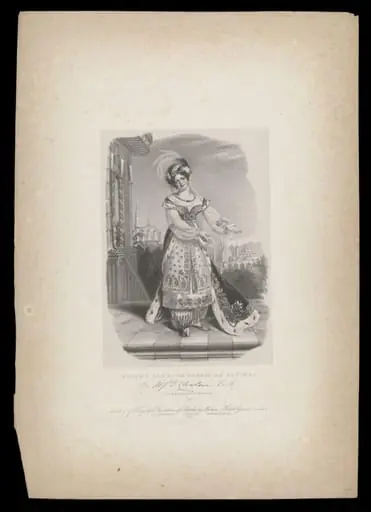
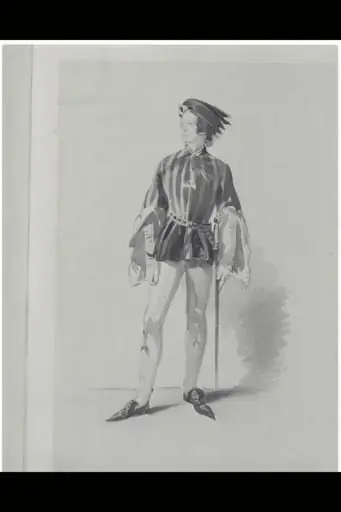 Captain the Hon. Arthur Duncombe, R.N., as a nobleman of the 14th century
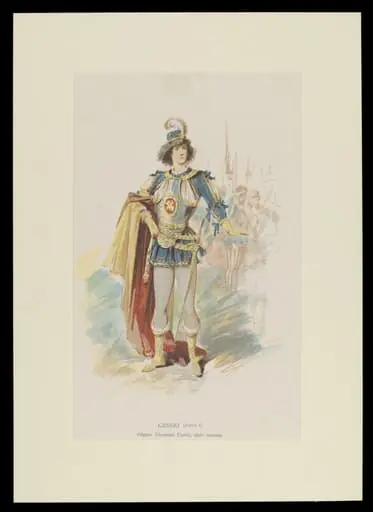 H Beard Print Collection
 H Beard Print Collection
 H Beard Print Collection
 H Beard Print Collection
 H Beard Print Collection
 H Beard Print Collection