Artwork
George Monk, First Duke of Albemarle
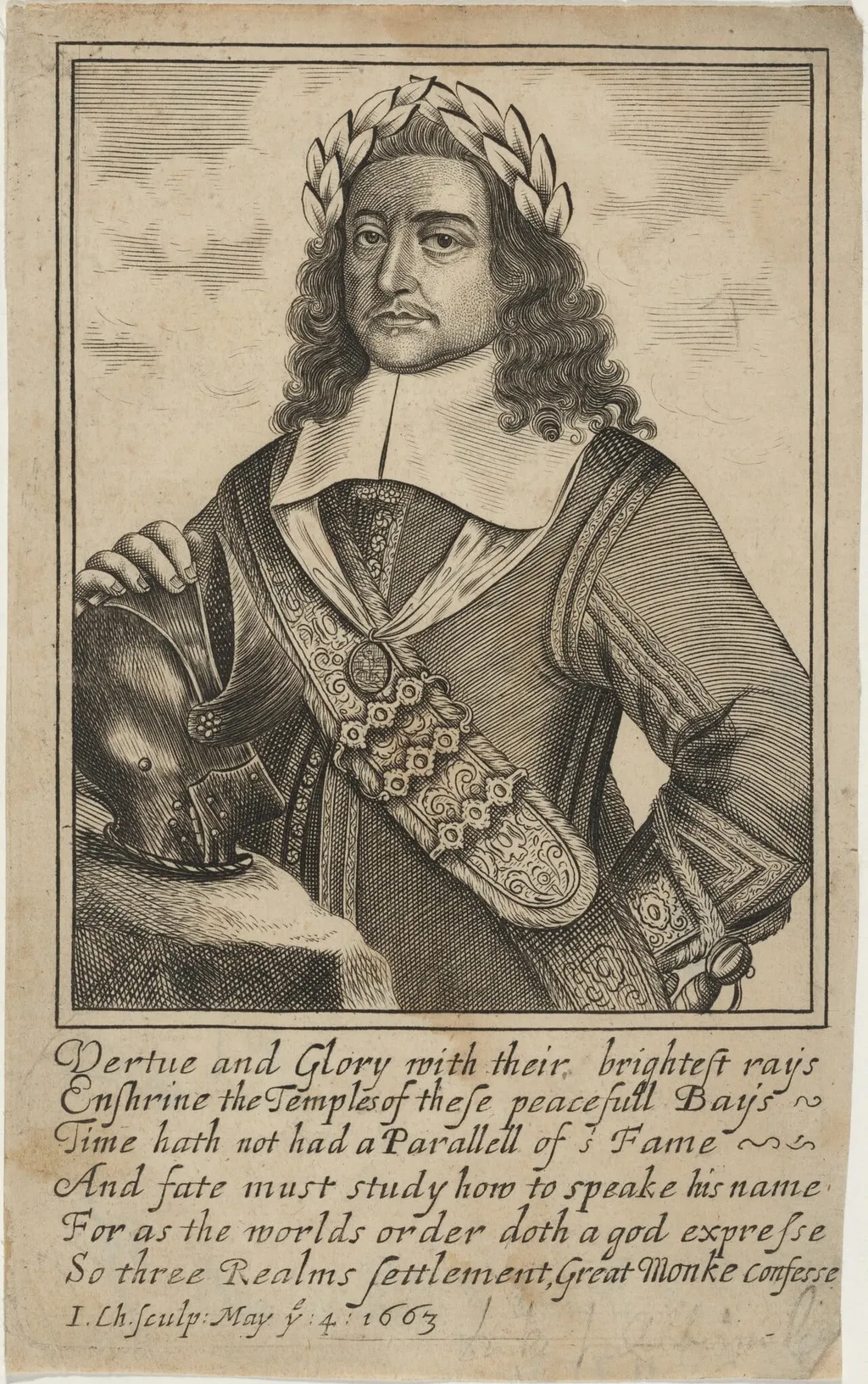
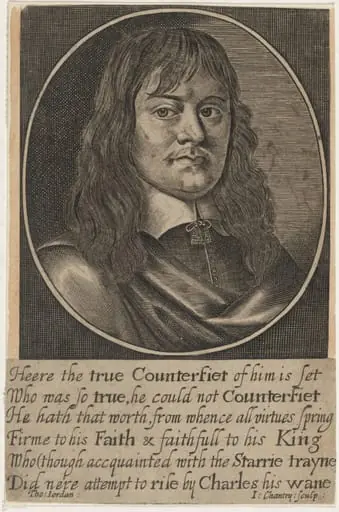
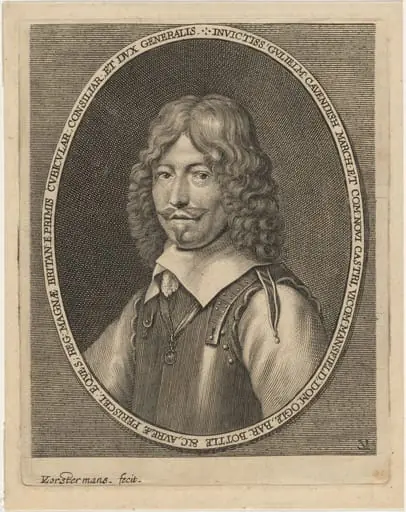
George Monk, First Duke of Albemarle is an ink print by the Baroque artist John Chantry. It dates from 1663 and is held in the collection of the Rosenwald Collection.
About this work
This is an example of engraving, a technique where artists etch lines into metal to make prints.
This is a black-and-white portrait of a man in fancy clothes. He’s wearing a wreath on his head and a decorated jacket with ruffled sleeves. His left hand rests on his chest, and he looks serious but calm. The background is plain, so the focus stays on his face and outfit.
The text below the picture is a poem praising the man’s fame. The artist signed it in 1663, and the style looks old-fashioned but precise.
This is an example of engraving, a technique where artists etch lines into metal to make prints.
Overview
John Chantry’s 1663 engraving presents George Monck, the first Duke of Albemarle, in a formal portrait. Rendered in black and white, the image isolates the subject against an unadorned background, emphasizing his attire and expression. The composition balances a dignified pose with restrained detail, inviting close observation of the duke’s clothing and bearing.
Subject & Meaning
The portrait depicts George Monck, a key figure in the Restoration of Charles II, shown wearing a laurel wreath and an elaborately decorated coat with ruffled sleeves. His left hand rests on his chest, conveying a sense of solemn authority. A poem inscribed beneath the image celebrates his reputation, underscoring the work’s commemorative intent.
Technique & Style
Executed as an engraving, Chantry incised fine lines into a metal plate, producing a precise, high‑contrast print. The rendering follows a somewhat antiquated manner for the mid‑seventeenth century, with meticulous hatching that defines fabric texture and facial features. The controlled line work reflects the disciplined approach typical of English portrait engravings of the period.
History & Provenance
Signed and dated 1663 by Chantry, the print likely originated shortly after Monck’s elevation to the dukedom. While specific ownership records are scarce, the work has survived in several institutional collections, indicating its circulation among patrons interested in documenting prominent political figures of the Restoration era.
Artist & collection
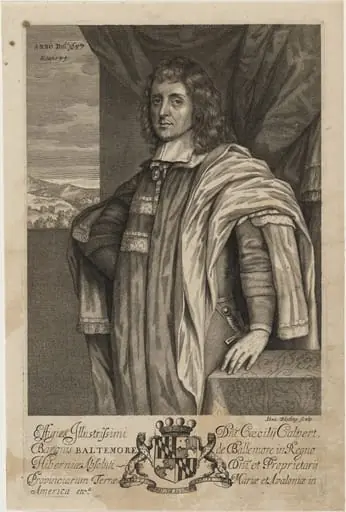 George Calvert, Lord Baltimore
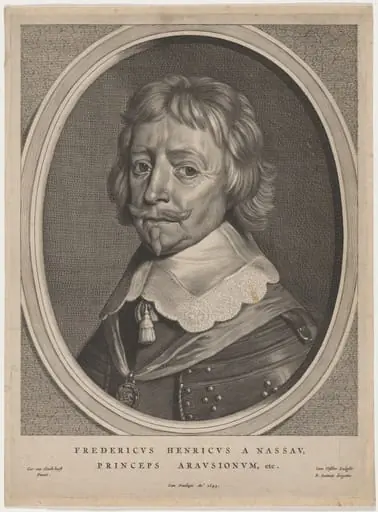 Frederick Henry of Orange
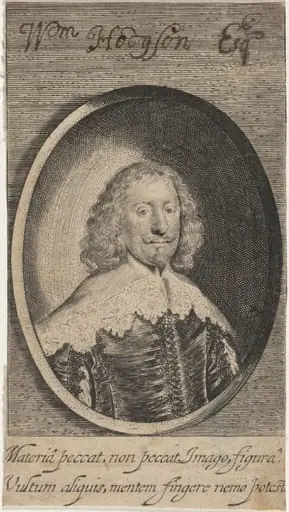 William Hodson
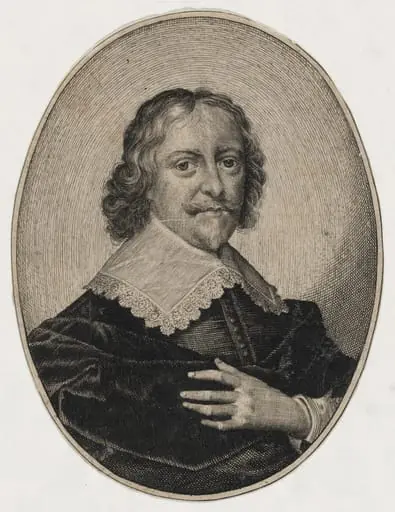 Portrait of a Man with a Broad Collar
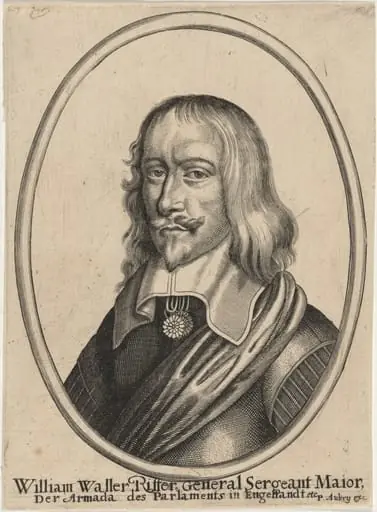 Sir William Waller, Parliamentary General
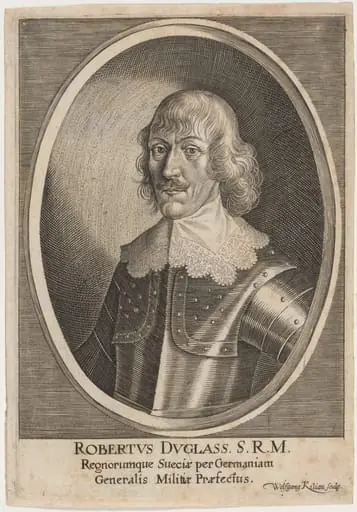 Robert Duglass, Swedish General
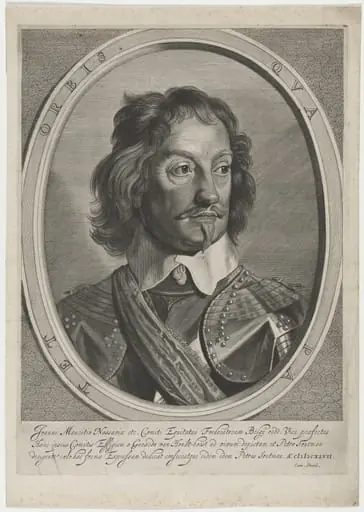 John Maurice, Count of Nassau
 Captain Samuel Sturmy, Navigator
 Sir Robert Stapylton, Dramatic Poet and Translator
 Jacob van Wassenaer van Obdam
 Henri de Beringhen
 William, First Duke of Newcastle