Artwork
John Selden
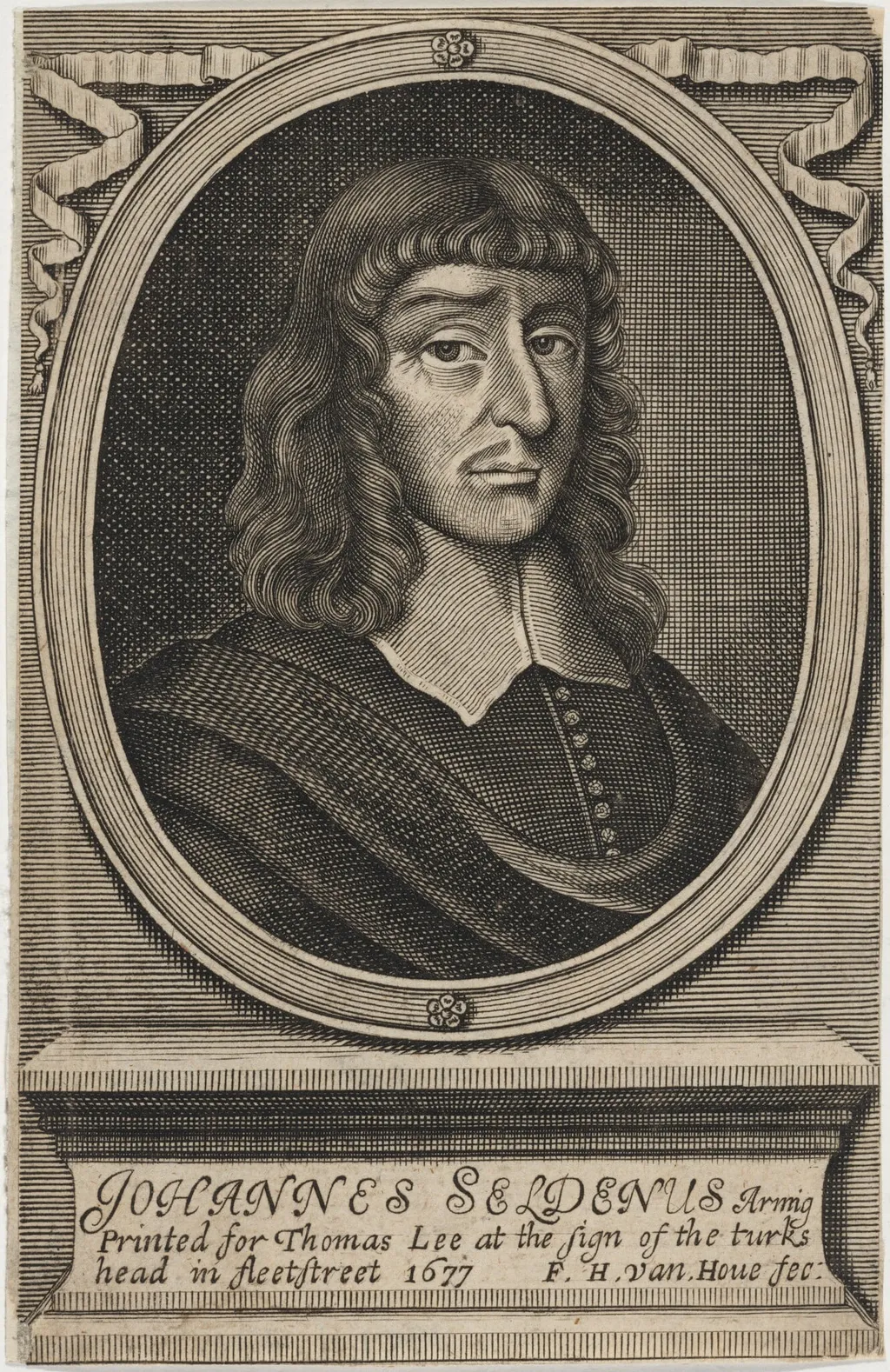
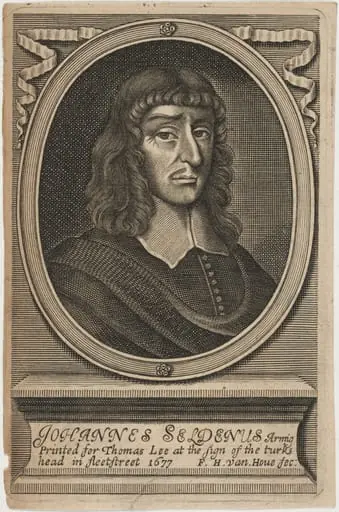
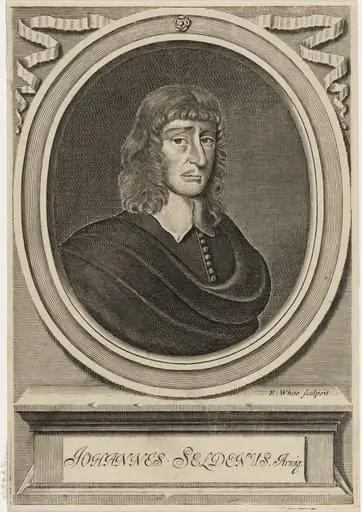
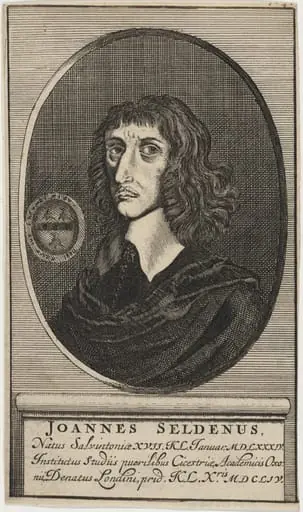
John Selden is an ink print by the Baroque artist Frederik Hendrik van den Hove. It dates from 1677 and is held in the collection of the National Gallery of Art.
About this work
The artist’s initials are also there, but the face looks a little worn, like the lines are pressed into the paper.
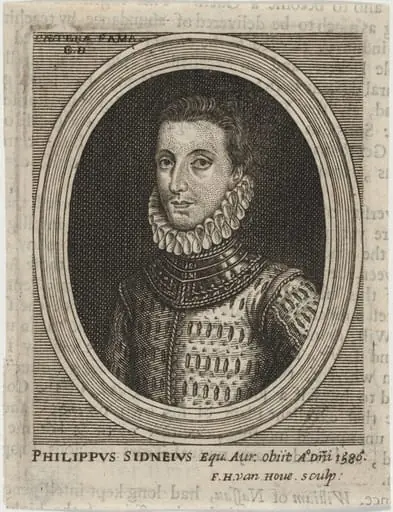
This is a black-and-white portrait of a man with curly hair and a serious face. He’s wearing a dark collar with a chain, maybe a necklace, and his hair is long and wavy. The background is a dark oval shape with a patterned border around it, like a frame within a frame.
The print was made in 1677, and the name at the bottom reads *Johannes Seldenus*. The artist’s initials are also there, but the face looks a little worn, like the lines are pressed into the paper.
If you like this style, look up *engraving*.
Overview
Frederik Hendrik van den Hove’s 1677 engraving presents a portrait of the English jurist John Selden. Rendered in monochrome, the image shows Selden with wavy, curly hair, a solemn expression, and a dark collar accented by a chain. The figure is set against a dark oval backdrop framed by a decorative border, giving the composition a contained, almost medallion-like appearance.
Subject & Meaning
The sitter, identified by the Latinized inscription Johannes Seldenus, was a noted 17th‑century scholar of law and history. The serious demeanor and formal attire reflect his status as an intellectual authority, while the restrained composition emphasizes his scholarly gravitas rather than personal attributes.
Technique & Style
Executed as an engraving, the work relies on incised lines that vary in depth, creating a slightly worn texture where the lines press into the paper. The contrast between the dark oval background and the finely rendered facial features demonstrates the artist’s skill in manipulating line weight to achieve tonal variation without the use of color.
History & Provenance
Signed with van den Hove’s initials and dated 1677, the print belongs to the late Baroque period of Dutch printmaking. While specific ownership records are scarce, the engraving circulated among collectors of scholarly portraiture, serving both as a visual record of Selden’s likeness and as an example of Dutch engraving practices of the era.
Artist & collection