Artwork
John Selden
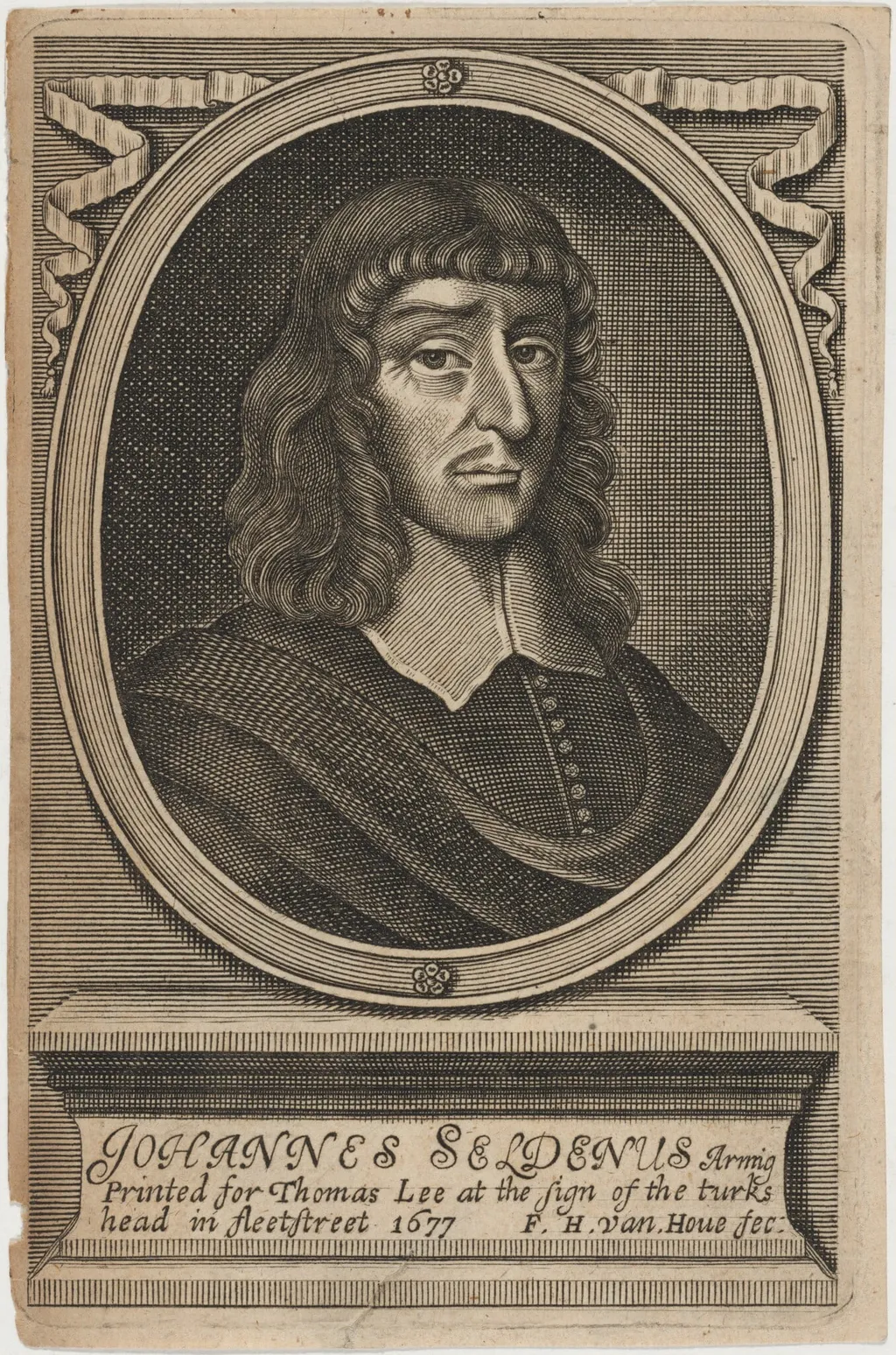
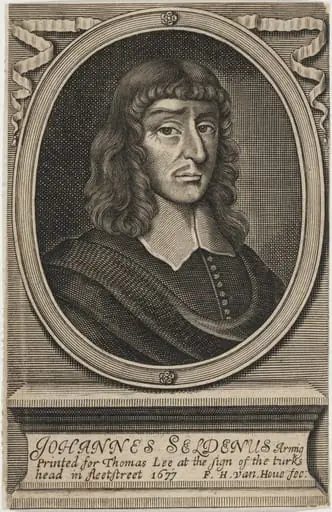
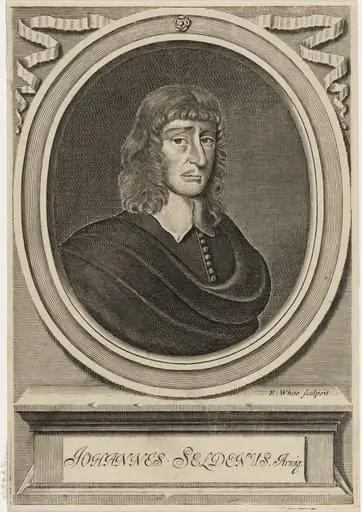
John Selden is an ink print by the Baroque artist Frederik Hendrik van den Hove. It dates from 1677 and is held in the collection of the National Gallery of Art.
About this work
Below this, a smaller text reads "Printed for Thomas Lee at the sign of the turks head in fleetstreet 1677 F.
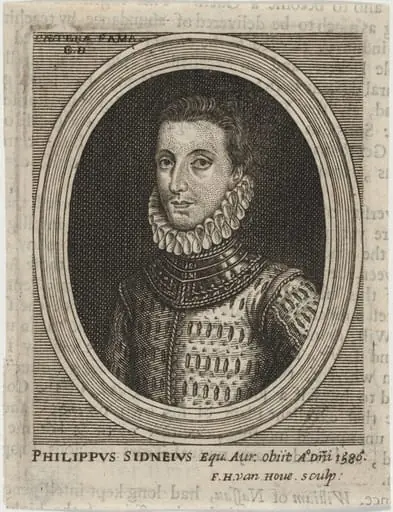
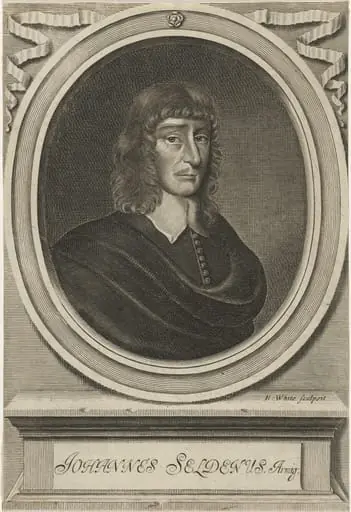
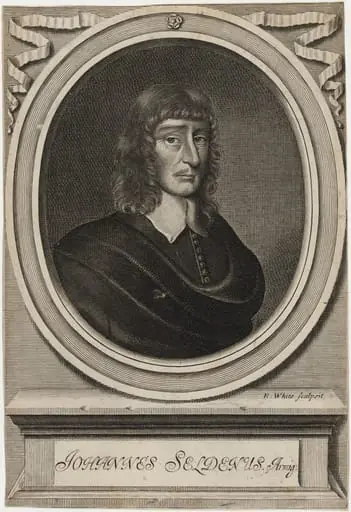
The image is an engraving of a man's portrait, set within an oval frame. The man has long, wavy hair and is dressed in dark attire with a high collar and buttons down the front. The background of the engraving is a solid color, with no additional details or scenery visible.
At the bottom of the engraving, a banner bears the inscription "JOHANNES SELDENUS Armig" in elegant script. Below this, a smaller text reads "Printed for Thomas Lee at the sign of the turks head in fleetstreet 1677 F.H.van.Houe fec." The overall effect is one of simplicity and elegance, with the focus squarely on the subject's portrait.
To learn more about the artistic techniques used in this engraving, explore the technique of cross-hatching.
Overview
This 1677 engraving by Frederik Hendrik van den Hove depicts John Selden, a prominent English jurist and scholar. Rendered in a restrained oval composition, the portrait emphasizes clarity and dignity. The background is uniform and unadorned, directing attention entirely to the sitter’s face and attire. A printed banner at the base identifies the subject in Latin, while the lower margin credits the publisher and engraver, anchoring the work in its historical print culture.
Subject & Meaning
John Selden was a leading legal thinker and antiquarian whose writings influenced English constitutional law. The portrait presents him with solemnity, his long, wavy hair and high-collared garment reflecting scholarly formality rather than aristocratic display. The Latin inscription 'Armig'—short for armiger, meaning 'armigerous' or entitled to bear arms—signals his status as a gentleman, reinforcing his social and intellectual authority without overt symbolism.
Technique & Style
Van den Hove employed fine, controlled lines typical of mid-17th-century engraving to model the face and fabric textures. The absence of background detail and the use of a solid tone enhance the portrait’s intimacy and focus. Hair and lace are rendered with delicate hatching, while the high collar and buttons suggest texture through subtle tonal shifts. The elegant script of the inscription complements the refined line work, aligning the visual and typographic elements in a unified aesthetic.
History & Provenance
The print was issued by Thomas Lee, a London bookseller operating near Fleet Street, a hub for scholarly and legal publications. The inclusion of his shop sign—the Turk’s Head—indicates the commercial context of print distribution. Van den Hove, a Dutch engraver active in England, was known for his portraits of intellectuals. This impression likely served as a frontispiece for Selden’s collected works or as a standalone portrait for academic circles.
Context
In the decades after the English Civil War, printed portraits of legal and political figures became tools for shaping public memory. Selden, though politically cautious, was revered for his scholarship. His image, circulated in print, helped solidify his legacy among jurists and antiquarians. The engraving reflects a broader trend of using portraiture to honor learned men, distinct from royal or military iconography of the period.
Legacy
This engraving remains one of the most recognizable images of John Selden, frequently reproduced in later biographies and legal histories. Its restrained style and clear inscription made it a reliable visual reference for scholars. Though not widely known outside academic circles, it endures as a quiet testament to the role of print in preserving the likenesses of early modern intellectuals.
Artist & collection