Artwork
Lady Ferrers
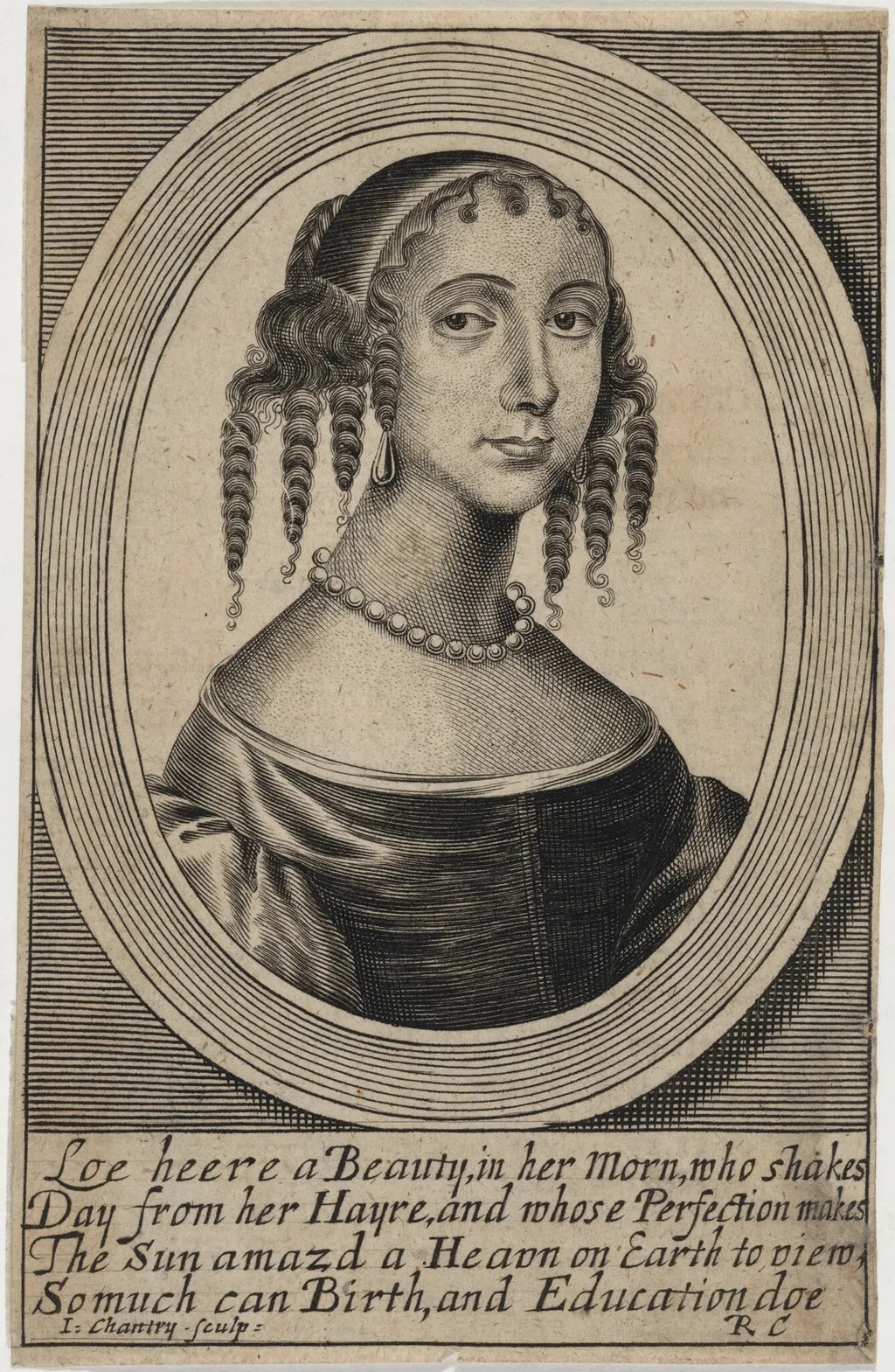
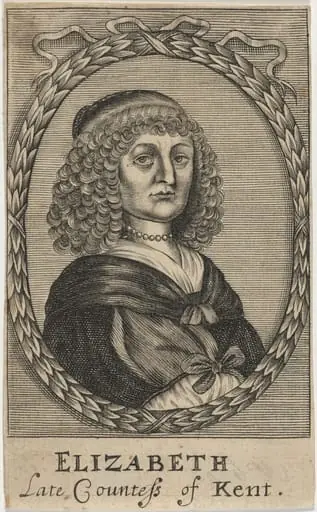
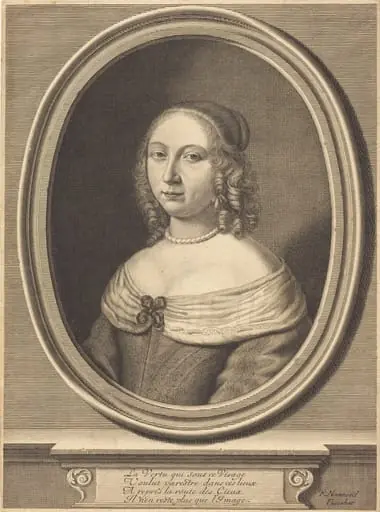
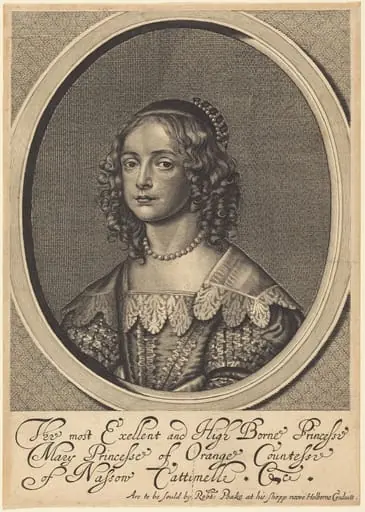
Lady Ferrers is an ink print by the Renaissance artist John Chantry. It dates from 1640 and is held in the collection of the Rosenwald Collection.
About this work
Overview
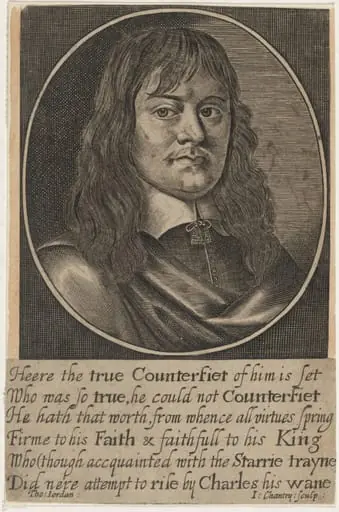
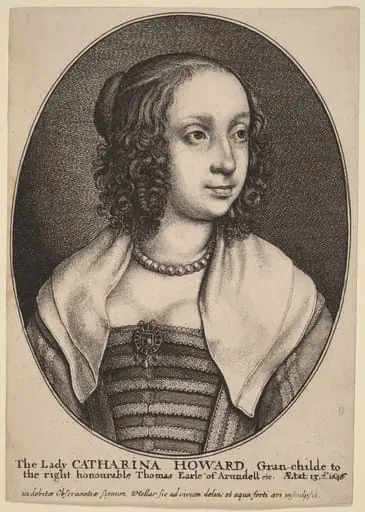
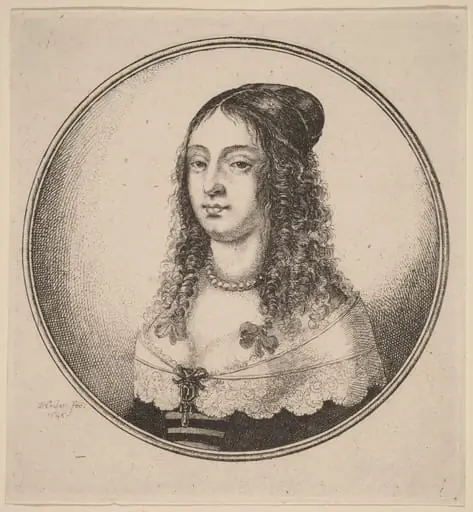
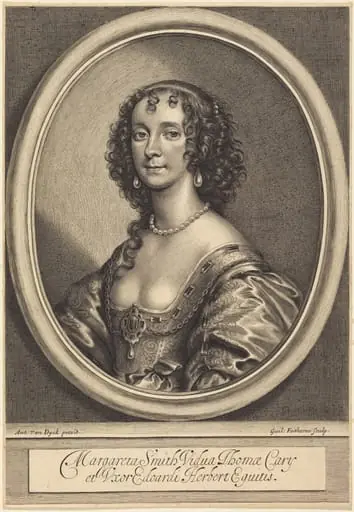
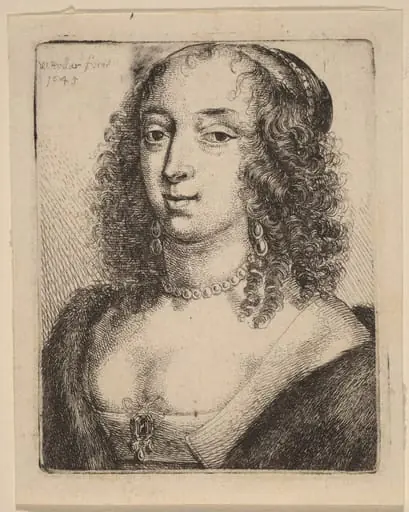
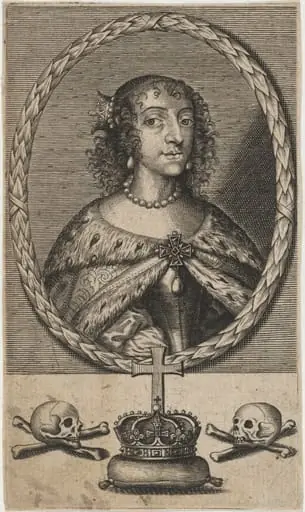
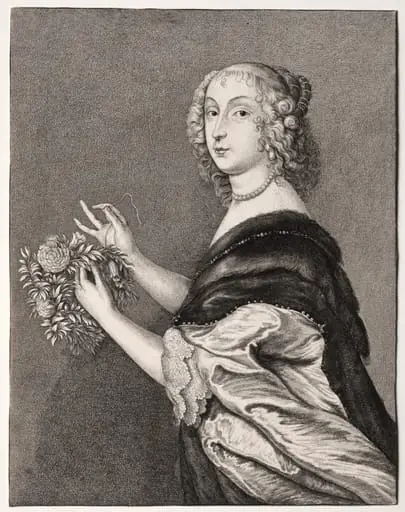
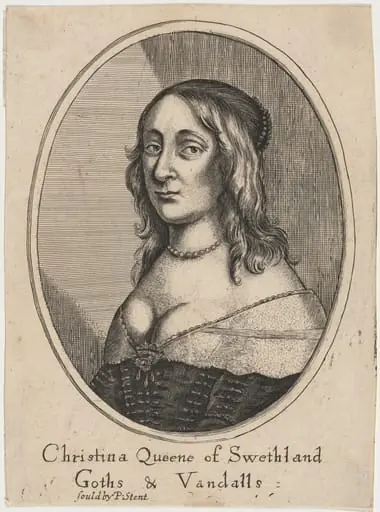
An engraving from 1640 by John Chantry, this portrait captures Lady Ferrers in a formal, intimate setting. Rendered in fine linear detail on paper, the image is contained within an oval frame, a common compositional choice for portraiture of the period. The work combines visual precision with poetic text, reflecting the era’s fusion of visual art and literary expression.
Subject & Meaning
The sitter, identified as Lady Ferrers, is portrayed with poised elegance, her appearance suggesting noble status. The accompanying verse elevates her beauty as a natural and cultivated wonder, attributing her grace to birth and upbringing. The imagery of dawn in her hair and the sun’s astonishment frames her not merely as a person but as an embodiment of idealized virtue and refinement.
Technique & Style
The light background enhances contrast, drawing focus to the figure.
Chantry employed fine-line engraving to render textures with subtlety: the curls of her hair, the gleam of pearls, and the folds of her dark gown are delicately etched. The light background enhances contrast, drawing focus to the figure. The cursive inscription below, carefully integrated into the composition, reflects the period’s emphasis on harmony between image and text, typical of early modern print culture.
History & Provenance
Created in 1640, the engraving likely served as a private commemorative piece, possibly commissioned by family or associates. While its early ownership is undocumented, such portraits were commonly circulated among aristocratic circles as tokens of status and memory. Its survival suggests continued appreciation, though no major public collection records its early provenance.
Context
In mid-seventeenth-century England, engraved portraits were popular among the gentry as affordable alternatives to painted likenesses. The blending of verse with image aligns with broader literary and artistic trends that valued moral and aesthetic ideals. Though not part of a grand Renaissance movement, the work echoes its humanist values through its focus on individual dignity and cultivated beauty.
Legacy
This engraving remains a modest but telling example of domestic portraiture from the Caroline era. It illustrates how print technology enabled the dissemination of personal and social ideals beyond elite painting commissions. While not widely known today, it contributes to understanding how identity, status, and artistry intersected in private, pre-industrial English society.