Artwork
Hillside
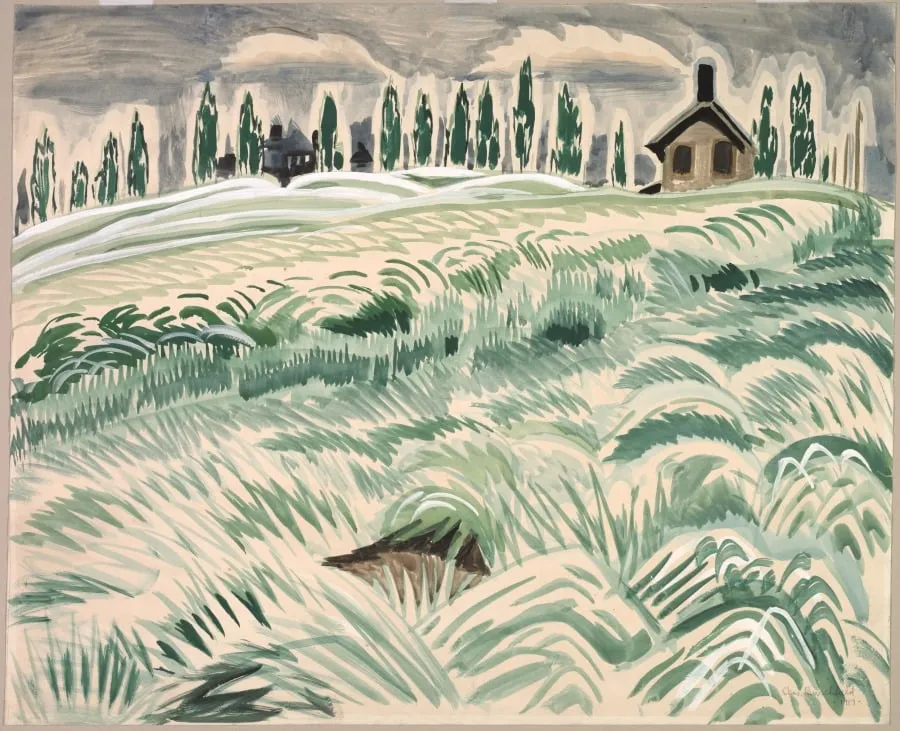
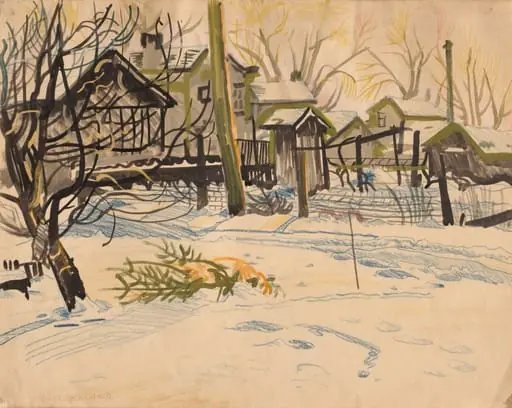
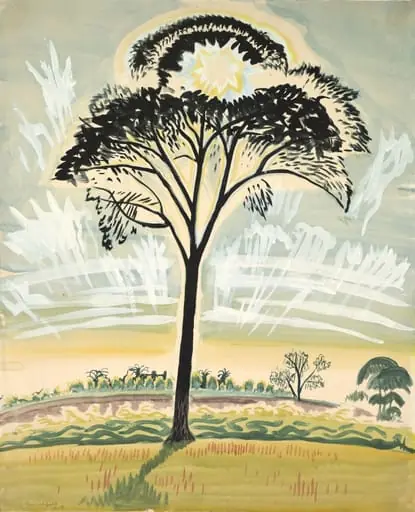
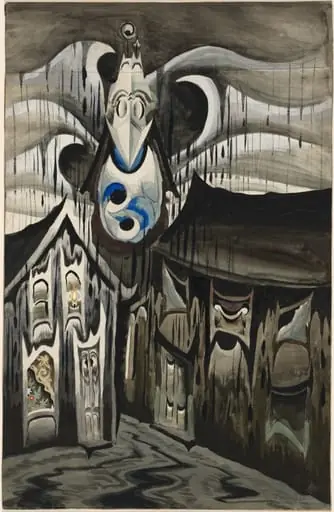
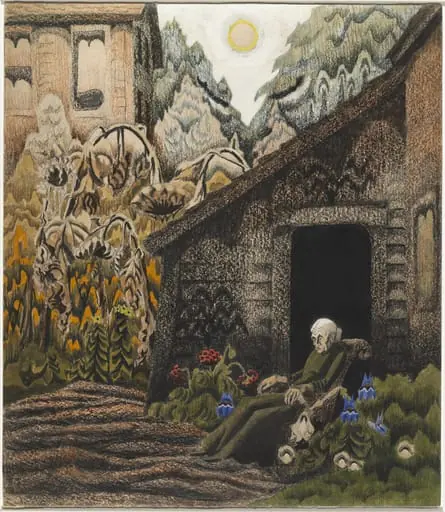
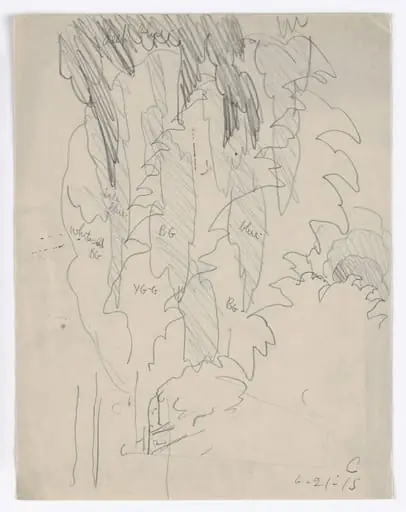
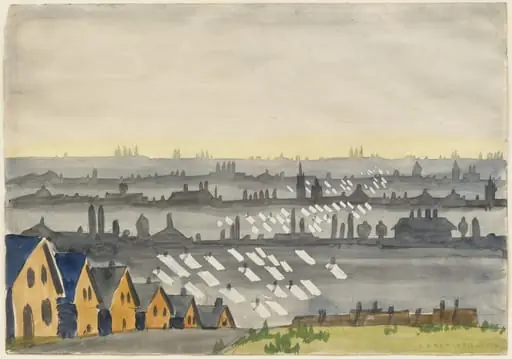
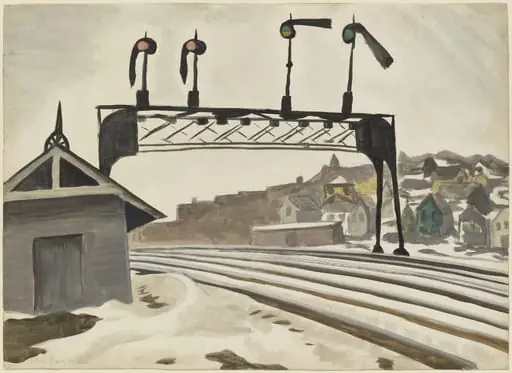
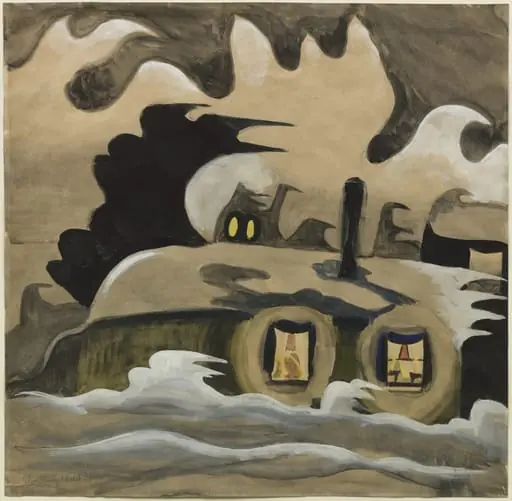
Hillside is a drawing by Charles Burchfield. It dates from 24 and is held in the collection of the Cleveland Museum of Art.
About this work
He loved watercolor because it let him work fast and change things on the spot—you can almost see the quick, loose brushstrokes.
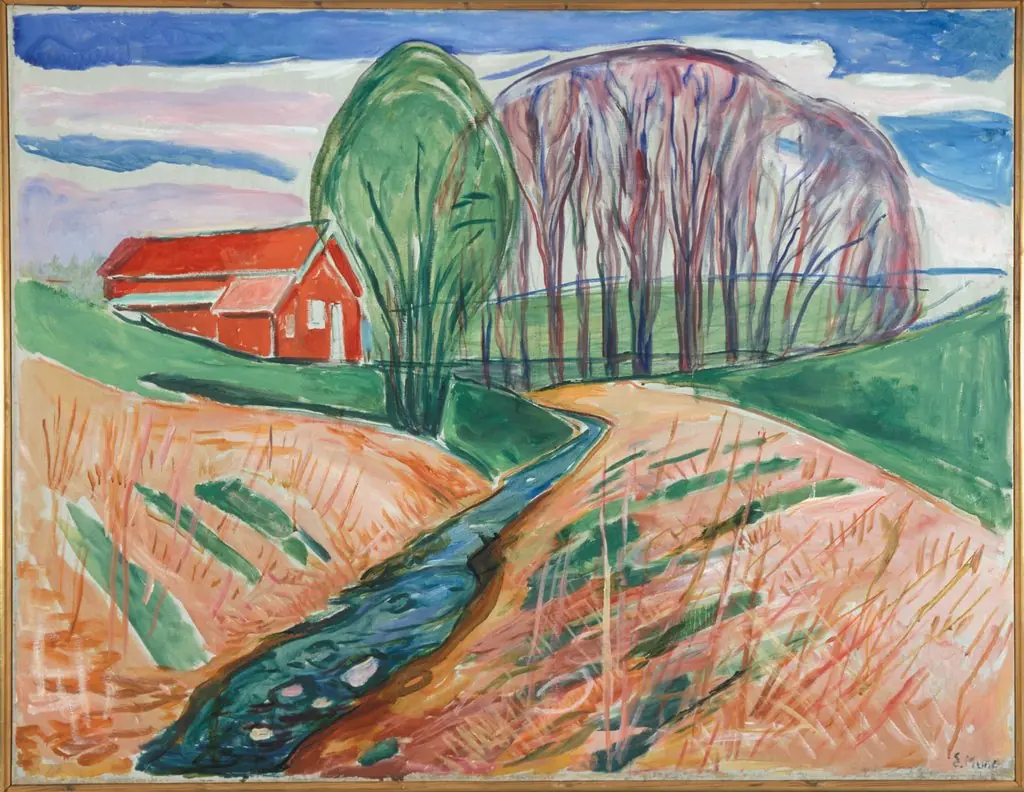
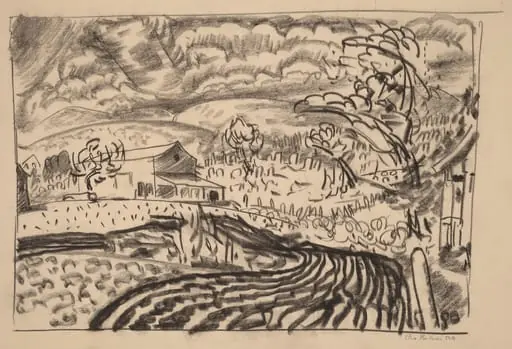
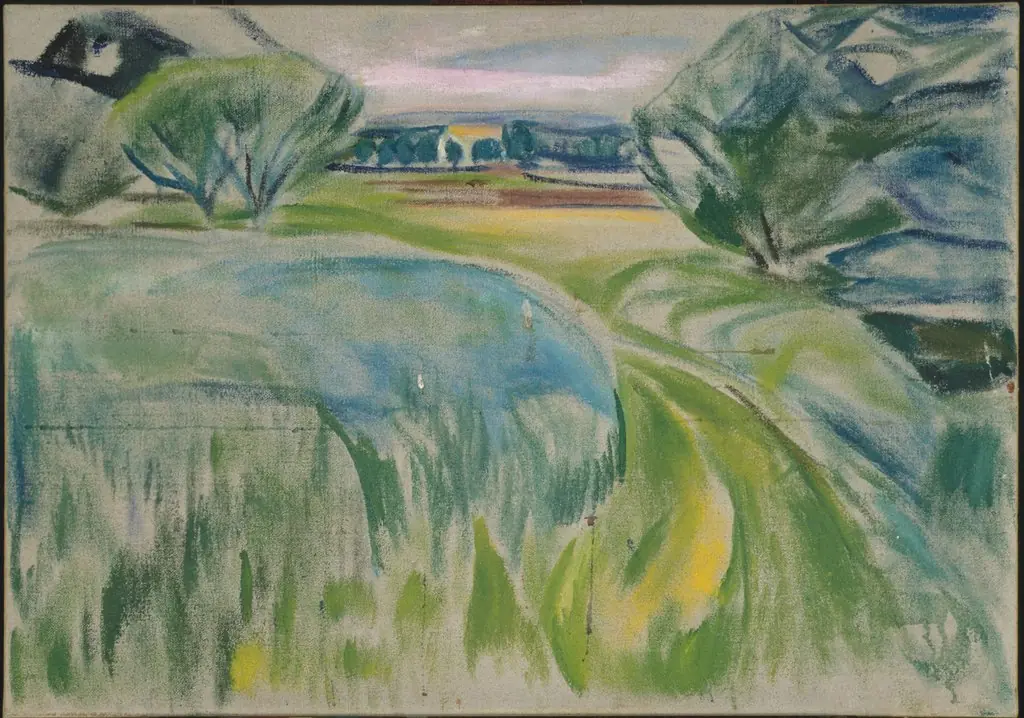
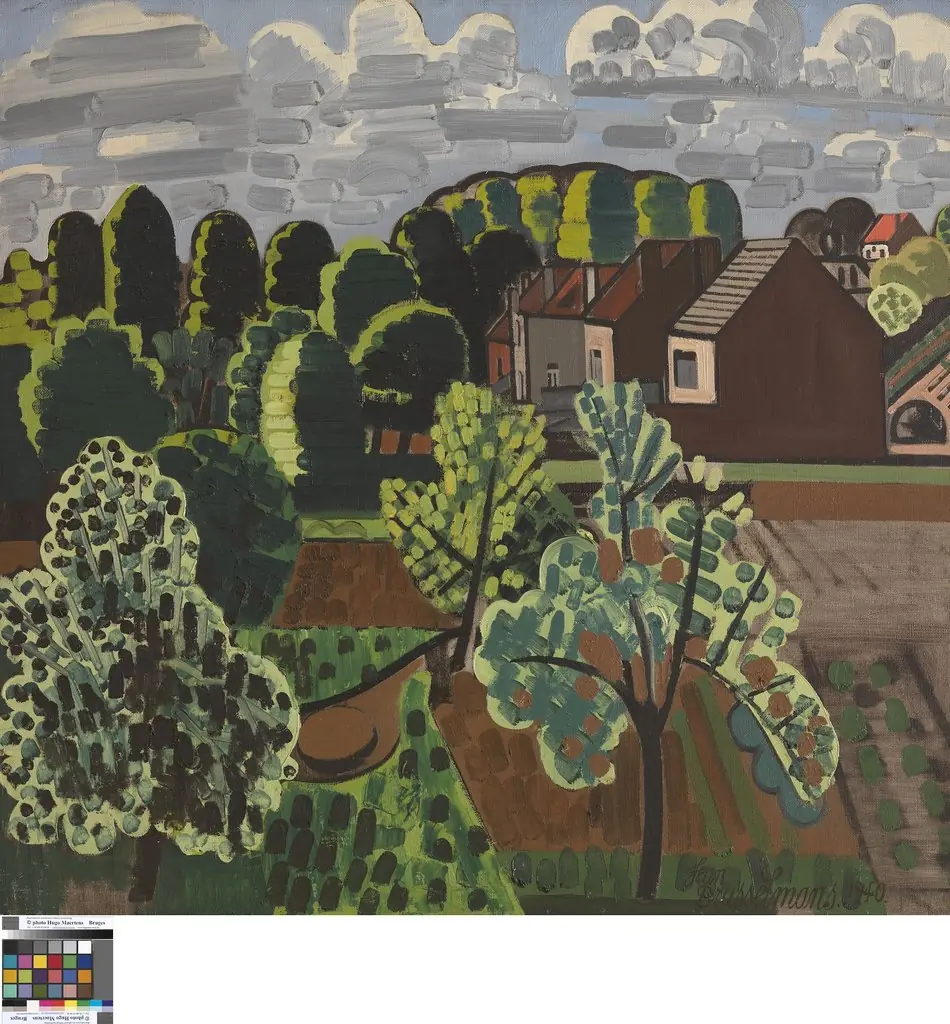
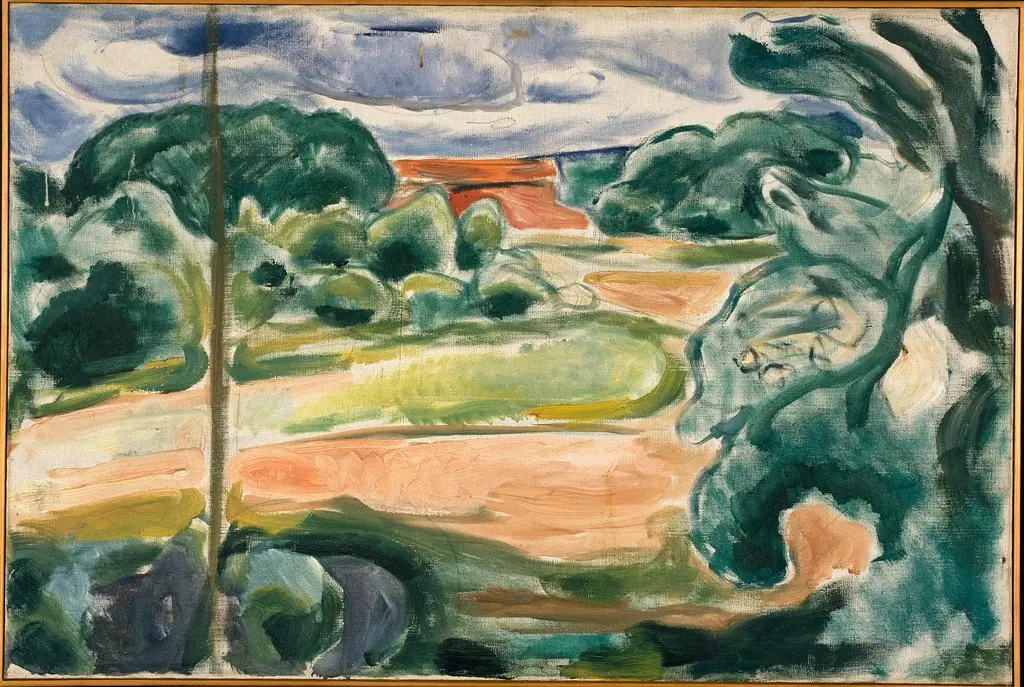
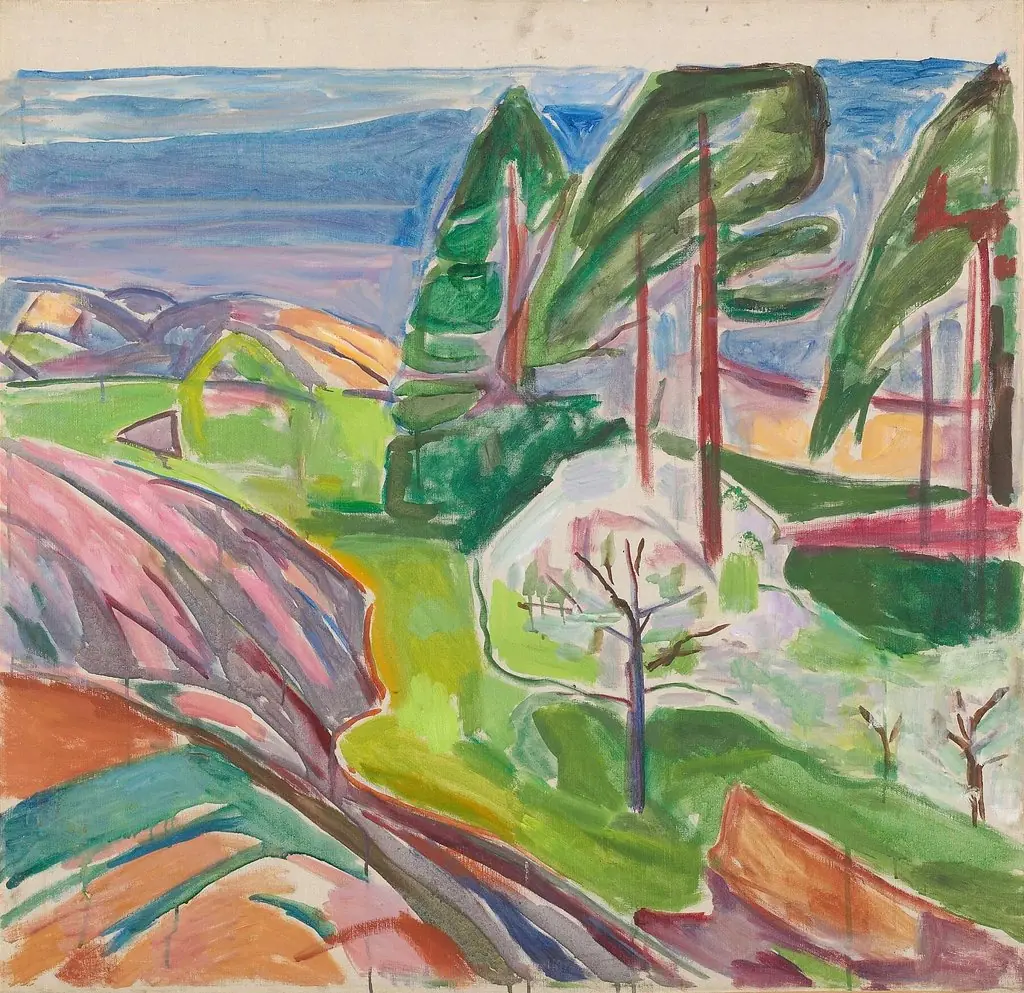
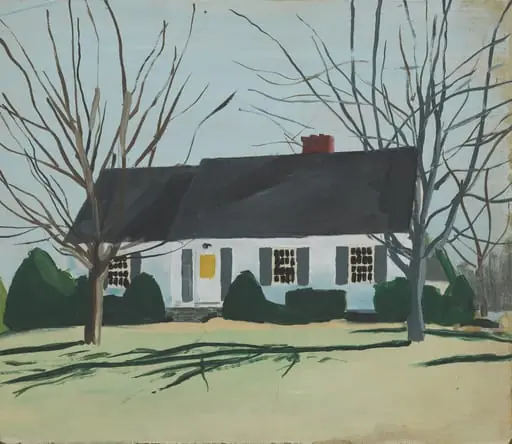
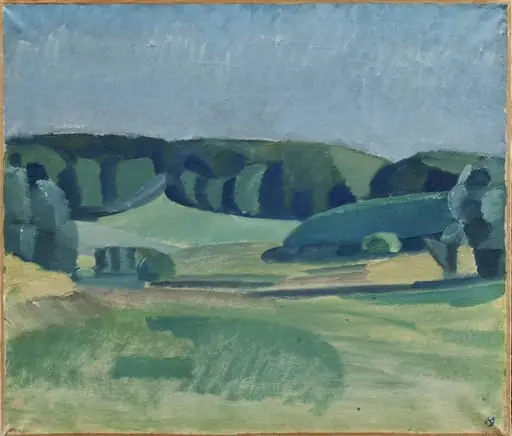
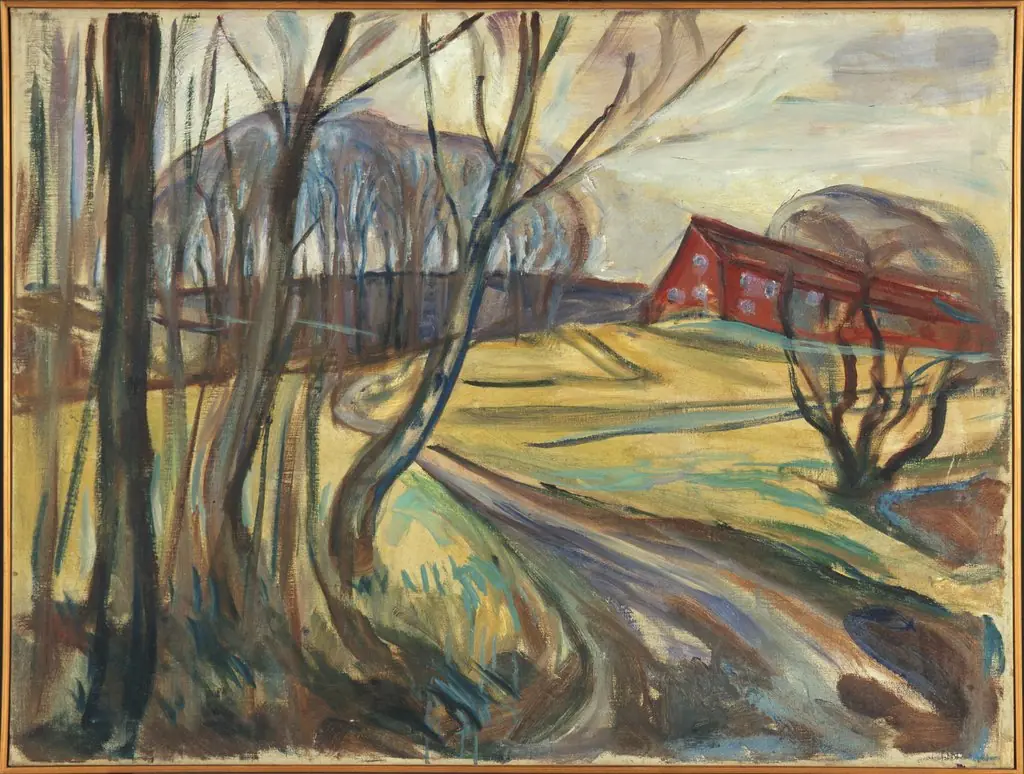
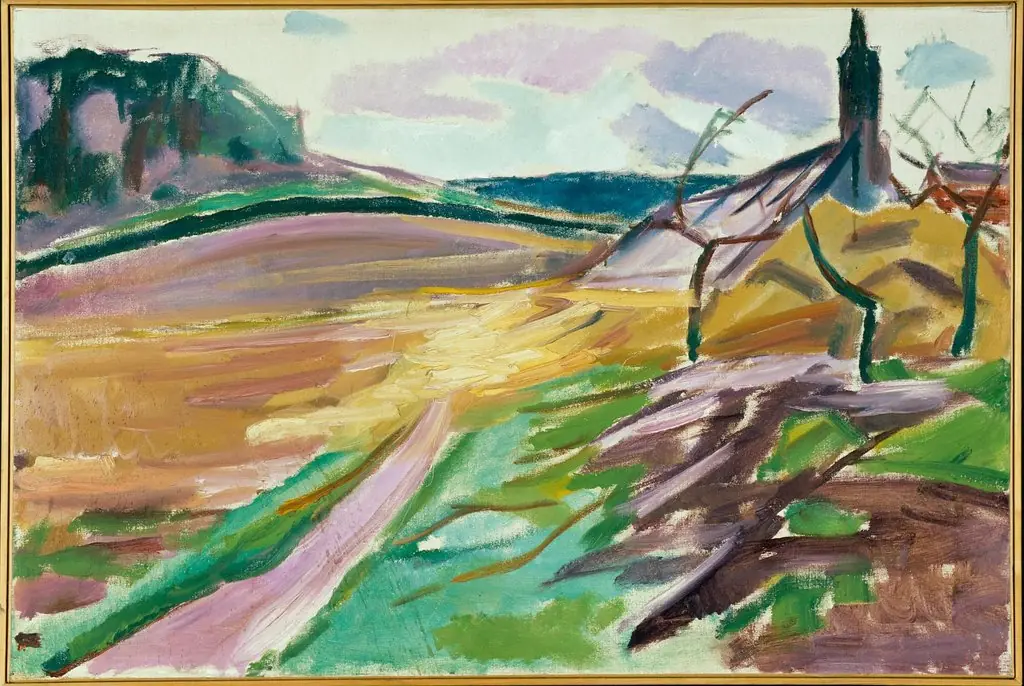
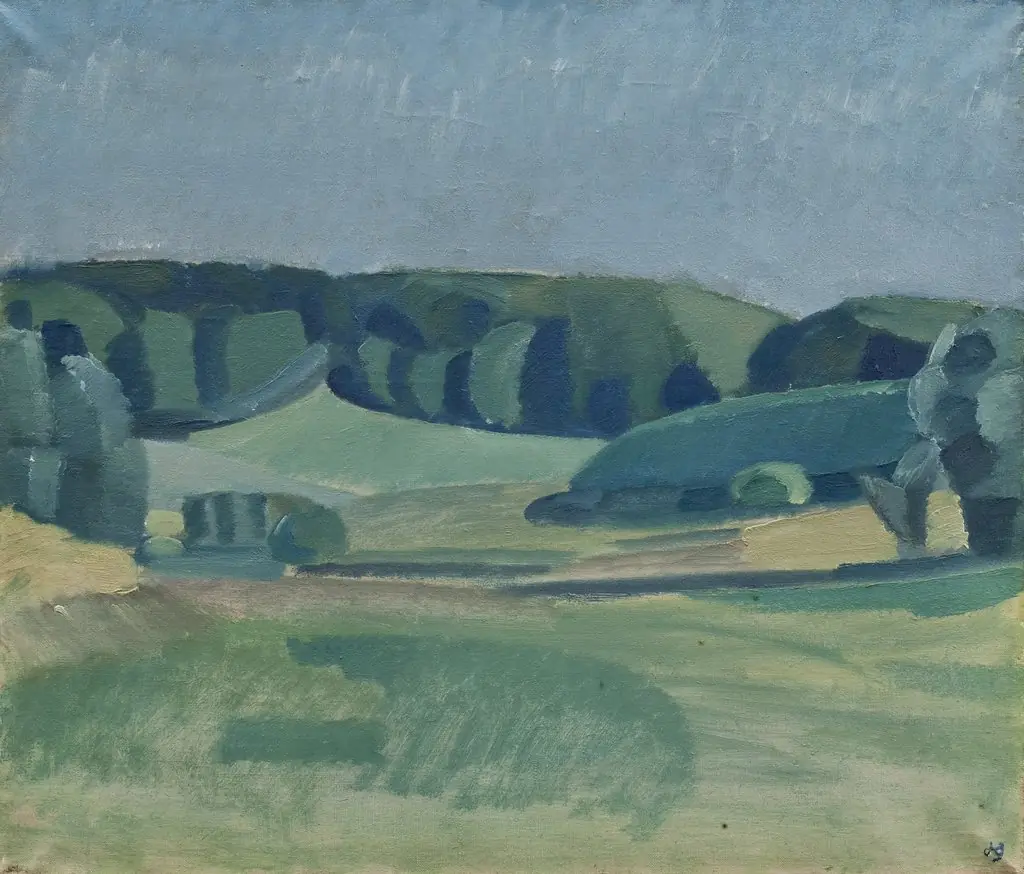
You’re looking at a sloping hill covered in thick, bright green trees and grass. The sky is a soft, pale blue with a few wispy clouds.
Burchfield painted this in 1917, right outside his Ohio hometown. He loved watercolor because it let him work fast and change things on the spot—you can almost see the quick, loose brushstrokes. The colors feel alive, like the hill is breathing.
If you like this, check out more subject: america landscapes from the same era.
Overview
Created in 1917, this watercolor drawing captures a sloping hillside near Salem, Ohio, where Charles Burchfield lived. The work reflects his deep engagement with watercolor as a flexible, portable medium, allowing him to respond directly to the natural world. Its spontaneous quality suggests an artist working quickly outdoors, adapting his vision as light and mood shifted.
Subject & Meaning
The scene depicts a quiet, undulating landscape dominated by dense vegetation in varying shades of green. There is no human presence, only the quiet rhythm of earth and sky. The soft pale blue sky with faint clouds frames the hill, suggesting a calm, ordinary moment—yet the vitality of the brushwork imbues the scene with an almost animate energy, as if nature itself pulses beneath the surface.
Technique & Style
Burchfield employed loose, fluid brushstrokes and layered washes to build texture and depth. The greens range from pale lime to deep forest, applied with immediacy rather than precision. Watercolor’s transparency allowed him to revise forms subtly, leaving visible underlayers that suggest movement and change. The technique mirrors his intuitive response to the landscape, prioritizing emotional resonance over topographical accuracy.
History & Provenance
Painted during Burchfield’s early years in Salem, this work belongs to a series of outdoor studies he produced between 1916 and 1918. These pieces were not intended for public display but served as personal investigations into light, season, and place. The drawing remained in his possession for decades before entering institutional collections, where it now stands as evidence of his formative artistic development.
Context
In 1917, American art was shifting toward modernism, yet Burchfield remained rooted in direct observation of rural Ohio. While contemporaries pursued abstraction or urban themes, he turned inward, finding complexity in familiar terrain. His watercolors from this period reflect a quiet rebellion against academic conventions, favoring personal expression over idealized representation.
Legacy
This drawing exemplifies Burchfield’s lifelong commitment to watercolor as a vehicle for emotional landscape. His approach influenced later American regionalists and nature-focused artists who valued immediacy and psychological depth over polished finish. The work remains a quiet testament to the power of ordinary places seen with sustained attention.
Artist & collection
Artist
Charles Ephraim Burchfield (April 9, 1893 – January 10, 1967) was an American painter and visionary artist, known for his passionate watercolors of nature scenes and townscapes.