Artwork
Study for 'The Cottar's Saturday Night'
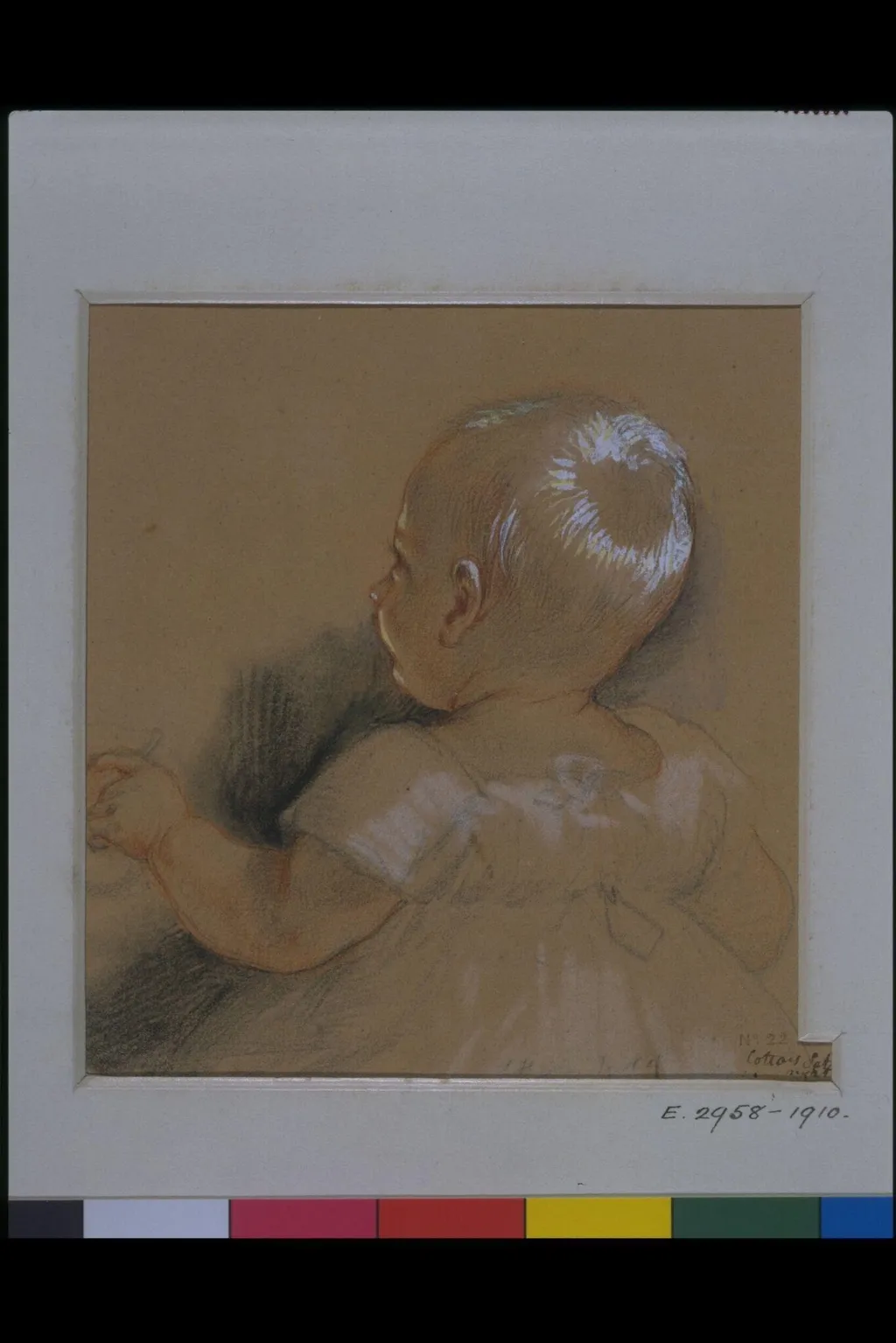
Study for 'The Cottar's Saturday Night' is a drawing by Charles West Cope. It dates from 1850 and is held in the collection of the Victoria and Albert Museum. Charles Cope’s 1850 drawing functions as a preparatory study for his later oil composition, *The Cottar’s Saturday Night*.
About this work
If you're interested in learning more about the artist's technique, you might want to explore the world of cross-hatching and stippling.
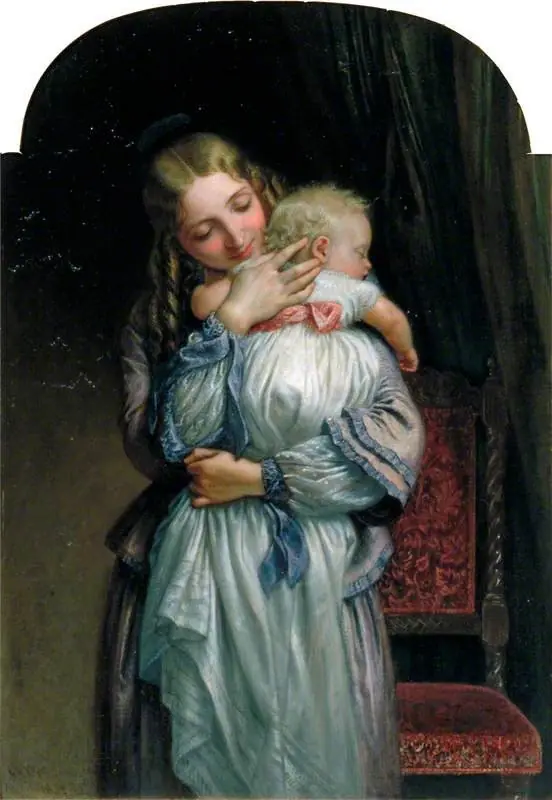
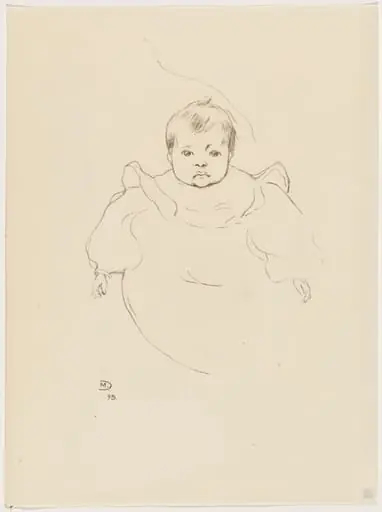
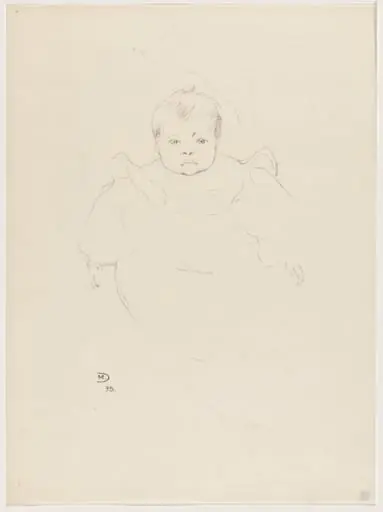
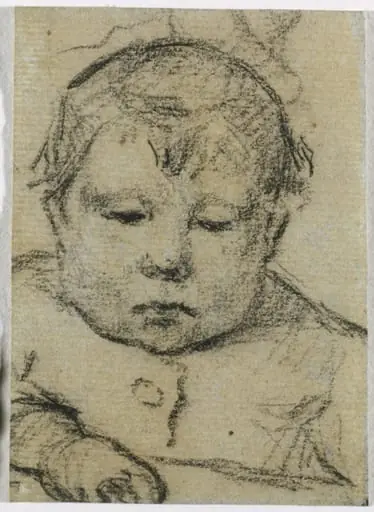
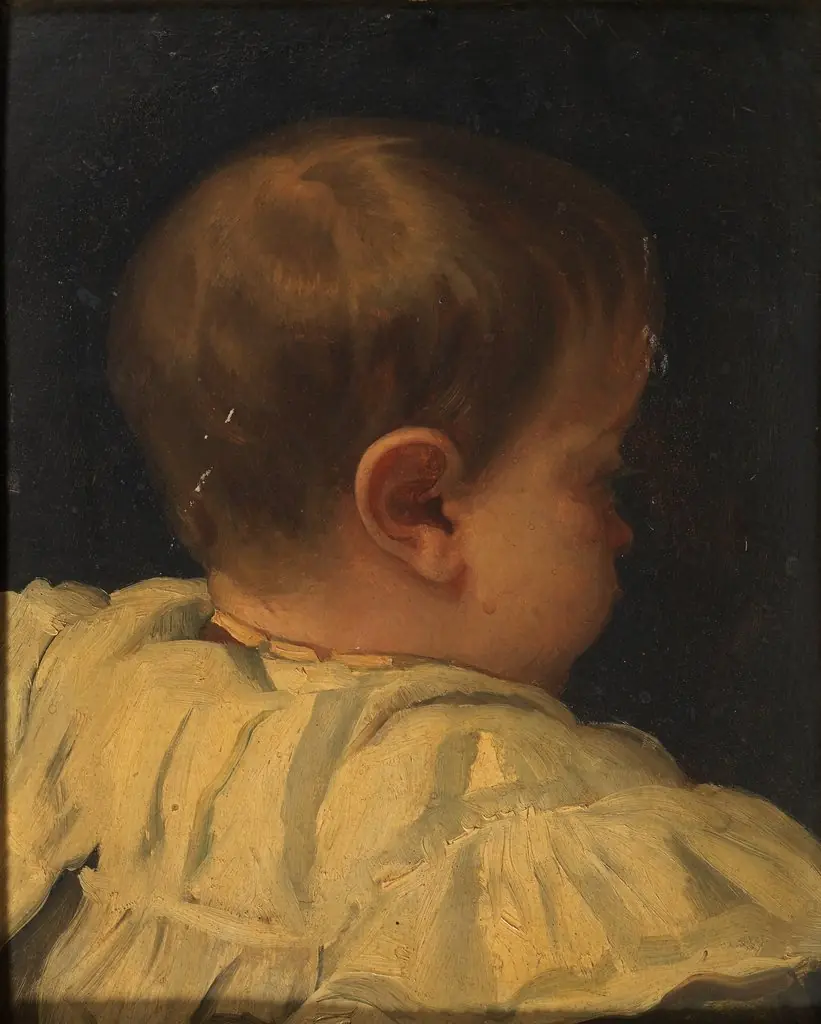
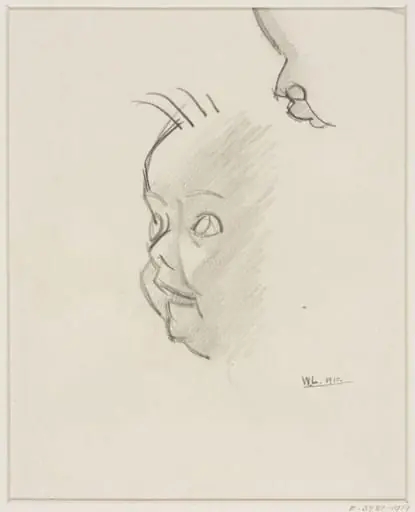
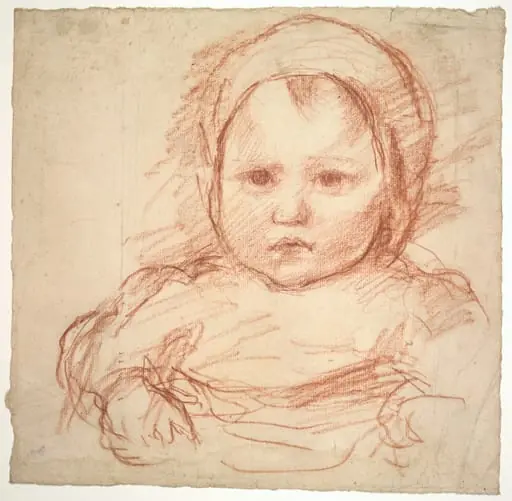
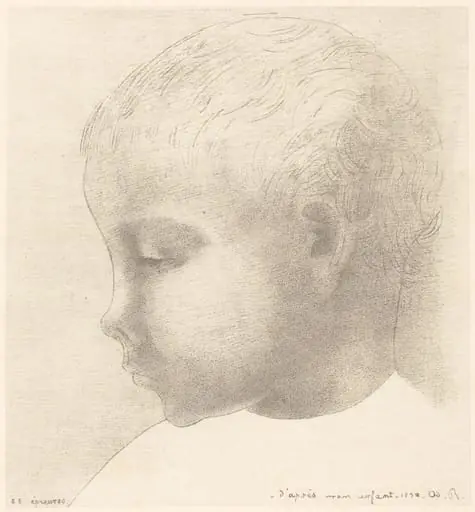
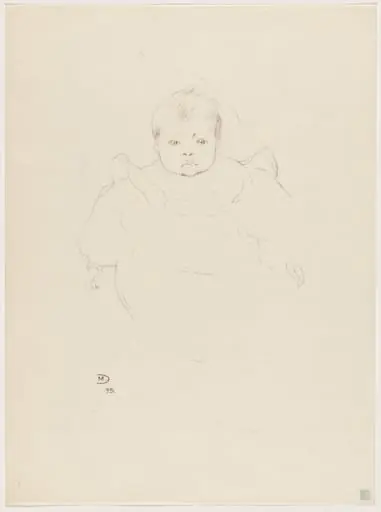
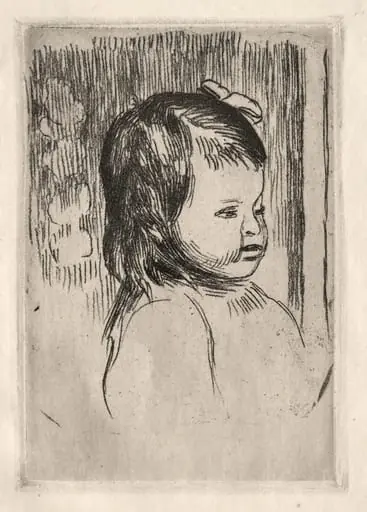
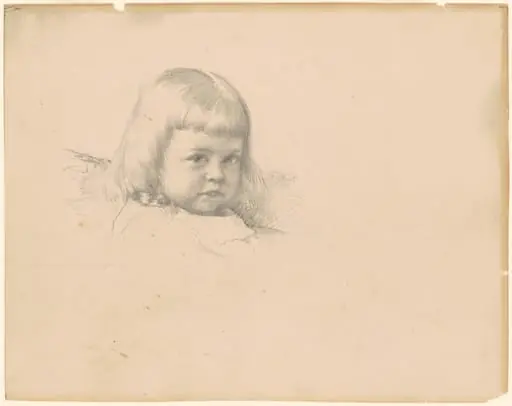
This painting is a study for 'The Cottar's Saturday Night' by Charles Cope, created around the mid-19th century. It's a drawing that showcases the artist's skill in capturing the essence of a scene. The image depicts an infant, which is the main subject of the painting.
The drawing is done in a style that suggests attention to detail and a focus on realism. The use of lines and shading creates a sense of depth and texture, drawing the viewer's eye to the infant's face and body. The overall effect is one of quiet contemplation, inviting the viewer to reflect on the beauty of the subject.
If you're interested in learning more about the artist's technique, you might want to explore the world of cross-hatching and stippling.
Overview
Charles Cope’s 1850 drawing functions as a preparatory study for his later oil composition, *The Cottar’s Saturday Night*. Executed in graphite or charcoal, the work isolates a single figure—a young infant—allowing Cope to resolve compositional and anatomical details before committing them to the larger narrative canvas.
Subject & Meaning
The infant, rendered with a gentle, introspective expression, serves as a focal point for themes of domestic modesty and familial devotion common in mid‑Victorian genre scenes. By concentrating on the child’s visage, Cope underscores the tender, everyday moments that underpin the broader social tableau of rural life.
Technique & Style
Cope employs precise line work combined with subtle hatching to model form and suggest volume. The careful gradation of tones creates a modest sense of depth, while the restrained palette emphasizes realism over dramatization. Such meticulous draftsmanship reflects the academic training prevalent among British artists of the period.
History & Provenance
Created in 1850, the study remained in the artist’s studio as a reference for the subsequent painting, which was exhibited later in the decade. The drawing entered a private collection in the early 20th century before being acquired by a regional museum, where it now serves as an illustrative example of preparatory practice in Victorian art.
Artist & collection
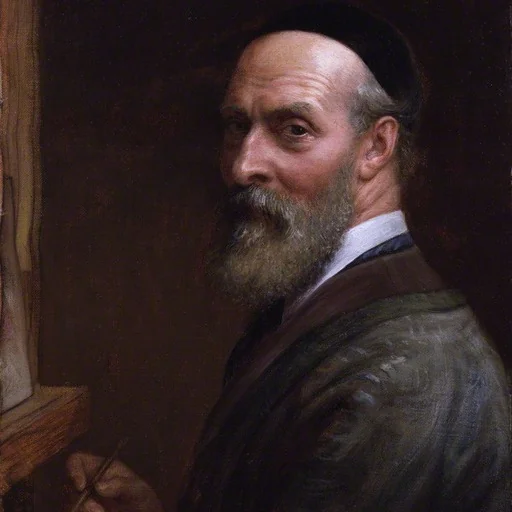
Artist
Charles West Cope (28 July 1811– 21 August 1890) was an English, Victorian era painter of genre and history scenes, and an etcher. He was responsible for painting several frescos in the House of Lords in London.