Artwork
Petit portrait
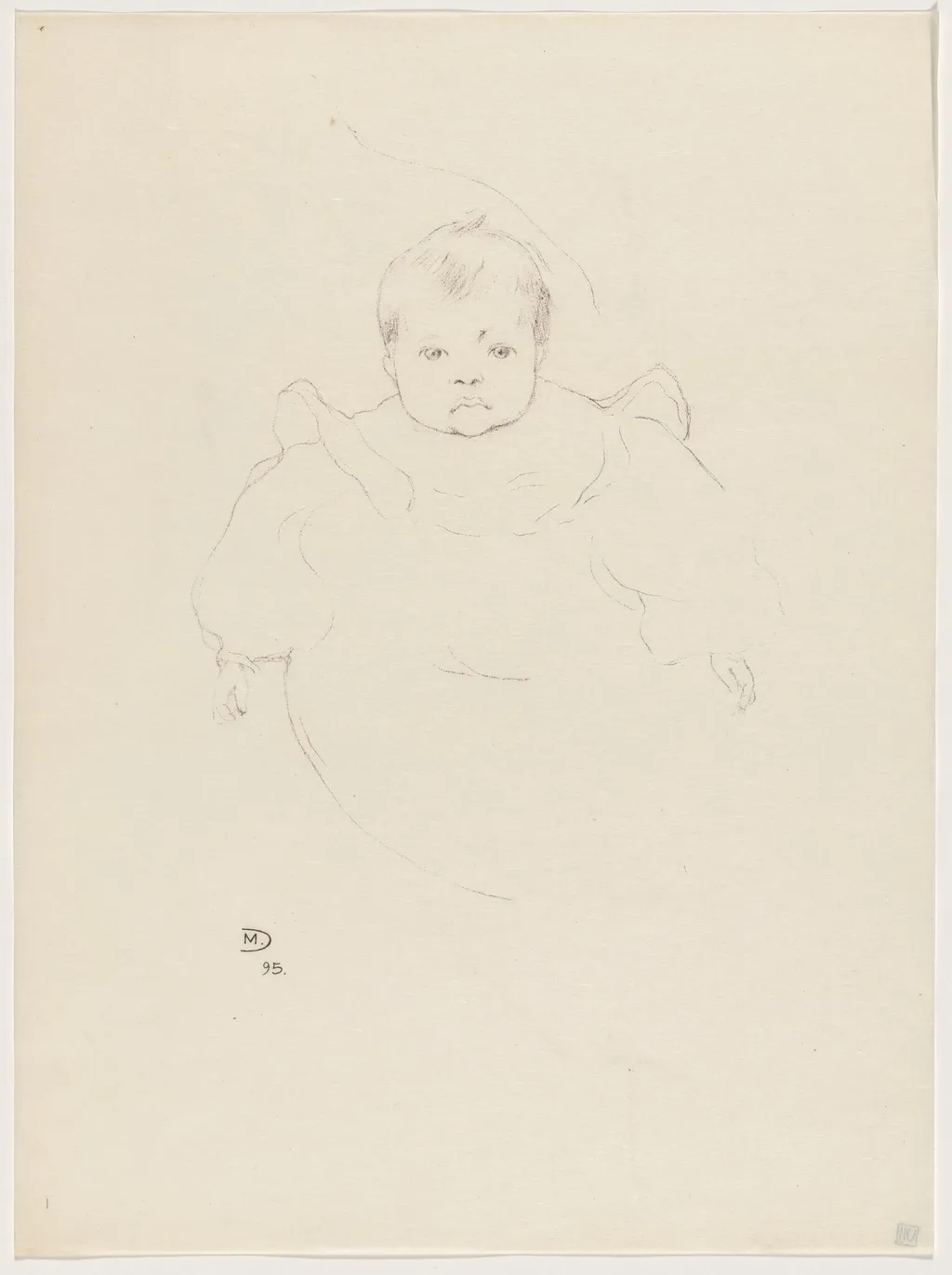
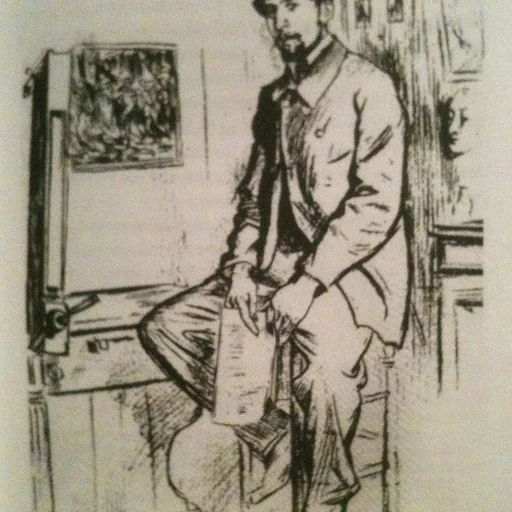
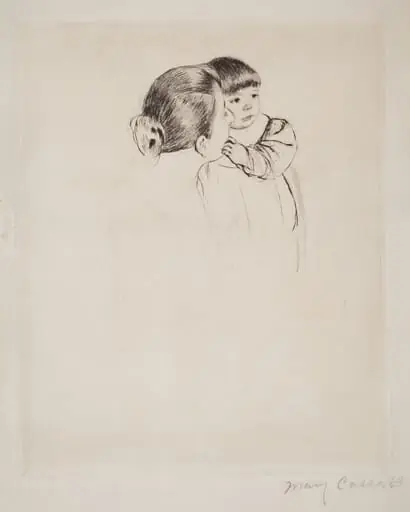
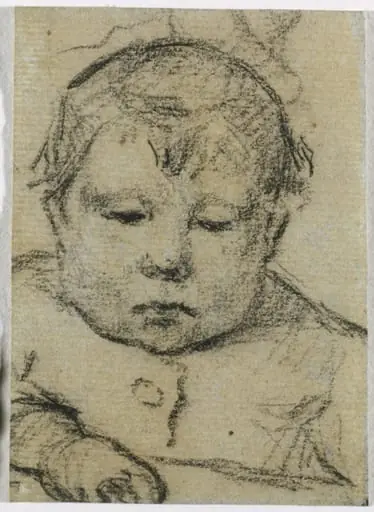
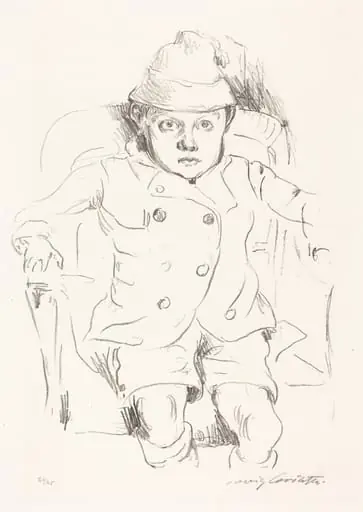
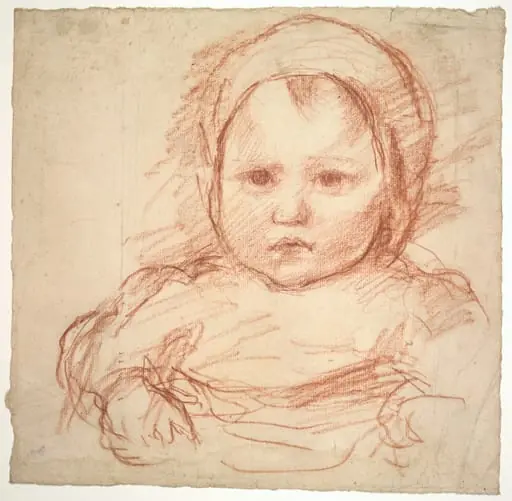
Petit portrait is an ink print by the Impressionist artist Maurice Dumont. It dates from 1895 and is held in the collection of the National Gallery of Art.
About this work
The artist, Dumont, made this in 1895, and it's interesting because he was experimenting with different printing techniques at that time.
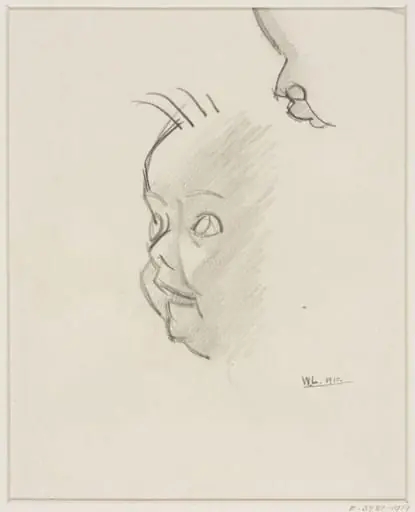
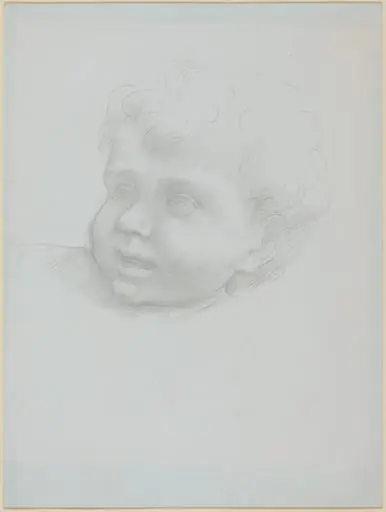
This painting is a small portrait made with black ink on thin paper.
It's a lithograph, which is a type of print.
The artist used simple lines to draw the face and clothes, making it look quite detailed.
The portrait is pretty small, which makes you want to look closer.
The artist, Dumont, made this in 1895, and it's interesting because he was experimenting with different printing techniques at that time.
You can learn more about this style by looking into the technique: lithography.
Overview
Petit portrait is a small lithograph by Maurice Dumont, executed in 1895 on delicate Japanese paper. Rendered entirely in black ink, the work exemplifies the artist’s engagement with printmaking during a period of technical exploration. Its modest scale invites intimate viewing, emphasizing precision over grandeur and reflecting the quiet intensity characteristic of late 19th-century graphic experimentation.
Subject & Meaning
The subject is an unidentified individual, rendered with restrained economy of line. No narrative or symbolic elements are present; the focus remains on the quiet presence of the sitter. The simplicity of the composition suggests an interest in character over circumstance, capturing a moment of stillness rather than a formal likeness. The absence of background or context heightens the psychological immediacy of the portrait.
Technique & Style
Dumont employed lithography, a process relying on the repulsion of oil and water, to transfer ink from a stone surface to paper. His use of fine, controlled lines and subtle tonal variations demonstrates mastery of the medium’s potential for nuance. The thinness of the paper enhances the delicacy of the ink, allowing the texture of the surface to subtly influence the image’s tactile quality.
History & Provenance
Created in 1895, the work belongs to a series of intimate prints Dumont produced during his exploration of graphic arts beyond painting. Few records of its early ownership exist, but it was likely circulated among collectors of avant-garde prints. Its survival in relatively intact condition speaks to its careful handling and the durability of the lithographic process when executed with precision.
Context
In the 1890s, European artists increasingly turned to printmaking as a means of personal expression, freed from the constraints of academic painting. Lithography, in particular, offered flexibility and immediacy. Dumont’s work aligns with this trend, reflecting a broader shift toward modest, introspective imagery that valued craft and subtlety over spectacle.
Legacy
Petit portrait remains a quiet example of Dumont’s contribution to the revival of lithography as a fine art medium. While not widely exhibited, it is referenced in studies of French graphic art from the fin de siècle. Its endurance lies in its restraint — a testament to the power of minimal means to convey presence and character.
Artist & collection