Artwork
The Boat in Conflans
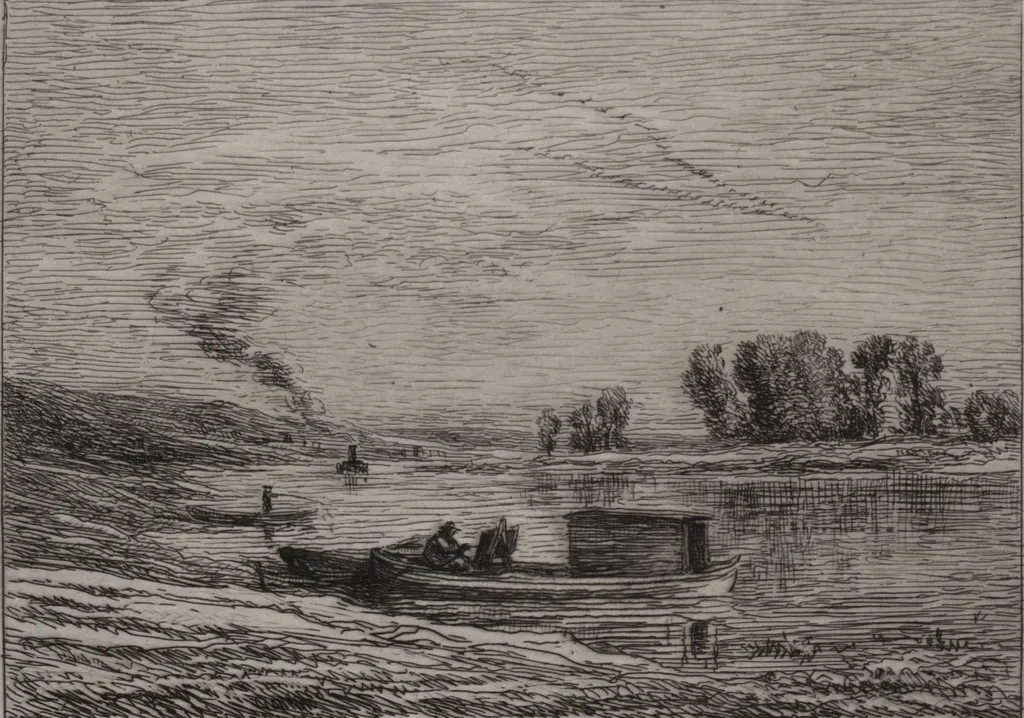
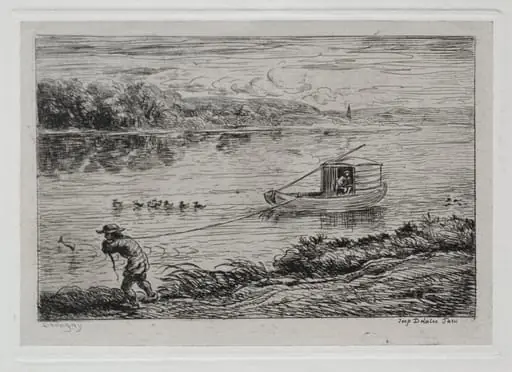
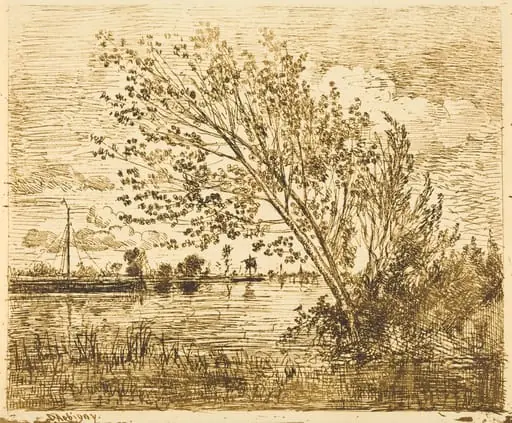
The Boat in Conflans is a print by the Impressionist artist Charles François Daubigny. It dates from 1866 and is held in the collection of the Cleveland Museum of Art.
About this work
That method, called etching, lets him capture light and shadow in soft waves.
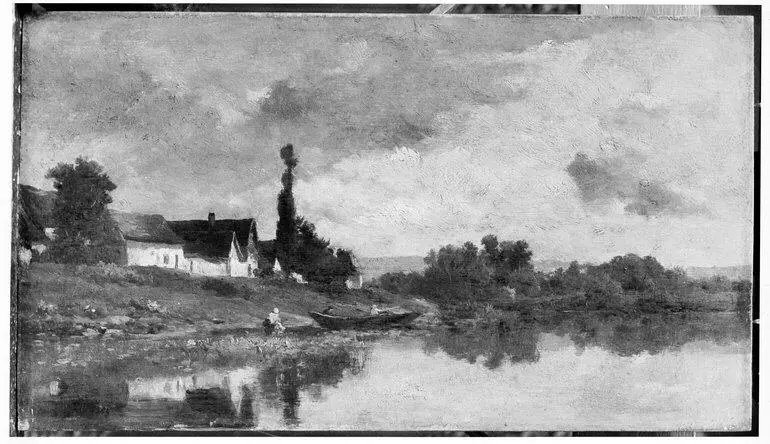
A small boat floats on calm water near a village.
Daubigny painted this while sitting in his studio boat, called a *botin*.
He loved rivers so much he turned his boat into a moving workspace.
This scene shows real life by the river Oise in France.
Daubigny used a printing needle to scratch lines into metal, then inked it.
That method, called etching, lets him capture light and shadow in soft waves.
Next, try looking up Charles François Daubigny (French, 1817–1878).
Overview
Charles-François Daumier’s print titled *The Boat in Conflans* depicts a modest vessel moored on tranquil water beside a small village. Executed in etching, the image captures the gentle play of light on the river’s surface and the quiet atmosphere of a French riverside setting.
Subject & Meaning
The composition presents a solitary boat on the Oise River, emphasizing the everyday life of riverine communities in 19th‑century France. By focusing on a simple, unadorned scene, Daubigny underscores his fascination with the natural environment and the rhythm of waterborne travel.
Technique & Style
Daubigny employed traditional etching, incising lines into a metal plate with a needle before applying ink and pressing the image onto paper. This method allowed him to render delicate tonal variations, conveying the soft shadows and subtle reflections that characterize the river’s surface.
History & Provenance
Created in 1857, the print is part of *Voyage en Bateau*, an album of etchings documenting Daubigny’s journeys along French waterways. The work was produced while he worked from his mobile studio—a boat he called a *botin*—which enabled him to paint and etch directly from the water.
Context
Daubigny’s practice was closely linked to the Barbizon school, whose members emphasized direct observation of nature. His use of a floating studio extended this plein‑air approach, allowing him to capture the atmospheric effects of rivers such as the Oise, Marne, and Seine.
Artist & collection
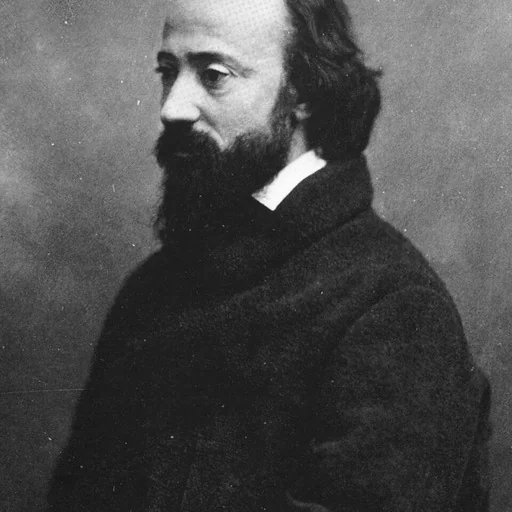
Artist
Charles-François Daubigny ( DOH-bin-yee, US: DOH-been-YEE, doh-BEEN-yee, French: ; 15 February 1817 – 19 February 1878) was a French painter, one of the members of the Barbizon school, and is considered an important precursor of…

 The Boat Trip: Cabin Boy Hauling the Tow-Rope or Hauling by Rope
 The Hydraulic Machine
 A Cluster of Alders
 Hurlingham
 Danube at Walhalla
 The Banks of the Seine at Bezons
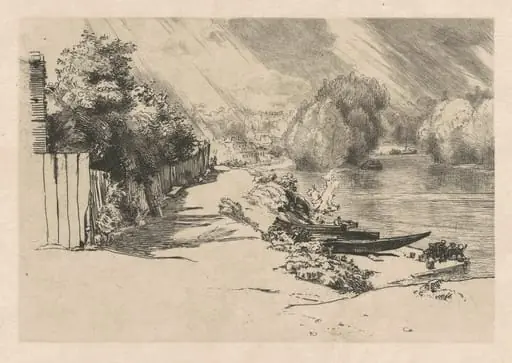 The Seine at Bas-Meudon
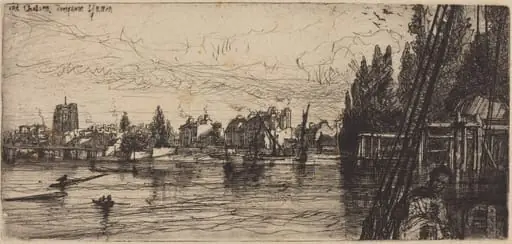 Old Chelsea (Old Chelsea Church)
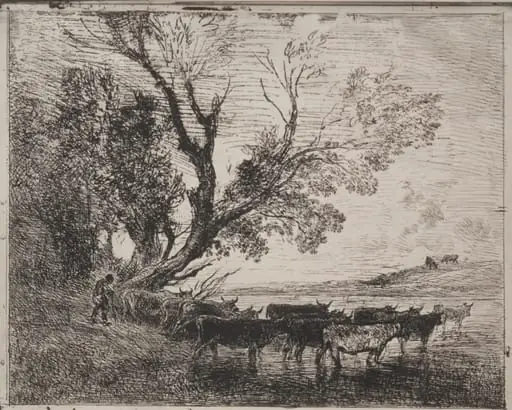 The Ford
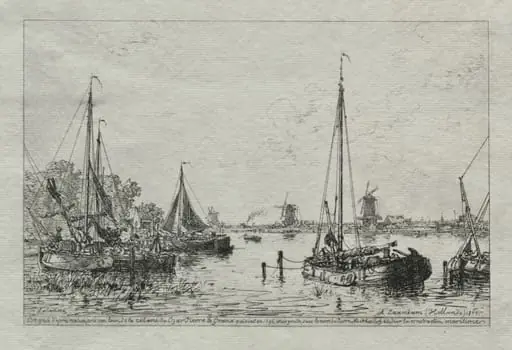 Sketch from Nature
 Stand of Alders (Le Bouquet d'aunes)
 Bridge, Schleissheim