Artwork
Waterside landscape
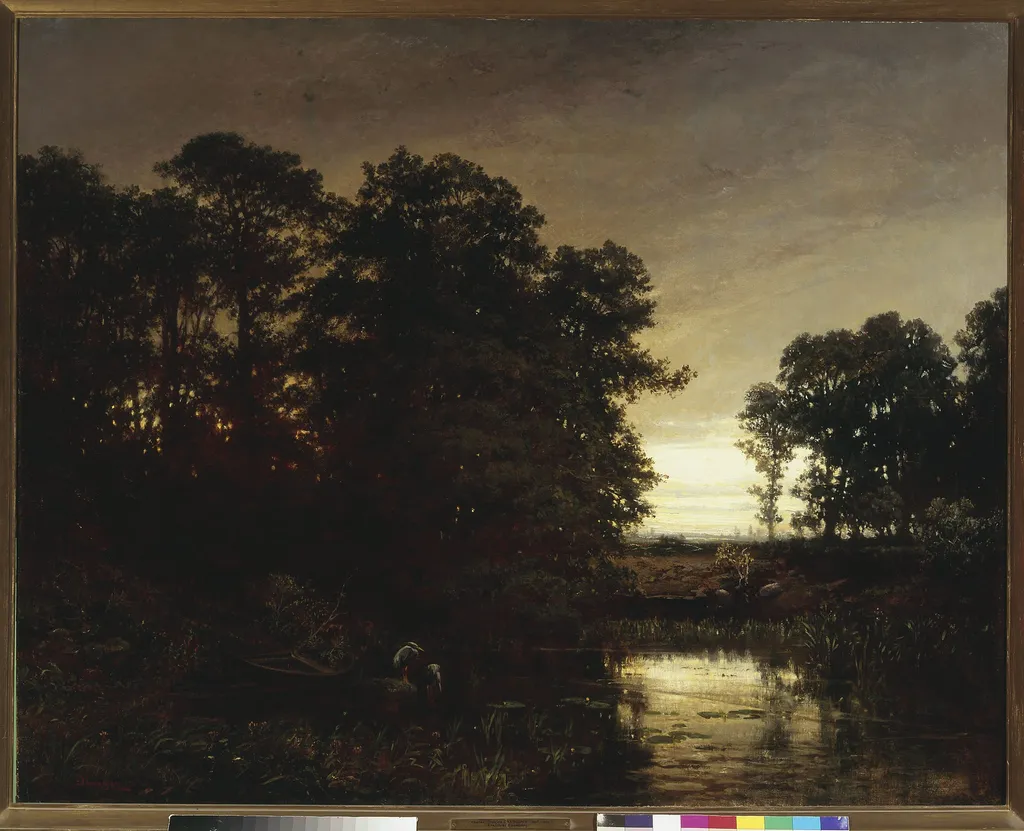
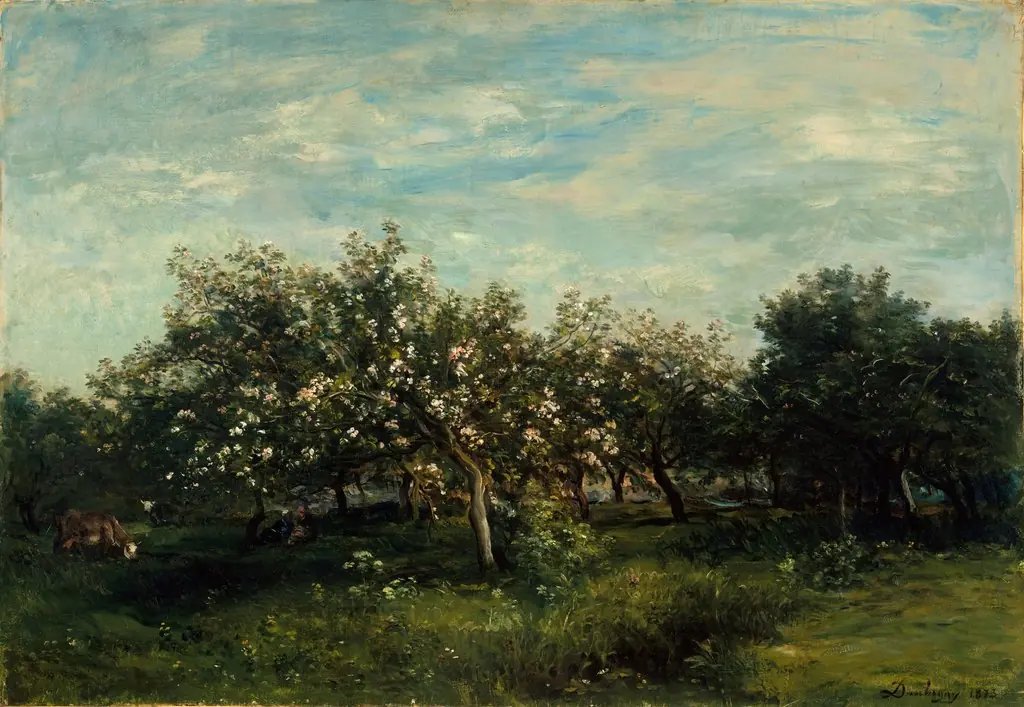
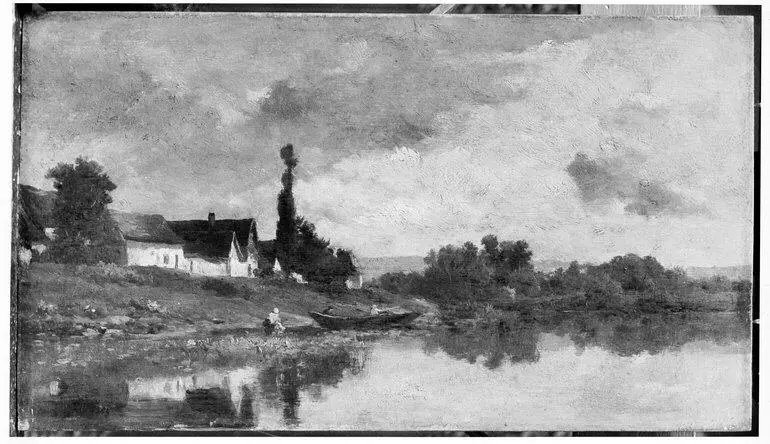
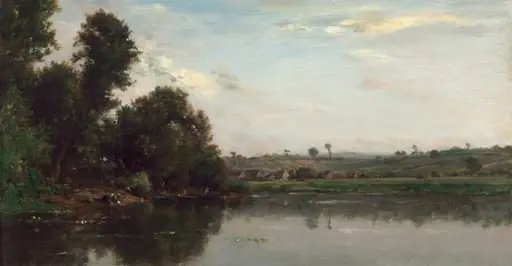
Waterside landscape is an oil painting by the Barbizon school artist Charles François Daubigny. It dates from 1861 and is held in the collection of the National Museum in Warsaw.
About this work
Overview
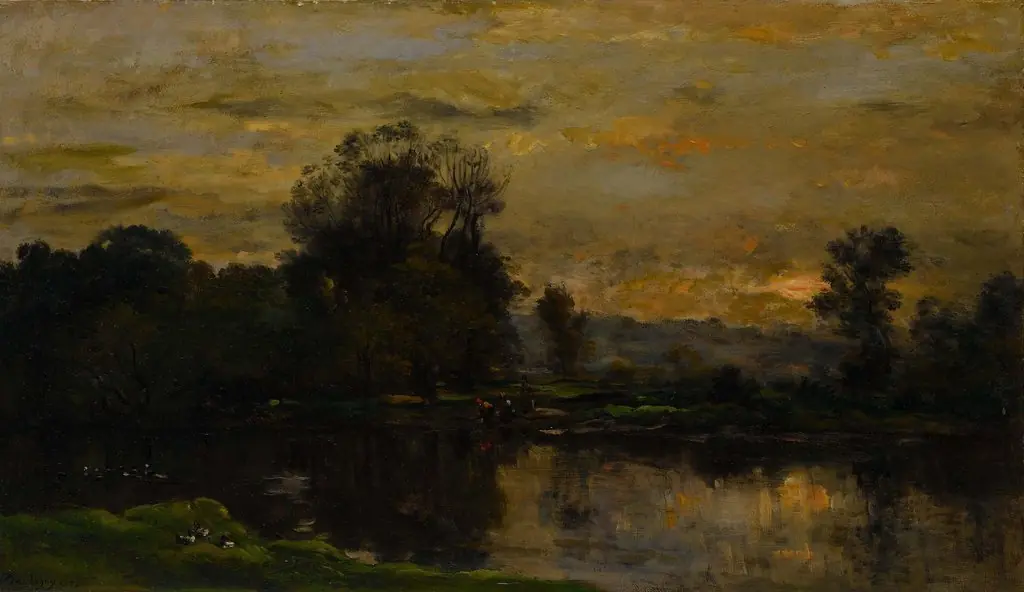
Painted in 1861, *Waterside Landscape* is an oil on canvas work by Charles-François Daubigny, a key figure in the Barbizon School. The painting captures a quiet riverside scene, emphasizing natural light and atmospheric conditions. Daubigny’s focus on unidealized rural environments aligned with his commitment to painting directly from nature, a practice that influenced later movements.
Subject & Meaning
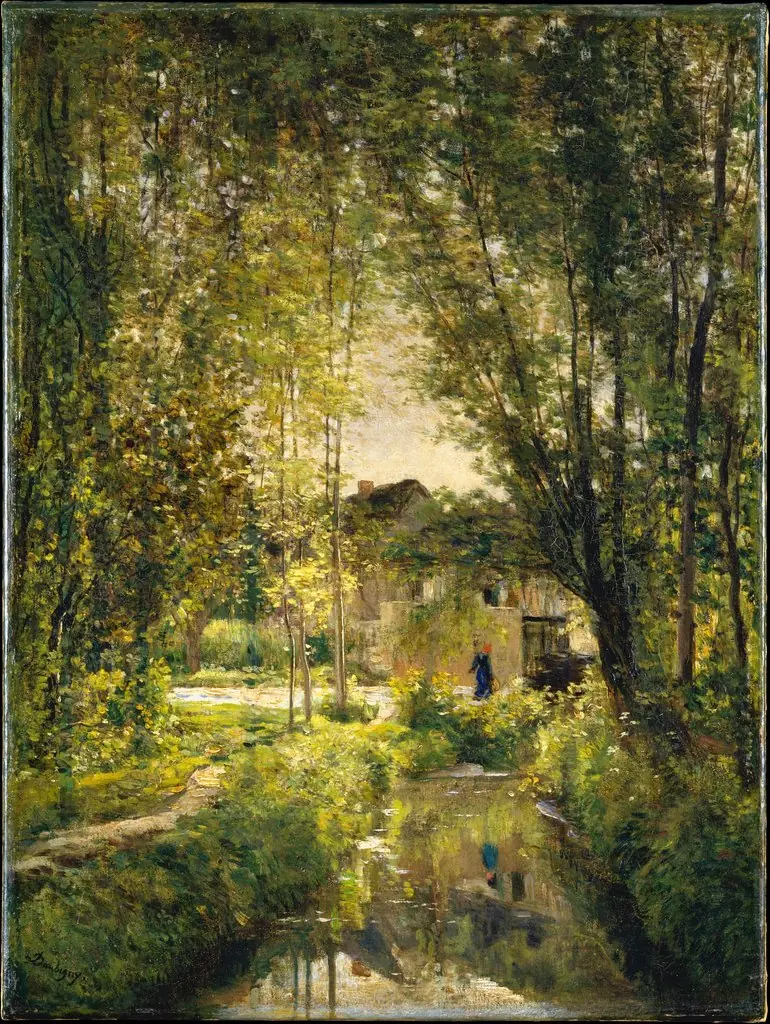
The scene depicts a calm waterway bordered by dense foliage, with sunlight filtering through the trees. There are no human figures or signs of industry, reinforcing a sense of solitude and quiet observation. The composition invites contemplation of nature’s rhythms, reflecting Daubigny’s belief in the dignity of ordinary landscapes and his rejection of romanticized scenery.
Technique & Style
Daubigny employed loose, responsive brushwork to render light and texture, using chiaroscuro to define form through subtle shifts in tone rather than sharp outlines. The reflections on the water are rendered with soft, broken strokes, enhancing realism without polish. His method prioritized direct observation, capturing transient effects of daylight and atmosphere with immediacy.
History & Provenance
The painting entered the collection of the National Museum in Warsaw, where it remains today. While its exact path from Daubigny’s studio to Poland is undocumented, its presence there reflects broader 19th-century European interest in French landscape painting. It was likely acquired during a period of increased cultural exchange between France and Eastern Europe.
Context
Daubigny painted this work during a time when artists were moving away from academic traditions toward direct engagement with the natural world. The Barbizon School, of which he was a central member, rejected studio idealism in favor of plein-air study. His emphasis on light and everyday scenery helped pave the way for Impressionist practices in the following decades.
Legacy
Though less widely known than some of his contemporaries, Daubigny’s approach to landscape—particularly his use of loose brushwork and attention to light—directly influenced younger painters, including Monet and Pissarro. *Waterside Landscape* exemplifies his quiet revolution: elevating the mundane through honest observation, and laying groundwork for modern approaches to nature in art.
Artist & collection
Artist
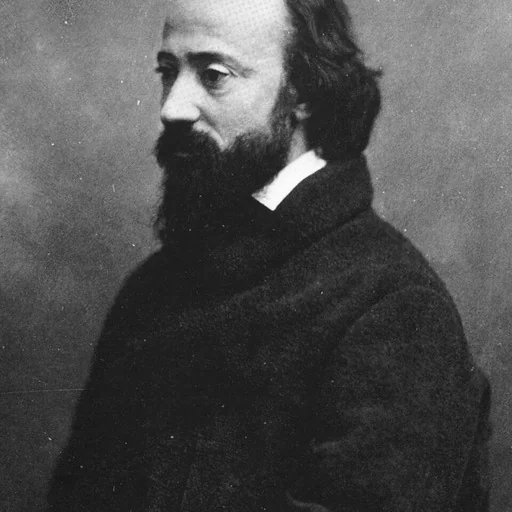
Charles-François Daubigny ( DOH-bin-yee, US: DOH-been-YEE, doh-BEEN-yee, French: ; 15 February 1817 – 19 February 1878) was a French painter, one of the members of the Barbizon school, and is considered an important precursor of…

 Landscape with a pond
 Opklarende vejr efter en regnbyge ved Gurre Sø
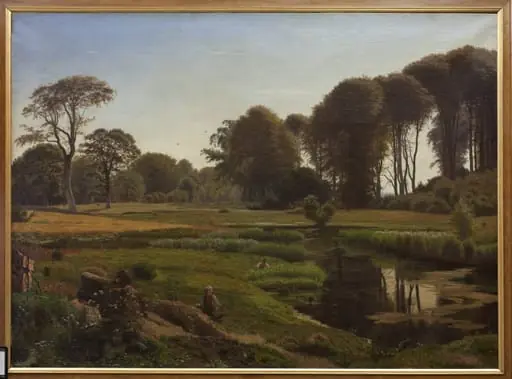 En sommerdag. Motiv fra Horneland ved Fåborg
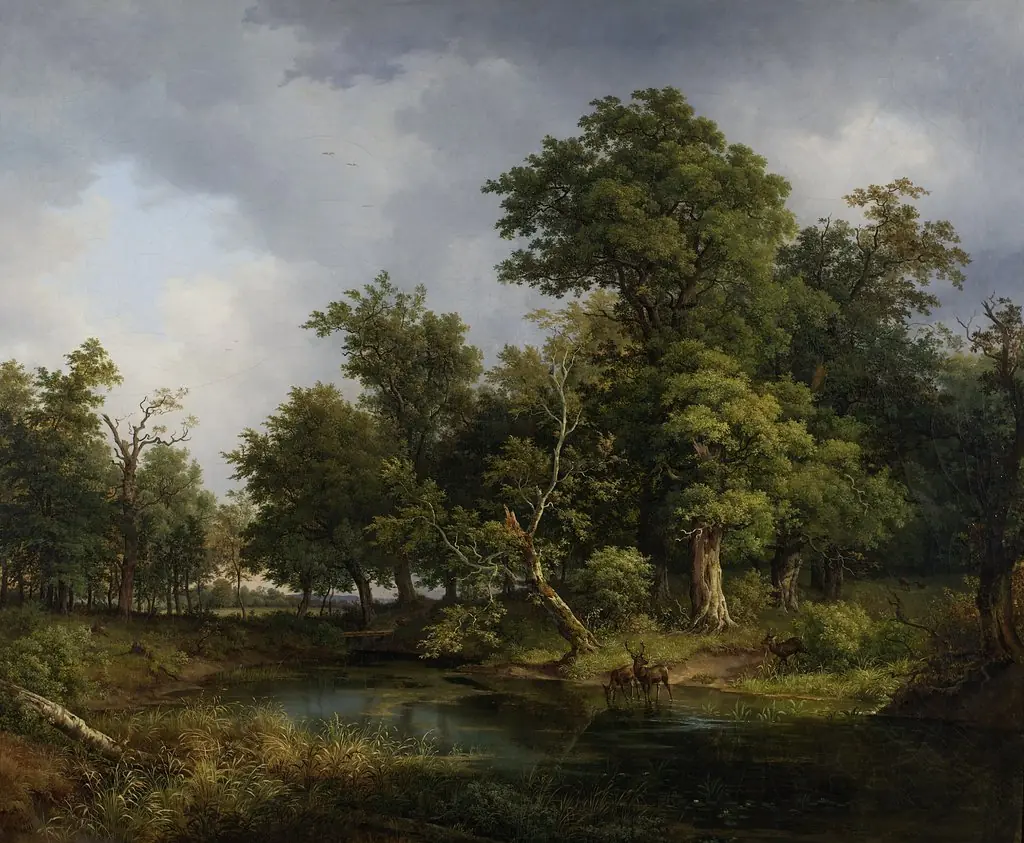 Waldlandschaft
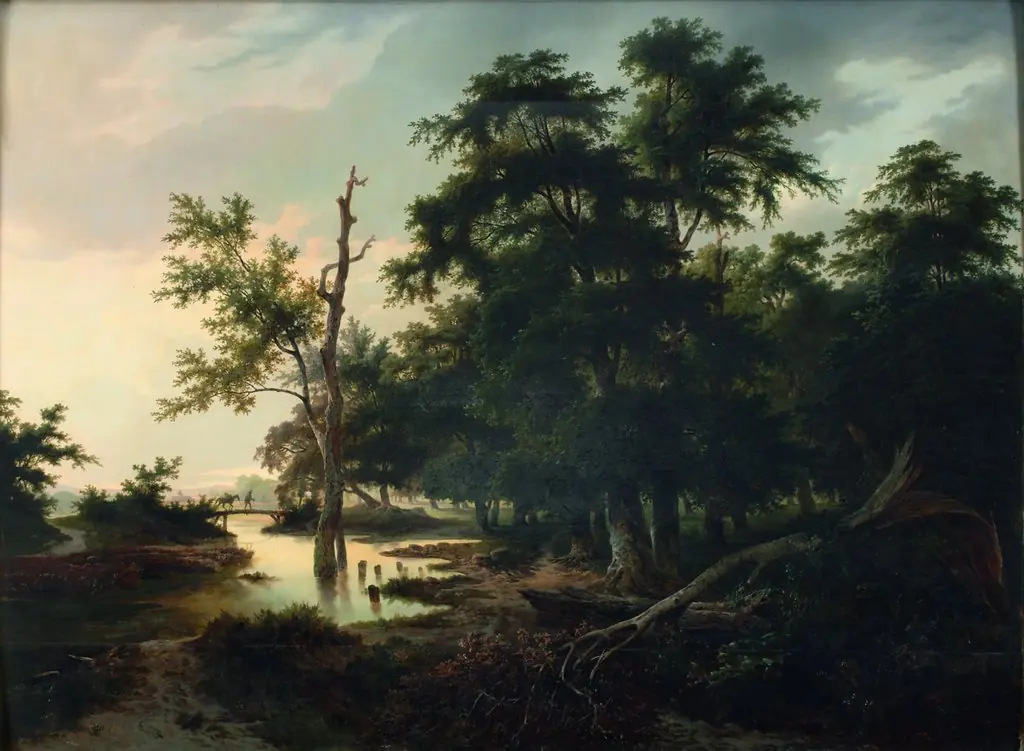 Forest landscape
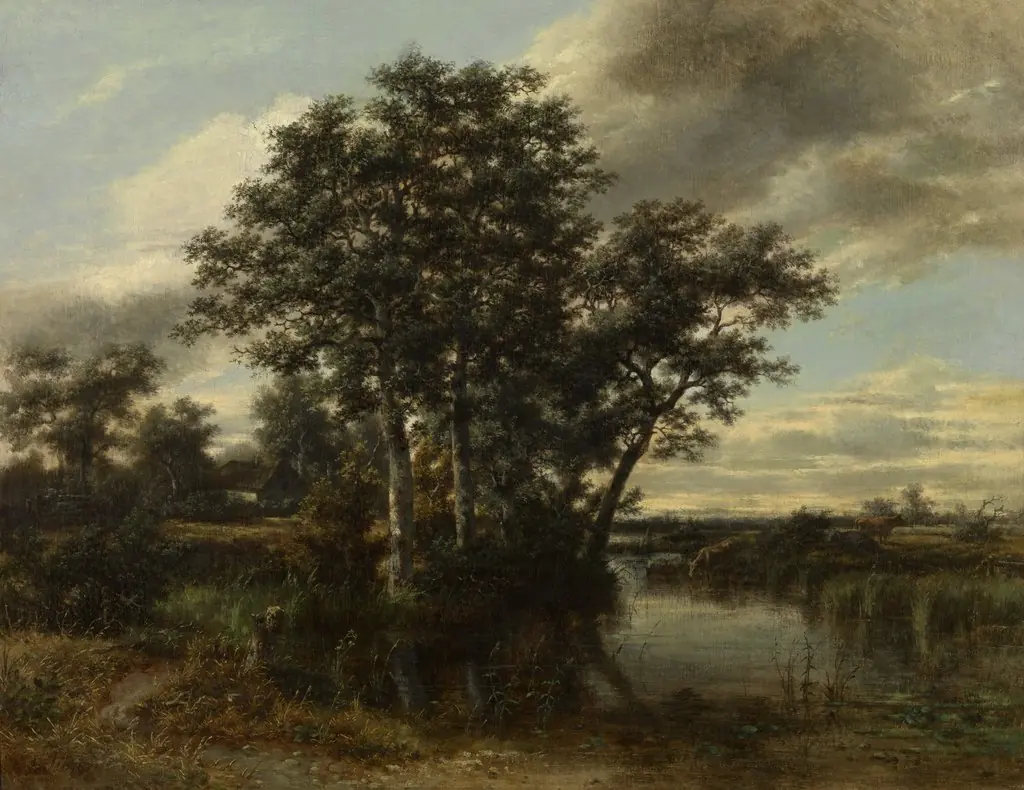 Pool
Pool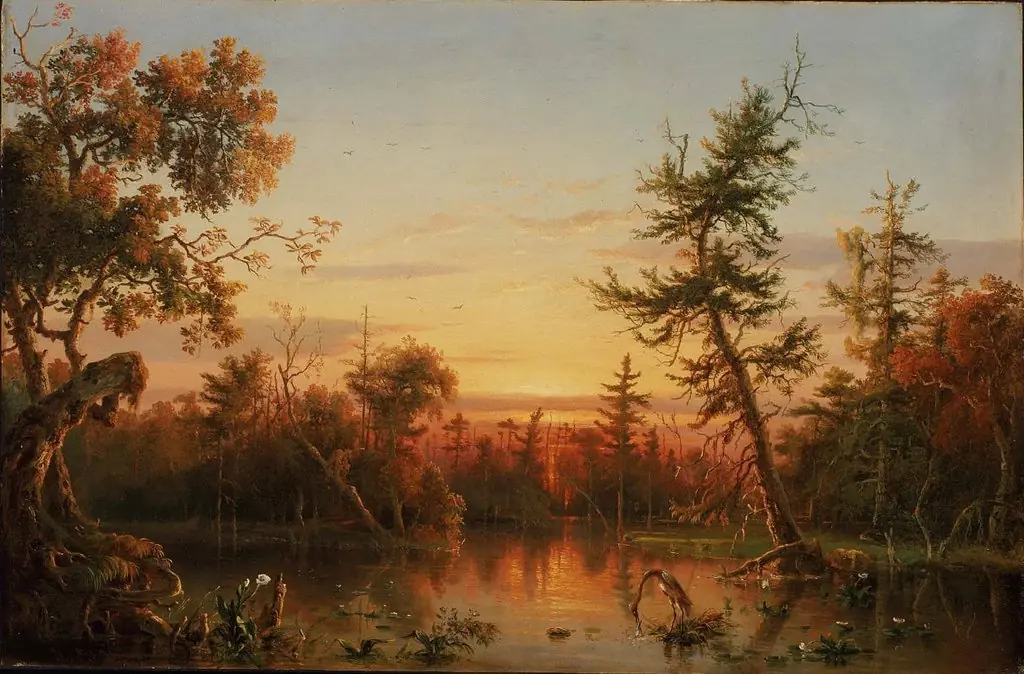 View, Dismal Swamp, North Carolina
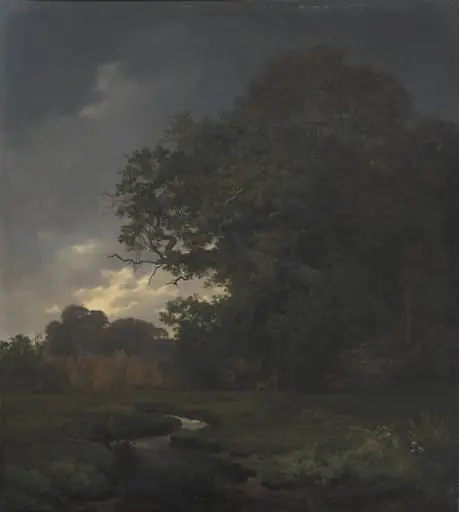 Landscape in Cloudy Weather. Late Afternoon
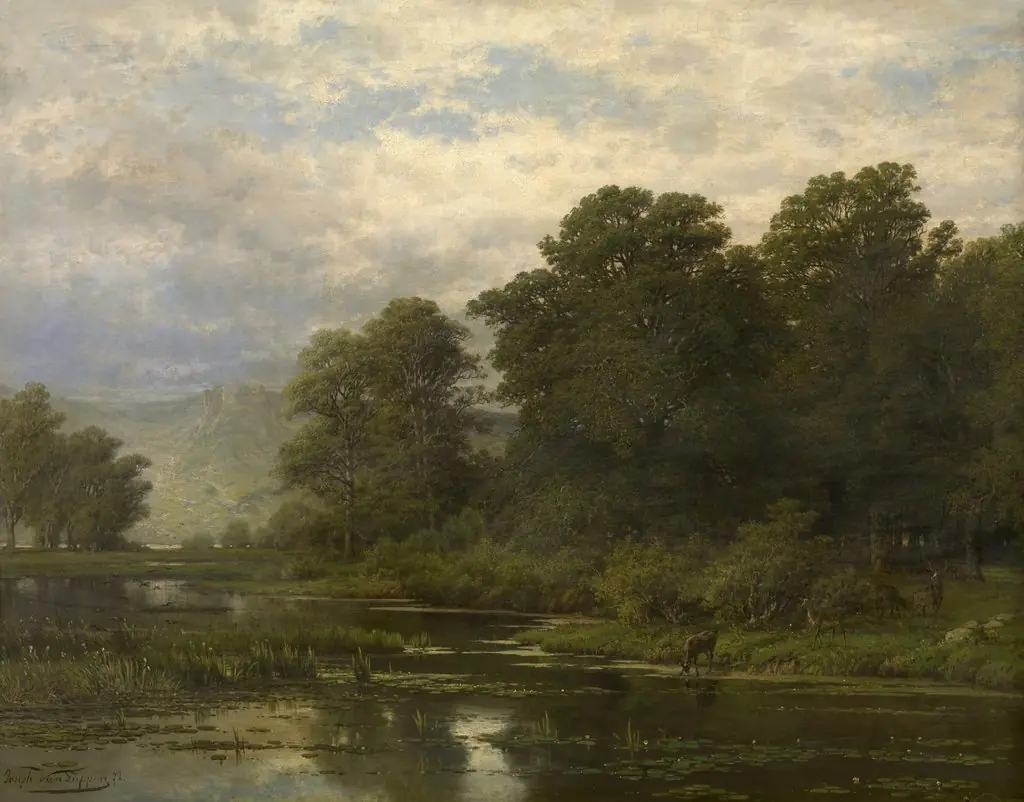 Landscape
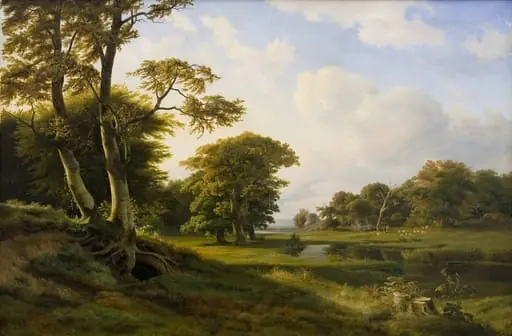 Skovlandskab ved Hellebæk. Efterår
 En sommerdag. Motiv fra Horneland ved Fåborg
 A River Landscape