Artwork
Entrance to the Grand Canal, Venice
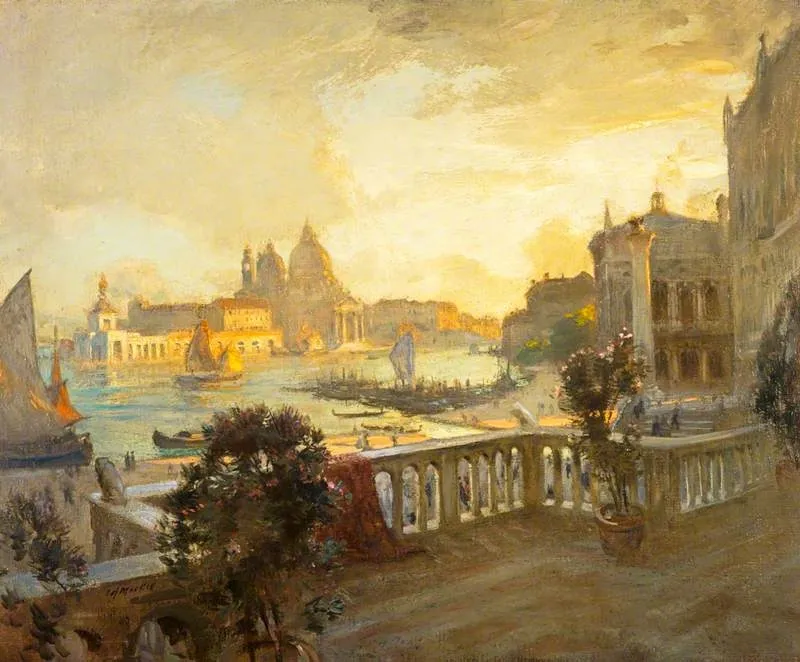
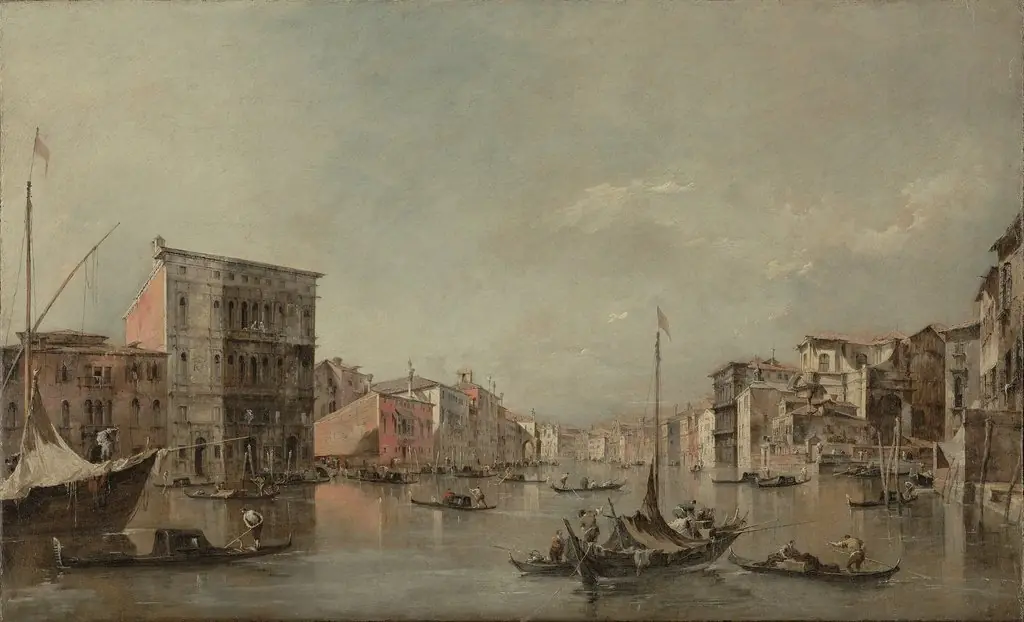
Entrance to the Grand Canal, Venice is an oil painting by the Impressionist artist Charles Hodge Mackie. It dates from 1912 and is held in the collection of the National Galleries Scotland.
About this work
Overview
Charles Hodge Mackie’s 1912 oil painting captures the entrance to Venice’s Grand Canal. The composition presents a tranquil waterscape illuminated by warm, golden light, with the canal’s bordering architecture rendered in soft tones. A stone balustrade and modest potted plants occupy the foreground, guiding the eye toward the bustling city beyond.
Subject & Meaning
The work depicts a quiet moment at the gateway to the Grand Canal, emphasizing the interplay of light on water and stone. By focusing on the serene ambience rather than bustling activity, Mackie conveys a contemplative atmosphere that invites reflection on Venice’s enduring beauty and its relationship to the surrounding environment.
Technique & Style
Executed in an Impressionist manner, the painting employs feathery brushwork and a palette of warm hues to suggest the shimmering surface of the canal. Loose, layered strokes convey the texture of water and architecture, while subtle tonal variations create depth and a sense of atmospheric perspective without detailed delineation.
History & Provenance
Created in 1912, the canvas entered the collection of the Scottish National Gallery, where it remains on display. Mackie, a co‑founder and first president of the Society of Scottish Artists, contributed this work during a period when Scottish painters were increasingly engaging with continental Impressionist trends.
Context
The early twentieth century saw many British artists traveling to Italy, drawn by its light and historic scenery. Mackie’s Venice scene reflects this broader interest, aligning his practice with contemporaneous efforts to capture fleeting moments of light and atmosphere through an Impressionist lens.
Artist & collection
Artist
Charles Hodge Mackie (1862–1920) was a Scottish artist. He was a co-founder, and the first president, of the Society of Scottish Artists in 1900.

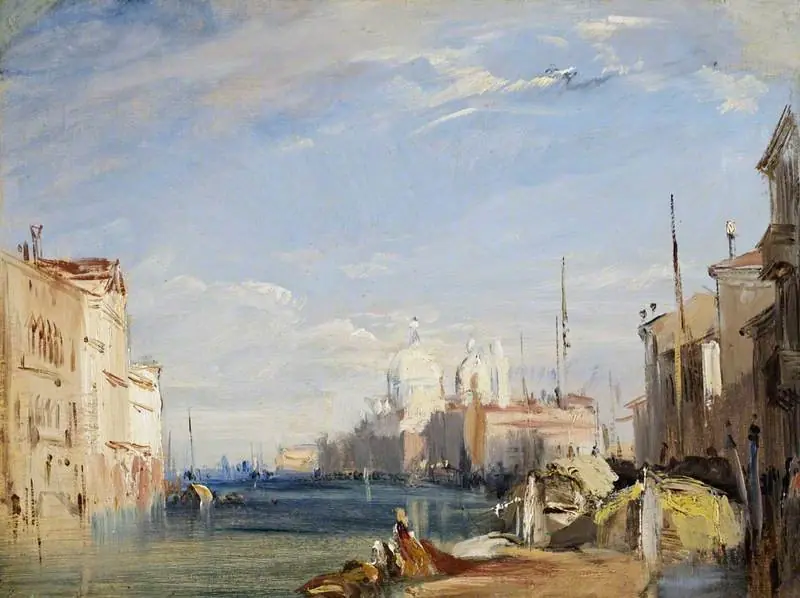 Venice: The Grand Canal
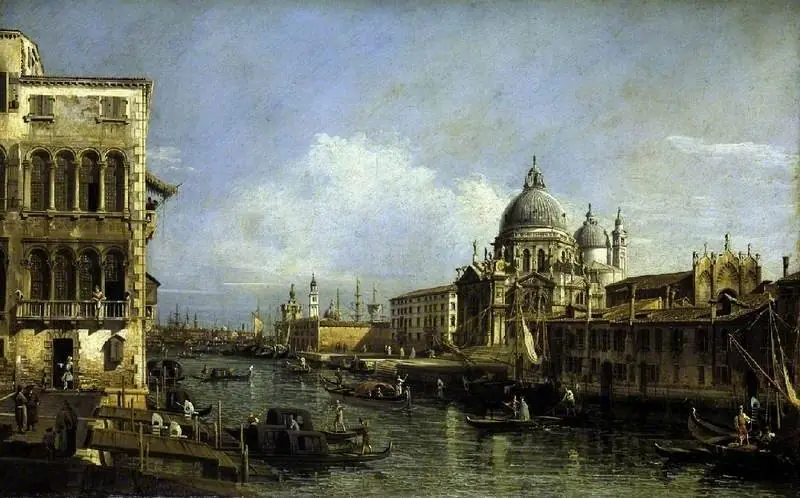 A View at the Entrance of the Grand Canal, Venice
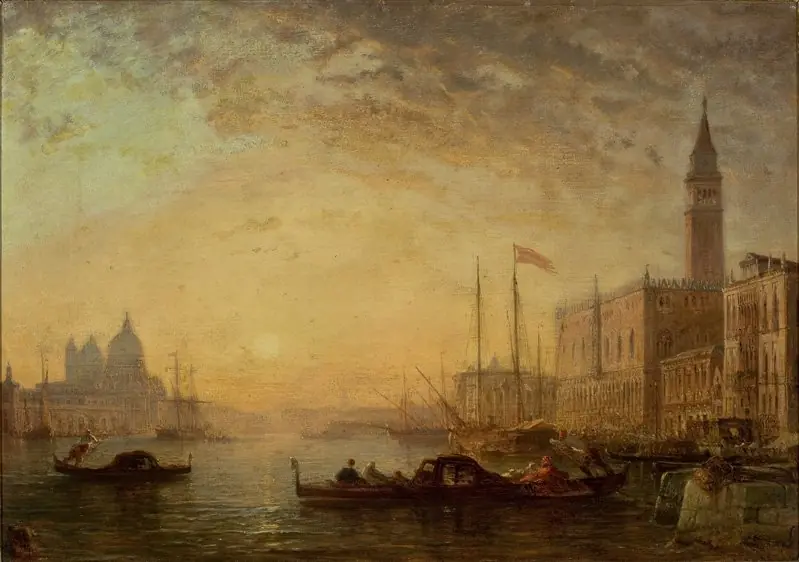 The Grand Canal in Venice
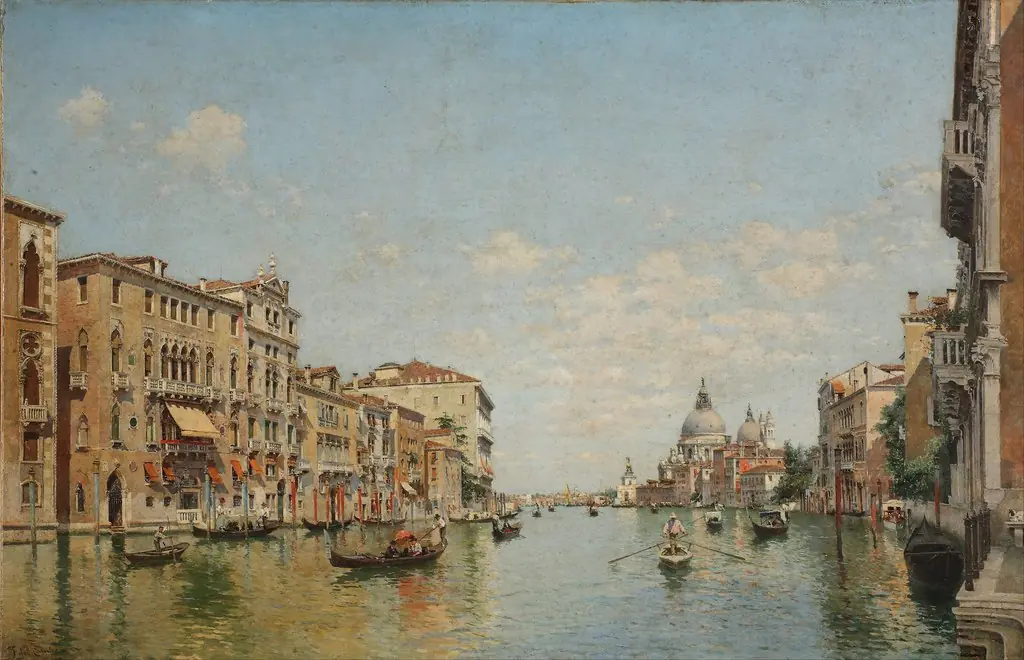 View of the Grand Canal of Venice
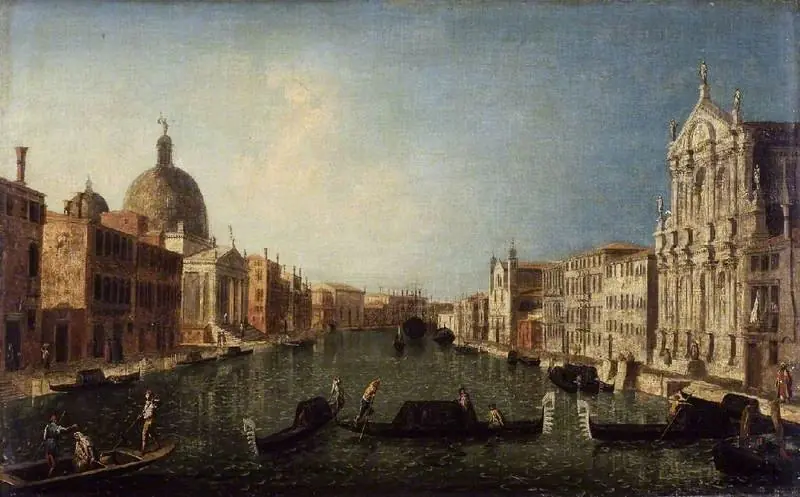 The Grand Canal, Venice, with S. Simeone
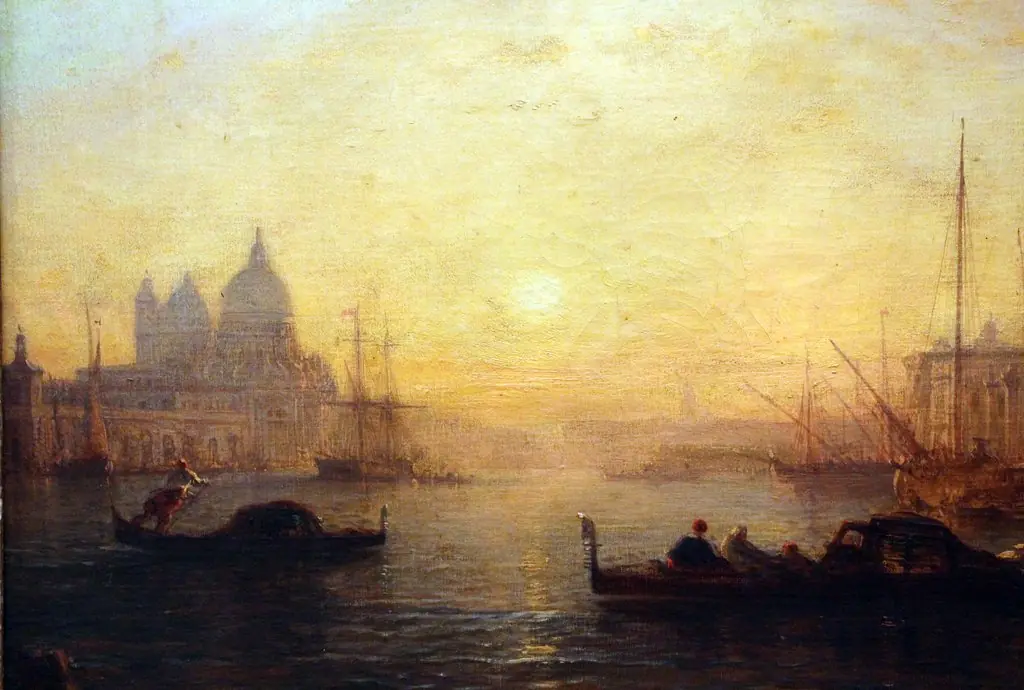 Canale Grande in Venice
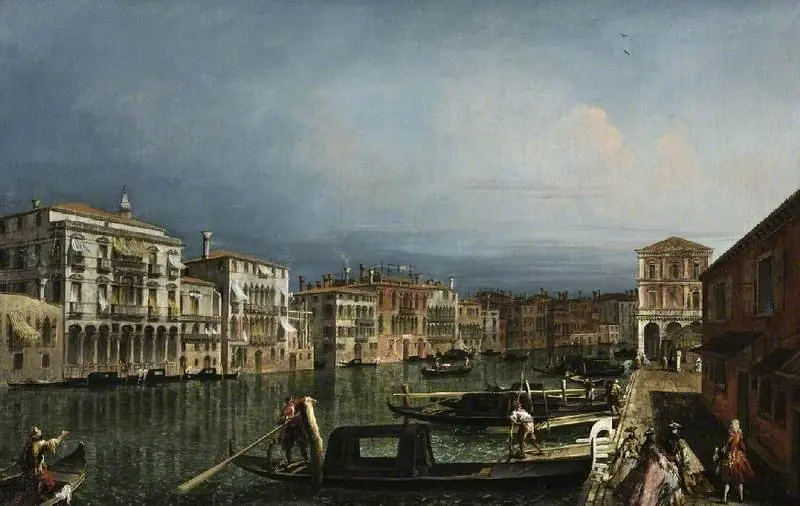 The Grand Canal, Venice, above the Rialto bridge
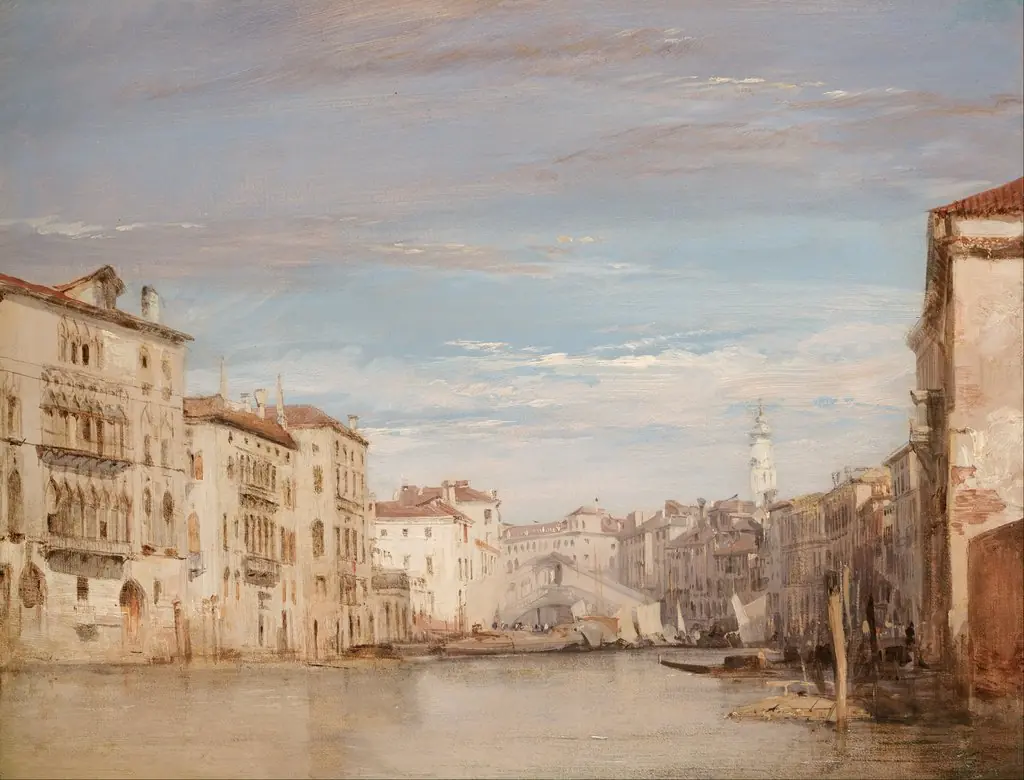 The Grand Canal, Venice, Looking Toward the Rialto
 The Grand Canal in Venice with Palazzo Bembo