Artwork
John, Lord FitzGibbon
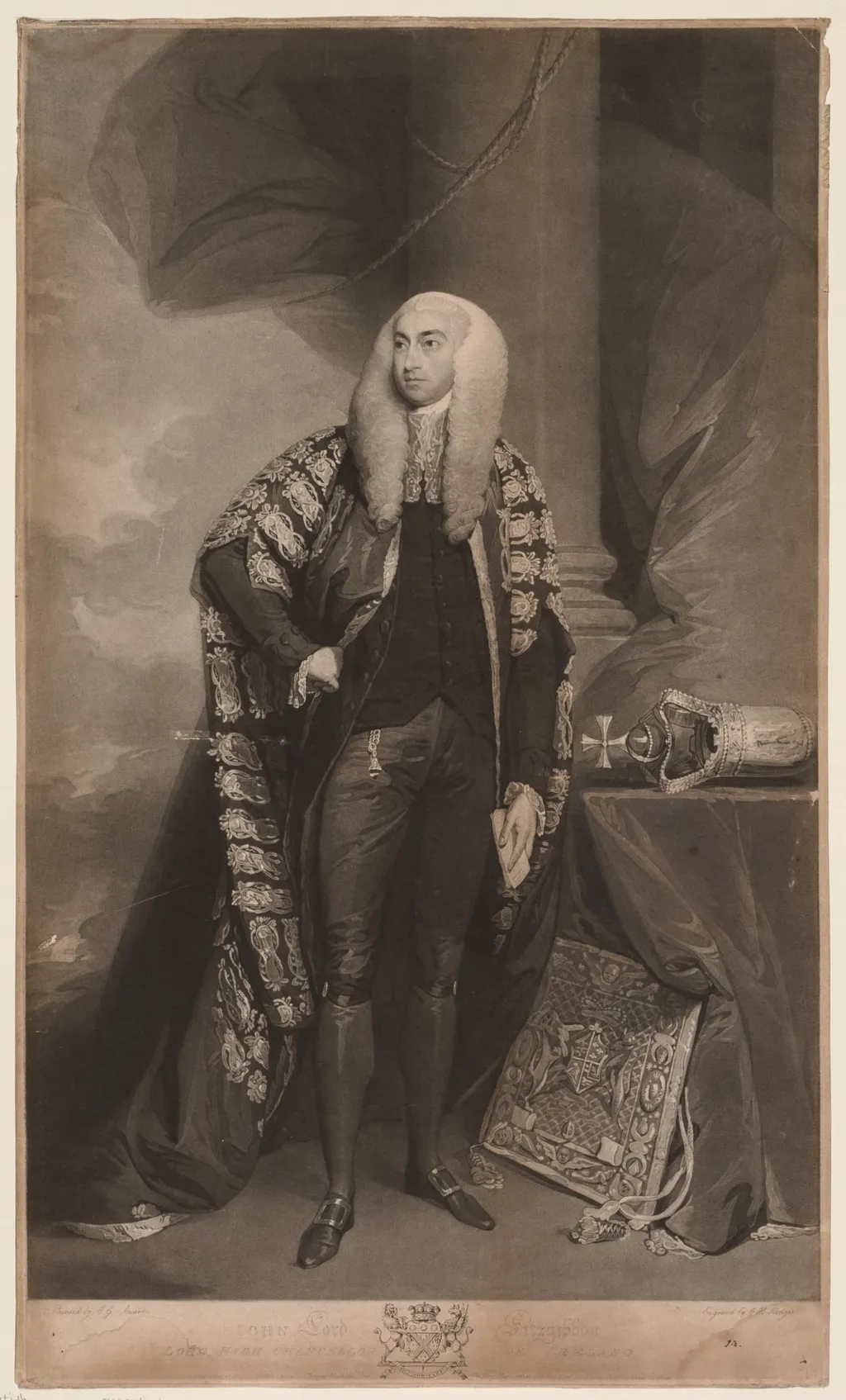
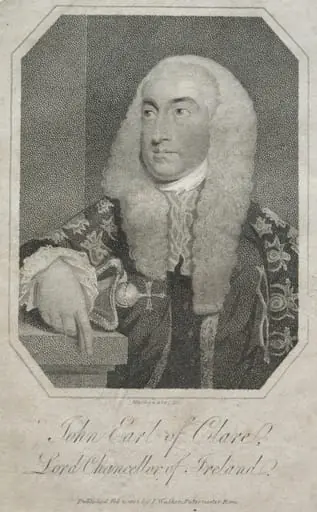
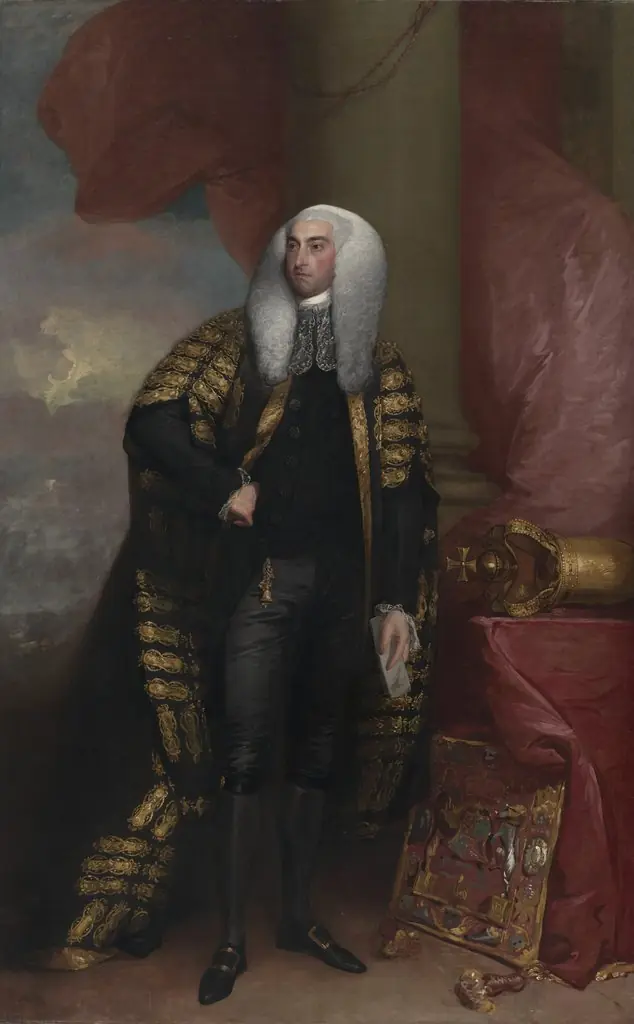
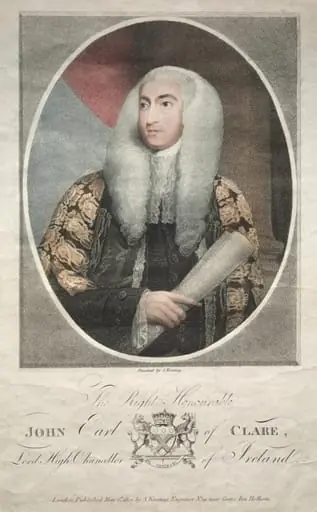
John, Lord FitzGibbon is a print by the Romanticist artist Charles Howard Hodges. It dates from 1790 and is held in the collection of the Cleveland Museum of Art.
About this work
Overview
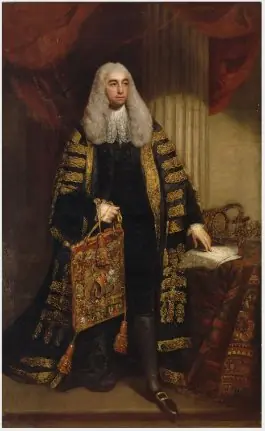
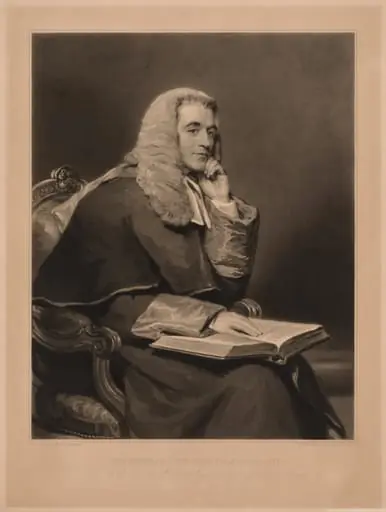
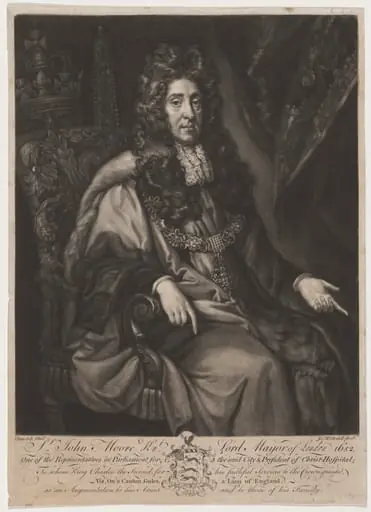
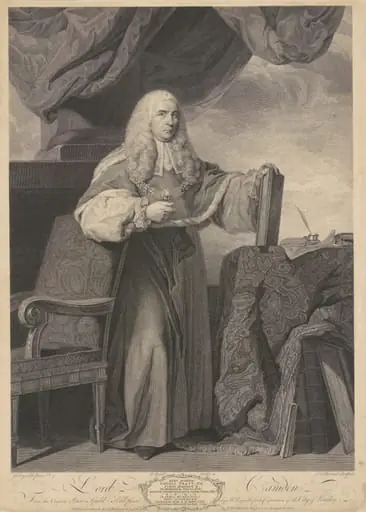
Created in 1790 by Charles Howard Hodges, this portrait captures John FitzGibbon, an Irish legal figure and politician who later became the Earl of Clare.
Created in 1790 by Charles Howard Hodges, this portrait captures John FitzGibbon, an Irish legal figure and politician who later became the Earl of Clare. Hodges, an English artist based in Amsterdam, specialized in portraiture and printmaking during his time in the Netherlands. The work reflects the formal conventions of late 18th-century elite portraiture, emphasizing status through composition and attire rather than narrative.
Subject & Meaning
John FitzGibbon is depicted as a man of authority, dressed in a dark, ornate coat and holding a sword, symbols of his legal and political standing. His direct gaze and upright posture convey solemnity and resolve. The classical column behind him alludes to tradition and civic virtue, common motifs in portraits of public figures. The image does not seek to personalize but to affirm his role within the structures of power and law.
Technique & Style
Hodges employs a restrained palette dominated by deep tones, with subtle lighting from the left to model the figure’s form. The textures of fabric and metal are rendered with precision, though without excessive detail. The background remains shadowed, isolating the subject and reinforcing the portrait’s formal gravity. The brushwork is controlled, aligning with the academic traditions of portraiture rather than expressive brushiness.
History & Provenance
The portrait was painted during Hodges’s active years in Amsterdam, where he cultivated a clientele among British and Dutch elites. FitzGibbon, then a prominent Irish barrister and future Lord Chancellor, likely commissioned the work during a period of rising influence. The print’s later circulation suggests it was reproduced to disseminate his public image, though its original ownership and subsequent movements remain poorly documented.
Context
In the 1790s, portraiture across Europe served as a tool for legitimizing political authority. FitzGibbon’s image aligns with similar depictions of jurists and statesmen, where classical elements and formal dress signaled continuity with Enlightenment ideals. Hodges’s Dutch base placed him within a network of artists serving British expatriates and colonial officials, reflecting transnational elite culture of the period.
Legacy
The portrait survives as a record of FitzGibbon’s public persona during a pivotal era in Irish governance. While Hodges is not widely remembered today, this work contributes to the visual archive of British and Irish political figures of the late 18th century. Its stylistic adherence to convention makes it a representative example of how authority was visually codified before the rise of more individualized Romantic portraiture.
Artist & collection
Artist
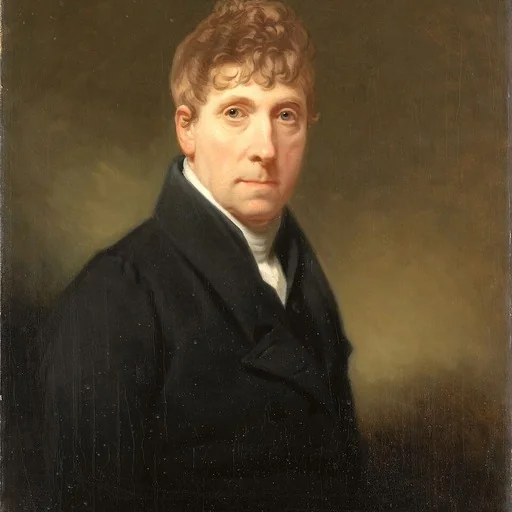
Charles Howard Hodges (1764 – 24 July 1837) was an English painter active in the Netherlands during the late 18th and early 19th centuries.

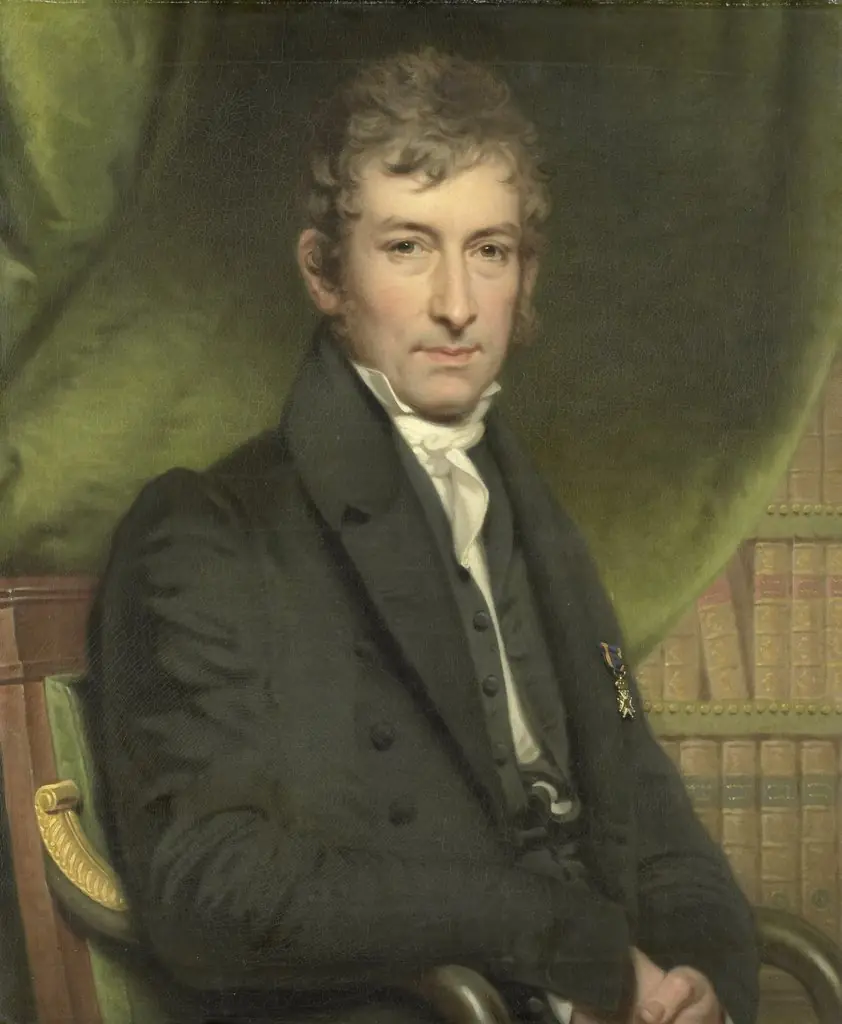 Portrait of Johan Fraser
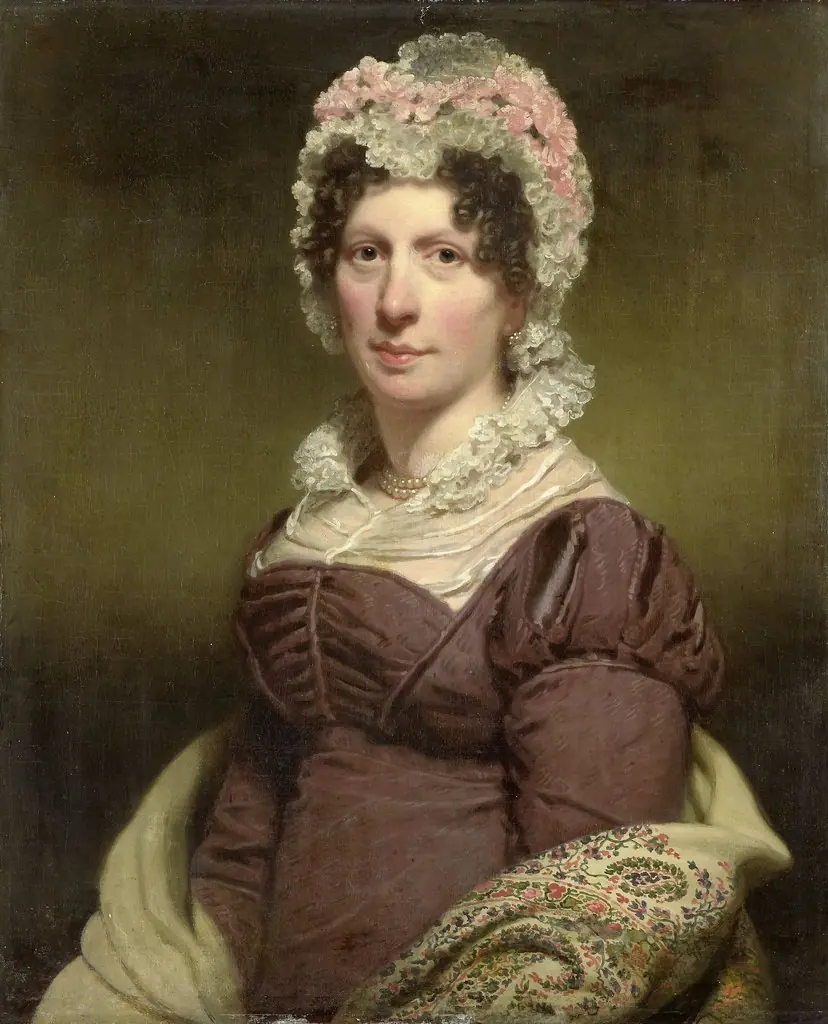 Portrait of a Woman
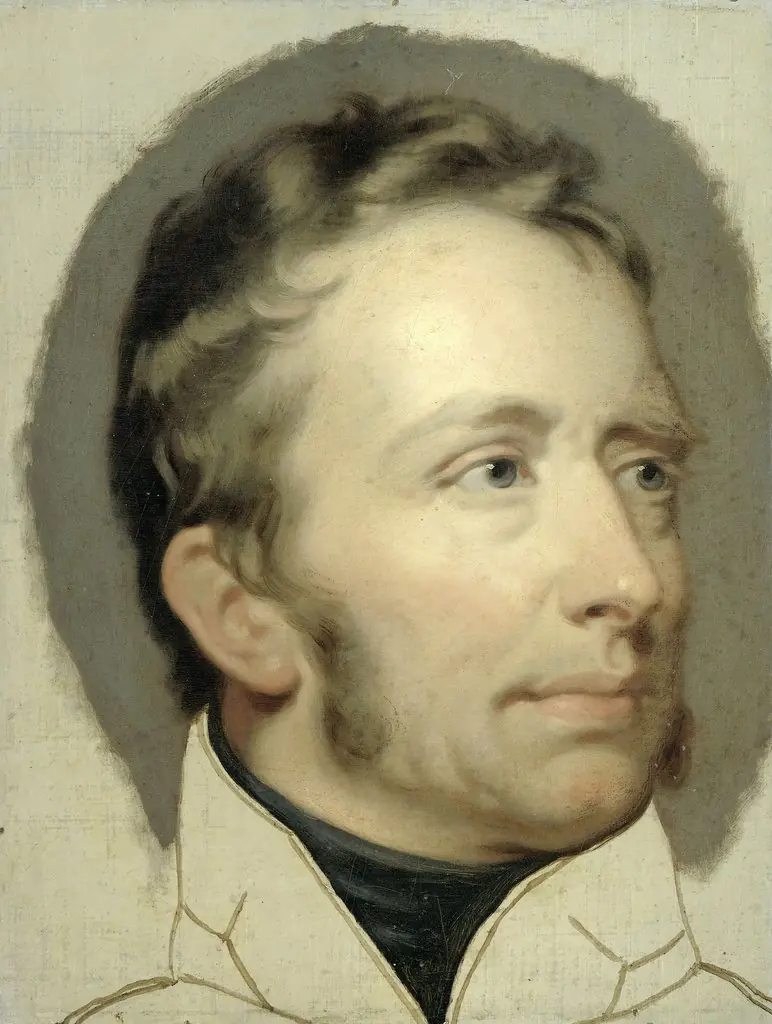 William I (1772-1843), King of the Netherlands
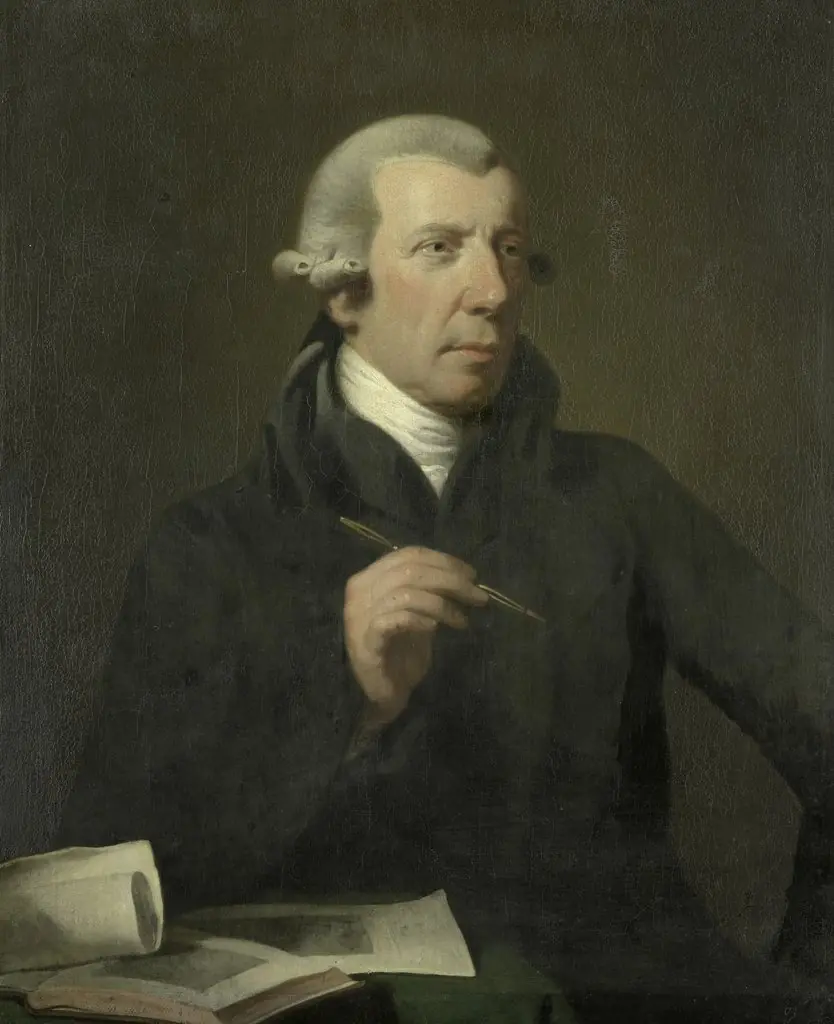 Portrait of Reinier Vinkeles, Draftsman and Engraver
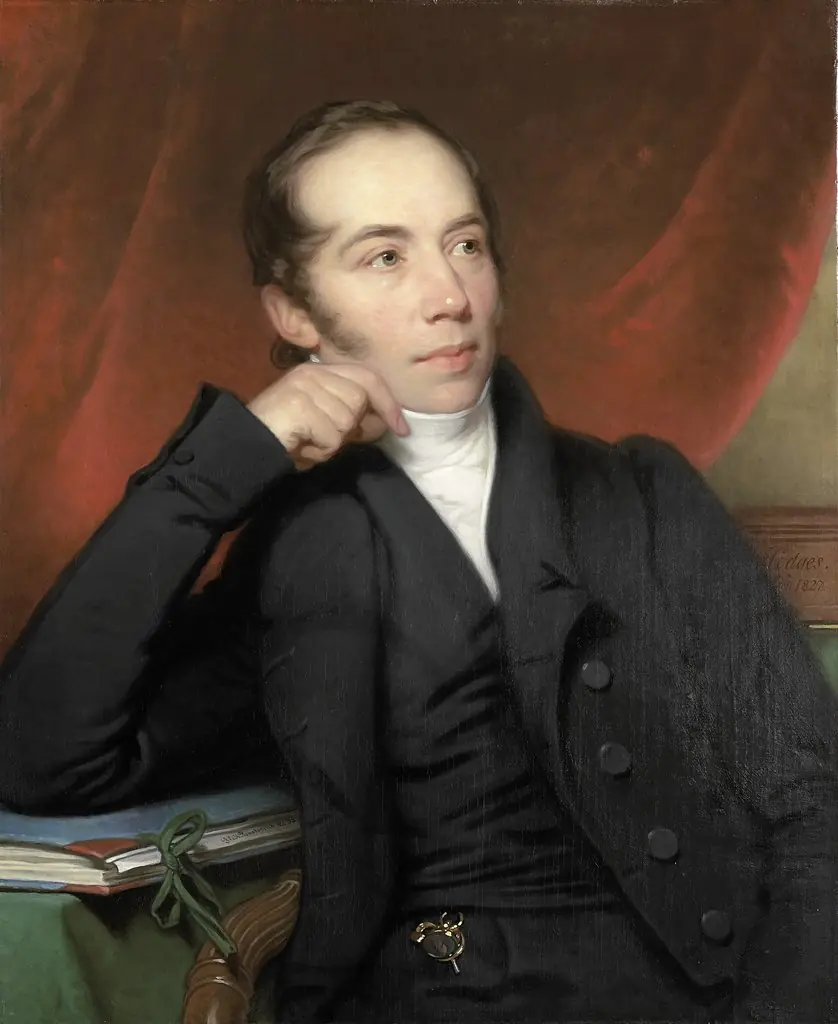 Portrait of Pieter Ernst Hendrik Praetorius, Broker, Draftsman and Painter. Chairman of the Board of the Rijksmuseum 1852-74
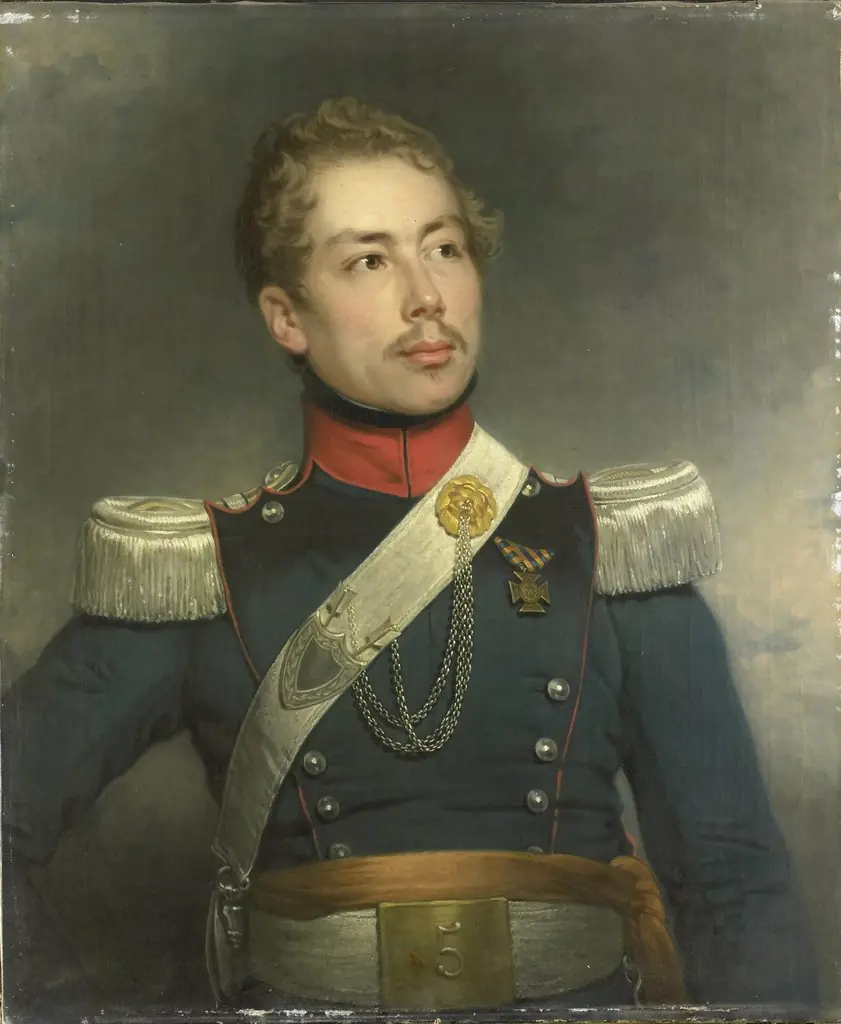 Portrait of Christian Edouard Fraser, Second Lieutenant of the 5th Regiment of the Dragoons
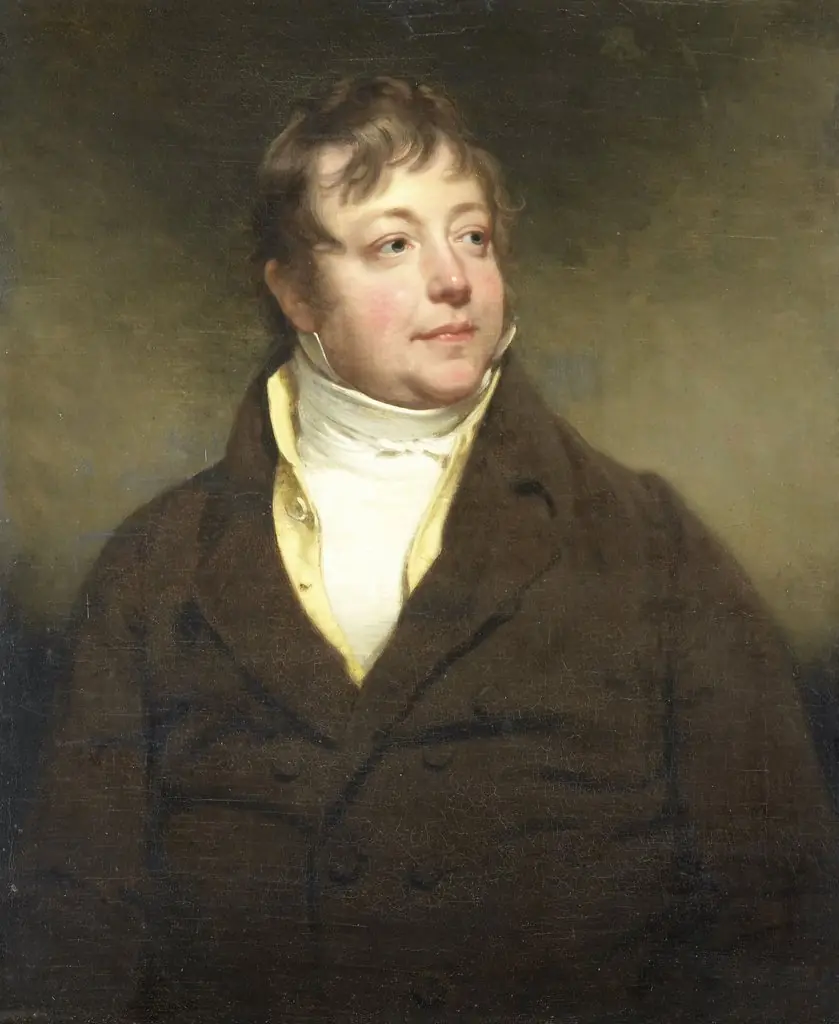 Portrait of a Man, perhaps J.W. Beynen
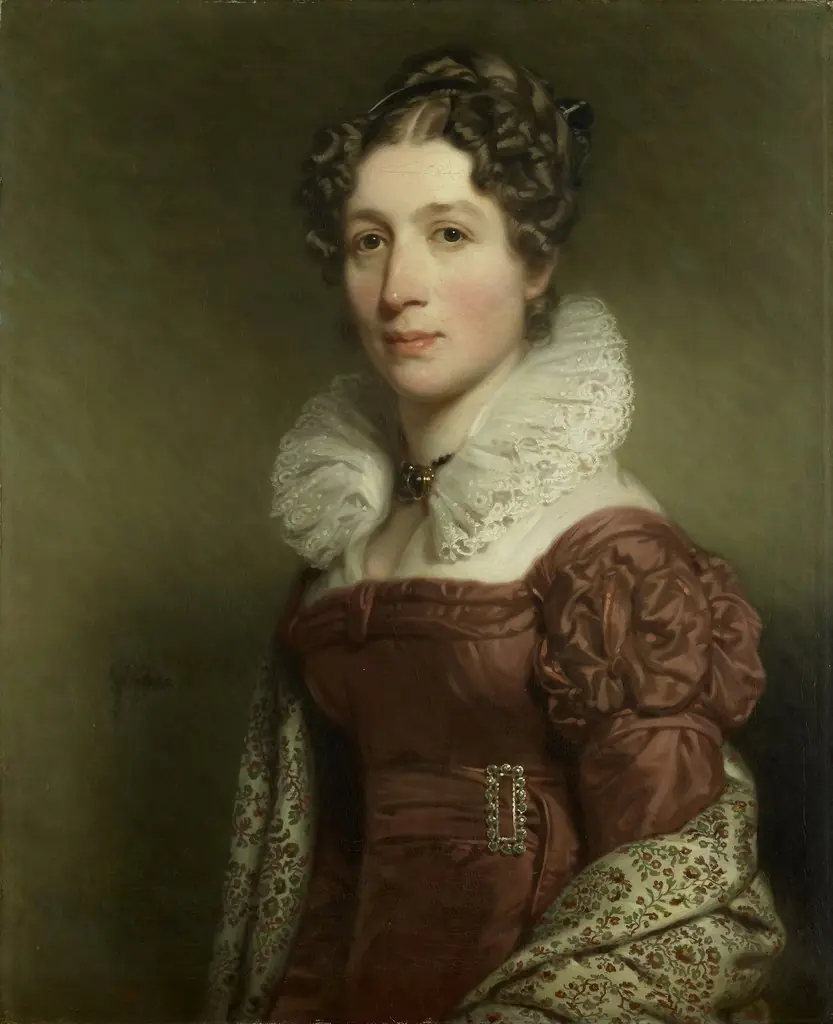 Portrait of Jacoba Vetter, Wife of Pieter Meijer Warnars, Bookseller in Amsterdam