Artwork
Sir John Moore
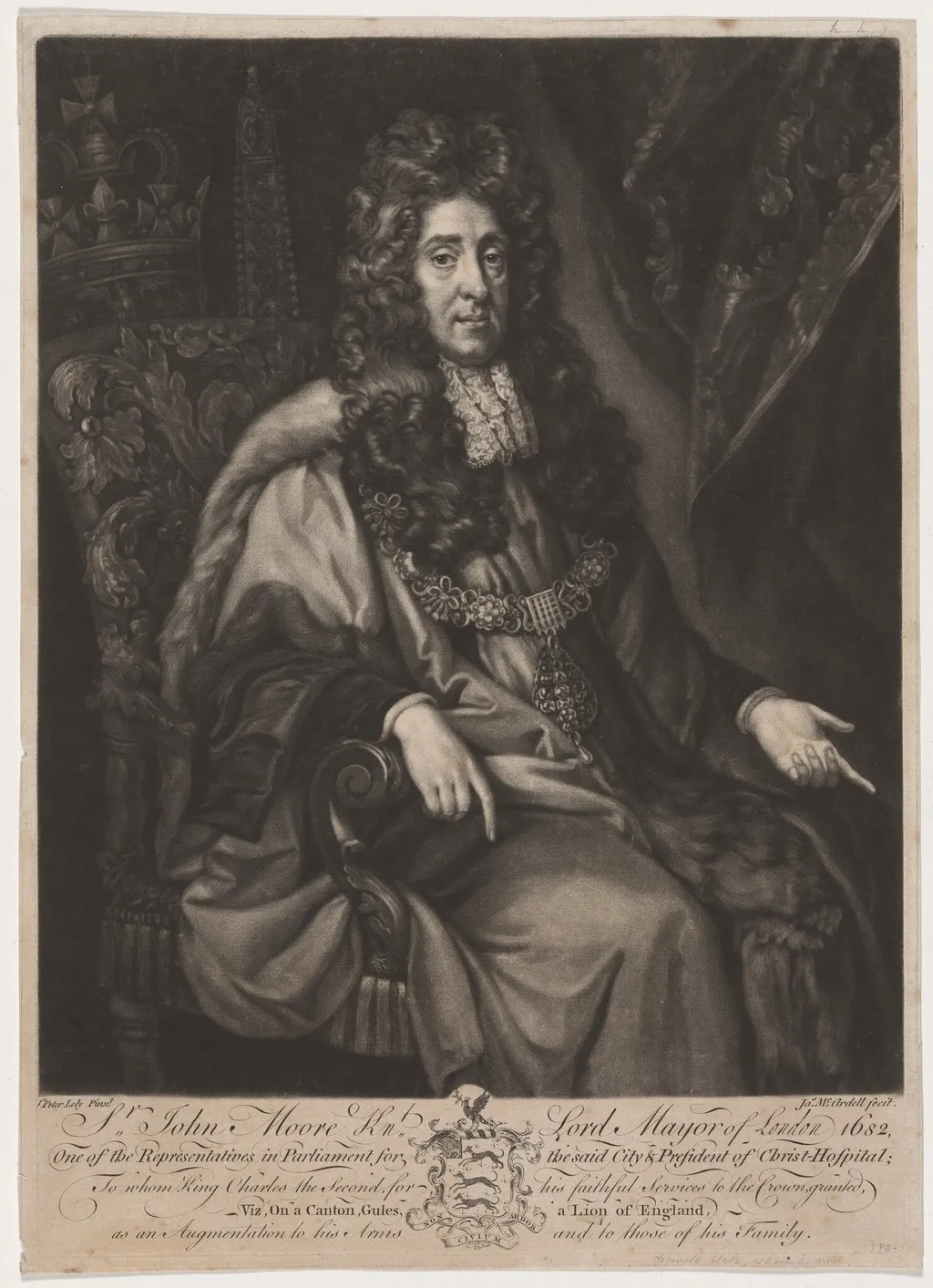
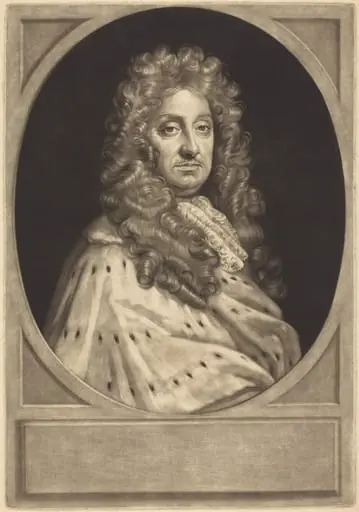
Sir John Moore is an ink print by the Baroque artist James MacArdell. It dates from 1746 and is held in the collection of the National Gallery of Art.
About this work
Overview
Executed as a print, it was likely produced for distribution among elites or institutional use, reflecting Moore’s public role rather than personal intimacy.
This black-and-white engraving depicts Sir John Moore, a prominent civic figure, rendered in fine linear detail by James MacArdell in 1746. The portrait follows the conventions of 18th-century official portraiture, emphasizing status through formal attire and symbolic elements. Executed as a print, it was likely produced for distribution among elites or institutional use, reflecting Moore’s public role rather than personal intimacy.
Subject & Meaning
Sir John Moore is portrayed as Lord Mayor of London, his authority conveyed through regalia: a long coat with lace cuffs, a chain of office, and a powdered wig. His right hand rests on a curved armrest, while the left gestures outward, suggesting deliberation or address. The crown and heraldic shield behind him reinforce his civic dignity, aligning his image with institutional power rather than individual character.
Technique & Style
James MacArdell employed fine-line engraving to render textures with precision—the lace, fabric folds, and metallic chain are meticulously etched into copper. The composition is symmetrical and restrained, typical of portraiture meant for reproduction. Shading is achieved through cross-hatching, not tone, giving the image a crisp, linear clarity suited to the printed medium and its intended audience.
History & Provenance
Created in 1746, the engraving coincided with Moore’s tenure as Lord Mayor, a position of considerable civic influence. It was likely commissioned by the City of London or a related institution to commemorate his service. Surviving impressions suggest it was circulated among officials and subscribers, serving as both a record and a symbol of civic pride during a period of growing urban administration.
Context
In mid-18th century London, engraved portraits of civic leaders were common tools for reinforcing social hierarchy and institutional legitimacy. Moore’s image aligns with a broader tradition of using print to disseminate the authority of elected officials. The inclusion of heraldic elements reflects the blending of aristocratic and municipal identity, a feature of London’s governance at the time.
Legacy
The engraving remains a documented artifact of London’s civic culture in the 1740s. While not widely known today outside archival circles, it contributes to the visual record of how public office was represented in print. Its survival in institutional collections underscores its role as a historical document, preserving the aesthetics and protocols of civic portraiture in pre-industrial Britain.
Artist & collection

 John Hay, Earl of Tweeddale
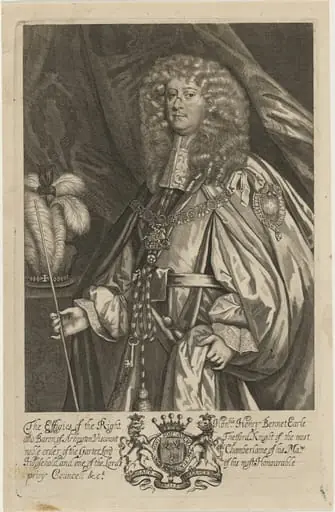 Henry Bennett, Earl of Arlington
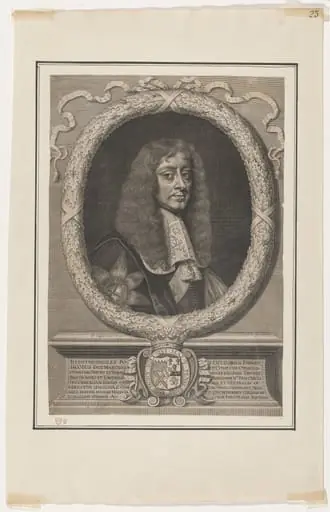 James Butler, First Duke of Ormonde
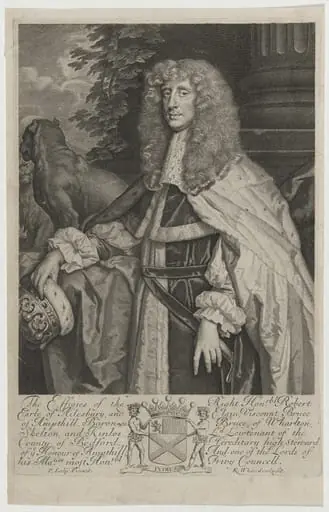 Robert Bruce, First Earl of Arlesbury
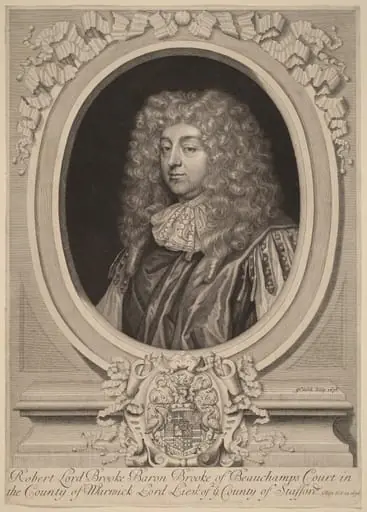 Robert Greville, Lord Brooke
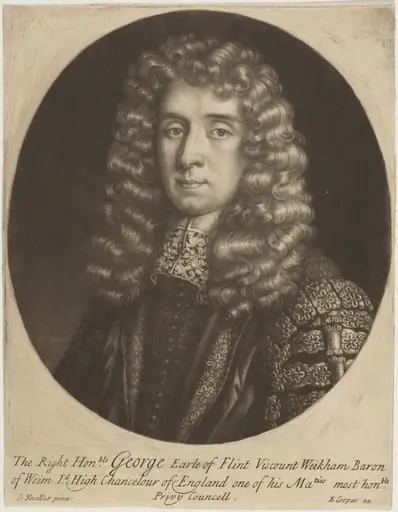 George Jeffreys, Earl of Flint, Viscount Weikham
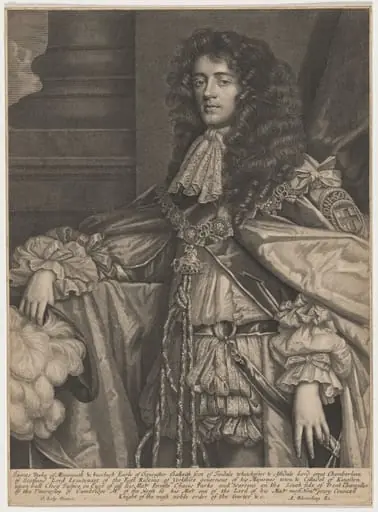 James, Duke of Monmouth and Buccleuch
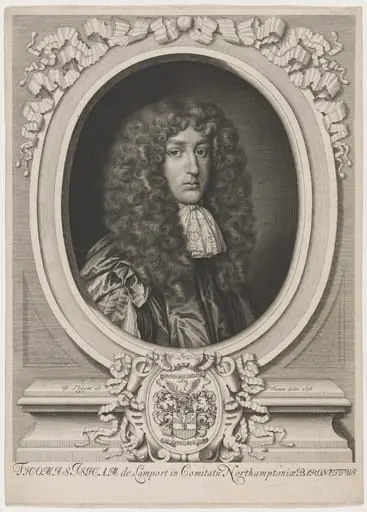 Sir Thomas Isham
 Sir Thomas Isham
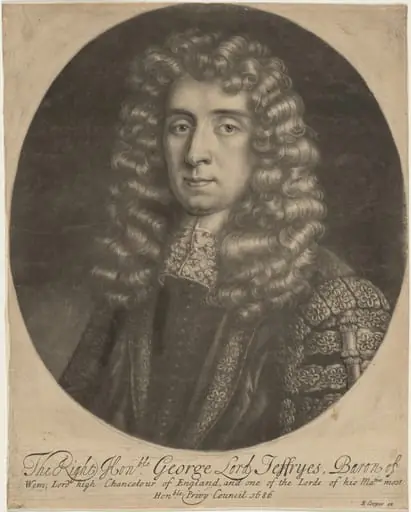 George, Lord Jeffreys
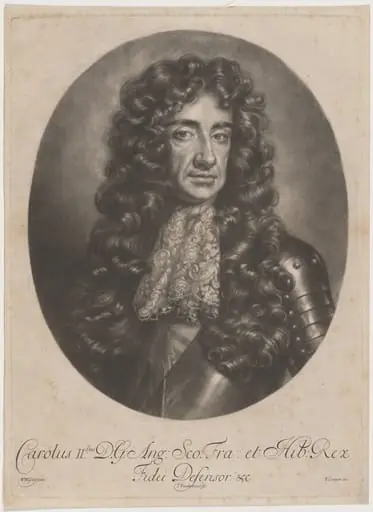 Charles II
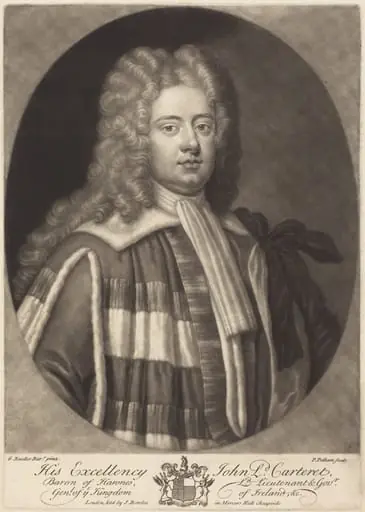 John, Lord Carteret