Artwork
Ecurie (El Establo)
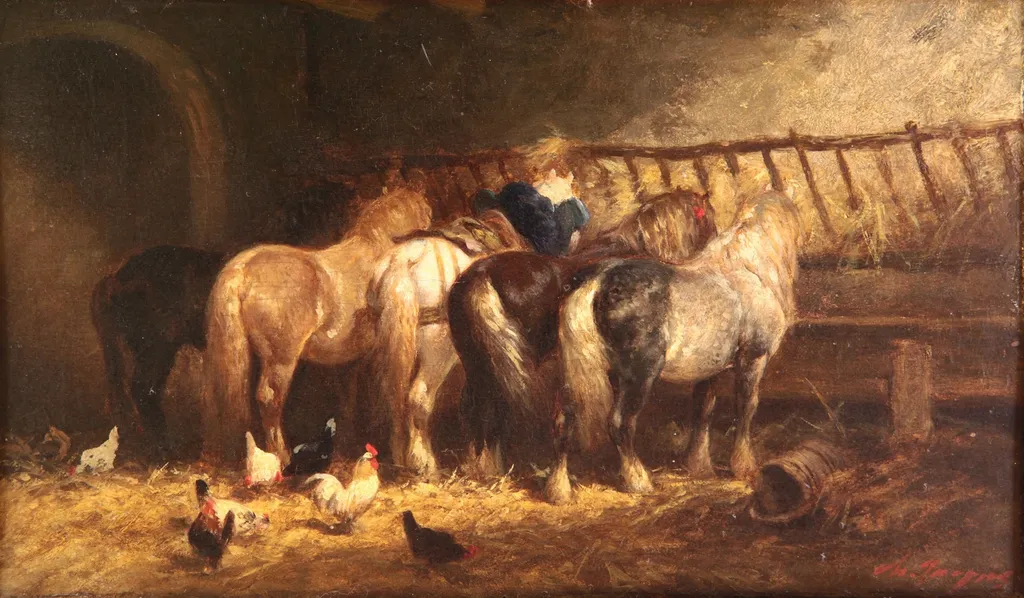
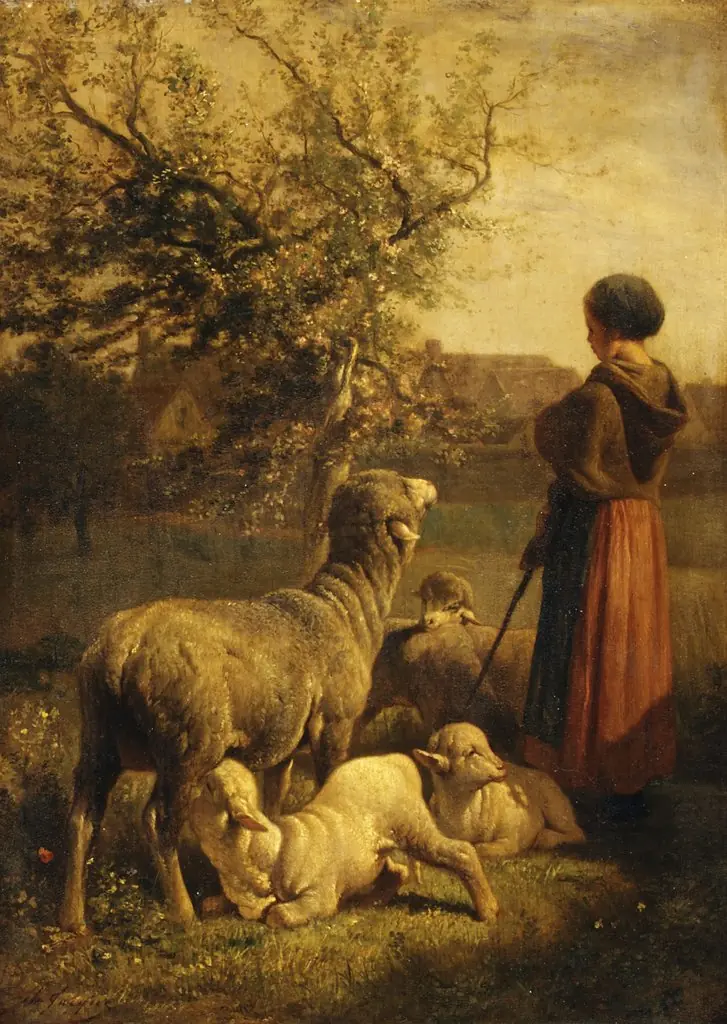
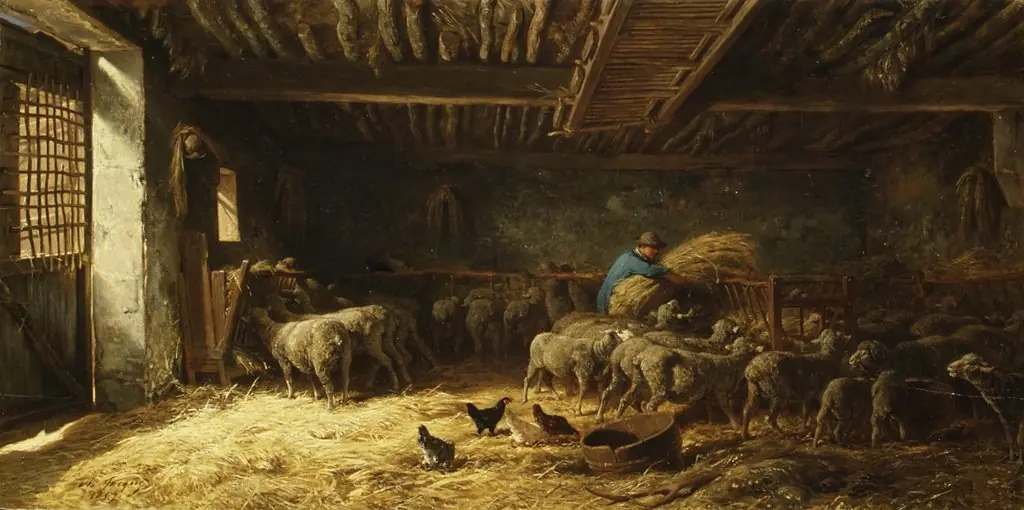
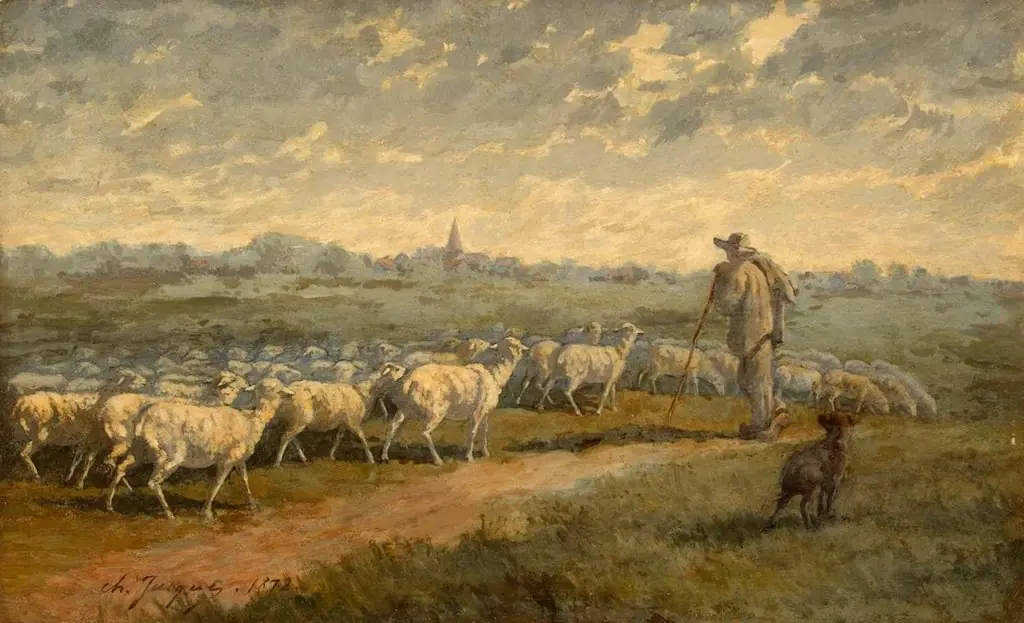
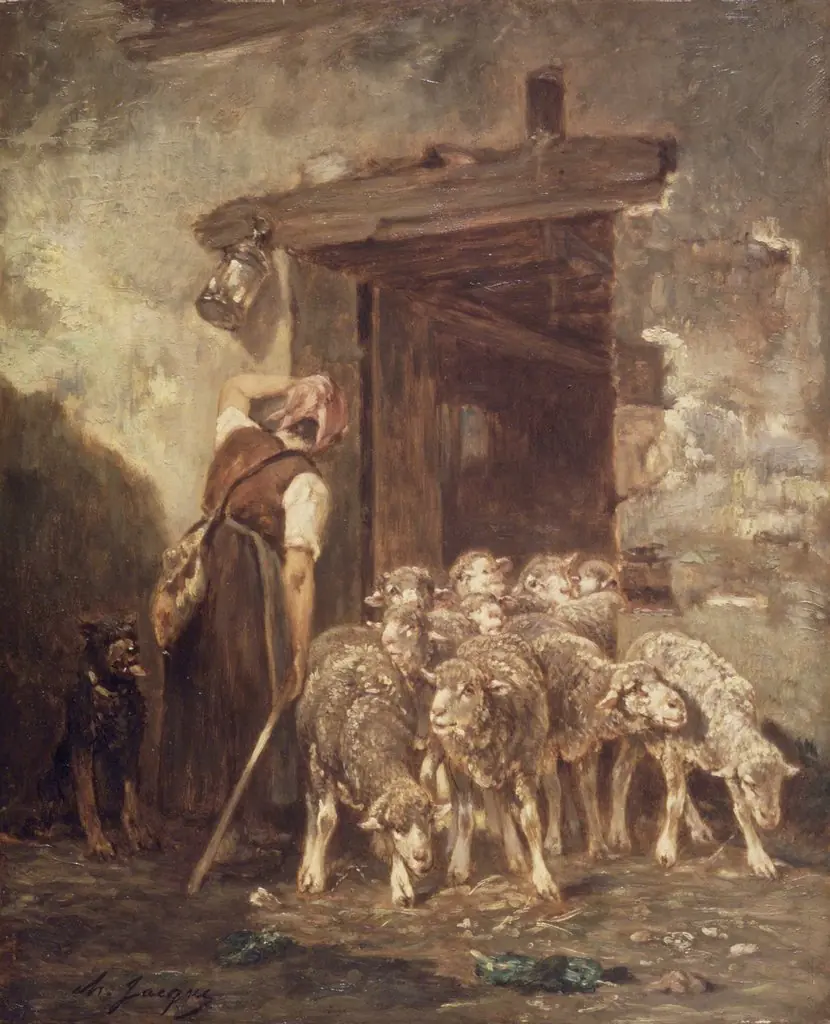
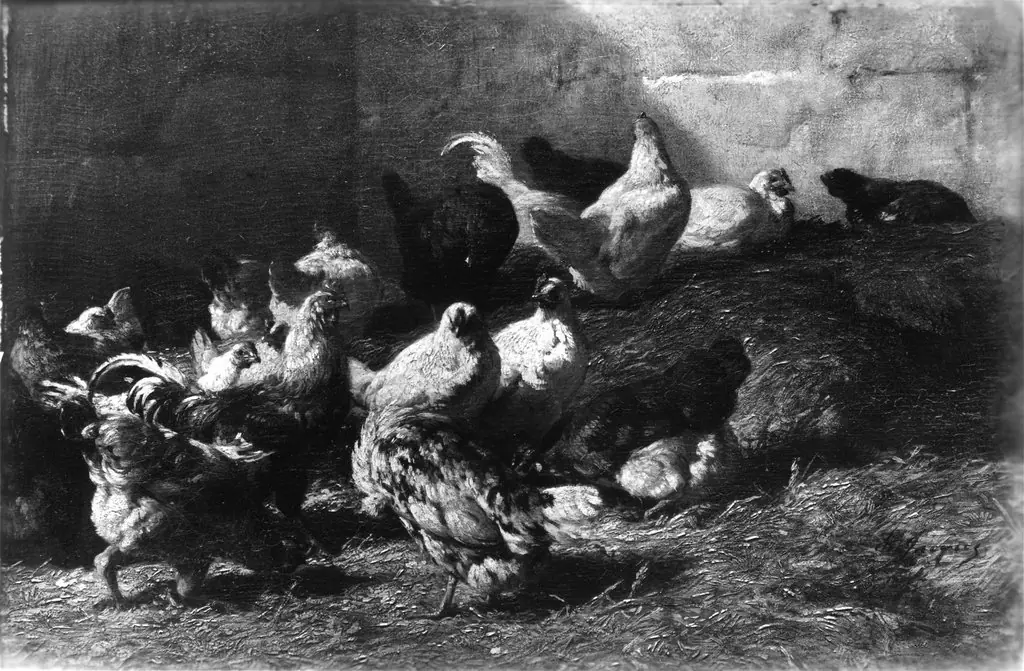
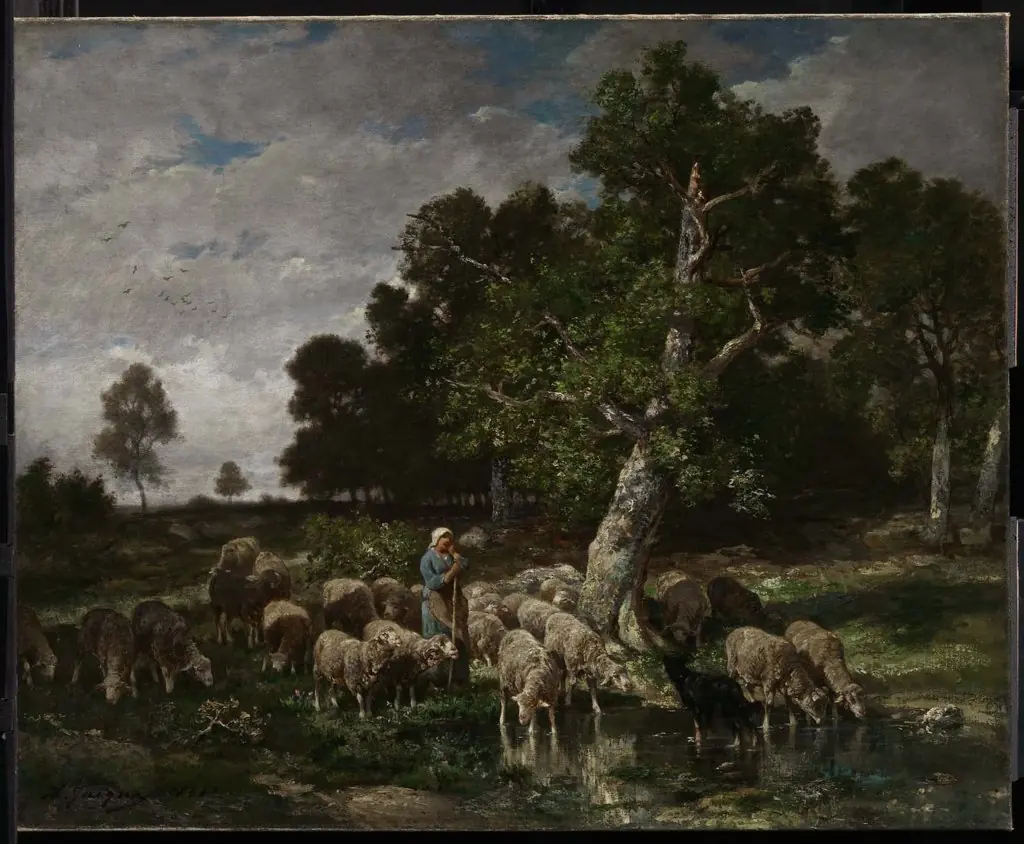
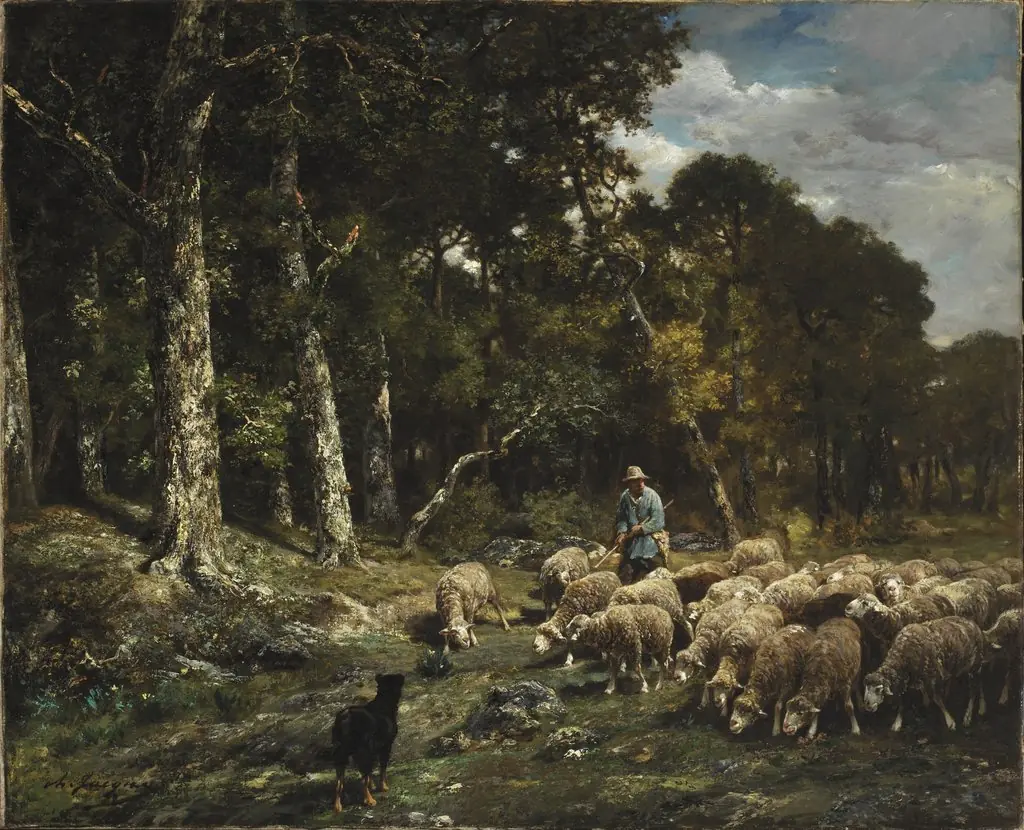
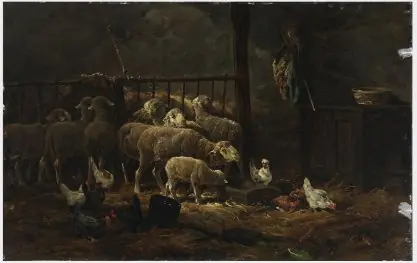
Ecurie (El Establo) is an unspecified painting by the Barbizon school artist Charles Jacque. It dates from 1863 and is held in the collection of the National Museum of Fine Arts, Argentina.
About this work
Overview
It is now part of the National Museum of Fine Arts in Buenos Aires, reflecting its international recognition beyond its French origins.
Charles Jacque, a French artist linked to the Barbizon School, produced *Ecurie (El Establo)* around 1863. Known for his depictions of rural life and printmaking, Jacque brought a quiet realism to pastoral subjects. This oil painting captures an intimate moment within a stable, emphasizing the harmony between humans and animals. It is now part of the National Museum of Fine Arts in Buenos Aires, reflecting its international recognition beyond its French origins.
Subject & Meaning
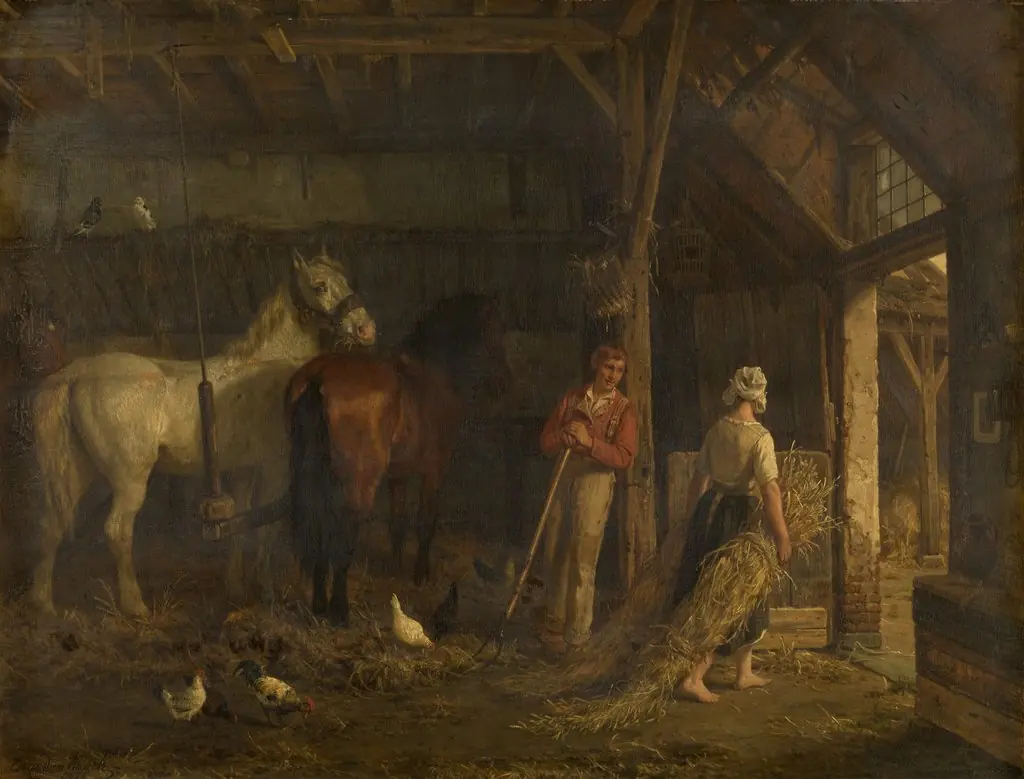
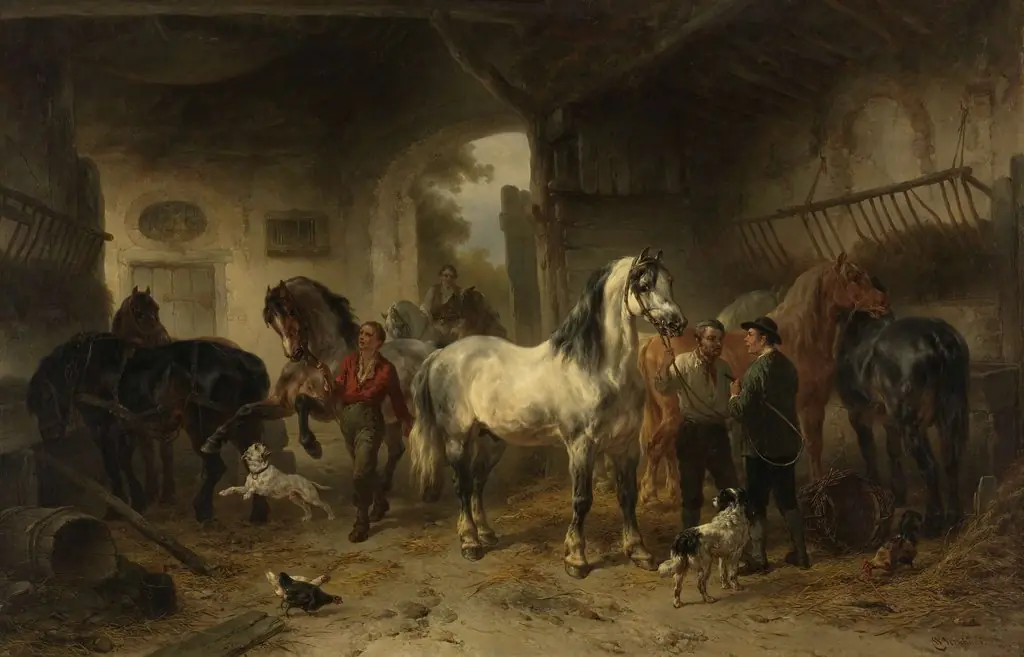
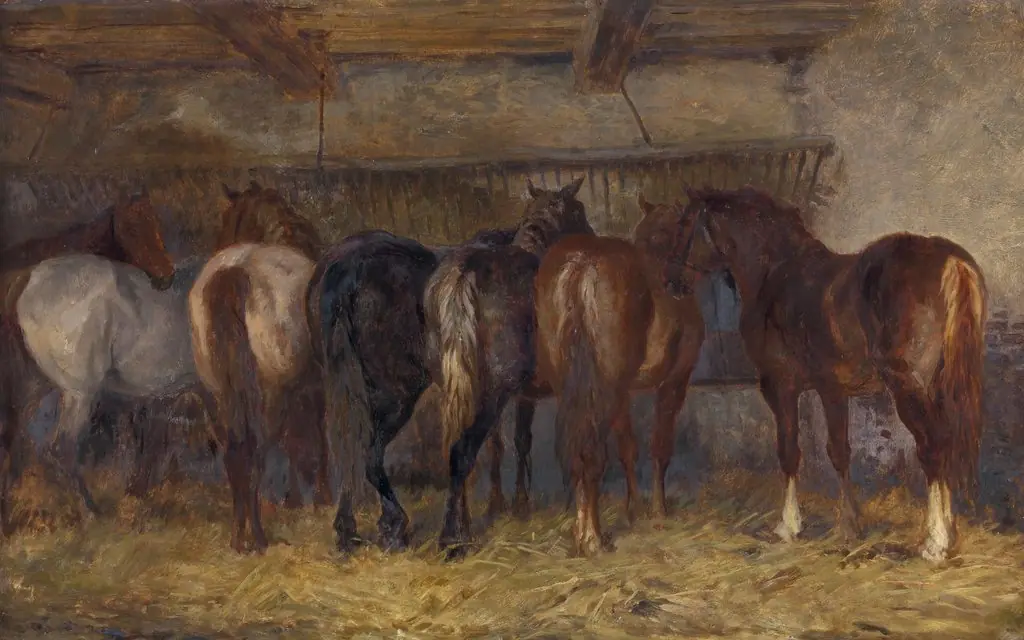
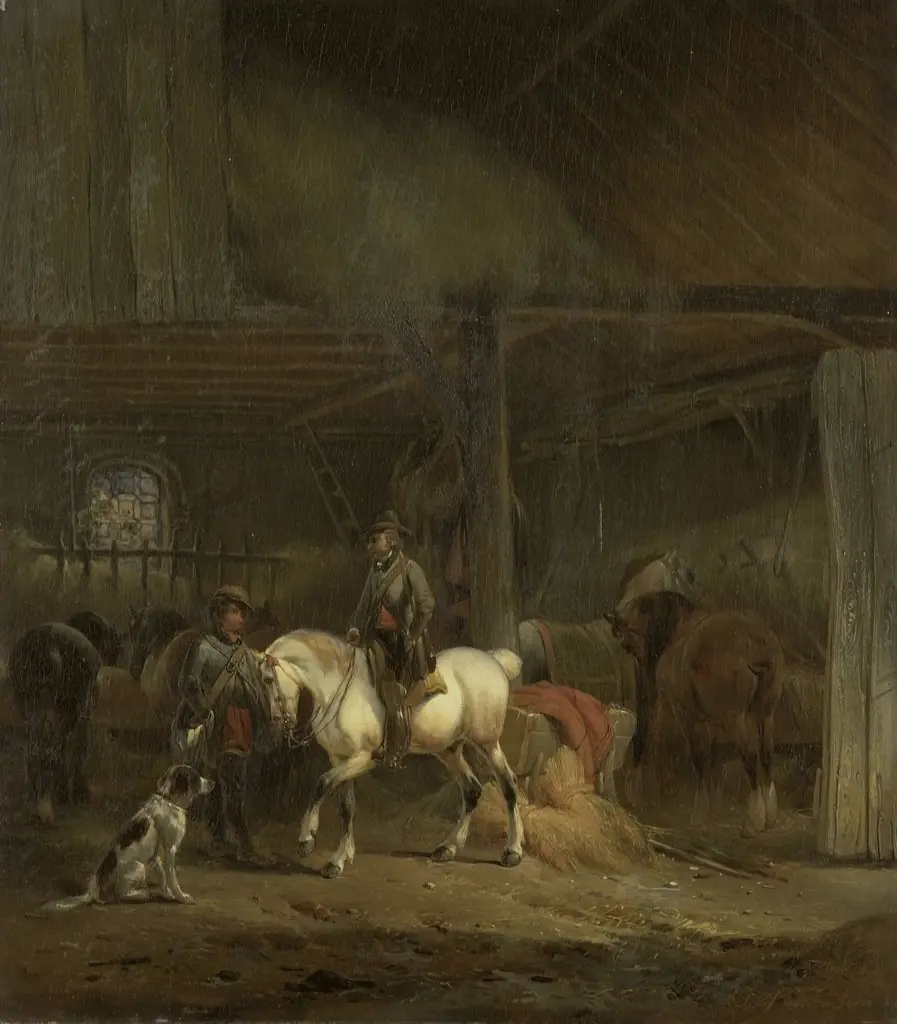
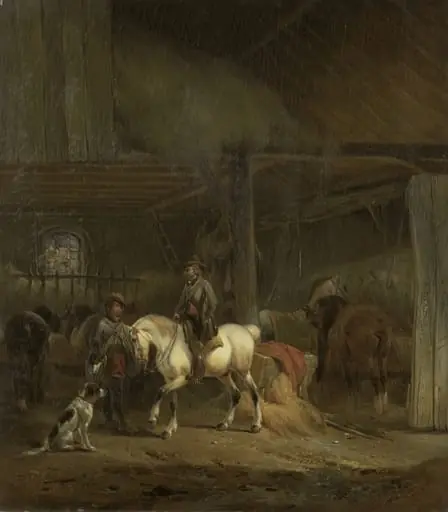
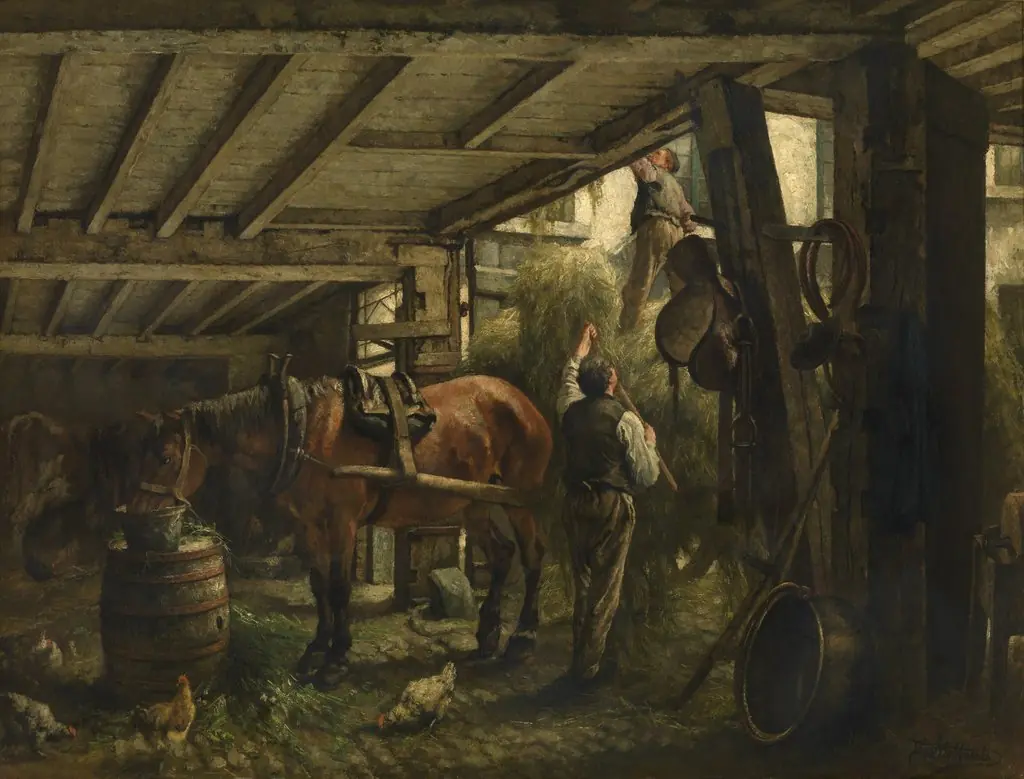
The painting portrays a woman in dark clothing tending to a group of horses within a modest barn. Her calm demeanor and the horses’ relaxed postures suggest a routine of care rather than labor. The scene avoids idealization, presenting rural existence as grounded and unembellished. The focus on daily animal husbandry underscores the Barbizon interest in authentic, unromanticized peasant life, valuing quiet dignity over dramatic narrative.
Technique & Style
Jacque employed soft, warm tones and diffused light to create a sense of enclosed serenity. Brushwork is restrained, with attention to texture in the hay, wood, and animal coats. The composition centers the figure amid the horses, guiding the eye through subtle directional gazes and spatial depth. His background in engraving informs the precision of form and tonal gradation, lending clarity without sharpness, characteristic of Barbizon’s naturalistic approach.
History & Provenance
Jacque served seven years in the French Army, where he developed his engraving skills through cartographic work—an influence visible in his structured compositions. *Ecurie (El Establo)* was painted in the early 1860s, during the height of the Barbizon movement. The painting entered the collection of the National Museum of Fine Arts in Buenos Aires in the 20th century, likely through acquisition or donation, marking its presence in Latin American institutional collections.
Context
Created during a period when French artists increasingly turned from historical and mythological themes to everyday rural scenes, this work aligns with the Barbizon School’s rejection of academic idealism. Jacque’s focus on livestock and farmsteads paralleled broader societal shifts toward documenting agricultural life. His choice of subject, alongside contemporaries like Millet and Daubigny, contributed to a new visual language grounded in observation rather than invention.
Legacy
Jacque’s work, including *Ecurie (El Establo)*, helped establish the legitimacy of rural subjects in fine art. Though less widely known than some of his peers, his precise rendering of animals and quiet domestic scenes influenced later realist and regionalist painters. The painting’s presence in Buenos Aires highlights the transnational reach of 19th-century French art, demonstrating how Barbizon ideals resonated beyond Europe.
Artist & collection
Artist
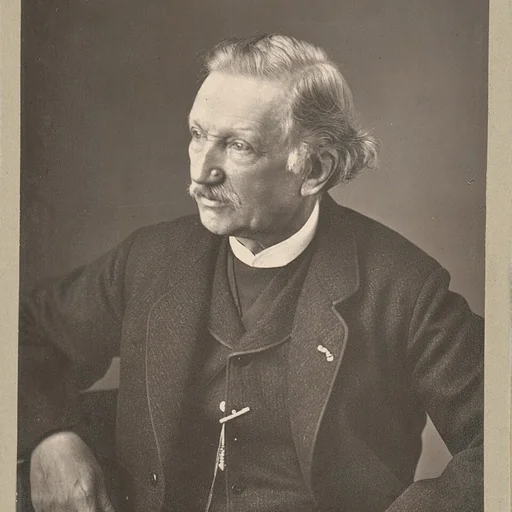
Charles-Émile Jacque (23 May 1813 – 7 May 1894) was a French painter of Pastoralism and engraver who was, with Jean-François Millet, part of the Barbizon School. He first learned to engrave maps when he spent seven years in the French Army.

Museum
National Museum of Fine Arts, Argentina
Continue through works from the same source collection.