Artwork
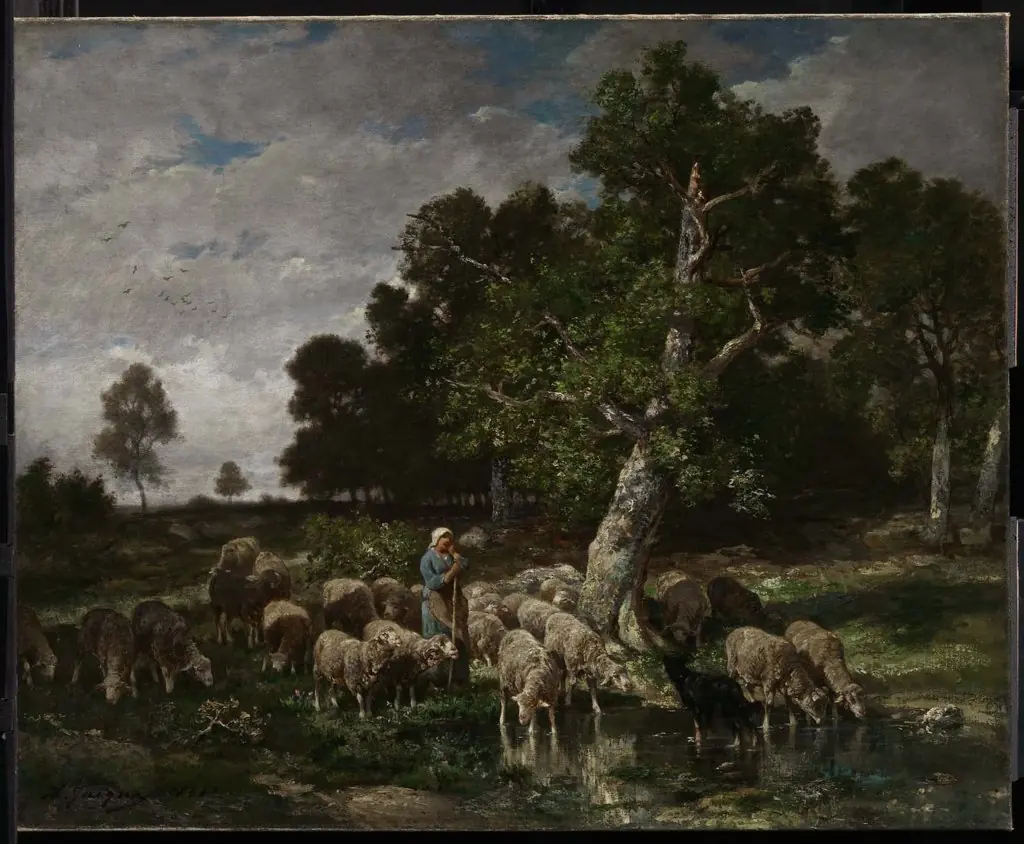
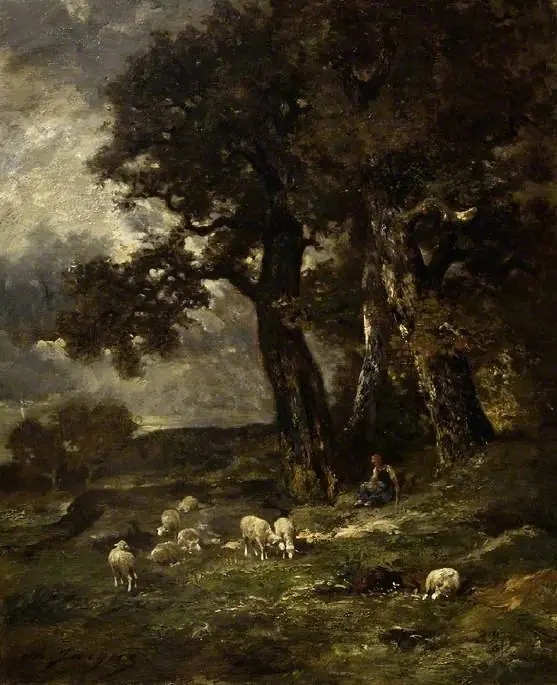
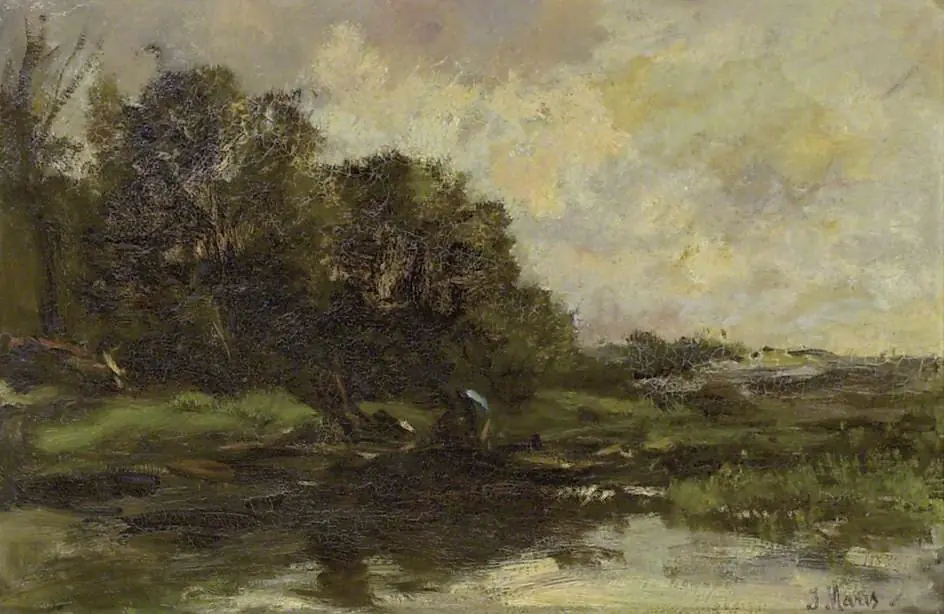
Shepherdess watering her Flocks
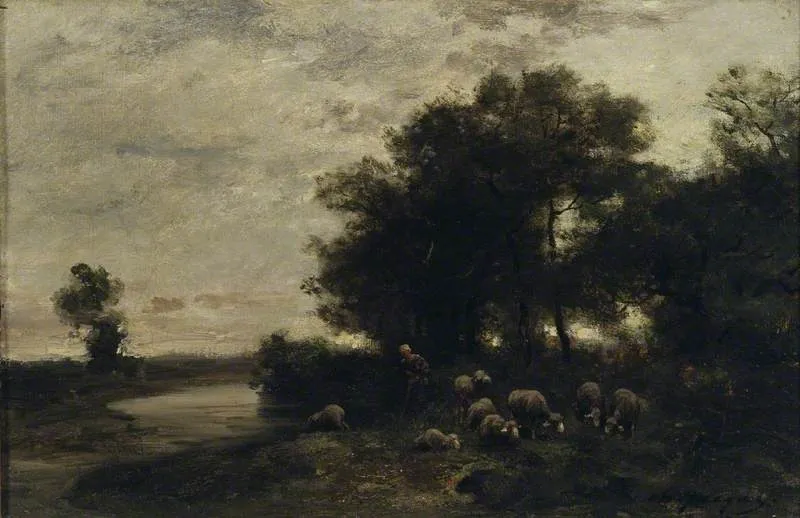
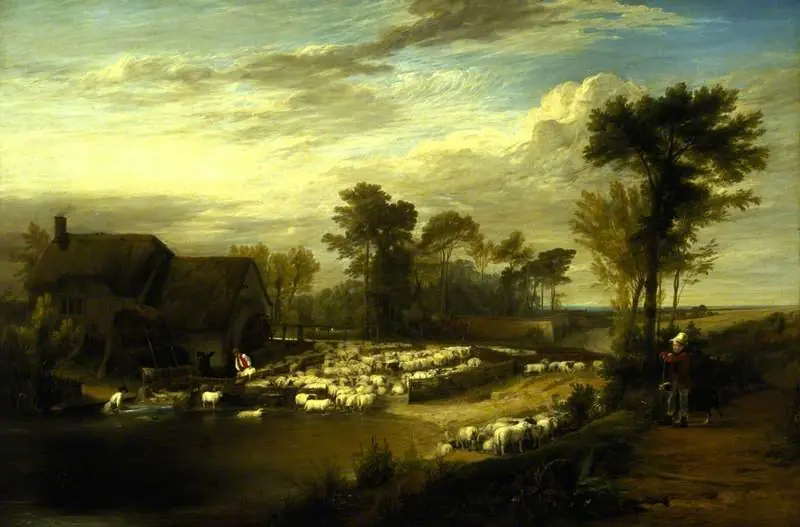
Shepherdess watering her Flocks is an oil painting by the Realist artist Charles Jacque. It dates from 1855 and is held in the collection of the Ashmolean Museum.
About this work
Overview
Shepherdess watering her Flocks is an 1855 oil painting by Charles Jacque, a French artist linked to the Barbizon School and Realist movement, known for depicting rural life.
Subject & Meaning
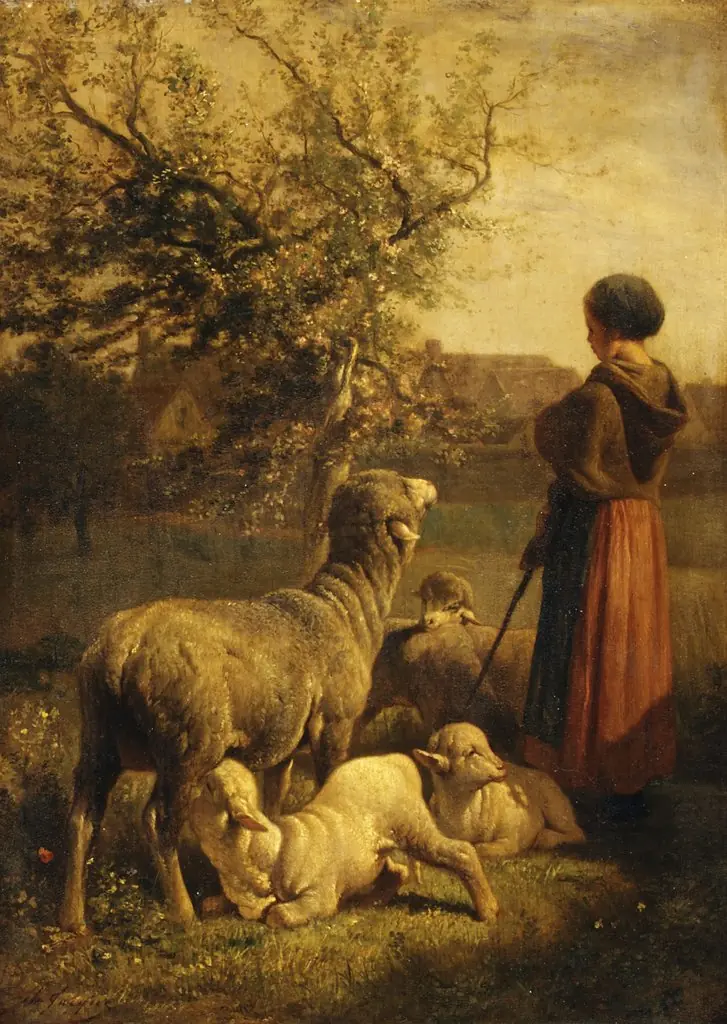
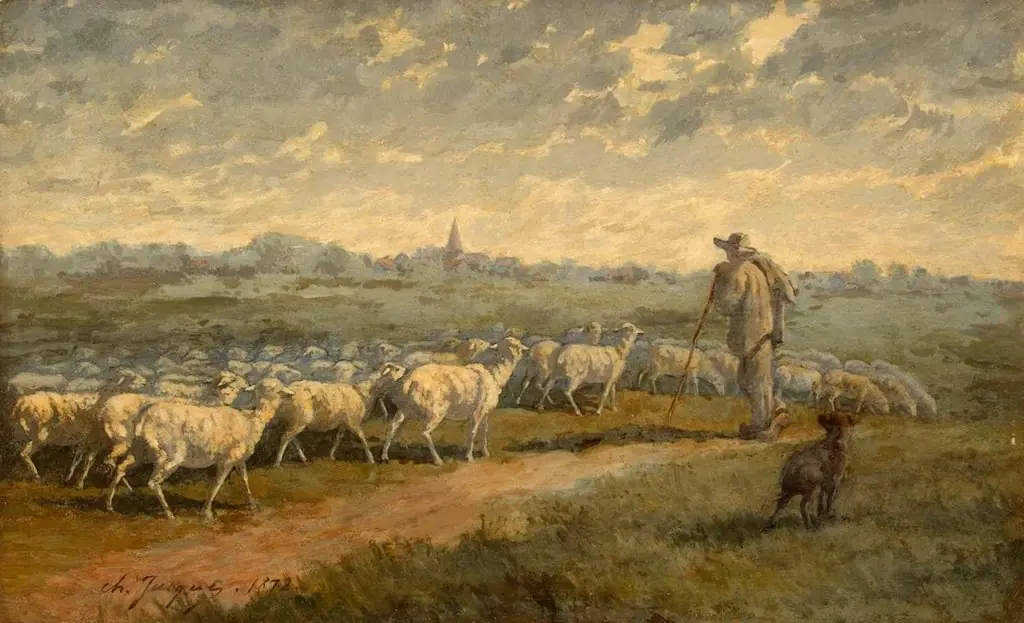
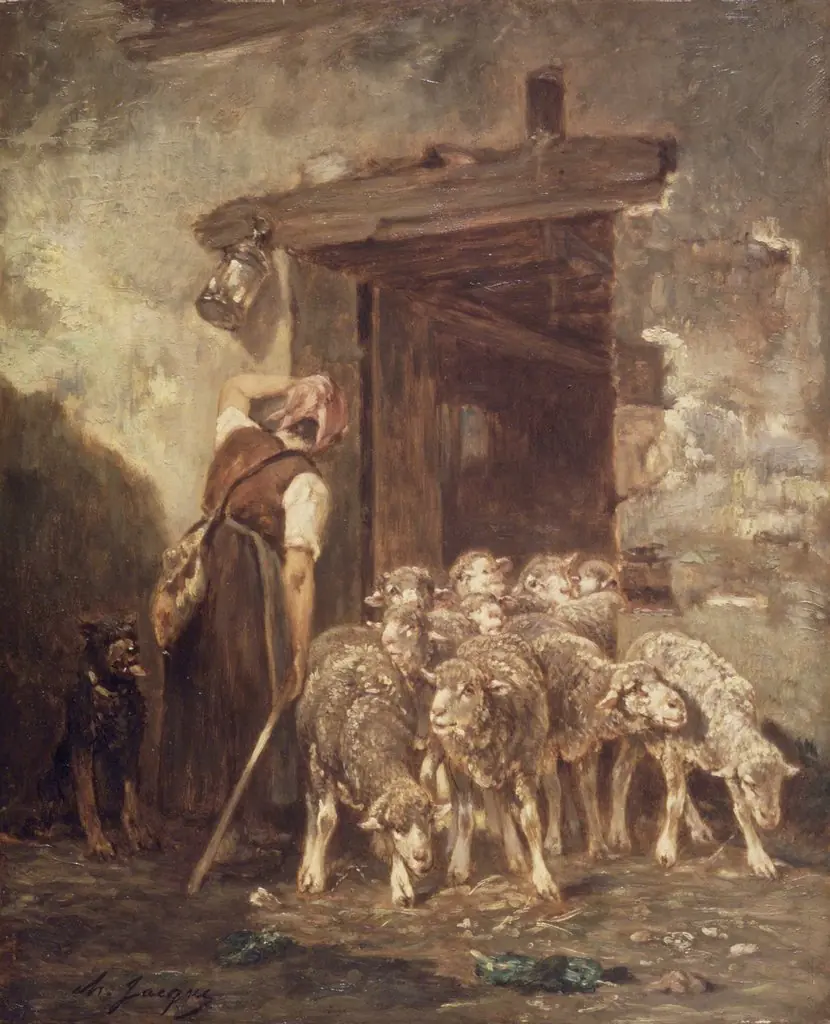
The painting portrays a serene pastoral scene of a shepherdess watering her flock from a stream, surrounded by lush greenery and trees, set against a cloudy sky, evoking a peaceful atmosphere.
Technique & Style
Jacque employed chiaroscuro, a strong contrast between light and dark, to add depth and dimension, focusing the viewer’s attention on the central figures.
History & Provenance
Created in 1855, the work is now part of the Ashmolean Museum’s collection, reflecting Jacque’s association with the Barbizon School and Realist emphasis on everyday life.
Context
Jacque’s work, including this piece, was influenced by his association with Jean-François Millet and the broader Barbizon School, emphasizing the beauty of ordinary rural scenes.
Legacy
While specific lasting impacts of *Shepherdess watering her Flocks* are not detailed, it contributes to Jacque’s reputation for serene, realistically depicted pastoral landscapes within the Realist movement.
Artist & collection
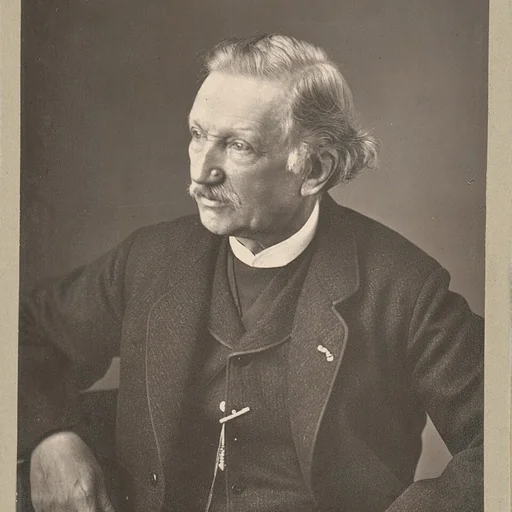
Artist
Charles-Émile Jacque (23 May 1813 – 7 May 1894) was a French painter of Pastoralism and engraver who was, with Jean-François Millet, part of the Barbizon School. He first learned to engrave maps when he spent seven years in the French Army.