Artwork
Retrato de dama
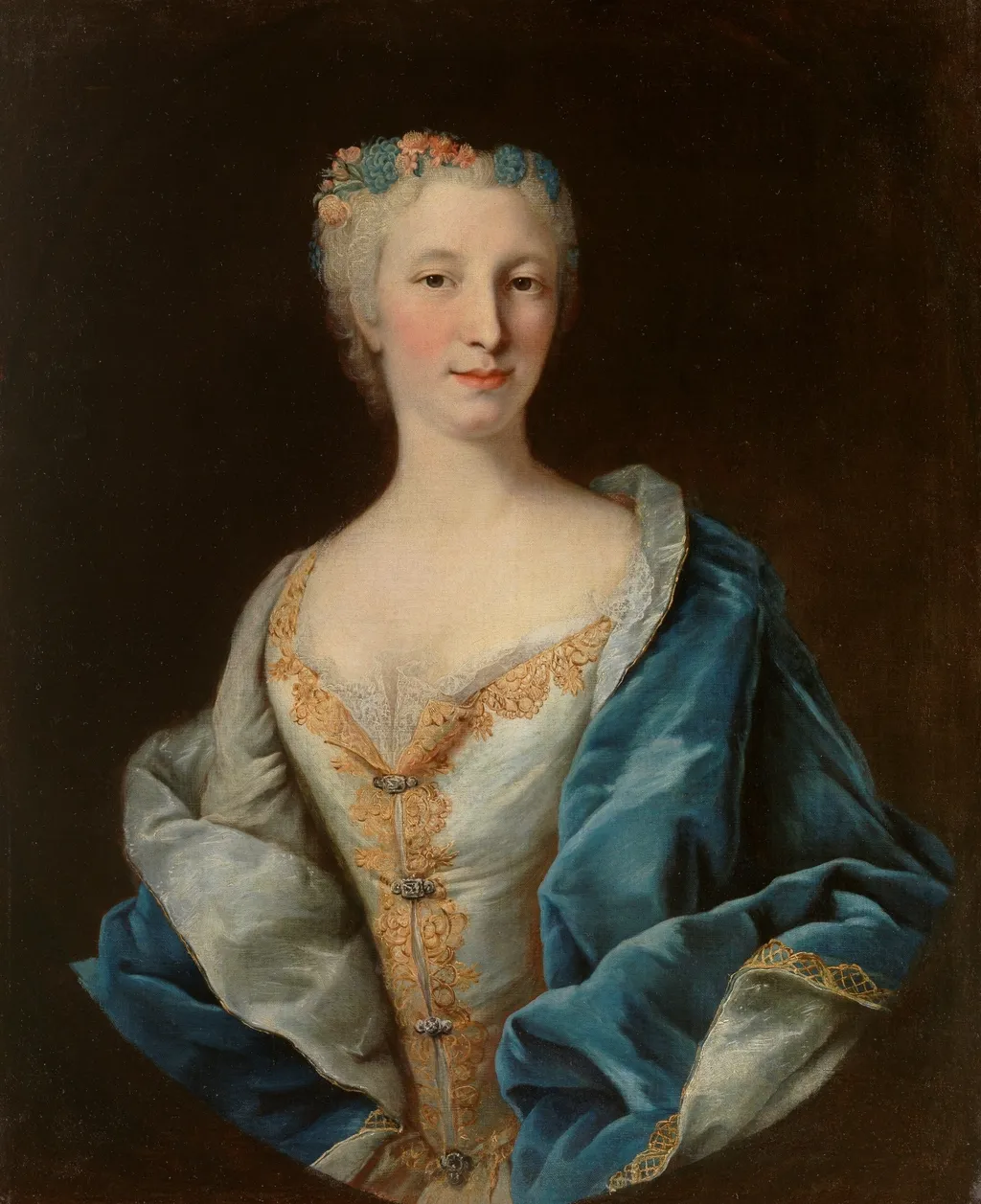
Retrato de dama is an oil painting by the Rococo painting artist Charles Joseph Flipart. It dates from 1701 and is held in the collection of the Museo del Prado.
About this work
Overview
The composition focuses on the sitter’s poised expression and elaborate clothing, rendered with subtle tonal transitions.
This oil painting, attributed to Charles Joseph Flipart and dated to 1701, depicts a noblewoman in formal attire. It resides in the Museo del Prado in Madrid. The composition focuses on the sitter’s poised expression and elaborate clothing, rendered with subtle tonal transitions. The dark, unmodeled background isolates the figure, drawing attention to her features and garments without distraction.
Subject & Meaning
The woman is portrayed in aristocratic dress, suggesting her high social standing. Her pale blue gown, adorned with gold embroidery, and the floral crown in her hair indicate a ceremonial or celebratory context, possibly a portrait commissioned for a special occasion. The gentle smile and composed posture convey dignity and refinement, typical of elite portraiture in early 18th-century Europe.
Technique & Style
Flipart employed a soft, diffused lighting to model the sitter’s skin and fabric, minimizing harsh contrasts while enhancing texture. The delicate rendering of the gown’s embroidery and the smooth gradations in her complexion reflect a refined approach to surface detail. The absence of strong shadows creates a luminous, almost ethereal quality, emphasizing elegance over dramatic intensity.
History & Provenance
The painting entered the collection of the Museo del Prado in the 19th century, likely through royal or state acquisition. Its attribution to Charles Joseph Flipart, a French-born artist active in Spain, aligns with the period’s cross-cultural artistic exchanges. No earlier documented ownership is widely recorded, though its style suggests it was commissioned by a Spanish noble family.
Context
Created during the early 1700s, the portrait reflects the influence of French and Italian courtly aesthetics in Spanish aristocratic circles. Artists like Flipart, trained in Paris and working in Madrid, bridged stylistic traditions. The emphasis on luxurious textiles and serene expression mirrors broader European trends in portraiture, where status was communicated through dress and composure rather than narrative.
Legacy
Though not widely exhibited outside Spain, the portrait remains a representative example of early 18th-century Spanish portraiture. It illustrates the quiet sophistication favored by noble patrons and the technical skill of itinerant artists who served the Spanish court. Its preservation in the Prado ensures continued study of regional artistic practices during a period of cultural transition.
Own this work as a print
Artist & collection



 Portrait of a Lady
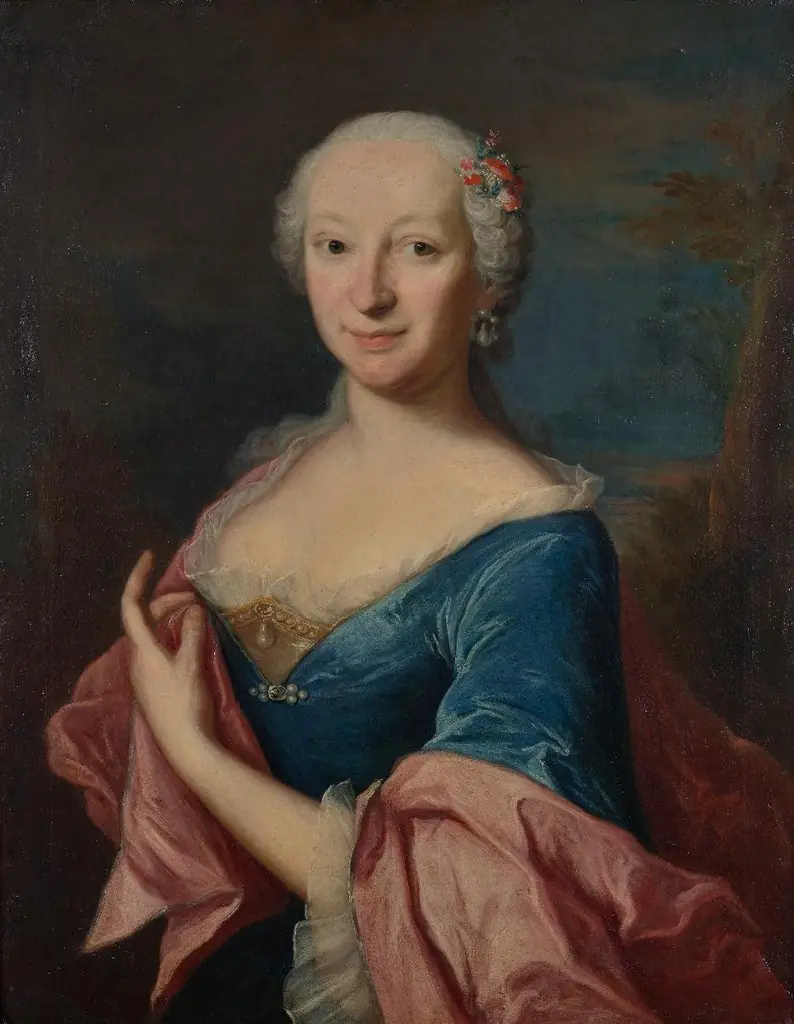 Bildnis Frau Regula Ott
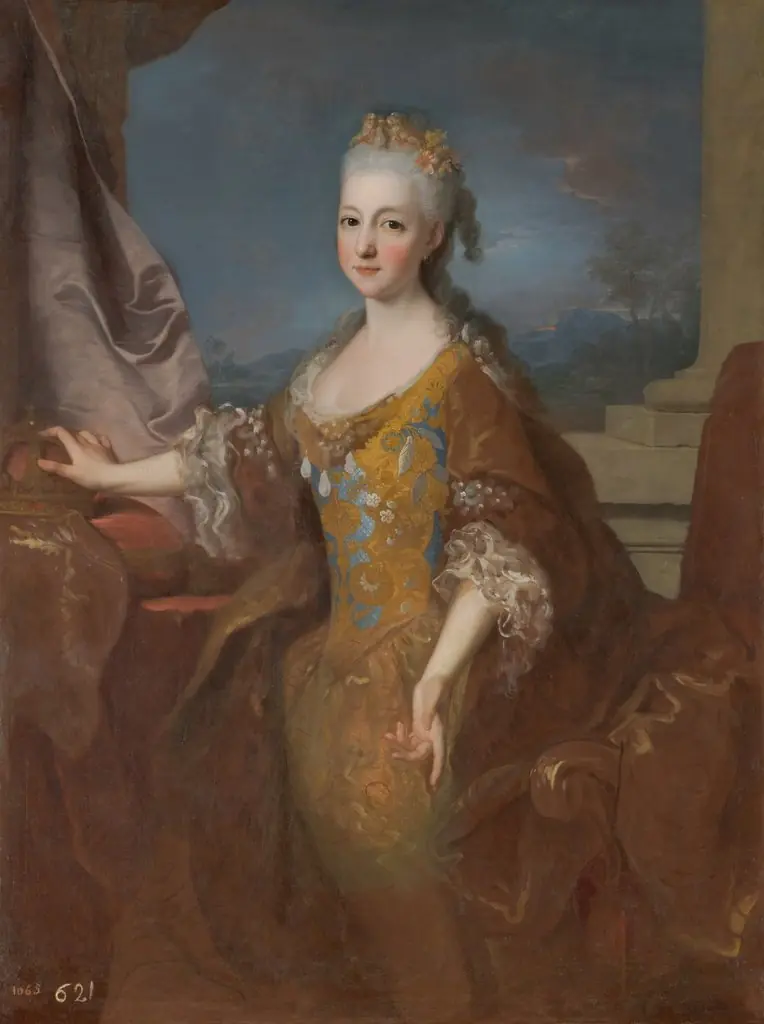 Portrait of Louise Élisabeth d'Orléans, Queen of Spain (1709-1742)
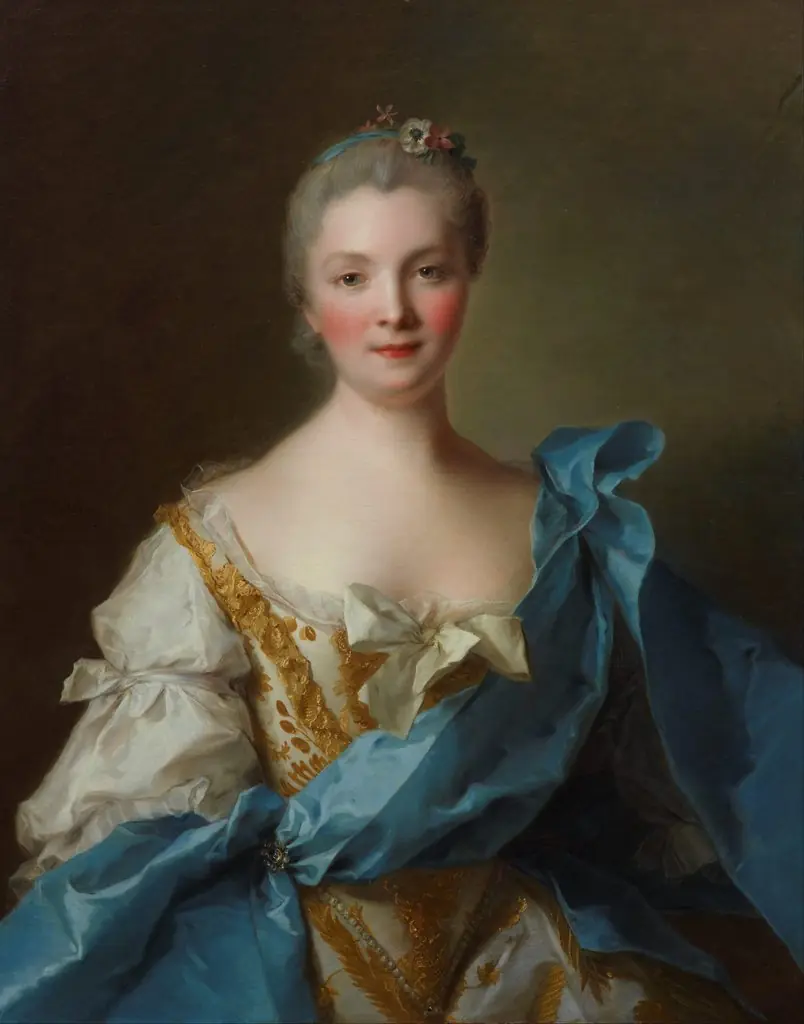 Madame de La Porte
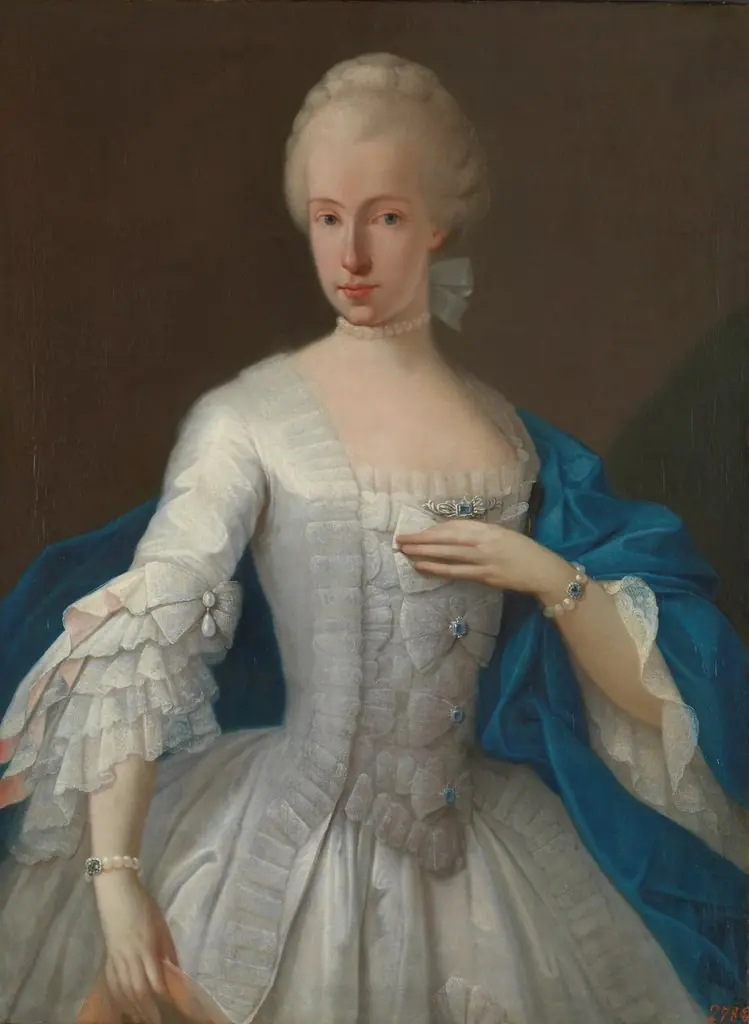 María Luisa de Borbón y Sajonia
 Portrait of a Young Woman
 Portrait of Claudine van Royen (born 1712), Wife of Pieter Teding van Berkhout
 Anna Dorothea Amiga
 Portrait of Countess Yekaterina P. Stroganova (1744-1815) (copy)
 Maria Charlotta Silfverstjerna
 Portrait of Maria Amalia Fryderyka Mniszech née Brühl (1737–1772)
 Portrait of Ludwika Amalia Lubomirska (1722–1778)