Artwork
Regency Brighton; houses on Marine Parade and Sussex Square
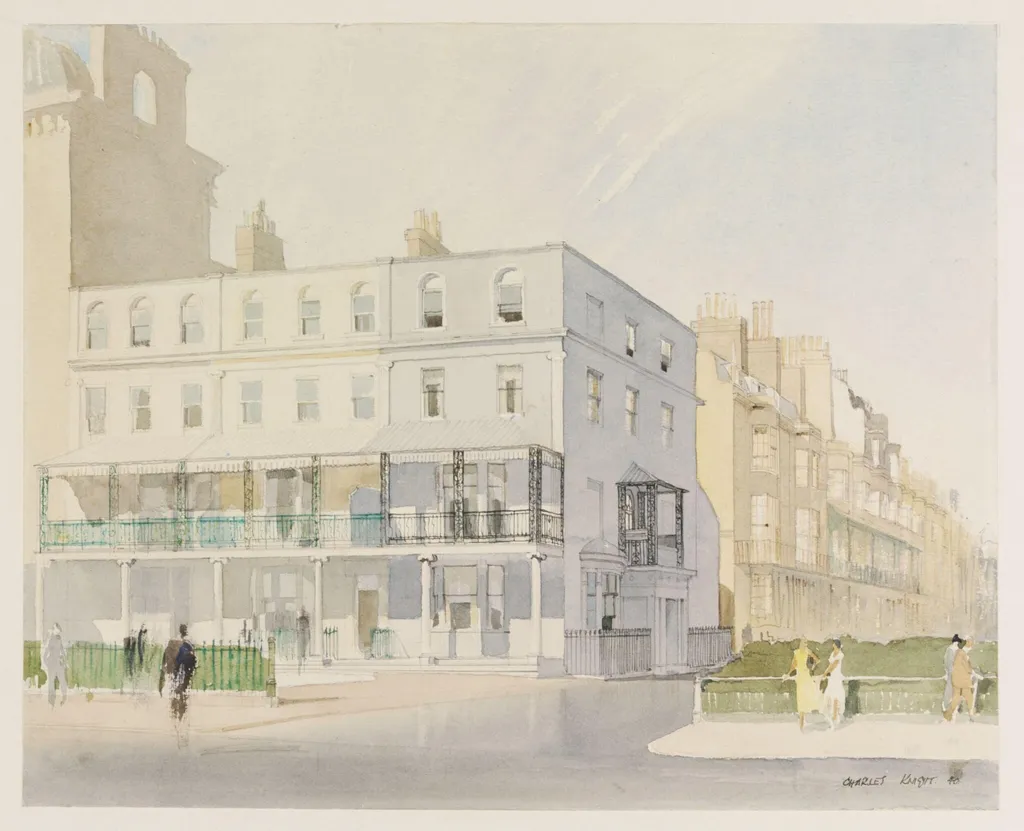
Regency Brighton; houses on Marine Parade and Sussex Square is a watercolor work on paper by the British Romanticist artist Charles Knight. It dates from 1940 and is held in the collection of the Victoria and Albert Museum.
About this work
Overview
Charles Knight’s watercolour, created in 1940, captures a stretch of Brighton’s Marine Parade and Sussex Square during the Second World War.
Charles Knight’s watercolour, created in 1940, captures a stretch of Brighton’s Marine Parade and Sussex Square during the Second World War. Commissioned by the Recording Britain project, the work was one of over 1,500 pieces produced under the Pilgrim Trust’s initiative to visually archive Britain’s architectural landscape amid wartime threats. Knight’s contribution reflects a deliberate effort to preserve scenes deemed at risk from bombing or urban change.
Subject & Meaning
The scene portrays a quiet residential street lined with Regency-era terraced houses, their facades rendered with careful attention to proportion and detail. Figures strolling along the pavement introduce a subtle sense of daily life, grounding the architecture in human presence. The choice of location—once a fashionable seaside resort—hints at the enduring cultural value of such spaces, even as the nation faced upheaval.
Technique & Style
Knight employed a restrained palette of soft blues, pale yellows, and muted greys to convey the coastal atmosphere. Delicate washes suggest sunlight filtering across the buildings, while fine linework defines architectural features like railings and window frames. The watercolour medium allows for transparency and subtle gradations, enhancing the calm, contemplative mood without overt drama or emphasis.
History & Provenance
The painting was produced under the auspices of the Committee for the Employment of Artists in Wartime, a scheme initiated by Sir Kenneth Clark to support artists while documenting national heritage. It entered the Victoria and Albert Museum’s collection as part of the Recording Britain archive, where it remains accessible as a historical record rather than a commercial artwork.
Context
During the early 1940s, Britain faced widespread destruction and rapid modernization. The Recording Britain project responded to fears that historic towns and vernacular buildings might vanish. Knight’s depiction of Brighton—a coastal town with growing tourism and development pressures—aligns with the initiative’s mission to capture places that embodied a vanishing sense of place and tradition.
Legacy
The work endures as part of a significant visual archive that shaped postwar attitudes toward heritage conservation. While not widely exhibited outside institutional settings, Knight’s watercolour contributes to a collective record of Britain’s architectural identity during a time of crisis. It remains a quiet testament to the value of observation in the face of uncertainty.
Artist & collection

Artist
Charles Knight was a British landscape painter and stained-glass artist, best remembered for his watercolour paintings of the landscapes of Sussex.

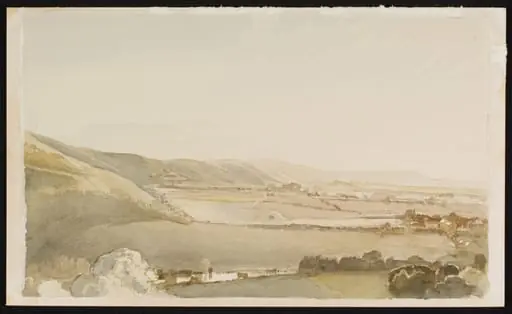 The Southdown, Underhill Road: Westwards from Poynings
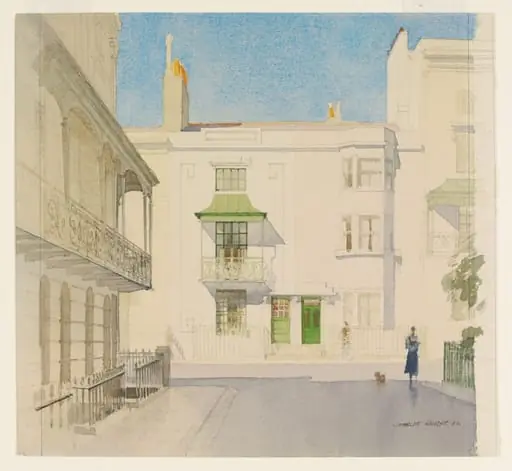 Regency Brighton: Houses in Russell Square, Sussex
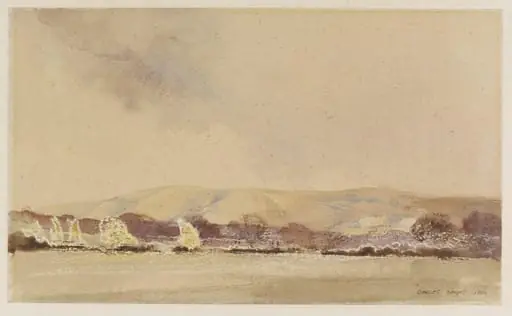 Fields and Woods South of Ditchling
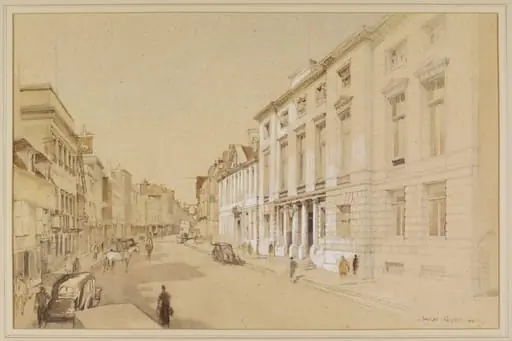 The County Hall and High Street, Lewes
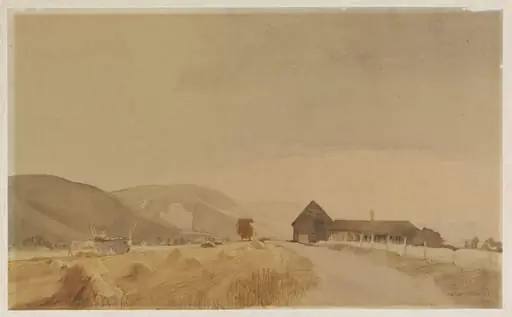 The Southdown, Underhill Road; Wickhurst Barn near Poynings looking Westwards
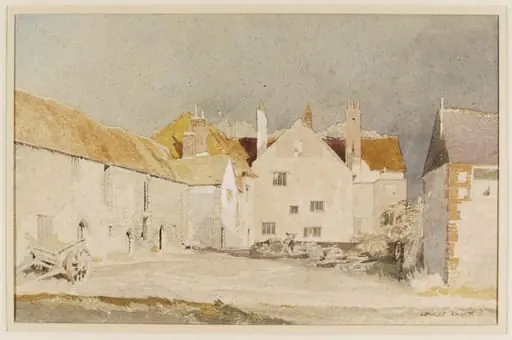 Hangleton Manor, near Brighton
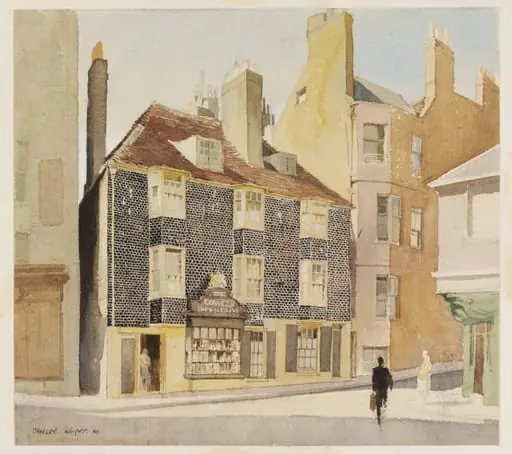 House and Shop in Pool Valley, Brighton
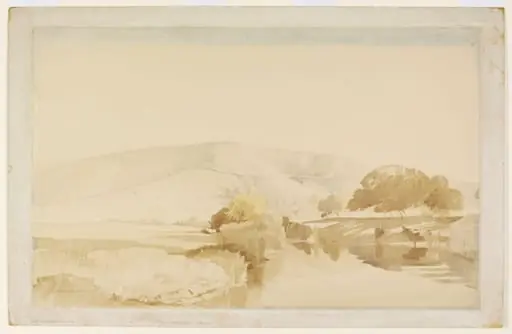 The Southdown, Underhill Road; Ditchling Beacon, from the Meadows near Westmeston
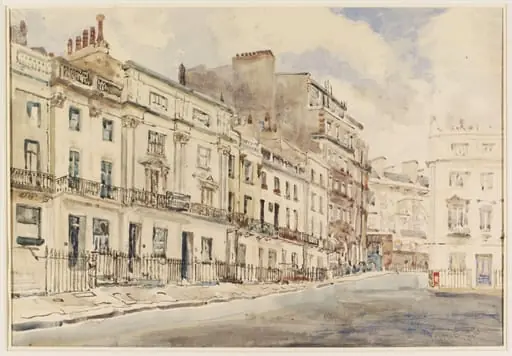 Victoria Square S.W.1.
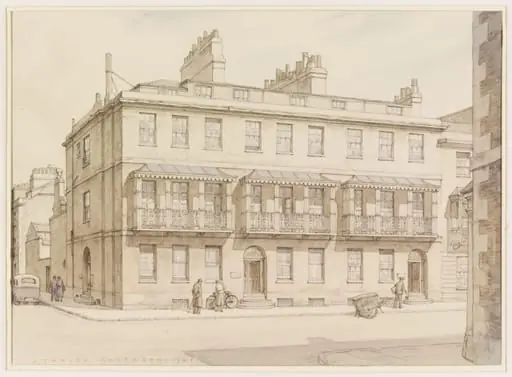 35, Beaumont Street, Oxford
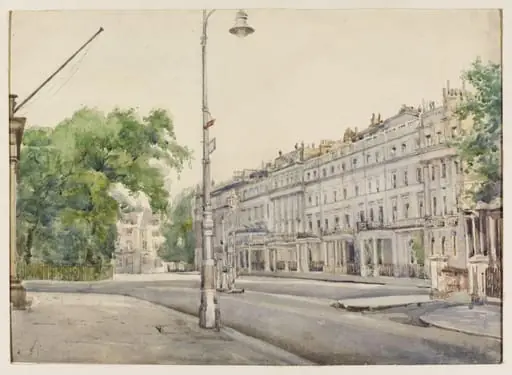 Belgrave Square
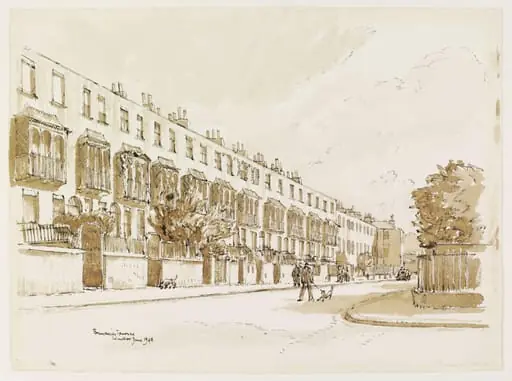 Brunswick Terrace, Windsor
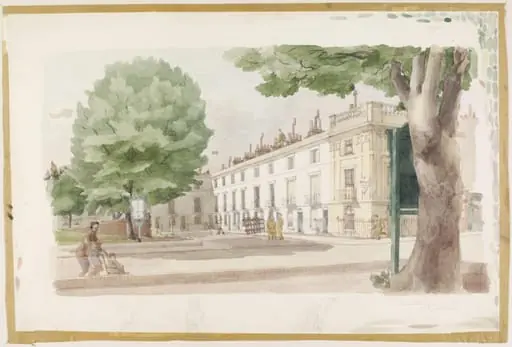 Munster Square, off Euston Road, N.W.1.
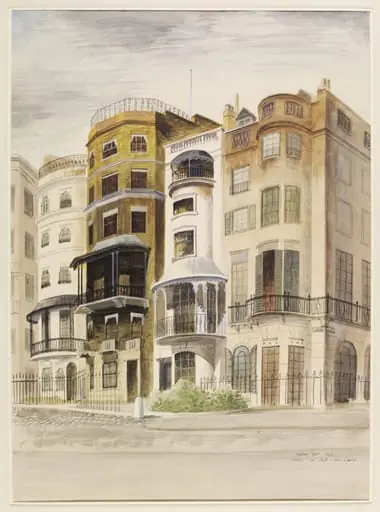 93 to 97 Park Lane, W.1.
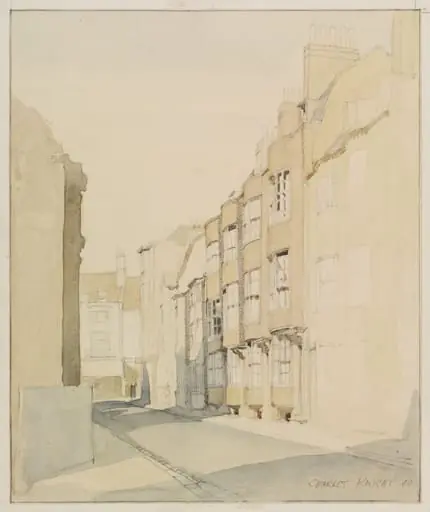 3 - 12, Charles Street, off Brighton Front
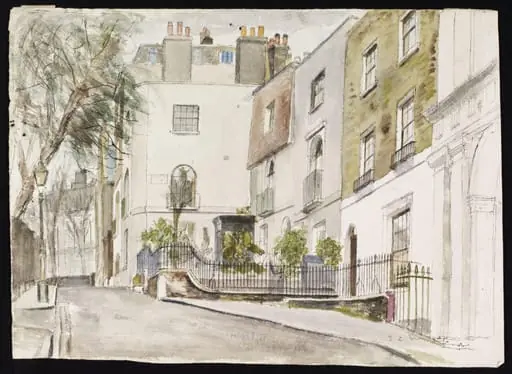 Hollyberry Walk, N.W.3.
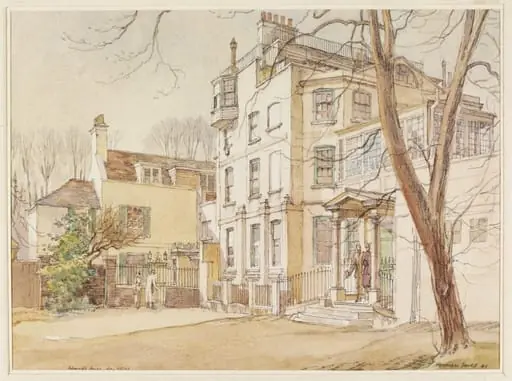 Admiral's House, Hampstead
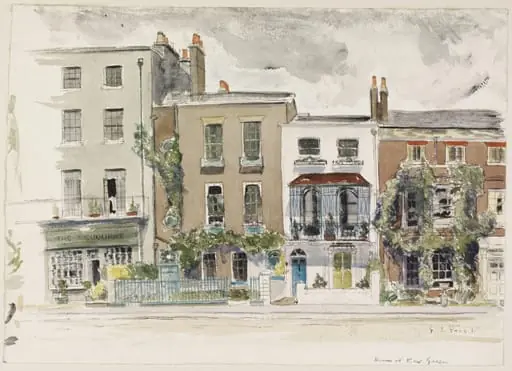 Houses on the Green, Kew
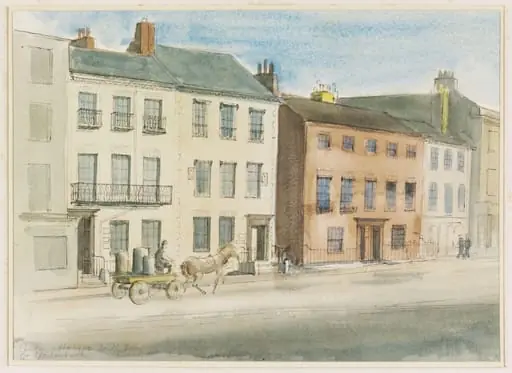 18th Century Houses, South Quay, Great Yarmouth