Artwork
Fields and Woods South of Ditchling
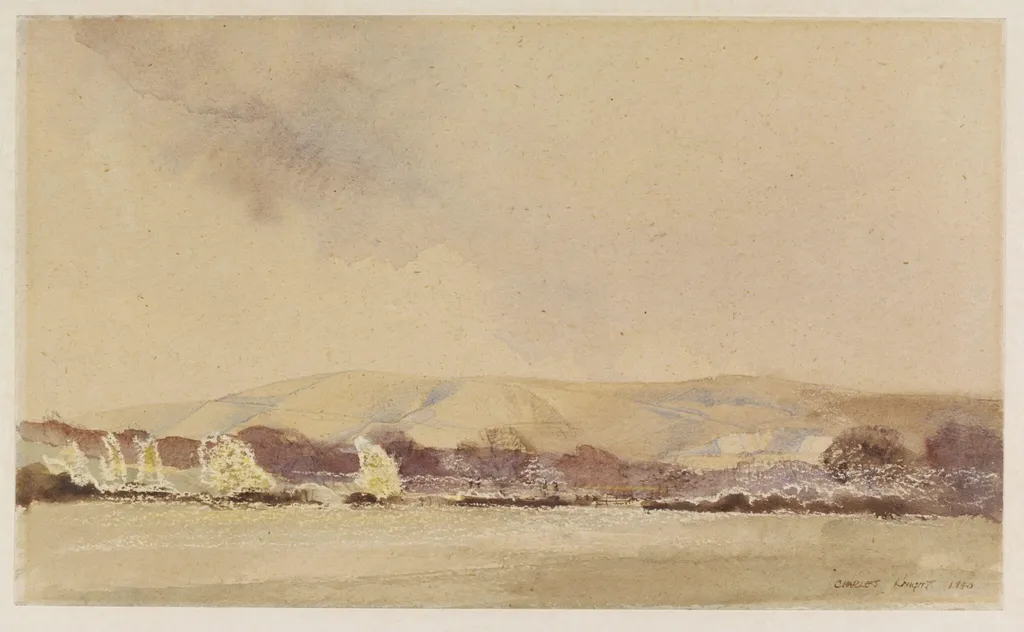
Fields and Woods South of Ditchling is a watercolor work on paper by the British Romanticist artist Charles Knight. It dates from 1940 and is held in the collection of the Victoria and Albert Museum.
About this work
Overview
The work forms part of a larger wartime effort to capture the British landscape before it could be altered by conflict or development.
Created in 1940, this watercolour by Charles Knight records a tranquil stretch of countryside south of Ditchling in Sussex. The composition presents gentle hills receding into the distance, a rocky foreground and a calm water surface, rendered in a subdued palette of browns, greys and a hint of sky‑blue. The work forms part of a larger wartime effort to capture the British landscape before it could be altered by conflict or development.
Subject & Meaning
The painting depicts a typical rural scene of the South Downs, emphasizing the modest, unspoiled character of the area. By focusing on ordinary landforms—soft hills, a stony bank and placid water—Knight underscores the continuity of the countryside amid the upheavals of World War II, offering a visual affirmation of national identity rooted in the land.
Technique & Style
Knight employs loose, sketch‑like brushwork, particularly on the distant hills, which conveys a sense of immediacy and observation. The water is rendered with darker tones and faint white strokes suggesting gentle ripples, while the foreground rocks appear in muted yellows and browns. The overall effect is one of understated realism, achieved through a restrained colour scheme and a slightly unfinished appearance.
History & Provenance
The watercolour was produced under the Recording Britain scheme, a project initiated by Sir Kenneth Clark and financed by the Pilgrim Trust to document at‑risk British scenery during the war. Knight’s contribution joins a corpus of over 1,500 works by 97 artists, assembled to preserve visual records of vulnerable landscapes and to bolster public morale.
Context
During the early 1940s, many rural areas faced threats from aerial bombing, urban expansion and changes in agricultural practice. Recording Britain sought to capture these environments before they could be irrevocably altered. Knight’s Sussex scene reflects this urgency, providing a snapshot of a landscape that might otherwise have been lost to wartime transformation.
Artist & collection

Artist
Charles Knight was a British landscape painter and stained-glass artist, best remembered for his watercolour paintings of the landscapes of Sussex.

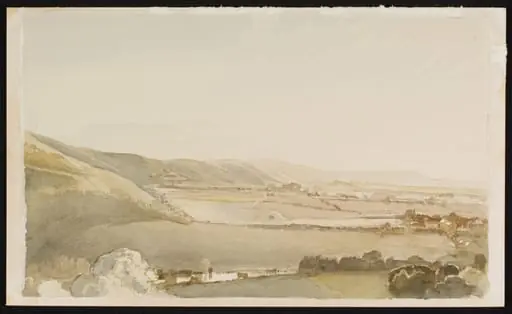 The Southdown, Underhill Road: Westwards from Poynings
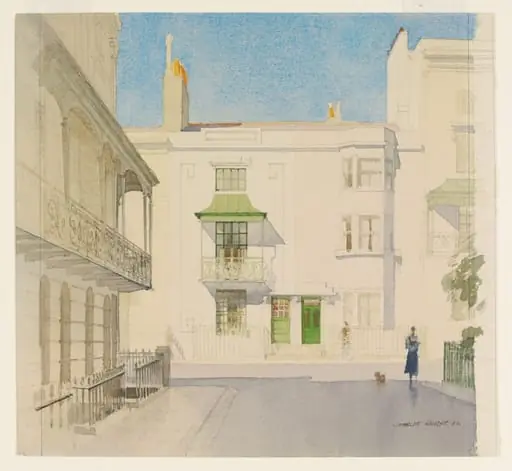 Regency Brighton: Houses in Russell Square, Sussex
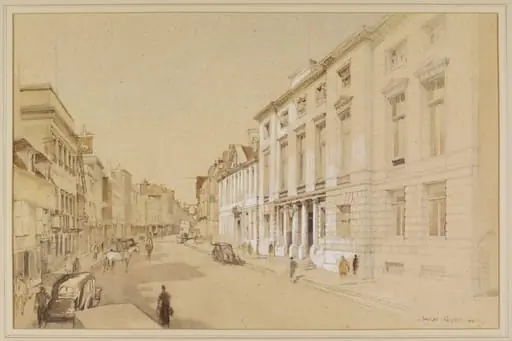 The County Hall and High Street, Lewes
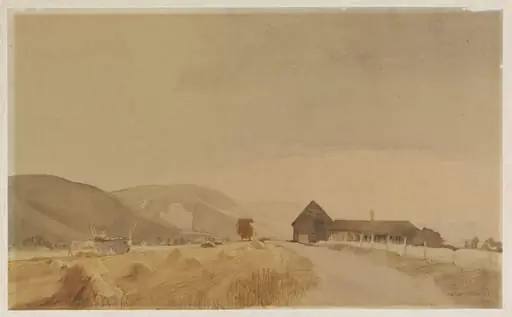 The Southdown, Underhill Road; Wickhurst Barn near Poynings looking Westwards
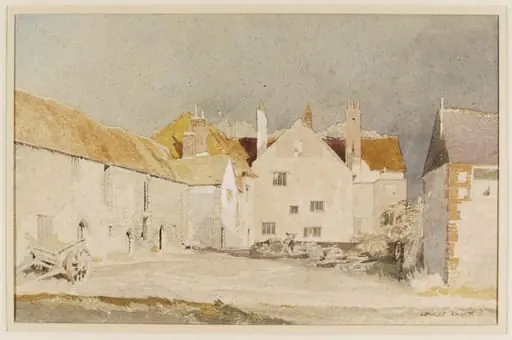 Hangleton Manor, near Brighton
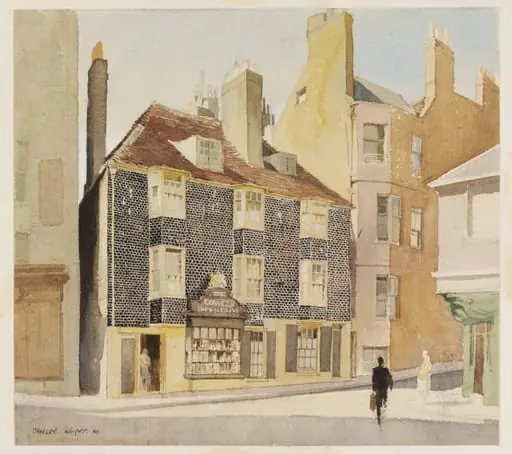 House and Shop in Pool Valley, Brighton
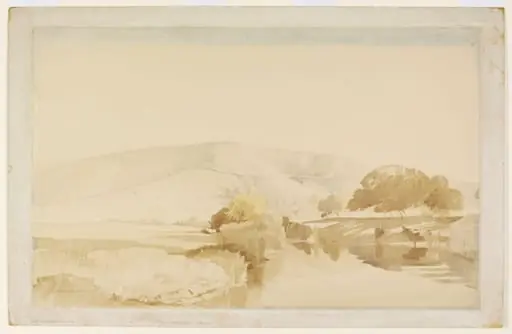 The Southdown, Underhill Road; Ditchling Beacon, from the Meadows near Westmeston
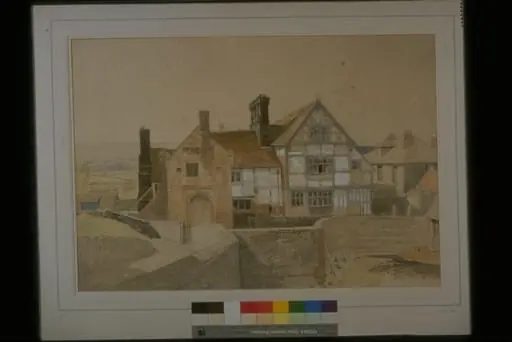 Anne of Cleves' House (North Elevation), Ditchling, Sussex
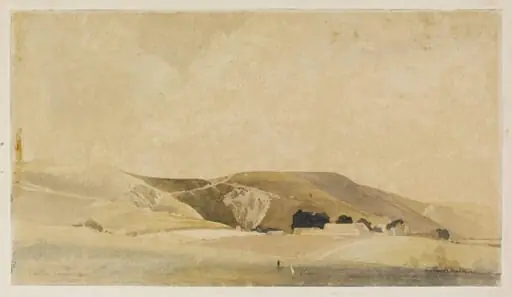 The Southdown, Underhill Road: Porching Farm from Fulking
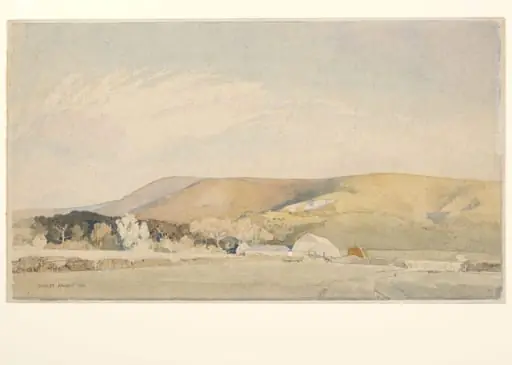 Lodge Barn, near Ditchling
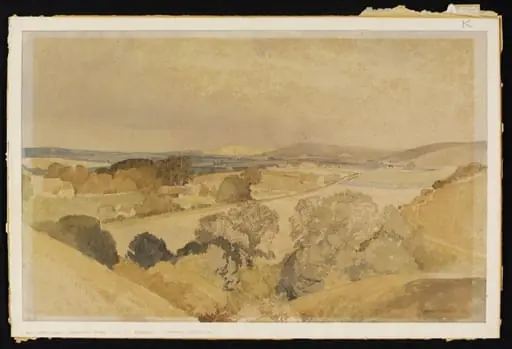 The Southdown, Underhill Road; Edburton, and the Road Eastwards
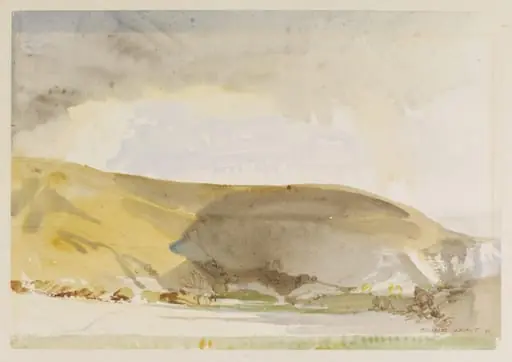 The Combe at Wick Farm, near Ditchling
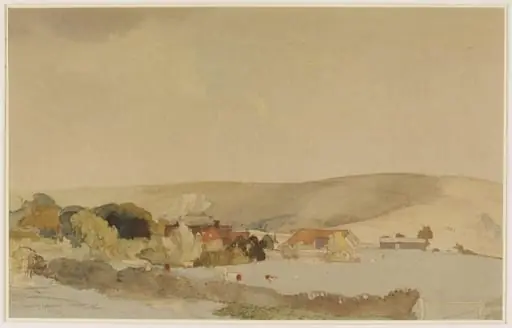 The Southdown, Underhill Road; Westmeston Place
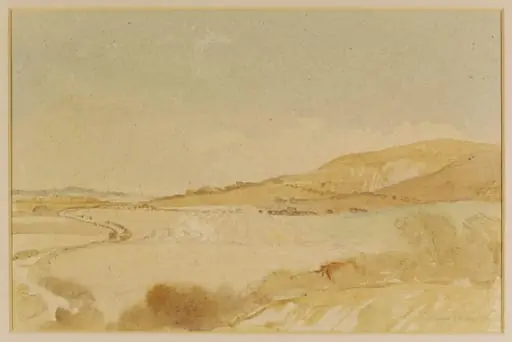 The Southdown, Underhill Road; Clayton to Westmeston
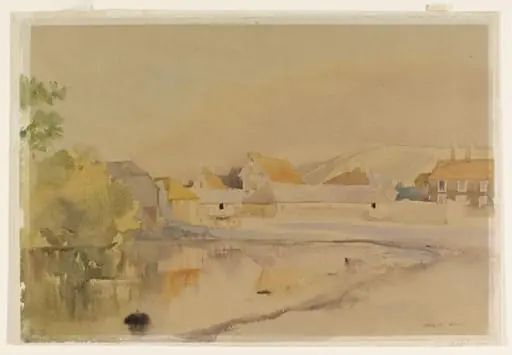 The Pond, Ditchling
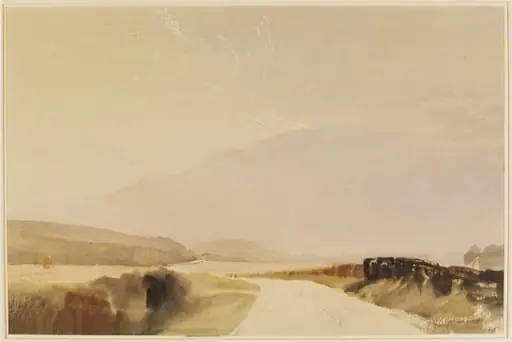 The Southdown, Underhill Road; Westwards towards Clayton
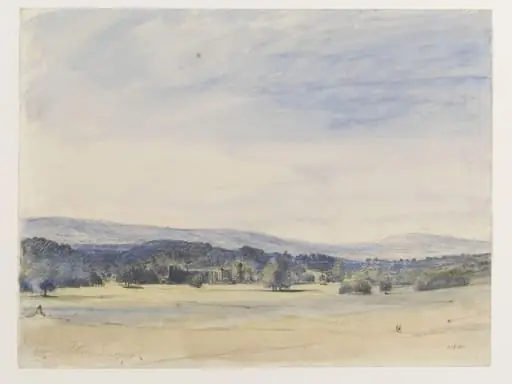 The ruins of a Cowdray House
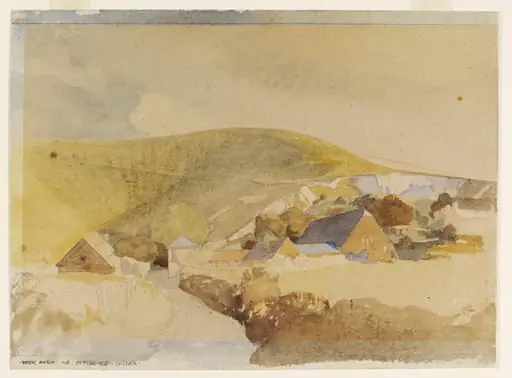 Wick Farm, near Ditchling