Artwork
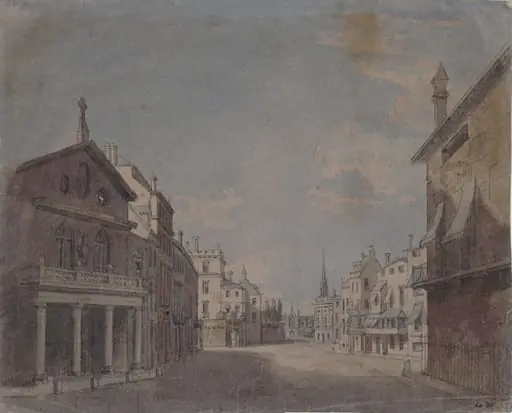
The County Hall and High Street, Lewes
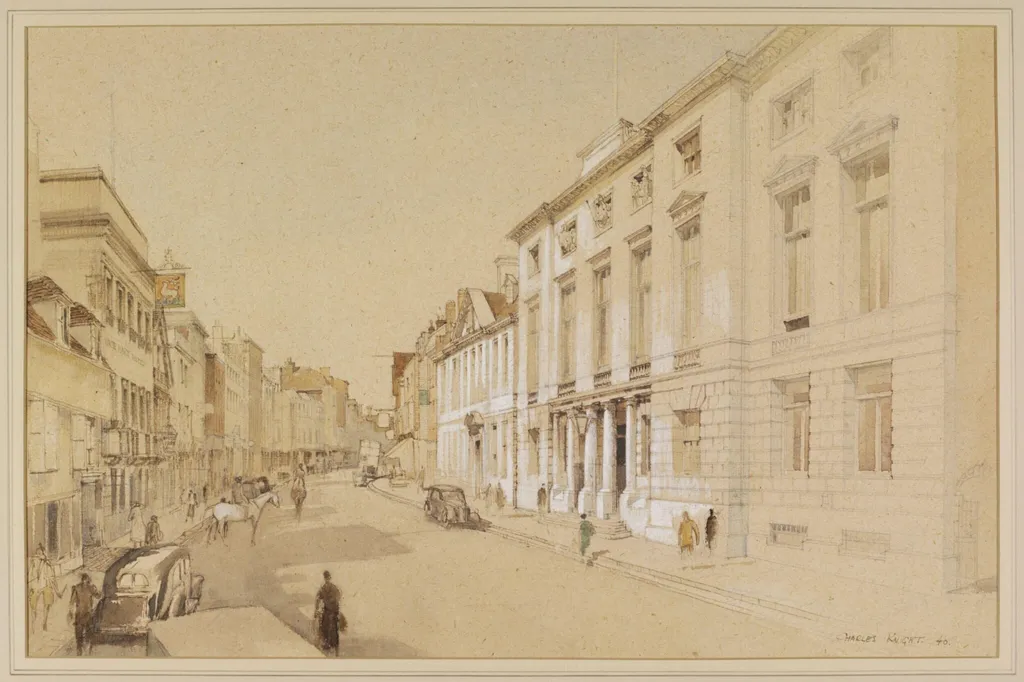
The County Hall and High Street, Lewes is a watercolor work on paper by the British Romanticist artist Charles Knight. It dates from 1940 and is held in the collection of the Victoria and Albert Museum.
About this work
Charles Knight painted it for a wartime project called Recording Britain.
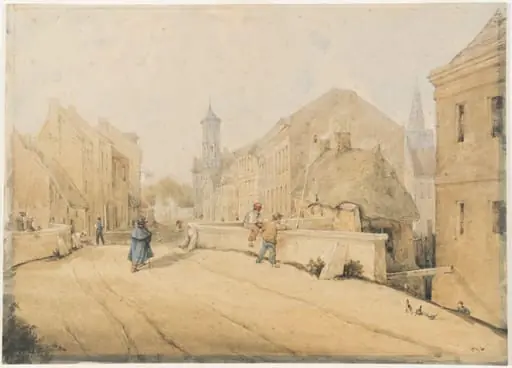
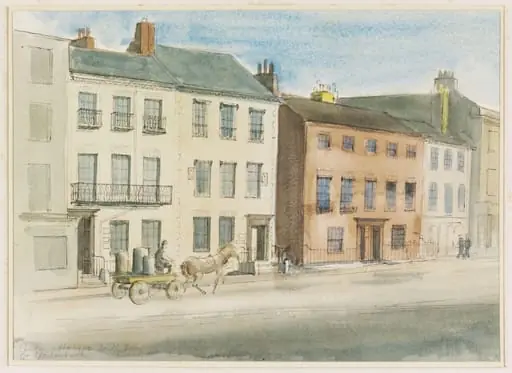
This watercolour shows a quiet street scene in Lewes from 1940. Charles Knight painted it for a wartime project called Recording Britain. The work captures everyday life during a tense time.
Lewes High Street is the main focus. You can spot the old County Hall and the White Hart Hotel. Two racehorses and riders add a touch of local flavor.
The scene feels calm despite the war. It’s a slice of history in paint. Check out the Victoria and Albert Museum for more.
Overview
The County Hall and High Street, Lewes is a 1940 watercolour by Charles Knight, created as part of the Recording Britain project during World War Two.
Subject & Meaning
The painting depicts Lewes High Street, looking west, featuring the County Hall and White Hart Hotel, with two racehorses and riders, capturing a moment in the town's life amidst wartime.
Technique & Style
Executed in watercolour, the work conveys a serene atmosphere, characteristic of Knight's style, and provides a visual record of the town's appearance at the time.
History & Provenance
Produced for the Recording Britain scheme, the watercolour is a historical document of Lewes during a period when many British towns were under threat from bombing.
Artist & collection

Artist
Charles Knight was a British landscape painter and stained-glass artist, best remembered for his watercolour paintings of the landscapes of Sussex.

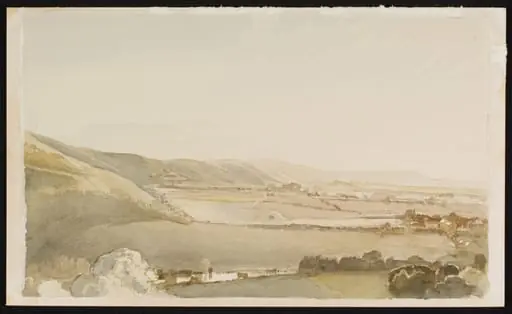 The Southdown, Underhill Road: Westwards from Poynings
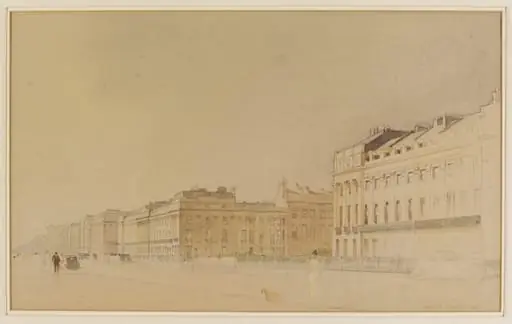
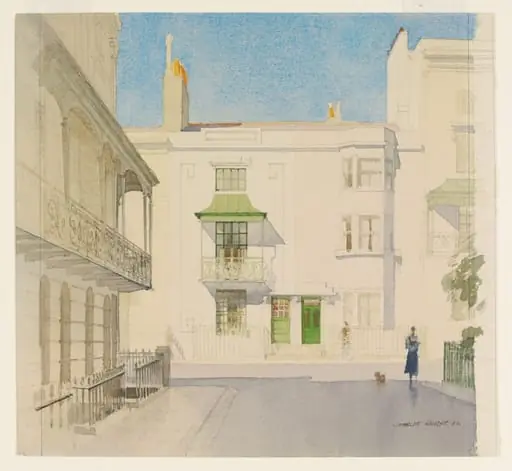 Regency Brighton: Houses in Russell Square, Sussex
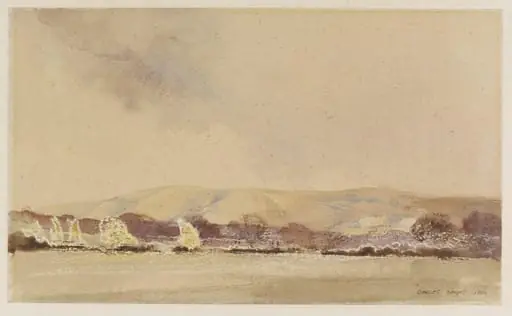 Fields and Woods South of Ditchling
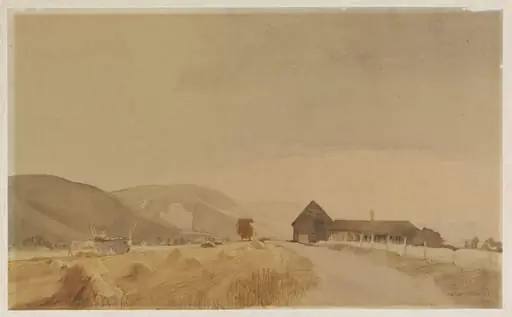 The Southdown, Underhill Road; Wickhurst Barn near Poynings looking Westwards
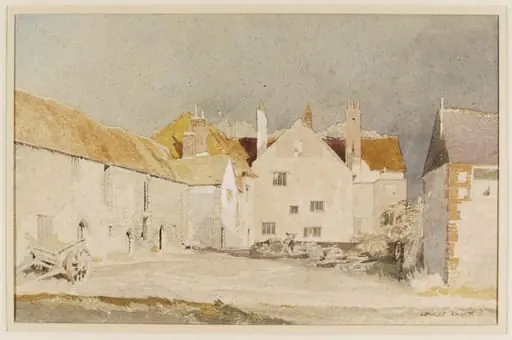 Hangleton Manor, near Brighton
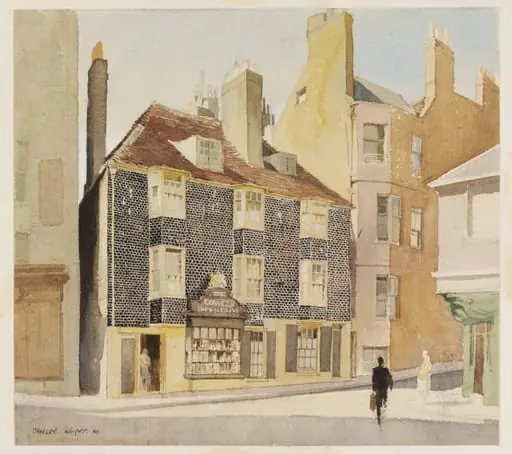 House and Shop in Pool Valley, Brighton
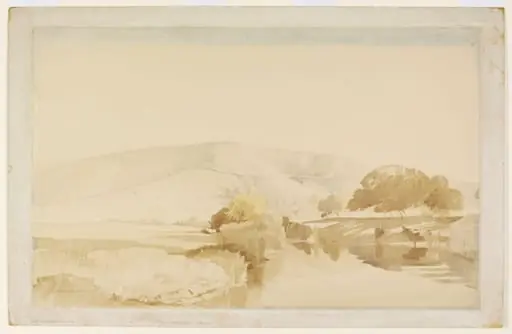 The Southdown, Underhill Road; Ditchling Beacon, from the Meadows near Westmeston
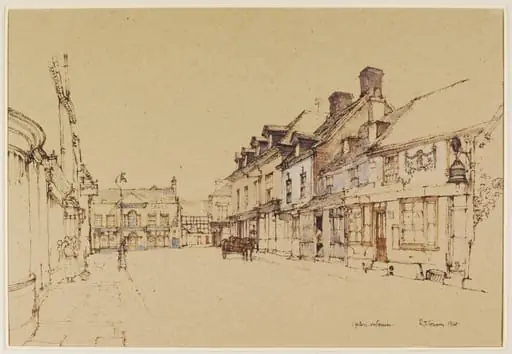
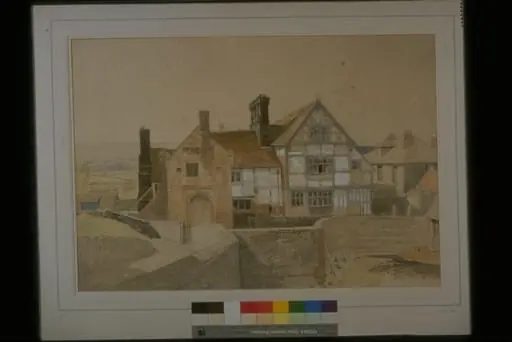 Anne of Cleves' House (North Elevation), Ditchling, Sussex